Flood Damage Cleanup: A Bakersfield Homeowner Guide
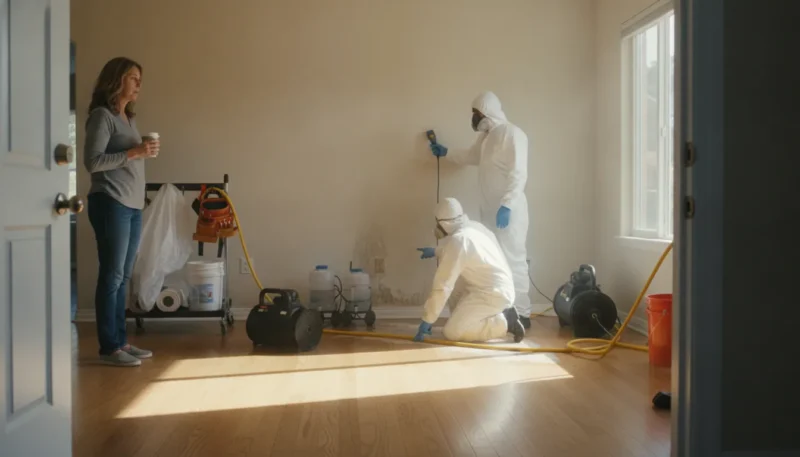
Flooding can turn a quiet Bakersfield home into a safety problem within minutes. Before moving furniture or pulling up flooring, make sure everyone is away from electrical hazards, unstable areas, and water whose quality you cannot confirm. If it is safe to do so, stop the source and shut off utilities only from a dry, accessible location. Otherwise, leave the area and get help.
The first steps in flood damage cleanup are to protect people, avoid contaminated or electrically hazardous water, stop the source when safe, and document visible damage from a safe location. Take photos or video, save receipts, and notify your insurer promptly. Professional restoration is needed for standing water, hidden moisture, sewage, structural concerns, or extensive damage.
Standing water can promote mold growth, warp floors, and damage drywall within 24 hours, so prompt action matters. A restoration team can assess hazards, extract water, map moisture, dry the structure, and coordinate the next steps in English or Spanish.
Request emergency restoration help or a free visual inspection.
The safest response starts with knowing what you can do immediately and where cleanup should stop. The following steps explain how to protect your household before any further work begins.
What Should You Do First After Flood Damage?
Start with safety, not sweeping or pumping. In Bakersfield, a flood may come from a burst pipe, appliance leak, storm water, sewage, or another source, and the water quality is not always obvious. Your first decisions should keep people away from electrical hazards, unstable areas, and contaminated water while you arrange a proper assessment.
- Get people and pets to a safe area. Leave the property if there is a strong gas odor, visible structural damage, rising water, sparking, or any other immediate danger. Keep children and pets away from standing water. If the water may contain sewage or chemicals, do not enter it or carry wet items through the home.
- Shut off utilities only if you can do so safely. If the electrical panel, outlets, appliances, or wiring are wet or surrounded by water, do not touch them. Do not use switches, plugs, or electrical equipment in a wet area. Ask the utility company or a qualified professional for help. If you use a portable generator, the EPA says to operate it outside and at least 20 feet from buildings, never in a garage or enclosed space.
- Identify the source without taking risks. If a reachable supply valve can be closed from a dry, safe location, turn it off. Otherwise, contact the appropriate utility or plumbing professional. Do not investigate beneath a flooded floor, enter a crawl space, or approach damaged ceilings to find the leak. A restoration assessment should consider the water source, affected area, and safety hazards before cleanup begins.
- Document what you can see from a safe location. Take photos or video of rooms, visible water lines, damaged belongings, and building materials without walking through unsafe water. Note when you discovered the damage and save receipts for reasonable emergency expenses. Notify your insurer promptly, but do not delay urgent safety measures while waiting for an adjuster.
- Call professionals when the situation exceeds safe household work. Contact a restoration team for sewage or unknown-quality water, extensive standing water, hidden moisture, electrical concerns, structural damage, or water that has reached walls, flooring, or insulation. Professional flood damage cleanup may include controlled extraction, moisture mapping, air movement, dehumidification, cleaning, and sanitization. Those steps help locate moisture that is not visible and reduce the risk of secondary damage. The EPA notes that mold can grow on wet wood, drywall, carpet, and furniture after more than 24 hours, so prompt assessment matters. A local, bilingual restoration team can help Bakersfield and Kern County homeowners coordinate the next safe step without asking them to handle hazardous water themselves.
How to Stop the Water and Document the Damage
Once everyone is safe, identify what is feeding the damage. Common sources include burst pipes, plumbing failures, appliance leaks, storm or rain intrusion, and HVAC condensation. If the water is coming from a fixture or pipe and you can reach the shutoff without entering standing water or approaching an electrical hazard, turn it off. If you cannot do so safely, leave the area and contact a qualified professional or the appropriate emergency service.
Do not enter water that may be contaminated, and do not walk through a flooded room if the floor, ceiling, walls, or utilities appear unstable. Sewage, floodwater from outside, and water of unknown quality require professional isolation and cleanup. When the source is unclear, the safest choice is to limit access and explain the situation during your service call. A restoration assessment can evaluate the source, affected areas, and hazards before work begins.
Document What You Can See Safely
From a dry, stable location, take wide photos and short videos of each affected room. Then capture closer images of wet flooring, drywall, ceilings, cabinets, furniture, appliances, and visible belongings. Include unaffected areas when they help show the extent of the intrusion. Do not move heavy items, pull up flooring, open saturated walls, or handle damaged materials simply to get a better picture.
Keep a simple record with the date and time you noticed the water, where it appeared to originate, and any actions taken to stop it. Save receipts for emergency supplies, temporary protection, lodging, or other damage-related expenses. These records support organization when you speak with your insurer, but they do not determine whether a loss is covered.
Notify Your Insurer and Arrange an Assessment
Contact your insurance company promptly and ask about its reporting process, documentation requirements, and any instructions about damaged property. Avoid discarding affected belongings until you understand what records are needed, unless they create an immediate health or safety risk. Share your photos, videos, notes, and receipts as requested.
A restoration team can add professional photos, moisture mapping, and drying documentation to the project record. For local help with source control, assessment, and the next steps, learn more about water damage restoration in Bakersfield. The goal is to limit further damage while keeping the cleanup process organized and safe.
How Flood Damage Cleanup Handles Extraction and Drying
Once the water source is controlled and the area is safe to enter, the next priority is removing water that has soaked into floors, walls, cabinets, and other building materials. Professional extraction is more than vacuuming visible puddles. Technicians assess the affected areas, identify how far moisture has traveled, and choose equipment based on the water volume, material types, and safety conditions.
Removing standing water with the right equipment
Restoration teams may use truck-mounted extraction equipment when access and site conditions allow. Portable extraction units are useful for apartments, upper floors, tight spaces, or areas where a truck-mounted system cannot reach. The goal is to remove as much free water as possible before moving into the drying phase. Faster removal can help limit secondary damage to flooring, drywall, trim, and contents, but equipment selection still depends on the specific loss.
Homeowners can sometimes safely remove a small amount of clean water with basic tools if there is no electrical, structural, or contamination hazard. Do not use household equipment in standing water near outlets or appliances, and do not enter water that may contain sewage, chemicals, or other contaminants. Floodwater of uncertain quality should be isolated and handled by trained professionals.
Drying the structure, not just the surface
After extraction, commercial air movers increase air circulation across wet surfaces while dehumidifiers remove moisture from the indoor air. Used together, they help draw trapped moisture out of porous materials. Running a fan alone may move damp air around without drying the structure, especially when humidity remains high or water has migrated behind walls and under flooring.
Moisture meters help technicians measure conditions in materials that may look dry on the surface. Thermal imaging can also reveal temperature patterns associated with hidden moisture, helping guide a more complete inspection. These tools support moisture mapping and help identify areas that need additional drying rather than relying on touch or appearance.
Verifying progress before equipment leaves
Drying is monitored over time. Daily moisture readings continue until the project reaches its documented drying goals. This matters because a floor, wall cavity, or cabinet base can remain damp after visible water is gone. Removing equipment too early may leave hidden moisture behind and increase the chance of warping, odor, or microbial growth.
For a closer look at equipment choices and the professional water extraction process, see the dedicated guide. A qualified restoration assessment can also help document affected materials and coordinate the next steps with your insurance company without promising a particular coverage outcome.
How to Clean, Sanitize, and Prevent Mold After a Flood
Once standing water has been removed and the structure is being dried, cleaning and sanitation help limit odors, contamination, and secondary damage. Move carefully. Floodwater may contain microorganisms, chemicals, or sewage, and materials that look clean can still hold moisture below the surface.
Separate salvageable materials from damaged materials
Do not try to save every wet item. Porous materials such as carpet, carpet padding, upholstered furniture, mattresses, and some drywall can absorb contaminated water and may need removal. Wood, drywall, carpet, and furniture that remain wet for more than 24 hours can support mold growth, according to the EPA flood cleanup guidance. A restoration technician can assess what can be cleaned, what must be discarded, and where moisture remains hidden.
Hard, nonporous surfaces may be cleaned after debris and soil are removed. Use products according to their labels, never mix cleaning chemicals, and provide ventilation only when doing so is safe. Sanitizing is not a substitute for drying. Moisture mapping, moisture meters, and thermal imaging can help identify damp areas behind walls, beneath flooring, or inside cabinets.
Take mold prevention seriously
Drying should continue until moisture readings show that the affected materials have reached appropriate drying goals, not merely until surfaces feel dry. Air movers and dehumidifiers support this process, while repeated readings help confirm progress. If you notice a musty odor, discoloration, buckled flooring, or recurring condensation, pause reconstruction and have the area evaluated.
For a focused guide to safe re-entry, drying, and post-flood mold concerns, review our mold prevention after flooding resource. Avoid disturbing visible mold or opening affected walls if you do not know how extensive the growth is. People with asthma, allergies, immune suppression, or other health concerns may need to stay away from the affected area while cleanup is underway.
Never handle sewage contamination as ordinary floodwater
Sewage or water from an unknown source requires a different response. Keep children and pets away, avoid entering the water, and do not use household cleaning methods to handle the contamination. The area may require isolation, protective equipment, specialized extraction, disposal of unsalvageable materials, and professional sanitization. Our guide to sewage contamination cleanup explains why trained restoration work is safer for this type of loss.
When the water source or material safety is uncertain, leave the cleanup to trained professionals. A careful sanitation plan protects your home while reducing the chance that hidden moisture becomes a larger mold problem.
How Long Does Flood Damage Cleanup Take?
There isn’t one fixed schedule for flood damage cleanup. A small, contained water loss may be addressed relatively quickly, while widespread flooding can require repeated drying checks, material removal, cleaning, and reconstruction. The timeline depends on how much water entered the property, how long materials stayed wet, and whether moisture traveled below floors, behind walls, or into insulation.
As a general estimate, minor water damage may take about 3 to 5 days to dry and restore. Major flooding may take 1 to 2 weeks for complete drying and restoration. These ranges are guidance, not a guarantee. A restoration professional needs to inspect the affected areas and track moisture before giving you a more useful project timeline. For local support, learn more about water damage restoration in Bakersfield.
What can make the timeline longer?
- Water volume and spread: A few inches in one room is different from water that has moved through several rooms, crawl spaces, or wall cavities.
- Building materials: Carpet, drywall, wood flooring, cabinets, and insulation each absorb and release moisture differently. Some materials may need removal before the structure can dry properly.
- Hidden moisture: Moisture meters and thermal imaging can help locate water that is not visible. Air movers and dehumidifiers may then run until readings show that drying goals have been reached.
- Contamination: Sewage or unknown-quality floodwater requires isolation, protective equipment, specialized extraction, disposal, and sanitization. That work should not be handled as a routine homeowner cleanup.
How is the timeline confirmed?
The process usually begins with an assessment of the source, affected areas, and safety hazards. After extraction, technicians monitor moisture rather than relying only on how surfaces look or feel. Daily readings can show whether structural drying is progressing and whether additional equipment or material removal is needed. Cleaning, sanitizing, and repairs follow once the property is safe and sufficiently dry.
If floodwater is still present, avoid electrical hazards and do not enter contaminated water. Prompt action matters because wet wood, drywall, carpet, and furniture can support mold growth after more than 24 hours. A careful inspection and documented drying process help turn a broad estimate into a clearer plan for your home.
When Should You Call a Flood Restoration Professional?
Some cleanup tasks are reasonable once the area is confirmed safe. Others require trained technicians, specialized equipment, or isolation from health and structural hazards. Use the guide below to decide when to stop DIY cleanup and request help.
| Situation | Safe homeowner action | Call a professional when |
|---|---|---|
| Electrical hazards | Stay out of wet areas with exposed outlets, cords, appliances, or electrical equipment. Leave the property if conditions are unsafe. | Water may have reached wiring, the electrical panel, or appliances. Do not enter simply to start pumps or fans. |
| Structural instability | Observe damage from a safe location and keep people and pets away from sagging ceilings, damaged floors, or shifting walls. | Walls, ceilings, floors, stairs, or the foundation appear unstable, or the building has moved after flooding. |
| Contaminated or sewage water | Do not enter, touch, extract, or move belongings through water of unknown quality or sewage. | Sewage, floodwater from outside, chemicals, or other contamination is present. Safe cleanup requires isolation, protective equipment, specialized extraction, disposal, and sanitization. |
| Extensive standing water | Photograph or record the damage from a safe location, then remove unsoaked movable items only if doing so does not expose you to hazards. | Water covers a large area, is spreading, or cannot be removed safely with household tools. Professional extraction may use truck-mounted or portable equipment. |
| Hidden moisture or failed drying | Ventilate only when outdoor conditions and the building are safe, and avoid sealing wet materials behind furniture or coverings. | Drywall, flooring, cabinets, insulation, or subfloors remain damp, or you cannot confirm that moisture is gone. Moisture meters, thermal imaging, air movers, and dehumidifiers help locate and dry affected materials. |
Prompt help also makes sense when the water source is still active, damage affects multiple rooms, or you are unsure whether the area is safe to enter. 911 Restoration of Bakersfield provides 24/7/365 emergency availability, states a 45-minute on-site response promise, and has IICRC-certified technicians. The team offers bilingual English and Spanish support and can coordinate with your insurance company while documenting the damage. These services support the cleanup process, but they do not guarantee an insurance payment or coverage decision.
Request emergency restoration help before unsafe water or hidden moisture creates a larger problem.
Frequently Asked Questions
What should you do first after flood damage?
Protect people first. Leave areas with electrical hazards, structural concerns, or contaminated water, and shut off utilities only if you can do so safely. From a safe location, photograph the damage, stop the water source if possible, and contact your insurer and a restoration professional.
How do you clean up flood damage safely?
Do not enter unsafe standing water or handle sewage yourself. Once the area is safe, remove only belongings you can move without risk and keep receipts for related expenses. Professional cleanup may require specialized extraction, moisture detection, drying equipment, protective gear, and sanitization.
How much does flood damage cleanup cost?
There is no responsible one-size-fits-all price. Estimates vary with the water source, contamination, affected area, materials, hidden moisture, and restoration needed. Request an inspection and written estimate rather than relying on a generic online number.
How do you clean a flooded floor or basement?
First confirm that electricity, structural stability, and water quality are safe. Do not pump or extract contaminated water yourself. Floors and basement materials may hold hidden moisture, so professionals use moisture meters, thermal imaging, air movers, and dehumidifiers to guide drying and prevent secondary damage.
How long does flood damage cleanup take?
The timeline depends on the water volume, materials, contamination, and drying progress. Minor water damage may take 3 to 5 days, while major flooding may take 1 to 2 weeks for complete drying and restoration. Daily moisture readings help confirm when drying goals are achieved.
Ready to Get Help With Flood Damage Cleanup?
Flood damage can leave Bakersfield and Kern County homeowners unsure what to do next. A professional assessment can help identify moisture that is not visible and clarify the safest path forward. The team can communicate in English or Spanish, so you can explain what happened and ask questions clearly.
Request 24/7 emergency restoration help or a free visual inspection. Call (661) 220-7584.
