
How Is Soot Cleaned From a Restaurant After a Fire? Fire Water and Mold Restoration Services
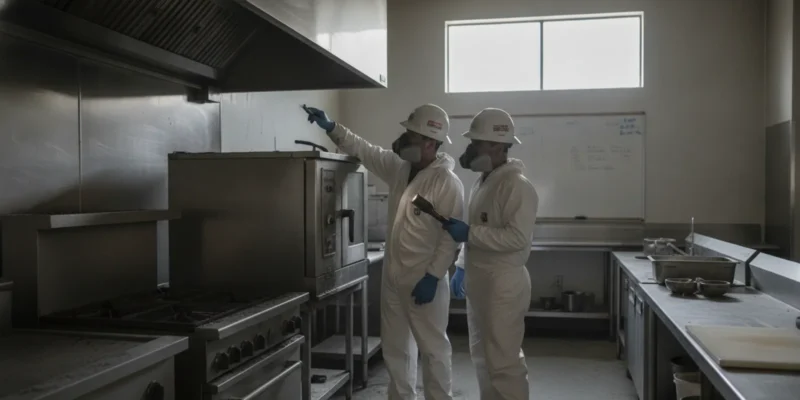
A restaurant fire can leave soot on surfaces far beyond the point where flames were visible, and the cleanup can feel like one more urgent problem to manage. If you are comparing fire water and mold restoration services after a restaurant fire, start by understanding how a careful soot cleanup is assessed, contained, and coordinated with the work needed to reopen safely.
Call (661) 220-7584 to discuss restaurant fire damage
In brief: A restoration team first evaluates the fire, smoke, and soot impact; limits access to affected areas; documents conditions; and selects cleaning methods for each material. Food, cooking equipment, ventilation, and fire-suppression components may need separate review by the appropriate specialists. Do not reopen or resume food preparation until the responsible authorities and qualified professionals have cleared the relevant areas and systems.
What makes soot cleanup in a restaurant different?
Soot is a residue left by incomplete combustion. Its appearance and behavior can vary with the materials that burned, the fire conditions, and the path smoke took through the building. A kitchen fire may leave greasy deposits near cooking equipment, while smoke can travel into dining rooms, storage areas, offices, and ceiling cavities. A space that looks mostly clean may still have residue on hidden or elevated surfaces.
Restaurants also have more than ordinary household contents to consider. Food-contact surfaces, refrigeration, cooking equipment, utensils, dry goods, ventilation, and fire-suppression equipment can all be affected. Cleaning a wall is not the same as determining whether a food item or piece of equipment is suitable for use. Keep those decisions separate and involve the relevant health authority, equipment specialists, or licensed service contractors where needed.
Commercial buildings may have shared ventilation, neighboring tenants, or business operations close to the damaged area. A clear plan should state which areas are affected, what needs to be protected, and who is responsible for each part of the recovery. For broader commercial property issues, see the company’s commercial damage restoration information.
What should you do before cleanup begins?
Put safety and access first. Follow instructions from the fire department and property manager, and do not enter an area that has been restricted or may have structural, electrical, gas, or air-quality hazards. If the fire is still active or there is immediate danger, call emergency services. Once officials allow access, avoid disturbing soot or moving items unnecessarily.
- Keep staff and customers out of affected areas. Use a clear boundary and do not allow people to walk soot into clean parts of the business.
- Do not switch on equipment or ventilation without approval. Air movement can redistribute loose residue. A qualified professional should assess affected HVAC and kitchen exhaust components before they are used.
- Protect food and supplies from further contact. Do not serve or sell items exposed to fire, smoke, heat, water, or cleanup chemicals. Set them aside for review and follow direction from the appropriate food-safety authority.
- Photograph conditions before moving contents. Take wide views and close-ups, noting the date and the room or equipment shown. Do not delay emergency work to create a perfect inventory.
- Contact your insurer and restoration provider. Ask what documentation is needed and how emergency mitigation should be coordinated. The company’s insurance claim assistance information can help you understand the restoration coordination process.
Do not dry-brush, wipe, or vacuum soot with an ordinary household vacuum. Those actions can smear residue, drive it into porous materials, or move particles into the air. The Los Angeles County Department of Public Health’s smoke and soot cleanup guidance advises holding a vacuum nozzle slightly above a surface so suction can lift soot rather than dragging the nozzle across it; this is a specialized approach, not a reason to vacuum an affected restaurant yourself. Follow the instructions of the fire department and trained cleanup professionals.
How do restoration professionals plan the cleanup?
A sound plan begins with an inspection, not a one-size-fits-all cleaning product. A restoration professional evaluates the apparent fire origin and spread, the kinds of residue, affected materials, water from firefighting, odor, and areas smoke may have reached. They may inspect rooms adjoining the kitchen, overhead spaces, contents, and accessible ventilation components. The findings help define the work area and the order of operations.
Documentation is useful for both the work and the claim. The plan should identify affected rooms and materials, explain what can be cleaned in place and what may need removal or specialty treatment, and record any limits or decisions that depend on another party. Ask who is handling each task. For example, restoration cleaning, equipment repair, kitchen exhaust or hood service, fire-suppression inspection, and food-safety decisions are not automatically the same scope of work.
Containment and protection are then set up to reduce transfer of residue to unaffected areas. Depending on the building and the work, that may include restricting traffic, covering contents, separating clean and affected zones, or controlling air movement. The exact approach depends on the site assessment. A provider should explain what they plan to isolate and how staff can safely access essential areas, if access is allowed.
911 Restoration of Bakersfield provides fire and smoke damage restoration and commercial restoration services. Ask the project lead to describe the proposed scope, what requires a separate contractor, and what approvals are needed before your business resumes operations.
Which cleaning method is used for each surface?
There is no single soot-cleaning method for every surface. A professional chooses based on residue, material, finish, and whether the item can be safely cleaned. Using the wrong method can spread soot or damage a surface. A test on a small, inconspicuous area may help determine how a material responds before broader cleaning begins.
| Area or material | Typical consideration | What to confirm in the plan |
|---|---|---|
| Sealed, hard surfaces | Residue may be removed with a compatible cleaning method after loose soot is addressed. | Which cleaner and technique suit the finish, and how residue will be collected. |
| Painted walls and ceilings | Porosity, coating condition, heat, and staining affect whether cleaning is feasible. | Whether a test is planned, and whether cleaning, sealing, or replacement is proposed. |
| Upholstery and other porous contents | Soot and odor can penetrate fibers or padding; some items may not respond to cleaning. | Which contents can be treated, where they will be handled, and how decisions are documented. |
| Food-contact areas and equipment | Residue, heat, water, and cleaning products raise operational and food-safety questions. | Who will assess each item and what clearance is required before reuse. |
| Kitchen exhaust and fire-suppression systems | These systems may need specialized inspection, cleaning, repair, or recertification. | Which qualified service contractor is responsible and whether the system is approved for operation. |
Cleaning commonly proceeds from less contaminated areas toward more affected areas, with repeated checks for remaining residue. Depending on the site, the work may include removing loose soot with suitable equipment, cleaning compatible surfaces, laundering or treating contents, and addressing smoke odor after residue removal. The American Red Cross post-fire cleanup guidance recommends mild soap or detergent for general post-fire cleaning of walls, furniture, and floors, but restaurant surfaces, equipment, and materials require methods appropriate to their specific use and condition. A general household recommendation does not replace a professional assessment or food-safety guidance.
Some materials may be too damaged, absorbent, or difficult to clean reliably and could need removal or replacement. Ask for the reason behind that recommendation and how affected items will be recorded. Avoid assuming that an item is safe because visible soot is gone; appearance alone does not establish that food-contact equipment or a ventilation system is ready for use.
What does a restaurant soot cleanup sequence look like?
The exact sequence depends on the fire and the building, but you can expect the work to move through distinct decision points. Knowing those points helps you ask focused questions without assuming every restaurant needs the same equipment, treatment, or amount of work.
- Confirm safe access and scope. The project lead reviews the fire department’s access direction, visible fire and smoke effects, water impact, and the areas that may have been affected. Staff should not enter restricted zones or move contents until the site is cleared for that activity.
- Record conditions and protect contents. The team documents affected areas and identifies items that need protection, separate handling, or review by another specialist. You can point out where food, records, or high-value equipment are located, but avoid touching soot-covered items.
- Set work boundaries. The provider explains where cleanup can proceed, how clean areas will be protected, and how staff or contractors should move through the building. Agree on a contact person for questions and changes so instructions do not get lost between shifts.
- Clean and evaluate materials. Technicians use methods selected for specific surfaces and contents, then check whether residue remains or a material needs additional work. If cleaning reveals damage not visible at first, ask the project lead to document it and explain the proposed next step before the scope changes.
- Coordinate repairs and operational checks. Restoration cleaning may need to be followed by separate equipment repairs, ventilation or hood service, fire-suppression checks, and authority review. Confirm who is arranging each inspection and keep copies of findings or service records.
- Review the finished work and remaining conditions. Walk through the agreed areas with the provider, note any questions, and request an explanation of what was cleaned, removed, or left for another contractor. A clean-looking surface is not, by itself, approval to use equipment or reopen.
Odor is another part of the assessment, not a shortcut around cleaning. Smoke residue may remain on contents or in areas beyond the kitchen, so ask what source the odor treatment is intended to address. If odor persists, request a review of the affected areas and the work completed. Avoid masking odors with sprays or operating air systems before they have been assessed, since those actions can make it harder to understand whether residue or an equipment issue remains.
Throughout the process, keep a single folder or digital record for photos, provider notes, estimates, insurer communications, and third-party inspection reports. That gives the owner or manager a consistent reference when questions arise about the work or reopening requirements.
How should you handle food, equipment, and the reopening decision?
Separate the restoration question from the operational clearance question. A restoration crew can explain its cleaning scope, but a business owner should not treat that alone as authorization to serve food or operate a fire-safety system. Ask the local health department or other responsible authority what it requires for your situation. Consult qualified technicians for cooking equipment, refrigeration, exhaust, and fire-suppression systems.
Keep a simple written record of what was exposed, what was discarded or set aside, who evaluated equipment, and what instructions you received. Preserve purchase or inventory records where available, and take photos before disposal when doing so is safe and does not conflict with official instructions or urgent work. Your insurer may have its own documentation process; confirm it directly rather than relying on assumptions.
Before reopening, obtain confirmation that required repairs and inspections are complete, that relevant systems are fit to operate, and that the premises meet applicable requirements. If only part of the restaurant is affected, do not assume the unaffected area can stay open: verify separation, access, ventilation, and any local direction first. For more information about the team’s credentials, review its IICRC certification information.
How can you compare restaurant soot cleanup plans?
When you speak with restoration providers, compare the actual work plan rather than relying on a broad promise to “clean everything.” A useful proposal makes the affected areas, cleaning approach, exclusions, and coordination needs understandable. It should also identify how the team will communicate discoveries that change the scope.
- Ask how the inspection is documented. Will the provider record affected rooms, contents, and visible conditions before cleaning?
- Ask how the work is divided. Which tasks are included, and which require a kitchen exhaust contractor, equipment technician, fire-suppression specialist, or other professional?
- Ask how clean and affected areas will be separated. What precautions will limit soot transfer during work?
- Ask how cleaning choices are made. How will the team handle different surface types, and how will it explain items that cannot be restored?
- Ask how changes are approved. Who will contact you if concealed damage or additional affected areas are found?
- Ask what must happen before operations resume. Which inspections, repairs, or approvals are outside the restoration scope?
Check that the provider can explain its relevant experience, certifications, communication process, and insurance documentation practices without suggesting that one credential replaces every specialist or regulatory approval. You can learn more about the local team on the company’s About Us page, and review its disaster restoration services for related recovery needs.
Request a conversation about your restaurant’s fire damage
What is the next step after a restaurant fire?
Keep people away from unsafe areas, follow fire officials’ directions, document conditions when it is safe, and arrange an assessment before starting broad cleanup. Ask the restoration provider to explain what its team can handle, which specialists or authorities must be involved, and what conditions need to be met before your restaurant resumes service. A clear, documented plan helps you move from soot removal to the next recovery decisions with fewer unanswered questions.
