How to Choose a Commercial Restoration Company
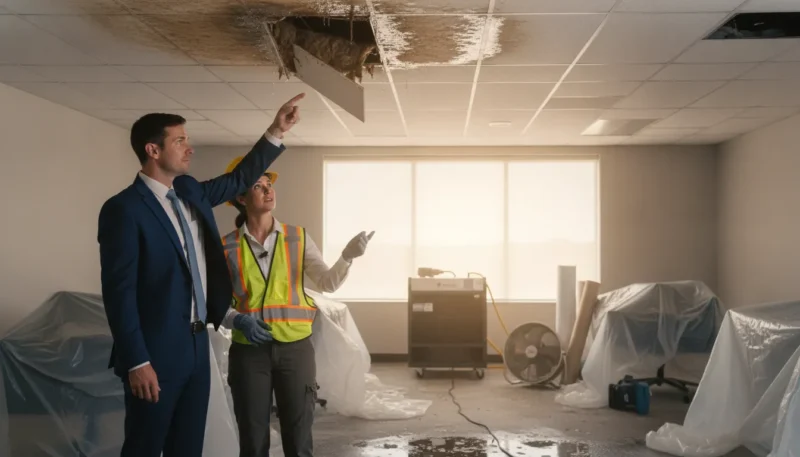
When a Bakersfield business faces water, fire, mold, or another property loss, the right restoration partner should help protect operations as well as the building. Look for a team that understands commercial sites, communicates clearly, documents the work, and can coordinate recovery from the first assessment through reconstruction. If water damage is the immediate concern, learn more about commercial water damage restoration while you evaluate your options.
The best commercial restoration company for your Bakersfield property can show relevant experience and qualified technicians. It should explain its emergency-response process, documentation, insurance-claim support, and plan for minimizing disruption. Ask how the provider will assess the damage, manage communication, protect occupants, and carry the project through reconstruction.
Those questions become easier to answer when you understand what commercial restoration actually includes and how its scope differs from a basic cleanup service.
What Does a Commercial Restoration Company Do?
A commercial restoration company helps businesses recover when water, fire, smoke, mold, sewage, biohazard conditions, or another property loss disrupts operations. The work is broader than drying a room or removing visible debris. It is organized around the building, its contents, its occupants, and the business owner’s need for a controlled path back to normal operations.
Commercial restoration may serve office buildings, retail establishments, restaurants, and industrial facilities. A provider should begin with an assessment of the damage and the conditions that could make it worse. The University of Iowa’s disaster-response service listing identifies damage assessment, loss stabilization and mitigation, restoration planning, and project management as distinct parts of a recovery scope. For a water event, that can include a coordinated commercial water damage restoration plan. Fire losses may require a separate commercial fire damage restoration approach.
After immediate hazards are addressed, the work can move into cleaning, debris removal, odor control, and contents recovery. Contents may need to be packed out, removed, and stored in an environmentally controlled location. The same service listing includes restoration of building structures, contents, fixtures, floors, ceilings, and walls, as well as controlled demolition where damaged materials cannot remain.
Cleaning should also be documented rather than treated as a quick visual pass. The EPA’s structure-cleaning protocol includes pre-cleaning interviews and inspections, commercial-structure procedures, cleaning documentation, and post-cleaning evaluation and sign-off. That framework helps property managers ask what was inspected, what was cleaned, and how completion will be recorded.
Finally, some projects continue through reconstruction. A commercial provider with a single pathway can keep assessment, mitigation, contents, structural work, and project communication connected. That may reduce the need for the business to coordinate every phase independently.
How to Evaluate a Commercial Restoration Company in Bakersfield
| Selection area | Questions to ask |
|---|---|
| Emergency response | Who answers after hours, and how is access coordinated? |
| Documentation | Will you provide photos, moisture mapping, written scope, and completion records? |
| Reconstruction | Who manages the transition from mitigation to rebuilding? |
- Confirm relevant commercial experience. Ask whether the provider regularly works with the type of property you manage, such as an office, retail location, restaurant, or industrial facility. Commercial recovery involves more than removing visible damage. The plan may need to address business continuity, contents, building systems, occupied areas, and coordination with multiple stakeholders. Look for a provider that can explain how it approaches water, fire, mold, sewage, or other loss types without treating every building the same.
- Verify credentials and technical qualifications. Request the names of the technicians or project leaders assigned to the work and ask which credentials apply to the loss. You can verify restoration company credentials and ask how those qualifications shape the assessment, mitigation, cleaning, and restoration plan. Credentials should support a clear process, not replace one.
- Ask how emergency response begins. Find out who answers after hours, how access is coordinated, and what happens during the first site visit. A credible plan should cover initial assessment, loss stabilization, safety considerations, and communication with the property contact. 911 Restoration of Bakersfield states that it offers 24/7 availability and a 45-minute emergency response commitment. Treat those as stated company capabilities and confirm how they apply to your facility, location, and circumstances.
- Require a written scope and documentation plan. Before work expands, ask for the affected areas, proposed mitigation, exclusions, next decisions, and the method for tracking changes. Photo and video documentation, moisture mapping, daily notes, and records of removed or protected contents can help stakeholders understand what was found and what was done. EPA guidance includes pre-cleaning inspection, post-cleaning evaluation and sign-off, and cleaning documentation for commercial structures, so ask how the provider will document completion: EPA structural cleaning protocol.
- Set communication expectations. Identify one project contact, the update frequency, and who must approve changes. Facility managers may need information suitable for owners, tenants, employees, adjusters, and vendors. Ask how urgent findings will be escalated and how work areas, access restrictions, and reopening decisions will be communicated.
- Clarify insurance coordination without assuming coverage. Ask what records the provider supplies, how the project manager communicates with your adjuster, and which decisions remain with your insurer and policyholder. Insurance-claim assistance can make the process easier to organize, but no restoration company can promise claim approval or coverage before the policy and loss are reviewed.
- Discuss the path through reconstruction. Confirm whether the same provider can manage repairs after mitigation, which trades are included, and how the handoff is documented. A single-provider pathway from emergency response through reconstruction may reduce coordination between vendors. Get the repair scope, responsibilities, change process, and estimate based on an individual assessment before authorizing the next phase.
Can the Company Respond to Commercial Emergencies?
When a pipe breaks, a fire affects a tenant space, or another incident interrupts operations. Ask how the provider moves from the first call to a workable recovery plan. A commercial restoration company should explain who receives after-hours calls and how site access is coordinated. Ask what information the team needs from an owner, manager, or designated representative in Bakersfield.
911 Restoration of Bakersfield states that it is available 24/7 and offers a 45-minute emergency response commitment. Treat those as stated company capabilities, not a guarantee that every situation will follow the same path. Before an emergency occurs, ask what the commitment means for your facility, how the service area is defined, and who will communicate if conditions affect access or arrival.
What happens after the first call?
The initial response should do more than send equipment. Ask how the team identifies and controls the source of damage, protects unaffected areas, and assesses the condition of the building and contents. For water loss, that may include determining where moisture traveled. For fire or smoke damage, it may involve securing affected areas and identifying materials that need specialized cleaning. The assessment should lead to a documented scope rather than assumptions made from a brief phone description.
Also ask how the provider will help your business maintain continuity. Can the team coordinate work around customers, tenants, employees, inventory, or production areas? Who provides updates, photos, moisture-mapping information, and next-step decisions? A project manager can help keep restoration oversight and insurance claim navigation organized, while a single-provider pathway from emergency response through reconstruction may reduce handoffs. Discuss these details before selecting a provider, then save the after-hours contact process where your staff can find it.
For local businesses, you can review the company’s commercial restoration services in Bakersfield and compare its stated response process with your facility’s actual needs.
What Documentation and Communication Should You Expect?
A commercial restoration project should be easy to follow, even when the building is not. Before work begins, expect an initial assessment that identifies affected areas, immediate mitigation needs, access limitations, and business priorities. The provider should then explain the written scope, what is included, what requires approval, and how discoveries will be communicated before they change the work.
Ask how the project record will be maintained. Photo and video documentation can show conditions before work, areas opened during mitigation, and progress toward completion. Moisture mapping can help document affected materials and support decisions about drying or further removal. A project manager should remain available to coordinate updates, answer questions, and help organize insurance claim information without promising coverage or approval.
A practical documentation checklist
- Request the initial assessment and written scope in a form your owner, manager, or insurer can review.
- Confirm that photos or video will document affected areas, removed materials, and meaningful milestones.
- Ask whether moisture readings or mapping will be recorded where water damage is involved.
- Set a communication plan: who receives updates, how often updates are shared, and who can approve scope changes.
- Require prompt notice when concealed damage, access issues, or new work may affect the scope.
- Ask for cleaning records, including the areas addressed, methods used, and any remaining recommendations.
Cleaning should also have a defined quality-control process. The EPA structure cleaning protocol includes pre-cleaning interviews and inspections, cleaning documentation, and a post-cleaning evaluation and sign-off. For a commercial facility, that final review gives the responsible parties an opportunity to confirm what was completed, identify open items, and retain a clear project record.
How Are Safety and Occupied Facilities Handled?
A commercial restoration project must protect people while keeping the business moving where conditions allow. In an office, retail store, restaurant, or industrial facility, the restoration team should coordinate work zones. Access routes, operating hours, and daily contacts with the person responsible for the site.
Set clear work zones and communication rules
Before work begins, ask how damaged areas will be separated from occupied areas and how employees, customers, vendors, and contractors will be directed around the site. A practical plan identifies restricted rooms, safe entry points, equipment locations, and the person who can approve access changes. It should also address contents. The University of Iowa’s disaster-response scope includes appropriate contents recovery, pack-out, removal, and storage in environmentally controlled locations. That may help a facility protect equipment, inventory, furniture, and records while restoration proceeds.
Operations leaders should receive clear updates when the work zone changes, when utilities or access are affected, and when a room is ready for review. A restoration provider may also need to coordinate with building management, safety personnel, and department supervisors so cleaning, mitigation, and business operations do not work at cross-purposes.
Focus cleaning on the surfaces people use
The EPA distinguishes high-contact surfaces as areas that receive frequent human contact, including handles, doorknobs, push plates, handrails, light switches, desktops, chairs, tables, and counters. These surfaces deserve deliberate attention in occupied facilities. Floors, walls, ceilings, and other lower-contact areas still require an appropriate plan, but the cleaning sequence should reflect how people use each space.
The EPA protocol includes pre-cleaning interviews and inspections, separate guidance for commercial structures and different material types, cleaning documentation, and a post-cleaning evaluation with sign-off. Those steps give facility leaders a basis for reviewing what was assessed, what was cleaned, and what remains restricted.
Consider containment, contents, and HVAC systems
Containment decisions should match the affected materials, the work being performed, and the building’s operations. Ask how dust, odors, debris, and movement through adjacent spaces will be managed. HVAC cleaning and restoration appear in the University of Iowa service listing, so ventilation should be discussed when damage, odor, or restoration activity could involve air-handling equipment. A coordinated plan helps the commercial restoration company protect the work area without losing sight of the facility’s daily responsibilities.
Review the EPA structure cleaning protocol for the documented inspection, cleaning, and sign-off framework.
Will the Provider Coordinate Insurance and Reconstruction?
Commercial property damage often creates two connected projects: stopping the immediate damage and restoring the building for normal operations. When evaluating a commercial restoration company, ask whether one team can coordinate both phases while keeping your carrier, property stakeholders, and business leadership informed. Coordination can simplify communication, but it does not guarantee insurance coverage, claim approval, or payment for every item.
Ask how the claim and scope will be documented
A capable provider should explain what information it will collect before work begins and how changes will be recorded. Ask whether the team provides photos and video, moisture mapping, a written scope of work, and regular project updates. These records can help your business and insurance professionals understand what happened, what mitigation addressed, and what reconstruction may require. The provider should also explain which decisions require your authorization and how unexpected conditions will be communicated.
Project managers can assist with restoration oversight and insurance claim navigation, but they cannot decide what your policy covers. Review policy questions with your carrier or insurance representative, and request clear explanations of any work that falls outside the approved scope. A professional process distinguishes emergency mitigation from rebuilding rather than treating them as one undocumented charge.
Confirm who manages the transition to rebuilding
Ask whether the same provider can coordinate reconstruction after water, fire, or another covered event, and who remains your primary point of contact. A single-provider pathway from emergency response through reconstruction may reduce handoffs between contractors. It can also make it easier to preserve the project history, including initial findings, drying records, approved changes, and completed work.
For water-related losses, review the company’s commercial water damage restoration scope. If fire or smoke affected the facility, see its commercial fire damage restoration services. For the rebuilding phase, its property damage reconstruction planning resource can help you identify questions about scope, communication, and project ownership before authorizing work.
Questions to Ask Before Hiring a Commercial Restoration Company
For a business, the right provider must do more than remove damaged materials. The team should understand how the property operates, who needs updates, and what must happen to keep employees, customers, tenants, and vendors informed. Ask questions that reveal whether the company can support continuity from the first assessment through reconstruction.
- What commercial properties and loss types do you regularly handle? Ask about experience with facilities similar to yours, including offices, retail locations, restaurants, or industrial sites. Confirm that the provider can address the kind of damage involved rather than treating every project like a residential job.
- Who will assess the site and manage the project? Learn who will document the initial condition, define the scope, coordinate crews, and remain accountable for decisions. A named project manager can make communication easier when several stakeholders are involved.
- How will you communicate while the facility is occupied or partially operating? Ask how often you will receive updates, who your point of contact will be, and how the team will coordinate with employees, tenants, security, landlords, and other vendors. Discuss access rules, work zones, sensitive areas, and any operational restrictions before work begins.
- What documentation will we receive? Ask whether the company provides photographs or video, moisture mapping where relevant, written scope details, change documentation, and completion records. The EPA protocol includes pre-cleaning inspection, post-cleaning evaluation and sign-off, and cleaning documentation for commercial structures: review the EPA structure cleaning protocol.
- How do you coordinate with our insurer and other contractors? Clarify what insurance-claim assistance means, which records you should provide, and which responsibilities remain with your property team. Ask how the provider will coordinate with plumbers, electricians, facility staff, or specialty vendors.
- Can you handle reconstruction after mitigation? A single-provider pathway from emergency response through reconstruction may reduce handoffs. Ask who plans the rebuild, how approvals are documented, and how property reconstruction planning will be coordinated with your operations.
Frequently Asked Questions
What should a business ask before hiring a commercial restoration company?
Ask whether the provider handles your type of facility, what emergencies it responds to, which credentials its technicians hold, and how it documents the work. Also ask who will manage the project, how updates will be shared, and whether the team can coordinate mitigation, cleaning, and reconstruction.
Can a restoration company help with an insurance claim?
Some providers assist with insurance-claim documentation and navigation. This may include photos, videos, moisture mapping, written scopes, and progress records. Ask what documentation the company supplies and remember that your policy and insurer determine coverage and claim outcomes.
How quickly should a commercial restoration company respond?
Ask whether the company offers 24/7 emergency availability, how it handles after-hours access, and what information it needs to assess the loss. A provider may state a response commitment, but actual arrival depends on the incident, location, access, and current conditions, so confirm the process directly.
Can one provider manage restoration through reconstruction?
Yes, some restoration providers offer a coordinated path from emergency response and damage assessment through cleaning, mitigation, and reconstruction. Confirm which services are performed by the provider, who oversees subcontractors if any are used, and how the project scope changes as hidden damage is identified.
Contact Us to Discuss Your Commercial Restoration Needs
Choosing a restoration partner before an emergency can help your team clarify communication, documentation, and recovery expectations. Contact 911 Restoration of Bakersfield at (661) 220-7584 to discuss your facility, review your concerns, and determine the next practical step. Contact us through the verified form to talk with the team about your commercial restoration needs and request an assessment.
