A Guide to Commercial Water Damage Restoration
A musty smell in the breakroom or a small, discolored spot on a ceiling tile can be easy to ignore. But these subtle signs are often the first warnings of a much larger water problem hiding behind your walls or above your ceilings. For a business, catching these issues early is the key to preventing a catastrophe that could shut down your operations and lead to expensive repairs. This article is your guide to becoming proactive about water intrusion. We’ll teach you how to spot the early red flags, understand the common causes, and know when to call for professional commercial water damage restoration before a small issue becomes a major disaster.
Key Takeaways
- Act Fast to Minimize Damage and Costs: Calling for professional help the moment you find water is the single best way to limit business interruption, prevent structural issues, and stop mold growth, which directly controls your final restoration expenses.
- Know the Early Warning Signs: Many serious water issues start small, so regularly check for subtle clues like wall discoloration, musty smells, warped flooring, or an unexplained spike in your water bill to catch problems before they escalate.
- Choose a Certified, Comprehensive Partner: Your recovery depends on your choice of partner, so look for an IICRC-certified company that guarantees a rapid 24/7 response, offers full-service restoration from cleanup to repairs, and provides direct assistance with insurance claims.
What Is Commercial Water Damage Restoration?
When water invades your business, it’s more than just a mess. It’s a threat to your property, your inventory, and your ability to operate. Commercial water damage restoration is a professional service designed to address these large-scale issues. It’s not simply about cleaning up water; it’s a comprehensive process that involves extracting water, drying structures, sanitizing the area, and repairing the damage to get your business back on its feet.
Unlike a small leak at home, water damage in a commercial setting presents unique challenges. The scale is often larger, the materials more complex, and the stakes much higher. Every hour your doors are closed means lost revenue and potential damage to your reputation. That’s why a specialized approach to commercial restoration is so critical. It requires industrial-grade equipment, certified expertise, and a strategic plan to minimize downtime and prevent long-term problems like structural weakness and mold growth.
Why Your Business Can’t Ignore Water Damage
Ignoring even a small amount of water damage is a risk your business can’t afford to take. Beyond the visible mess, water quietly seeps into floors, walls, and insulation, creating the perfect environment for mold to grow and compromising your building’s structural integrity. For a business, the consequences are immediate. Operations can grind to a halt, expensive equipment can be ruined, and inventory can be lost in an instant.
The longer water sits, the more hazardous it becomes. What starts as clean water can quickly become contaminated with bacteria, creating an unsafe environment for your employees and customers. Prompt water damage restoration is essential to protect not only your property but also the health of everyone who walks through your doors. Acting fast stops the damage from spreading and gets you back to business sooner.
The Real Cost of Delayed Action
Hesitating to call for professional help can turn a manageable problem into a financial disaster. The initial cost of the damage is only the beginning. As water saturates building materials, the repairs become more extensive and expensive. A simple drying job can escalate into a full-blown reconstruction project, complete with replacing drywall, flooring, and electrical systems.
Even more significant is the cost of downtime. Every day your business is closed for repairs, you’re losing revenue while your operating expenses continue to add up. A delay of just a few days can also lead to a serious mold infestation, which requires its own specialized and costly remediation process. The real cost of delayed action isn’t just the repair bill; it’s the compounding financial impact that can threaten the future of your business.
What Causes Water Damage in Commercial Buildings?
Water damage in a commercial building isn’t always as dramatic as a flood. It can start from a hidden leak or a simple system failure, but the consequences are just as serious. Understanding the common culprits is the first step in protecting your property, your employees, and your bottom line. Whether it’s a sudden disaster or a slow-developing problem, knowing where to look can help you act fast. Let’s walk through the four most frequent causes of commercial water damage and what they mean for your business.
Plumbing Failures and Pipe Bursts
From small, persistent drips behind a wall to a sudden pipe burst that floods an entire floor, plumbing failures are a primary source of water damage. Aging pipes, high water pressure, or even simple clogs can lead to disaster. These incidents can disrupt your operations, damage expensive equipment, and ruin inventory. Even a minor leak can saturate drywall and create a perfect environment for mold to grow. Regular inspections can help, but when a pipe does fail, immediate professional water damage restoration is critical to minimize downtime and prevent further structural issues.
Roof Leaks and Storm Damage
Your building’s roof is its first line of defense against the elements. Over time, exposure to sun, wind, and rain can wear it down, leading to cracks and weak spots. A single storm can turn a minor issue into a major leak, allowing water to seep into your attic, ceilings, and walls. This can compromise the building’s structural integrity and lead to widespread damage. It’s important to address roof leaks immediately, as even a small amount of water can cause significant problems if left unchecked, including serious mold infestations that require professional attention.
HVAC System Malfunctions
It’s easy to forget that your heating, ventilation, and air conditioning (HVAC) system is a common source of water damage. These units produce condensation as they operate, which is normally drained away. However, if a drain line becomes clogged or the unit malfunctions, water can overflow and leak into your ceilings, floors, and walls. Because HVAC units are often tucked away in closets or on the roof, these leaks can go unnoticed for a long time, causing silent but steady damage to your property.
Sewage Backups and Flooding
A sewage backup is one of the most hazardous types of water damage a commercial property can face. Whether caused by a blockage in the municipal sewer line or an internal plumbing issue, the resulting flood contains harmful bacteria, viruses, and other contaminants. This “black water” poses a serious health risk to anyone exposed to it and requires immediate, specialized cleanup. Immediate repair is essential, as standing water becomes more contaminated the longer it sits. Never attempt to handle a sewage backup cleanup on your own; it requires certified professionals with the right protective gear and sanitation equipment.
What to Expect from the Commercial Restoration Process
When your business is hit with water damage, knowing what comes next can bring a sense of control during a chaotic time. The initial shock can be overwhelming, but a professional restoration process isn’t just about cleanup; it’s a systematic approach to get your property back to its pre-damage state safely and efficiently. From the moment our team arrives, we follow a clear, multi-step plan designed to minimize downtime and prevent long-term problems. We handle every detail, from the initial assessment to the final repairs, so you can focus on running your business, not managing a construction project.
The entire journey is managed by IICRC-certified technicians who understand the science behind water removal and drying. We begin with a free visual inspection to assess the extent of the damage and create a tailored action plan. This ensures every step is targeted and effective. Our goal is to provide a complete commercial restoration service that not only fixes the immediate issue but also protects your property from future complications like structural weakness or mold. With a team ready to respond 24/7, we start this process the moment you call, giving you a clear path forward from the very beginning.
Step 1: Water Extraction and Removal
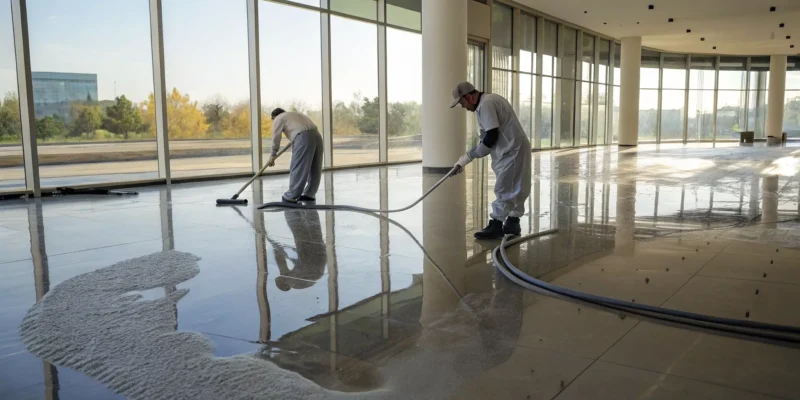
The first and most urgent step is to remove all standing water. The longer water sits, the more damage it causes to your building’s structure and the greater the risk of contamination becomes. Our team uses powerful, truck-mounted pumps and commercial-grade vacuums to extract thousands of gallons of water quickly. This immediate action is the foundation of the entire water damage restoration process. By removing the bulk of the water right away, we can significantly reduce drying time and prevent secondary damage from spreading to unaffected areas of your property.
Step 2: Structural Drying and Dehumidification
Once the standing water is gone, the real drying begins. Water easily seeps into porous materials like drywall, wood flooring, and insulation, creating hidden pockets of moisture. We use industrial-strength air movers and dehumidifiers to target this trapped water. These tools create airflow across walls, carpets, and furniture to accelerate evaporation while dehumidifiers pull that moisture out of the air. Our technicians carefully monitor moisture levels with specialized meters to ensure every corner of your property is completely dry, which is essential for preventing warping, swelling, and structural decay.
Step 3: Mold Remediation
Where there’s water, there’s a risk of mold, which can start growing in as little as 24 to 48 hours. Because mold can cause health issues and further damage your property, addressing it is a critical part of the restoration process. Our technicians are trained to spot the early signs of mold growth. If we find any, we immediately contain the area to prevent spores from spreading. Our professional mold removal service involves safely cleaning and sanitizing the affected surfaces, ensuring your commercial space is clean, safe, and healthy for your employees and customers.
Step 4: Repairs and Reconstruction
The final step is to repair and rebuild any parts of your property that were damaged. This could be as simple as replacing a few sections of drywall and repainting, or it could involve more extensive reconstruction like laying new flooring or rebuilding walls. As a full-service restoration company, we handle these repairs for you. You won’t have to juggle multiple contractors to get your business back to normal. Our team manages the entire disaster restoration from start to finish, ensuring a seamless transition from cleanup to a fully restored and operational business.
How to Spot Early Signs of Water Damage
Catching water damage early can save you from a world of headaches, from expensive repairs to business interruptions. While a burst pipe is impossible to miss, some of the most destructive water issues start small and stay hidden. The key is to know what to look for before a minor problem becomes a major catastrophe.
Think of yourself as a detective for your property. Regularly scanning for subtle changes can make all the difference. These signs often appear long before you see any actual standing water, giving you a critical head start. Pay attention to unusual stains, strange smells, or changes in your building’s materials. Keeping an eye out for these early warnings helps you protect your investment and maintain a safe environment for your family, employees, or tenants. Below are the most common red flags that point to hidden water damage.
Wall and Ceiling Discoloration
One of the most common tell-tale signs of a leak is discoloration on your walls or ceilings. These stains often look like yellowish-brown splotches that may grow larger or darker over time. You might notice them in the corner of a room, beneath an upstairs bathroom, or spreading out from light fixtures. This is a clear indicator that water is seeping in from a leaky pipe, a damaged roof, or a faulty appliance. Along with stains, you might see paint that is bubbling, cracking, or peeling. It’s tempting to just cover it with a fresh coat of paint, but that only hides the problem. You need to address the source of the moisture to prevent further water damage restoration needs.
Warped Floors and Peeling Paint
Water and building materials don’t mix. When moisture seeps into floors, it can cause them to warp, buckle, or feel soft and spongy underfoot. Hardwood or laminate flooring might start to cup at the edges, while vinyl or linoleum can begin to peel up. Pay attention to your baseboards, too; they might start to swell or pull away from the wall. As one report on commercial property damage notes, the “warping or discoloration of building materials” is a key sign of a hidden water issue. If you notice these changes in your flooring or walls, it’s a strong signal that moisture is present where it shouldn’t be, making it crucial to act before structural integrity is compromised, especially in a commercial restoration setting.
Musty Odors and Visible Mold
Your nose often knows before your eyes do. If you consistently notice a damp, musty, or earthy smell in a specific area, it’s a major red flag for hidden moisture. This odor is produced by microbial growth, which means mold might already be developing behind your walls or under your floors. Visible mold is an even more urgent sign. It can appear as black, green, or white specks and often grows in damp, dark places like bathrooms, basements, or utility closets. Since excess moisture can lead to mold growth, it’s important to address any musty smells or visible spots immediately to protect both your property and the health of anyone inside.
Sudden Spikes in Your Water Bill
Sometimes, the first sign of a leak doesn’t appear on a wall but in your mailbox. If your water bill suddenly skyrockets without a change in your usage habits, you likely have a hidden leak somewhere in your plumbing system. A running toilet or a dripping faucet can waste a surprising amount of water, but a significant spike often points to a more serious leak within your walls or under your foundation. Ignoring it not only wastes money but also allows water to cause slow, continuous damage to your property’s structure. Taking action at the first sign of an unexplained bill increase can prevent a small leak from turning into a full-blown disaster restoration project.
Breaking Down the Cost of Commercial Restoration
When your business is hit with water damage, one of the first questions you’ll have is, “How much will this cost?” The answer isn’t always straightforward, as the final price depends on several factors. Understanding these variables can help you manage expectations and make informed decisions during a stressful time. The cost of commercial restoration is more than just a line item on a budget; it’s an investment in getting your business back on its feet quickly and safely. As the Mahoney Group notes, “Water damage can disrupt operations, ruin property, and eat away at profits.” While it’s impossible to give a flat rate without an assessment, we can break down what goes into the estimate, how insurance plays a role, and what you can do to keep costs down.
What Influences the Final Cost?
The total cost of restoration is determined by the unique circumstances of the water damage event. The most significant factor is the extent of the damage. A small leak contained in one room will cost less to repair than a major pipe burst that floods multiple floors. The type of water also matters; clean water from a supply line is easier to handle than contaminated “gray” or “black” water from a sewage backup. Other key factors include the size of the affected area, the materials that need to be dried or replaced (like drywall, flooring, and insulation), and the amount of equipment required for the job.
Will Your Insurance Cover Water Damage?
Most commercial property insurance policies cover damage from sudden and accidental events, like a burst pipe or a malfunctioning appliance. However, as Water Damage Inc. explains, “Insurance coverage varies… [it] usually covers sudden water damage… but not damage from long-term neglect or floods.” It’s a good idea to review your policy now so you know what to expect. A professional restoration partner can document the damage thoroughly and work directly with your insurance provider to streamline the claims process for your water damage restoration. This support can be invaluable when you’re focused on keeping your business running.
How to Minimize Out-of-Pocket Expenses
The single best way to control costs is to act fast. As experts at BELFOR USA point out, “Immediate repair is essential, as standing water becomes more contaminated the longer it sits.” The moment you spot water damage, your first call should be to an emergency restoration service. Quick action minimizes the spread of water, prevents secondary damage, and reduces the risk of dangerous mold removal needs later on. A rapid response not only saves damaged materials and reduces repair costs but also gets your business back to normal operations sooner, protecting your bottom line.
How to Choose the Right Commercial Restoration Partner
When your business is hit by water damage, the partner you choose to handle the cleanup can make all the difference. You need a team that not only fixes the immediate problem but also helps you get back to business quickly and smoothly. Finding the right fit means looking beyond a simple price quote. It’s about finding a reliable, experienced, and comprehensive partner who understands the stakes. A disaster can feel overwhelming, but selecting a professional team gives you a clear path forward. They will manage the chaos so you can concentrate on your employees, your customers, and your bottom line. The right team acts as your advocate, from the first emergency call to the final walkthrough. They bring the right equipment, the right expertise, and the right attitude to a stressful situation. This isn’t just about cleanup; it’s about recovery and resilience for your business. Making a smart choice now will save you headaches, time, and money later. Here are five key things to look for when making your decision.
Verify Certifications and Experience
Before you hire anyone, check their credentials. Look for a team whose technicians are certified by the Institute of Inspection, Cleaning and Restoration Certification (IICRC). This certification is the industry gold standard, and it means the crew is trained in the latest, most effective techniques for handling water damage and mold. An experienced, certified team knows how to properly dry your property, prevent secondary damage, and ensure the job is done right the first time. Don’t be afraid to ask a potential partner about their team’s training and certifications; a reputable company will be proud to share them.
Confirm 24/7 Availability and Rapid Response
Water damage doesn’t stick to a 9-to-5 schedule, and your restoration partner shouldn’t either. Water can quickly seep into walls, floors, and inventory, leading to more extensive damage and potential mold growth the longer it sits. You need a company that offers a true 24/7 emergency response and can guarantee a fast arrival time. A rapid response is crucial for minimizing business interruption and keeping restoration costs down. When every minute counts, having a team that can be on-site immediately provides invaluable peace of mind and protects your property from further harm.
Ask About Direct Insurance Billing
Dealing with the aftermath of property damage is stressful enough without having to manage a complicated insurance claim. A top-tier restoration partner will offer to handle the insurance process for you. Ask if they provide direct insurance billing and can communicate with your provider on your behalf. This service is a game-changer, as it takes a huge administrative burden off your shoulders. A team that is experienced in working with insurance companies can help document the damage correctly and streamline the claims process, allowing you to focus on running your business.
Ensure They Offer Comprehensive Services
Water damage often leads to other issues, like mold contamination or structural problems. The last thing you want is to juggle multiple contractors for one disaster. Look for a partner that provides comprehensive services, from initial water extraction and drying to mold remediation and full-scale repairs. A company that can manage the entire project from start to finish ensures a seamless and efficient recovery. This integrated approach saves you time, reduces coordination headaches, and guarantees that every aspect of the restoration is handled by a single, accountable team.
Find a Partner for Future Prevention
A great restoration company doesn’t just fix the current problem; they help you prevent future ones. During the restoration process, a skilled team can identify vulnerabilities in your property, such as aging plumbing or poor drainage, that could lead to another disaster down the road. Choose a partner who takes the time to offer advice and solutions for future prevention. This proactive approach shows they are invested in the long-term health of your property, not just in completing a one-time job. This kind of partnership can save you significant money and stress in the future.
Frequently Asked Questions
Can my own staff handle a minor water leak, or do I really need to call professionals? It’s tempting to manage small cleanups in-house, but it’s a risky move for a business. Water hides in places your staff can’t see or reach, like inside walls or under flooring. Without industrial drying equipment, that hidden moisture can lead to structural rot and mold, which create bigger, more expensive problems down the road. Professional technicians use specialized tools to find and eliminate all moisture, ensuring the job is done completely and protecting you from future liability.
Will my business have to close down completely while you work? This is a major concern for every business owner, and our goal is always to minimize your downtime. For many situations, a complete shutdown isn’t necessary. Our team is skilled at containing the work area, sectioning off the affected space so that other parts of your business can remain operational. We work efficiently and strategically to get your property restored as quickly as possible so you can get back to full capacity.
What’s the process with insurance? Do I have to pay for everything out of pocket first? Dealing with insurance claims can be a headache, so we take that burden off your plate. You do not have to pay for the full cost upfront. We offer direct insurance billing, which means we communicate with your provider and bill them for the covered services. Our team documents all the damage and the restoration work, providing the necessary paperwork to help streamline your claim and let you focus on your business.
How soon does mold become a problem, and is that part of your service? Mold can begin to grow in as little as 24 to 48 hours after a water incident, which is why a rapid response is so important. And yes, mold remediation is a core part of our water damage restoration process. Our IICRC-certified technicians are trained to identify and safely address any mold growth we find. We contain the area to prevent spores from spreading and use professional techniques to clean and sanitize the space, ensuring a healthy environment for your employees and customers.
What’s the most important thing to look for when hiring a restoration company in an emergency? When you’re in a crisis, two things matter most: certified expertise and speed. First, make sure the company’s technicians are IICRC-certified. This certification guarantees they are trained in the proper, industry-standard methods for restoration. Second, confirm they offer a true 24/7 emergency service with a fast arrival time. The quicker a professional team gets on-site, the more damage they can prevent, which ultimately saves you time and money.
