Black Mold Removal Services: What to Expect
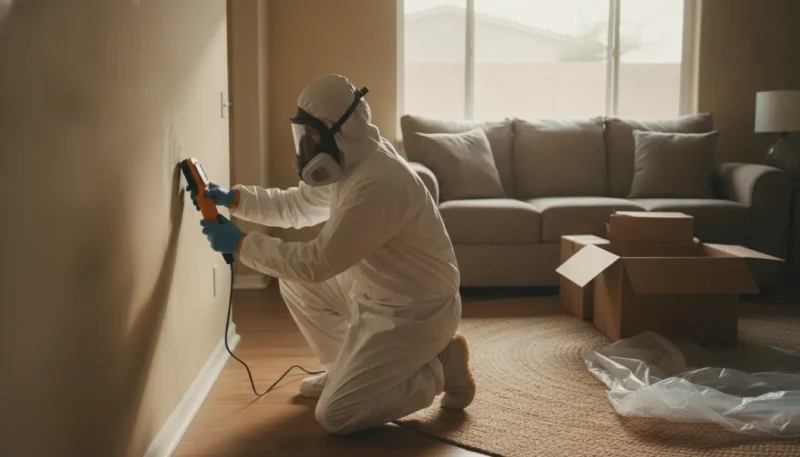
Dark growth on a wall can be unsettling, but appearance alone cannot identify a mold species or show how hazardous it is. A careful response starts with evidence: where moisture is present, how far contamination may extend, and whether building materials or air-handling equipment could spread it.
Request a professional mold assessment for your property
Professional black mold removal services should include inspection, controlled containment, correction of the moisture source, safe removal or cleaning, thorough drying, and verification before repairs are completed. The CDC notes that mold color does not necessarily indicate that it is more or less dangerous. Visual inspection and musty odors can be more useful for identifying dampness than routine air sampling, according to CDC/NIOSH guidance.
For Bakersfield and Kern County property owners, this evidence-led approach keeps the work focused on the actual conditions rather than assumptions based on color or a single test. The next step is understanding what a professional service evaluates and why each part of the process matters.
What Black Mold Removal Services Include
Professional black mold removal services begin with an inspection, not a conclusion based on appearance. Dark coloring alone does not identify a mold species or show whether it is more or less dangerous. The work should instead establish where moisture is present, how far the affected area extends, and which materials may need attention. The CDC notes that excess moisture is generally the major cause of indoor mold growth, so identifying the water or dampness problem is central to a useful response.
A typical assessment may include a visual review, moisture measurements, and tools such as thermal imaging. Musty odors and visible conditions can provide important clues. Routine air sampling is not recommended by CDC/NIOSH for building air-quality evaluations, and short-term sample results cannot be interpreted as a measure of health risk. Testing may still be considered when the situation calls for additional information, but it is not a substitute for understanding the building and its moisture conditions.
| Stage | Primary question | Typical evidence |
|---|---|---|
| Inspection | Where is moisture or growth present? | Visual findings, moisture readings, and documented scope |
| Containment | How will the work zone be isolated? | Barriers, airflow controls, and HEPA filtration |
| Removal and cleaning | What can be cleaned and what must be removed? | Material assessment, disposal records, and cleaning notes |
| Drying and verification | Is the area ready for reconstruction? | Moisture documentation, visual review, and applicable clearance results |
Once the scope is understood, the work may include controlled containment to limit cross-contamination, negative pressure, and HEPA filtration. Materials and equipment are selected according to the location and condition of the growth. Porous materials with visible mold growth or water damage, such as drywall, insulation, or carpeting, may require removal. Hard surfaces may be cleaned using an appropriate method. Antimicrobial treatment can be part of a documented process, but coatings should not substitute for removing contaminated materials when removal is necessary.
Source correction and drying are equally important. EPA guidance identifies moisture control as the key to controlling indoor mold and recommends fixing water problems promptly. A complete service may therefore involve moisture control, drying, cleaning, safe disposal, and prevention planning rather than simply treating a visible spot. The customer-approved process at professional mold removal services in Bakersfield can include these assessment and remediation steps as appropriate to the property.
Verification provides the final check. Professionals can review whether affected areas are visibly clean and dry before reconstruction, with clearance or third-party testing considered when appropriate. The goal is a documented, evidence-led response to the moisture and materials involved, not a promise that every mold spore can be eliminated from the indoor environment.
How Professionals Inspect a Suspected Mold Problem
A professional inspection starts with evidence, not a conclusion based on a photograph or a patch of dark growth. Mold color alone does not identify a species or show whether it is more or less dangerous. Visual appearance is a reason to investigate, not a diagnosis.
Looking for visible growth, odor, and moisture
The inspector examines accessible surfaces, nearby building materials, and areas where water may have traveled. Musty odors can point toward damp materials or hidden growth, even when the source is not immediately visible. The goal is to understand the conditions supporting the concern, including leaks, condensation, flooding, or trapped moisture behind walls and under flooring.
Moisture mapping adds useful context. Technicians may use moisture meters to compare readings across floors, walls, ceilings, and other materials. These readings help identify wet areas that need drying or closer evaluation. The customer-approved inspection process may also use thermal imaging to locate temperature patterns associated with concealed moisture. Thermal images do not identify mold by themselves, so they are interpreted alongside visual findings, odor, construction details, and moisture readings.
Why routine air sampling is not always recommended
Air sampling can be appropriate in selected situations, but it is not an automatic requirement for every suspected mold problem. CDC and NIOSH do not recommend routine mold air sampling for building air-quality evaluations. Their guidance notes that thorough visual inspection and musty-odor detection can be more reliable for assessing dampness than air sampling. Short-term sample results, especially negative results, may not represent actual exposure, and spore counts cannot be interpreted as health-risk measurements. See the CDC/NIOSH mold testing guidance for the limitations of these tests.
When testing would help answer a specific question, a professional can explain the purpose, method, and limits before samples are collected. That keeps the assessment focused on practical decisions: finding the moisture source, determining the affected area, and selecting an appropriate remediation plan.
How Containment Protects the Rest of the Property
Containment creates a controlled work environment around the affected area. Its purpose is to limit cross-contamination while materials are inspected, removed, and cleaned. A professional crew may use isolation barriers, negative air pressure, and HEPA filtration as engineering controls to help keep disturbed particles from moving into adjacent rooms. The approach is adjusted to the location, extent of growth, building layout, and moisture conditions rather than applied as a one-size-fits-all setup.
Plastic barriers separate the work zone from occupied areas and help define where equipment and waste should move. Negative-air machines manage airflow toward the contained area instead of allowing it to drift outward. HEPA filtration captures fine airborne particles as air is cleaned. These controls work together with careful work practices, not as a substitute for finding the moisture source or determining which materials need removal. The National Association of Mold Remediators and Inspectors describes containment as a controlled environment intended to prevent cross-contamination and identifies negative pressure. HEPA filtration, and isolation barriers as useful engineering controls.
HVAC systems require particular caution. If suspected contamination is connected to heating, ventilation, or air-conditioning equipment, operating the system may distribute mold through the building. The EPA advises taking HVAC concerns seriously and using professional guidance when contamination may involve the system. A technician may recommend isolating affected components or adjusting the work plan after inspection.
Technicians also use personal protective equipment appropriate to the work, such as gloves, eye protection, and respirators. The CDC recommends protective measures for mold cleanup and says people with allergies, immune suppression, underlying lung disease, asthma, or COPD should not participate in cleanup. Keep occupants, children, and pets out of the contained area, and do not enter to move materials or disturb barriers. If the suspected growth is extensive or involves damaged building materials, contact a qualified professional rather than attempting to reproduce commercial containment procedures yourself.
How Moisture Source Correction Stops Recurrence
Removing visible growth is only part of the work when moisture remains in the building. Indoor mold needs moisture and a carbon source from building materials to grow, and excess moisture is generally the major cause of indoor mold growth. That moisture may come from a supply-line leak, roof intrusion, plumbing failure, AC condensation, or a slow bathroom leak that has gone unnoticed.
A complete assessment also considers less obvious locations. HVAC equipment or ductwork can be affected by condensation, while crawl spaces and attics may hold damp insulation or poorly ventilated air. Moisture can also remain behind walls, above ceilings, or beneath flooring after a spill or water event. Thermal imaging and moisture meters can help locate patterns that are not visible on the surface. When the source involves a broader water intrusion, water damage restoration may be part of the corrective work.
Repair the source before rebuilding
EPA guidance emphasizes fixing the water problem and drying water-damaged areas and items completely. It notes that drying within 24 to 48 hours can help prevent mold growth after water damage. But that guidance is not a promise that every property or project follows the same timeline. The right response depends on how long materials were wet, what was affected, and whether moisture is still entering the space.
Source correction may involve repairing a leak, addressing condensation, improving drainage or ventilation, correcting an HVAC issue, or removing wet materials that cannot be dried effectively. Simply painting over discoloration or applying a treatment while the underlying source continues can leave conditions favorable for new growth.
- Identify and stop the active water or moisture source.
- Measure affected materials and determine what needs controlled drying.
- Remove or clean materials according to their condition.
- Confirm dryness and address prevention before reconstruction.
Set realistic prevention goals
Drying and cleaning should be followed by moisture control and a check of the affected areas before reconstruction. EPA explains that indoor mold growth can be controlled by controlling indoor moisture, but it is impossible to eliminate all mold and mold spores from the indoor environment. That makes prevention a practical goal, not a claim that every spore can be removed. If visible growth returns, a musty odor persists, or moisture readings remain elevated, the property may need another assessment rather than another surface cleaning.
What Gets Removed, Cleaned, and Dried
The treatment plan depends on where growth is found, how deeply moisture has affected the material, and whether the surface can be safely cleaned. That is why a professional assessment guides the scope instead of assuming that every dark mark requires the same response.
Porous materials may need removal
Materials that absorb water and have visible growth or water damage may not be restorable. Drywall, insulation, carpeting, and similar porous items can hold contamination below the surface. When removal is appropriate, the affected material is isolated, handled with protective equipment, bagged, and disposed of in a controlled manner. The goal is not to preserve a damaged material at all costs. It is to remove what cannot be reliably cleaned while limiting the spread of debris.
Hard surfaces are assessed for cleaning
Nonporous or semi-porous surfaces may be cleaned using a combination of HEPA filtration, HEPA vacuuming, damp cleaning, and other approved process steps. HEPA equipment helps capture fine particles during controlled work, while damp cleaning removes residue from surfaces without unnecessarily sending dust into the air. 911 Restoration of Bakersfield also lists antimicrobial treatment as part of its mold-remediation process when appropriate. Treatment is not a substitute for removing contaminated porous materials, and the method should match the material and the condition found.
Technicians use protective gloves, eye protection, and respiratory controls appropriate to the work. CDC guidance warns against touching moldy items with bare hands and against mixing bleach with ammonia or another cleanser. These precautions are one reason professional black mold removal services should be based on an assessment rather than an improvised cleaning routine.
Drying comes before reconstruction
Cleaning visible growth does not solve the problem if moisture remains. The team must address the source, dry affected areas and contents, and confirm that conditions are suitable before reconstruction. Drying may involve moisture monitoring, air movement, and dehumidification, depending on the building and the source of water. Cosmetic staining can remain even after a surface is clean and dry, so a stained finish does not automatically mean active contamination. Conversely, repainting or replacing a finish before the material is dry can conceal an unresolved problem. Clear documentation of what was removed, what was cleaned, and what was dried helps set practical expectations for the next restoration decision.
How Verification Confirms the Work Is Complete
Completion should be based on documented conditions, not simply on whether the darkest visible area has been removed. A careful closeout checks the treated space, confirms that the moisture problem has been addressed, and records what happens before walls, ceilings, or other materials are rebuilt.
Visual review comes first
The remediator should walk through the work area and look for remaining visible growth, dust, debris, moisture damage, or signs that containment was not maintained. Surfaces should be clean and dry before reconstruction begins. Ask the company to identify which rooms and materials were inspected, what was removed, and whether any areas remain inaccessible or require additional evaluation.
This review is not a promise that every mold spore has been eliminated. The EPA explains that it is impossible to remove all mold and mold spores from an indoor environment. The practical goal is to correct the moisture source, remove or clean affected materials as appropriate. And leave the area in a condition that meets the documented remediation objectives.
Dryness should be documented before rebuilding
Reconstruction can hide a continuing problem if wet framing, drywall edges, insulation, or other building materials are covered too soon. Ask for moisture readings or other documentation showing that affected materials reached the dryness standard used for the project. If readings remain elevated, the next step may be additional drying or investigation rather than closing the wall.
Dryness matters because indoor mold growth depends on moisture and building materials. A clean-looking surface is not enough if a leak, condensation issue, or concealed damp area remains unresolved. Where the source or extent cannot be determined visually, an independent assessor or indoor environmental professional may be appropriate.
Testing may be useful, but it is not automatic
Air sampling or post-remediation clearance testing can be considered when the project protocol, building owner, insurer, or an independent professional calls for it. Routine sampling is not necessary for every situation, and short-term results do not by themselves establish a health-risk level. If testing is performed, ask who selected the samples, where they were collected, and whether an independent party conducted the verification.
One important question is whether the person who designed the remediation is also performing the final verification. NAMRI states that a remediator who writes the protocol should not perform post-remediation verification unless legally permitted and disclosed in writing. Request the final report, photographs, moisture documentation, material-disposal records, and any laboratory or clearance results that apply to your project.
When to Call for Black Mold Removal Services
Professional help is appropriate when mold keeps returning, spreads beyond a small easy-to-isolate area, or appears on porous materials such as drywall, insulation, carpet, or ceiling tile. These materials can hold moisture and contamination below the visible surface. The Environmental Protection Agency also points homeowners toward professional guidance when growth covers more than about 10 square feet or follows substantial water damage. EPA mold cleanup guidance can help you understand why the size and source of the problem matter.
Call for an assessment when you notice a persistent musty odor but cannot locate the source. Hidden moisture behind a wall, beneath flooring, in a crawl space, attic, or around an air-conditioning system can support recurring growth. If you suspect the HVAC system is involved, avoid running it unnecessarily until the situation is assessed. The EPA warns that contaminated HVAC systems may spread mold through a building when they operate.
Substantial water damage is another reason to act promptly, especially when materials remain damp or drying has been incomplete. Mold growth indicates a water or moisture problem that needs attention, not just surface cleaning. Correcting the source and evaluating the affected materials is more useful than repeatedly wiping away what can be seen.
Professional guidance is also the safer choice when someone in the property has allergies, asthma, COPD, underlying lung disease, or immune suppression. The CDC advises that these individuals should not participate in mold cleanup. You do not need to determine the species from its color before asking for help. Black appearance alone does not establish what type of mold is present or how hazardous it may be.
While waiting, keep people and pets away from the affected area, avoid disturbing moldy materials. And address active leaks if you can do so without entering a contaminated space. Do not mix cleaning chemicals, and do not begin demolition that could spread dust. If you are uncertain about the extent, source, or safest next step, an inspection can establish a practical plan without assuming every situation requires the same treatment.
Contact 911 Restoration of Bakersfield for a mold assessment
Frequently Asked Questions
Should black mold be removed by a professional?
Professional help is a sensible choice when growth keeps returning, moisture is hidden. Porous materials are affected, there has been substantial water damage, or the affected area is extensive. The EPA generally points homeowners toward professional guidance when mold covers more than about 10 square feet or follows substantial water damage: EPA mold cleanup guidance. A professional assessment can identify the moisture source, plan containment, and determine what can be cleaned versus removed.
Can a house with black mold be saved?
In many cases, yes. The outcome depends on the extent of contamination, the materials involved, and whether the moisture source can be corrected. Moldy porous materials may need disposal, while some hard surfaces can be cleaned and dried. A careful inspection should guide the decision rather than the mold’s color alone, since color does not establish how dangerous or extensive the problem is.
Can black mold be cleaned away?
Some affected surfaces can be cleaned, but cleaning visible growth is only one part of remediation. The underlying leak, condensation, or other moisture problem must also be corrected, and affected areas need thorough drying. Professionals may use containment, HEPA filtration, cleaning, and controlled removal to reduce cross-contamination. Mold cannot be eliminated from every indoor environment, so moisture control is essential for prevention.
How much does it cost to take black mold out?
There is no reliable single price for mold removal. The scope can change based on the affected area, material damage, access, moisture source, containment needs, disposal, drying, and verification. An inspection and written scope are more useful than a generic estimate. Ask what work is included, how the moisture source will be addressed, and how completion will be verified.
Ready to Discuss Suspected Mold?
A professional assessment can help clarify where moisture is coming from, what materials may be affected, and which steps are appropriate for the property. If you have visible or suspected mold in a Bakersfield or Kern County property, contact 911 Restoration of Bakersfield to request an assessment. Contact us through our online form to get started.
