Water Mold Fire Restoration: Your First Steps
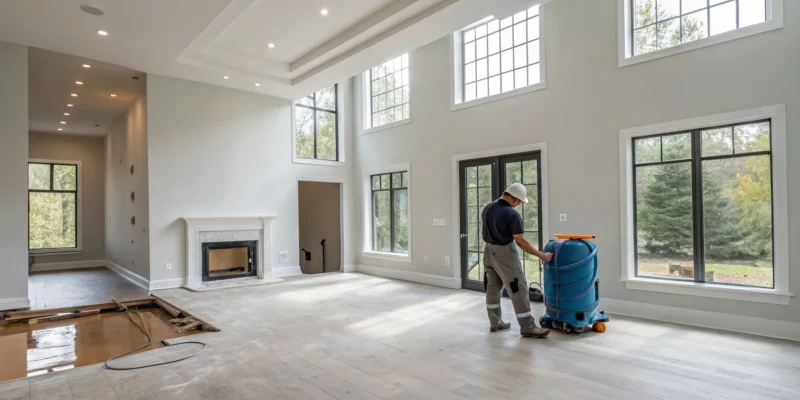
The initial shock of a property disaster is often just the beginning. What you can see, like standing water or soot on the walls, is only part of the problem. Hidden issues like trapped moisture, spreading mold spores, and lingering smoke particles can cause long-term structural damage and health concerns if they aren’t addressed properly. This guide will teach you how to spot the subtle warning signs that indicate a deeper problem. We’ll give you the knowledge to act quickly and confidently, and show you what to look for in a professional water mold fire restoration company that has the expertise to handle both the visible and hidden damage.
Key Takeaways
- Understand What Real Restoration Involves: Professional restoration is more than just a surface clean. It’s a detailed process where certified technicians use specific methods to safely handle water, mold, or fire damage, making sure your home is truly safe and sound.
- Don’t Wait to Address Warning Signs: Small clues like a musty smell, peeling paint, or discolored spots often point to bigger, hidden problems. Acting fast on these signs can save you from more extensive and costly repairs down the road.
- Choose Your Restoration Partner Wisely: Look for key qualifications like IICRC certification, 24/7 availability, and direct insurance billing. The right team has the technical skills and also makes the entire process smoother for you.
What Does Professional Restoration Involve?
When your property is damaged, a professional restoration team does more than just clean up the mess. They follow a systematic process to safely and completely return your home or business to its pre-disaster state. This involves assessing the damage, containing the affected area to prevent further issues, and using specialized techniques and equipment to clean, sanitize, and repair your property. From water extraction to smoke removal, certified professionals have the training to handle every aspect of the recovery, ensuring your space is safe and sound once again.
Restoring Your Property After Water Damage
When you’re dealing with a flood or leak, professional water damage restoration is about more than just mopping up. The process starts with a rapid assessment to stop the source of the water and evaluate the extent of the damage. Certified technicians then use powerful pumps and vacuums for water extraction. After that, they bring in specialized equipment like moisture meters and industrial-grade dehumidifiers to ensure every drop of moisture is removed, even from hidden spots in walls and floors. This thorough approach is critical for preventing the long-term problems that can result from insufficient drying methods, like structural weakness and mold growth. The goal is to dry, clean, and restore your property quickly and completely.
Removing Mold Safely and Effectively
Finding mold in your home can be alarming, and for good reason. The EPA advises that if you find mold, you should clean it up fast because it can damage the materials it grows on and may cause health issues. Professional mold removal is a careful, multi-step process designed for safety. Experts don’t just scrub the visible spots; they set up containment zones with negative air pressure to stop spores from spreading to other parts of your property. They use HEPA filtration to clean the air and properly dispose of contaminated materials. Most importantly, they identify and address the underlying moisture problem that allowed the mold to grow in the first place, helping to ensure it doesn’t come back.
Repairing Fire and Smoke Damage
Recovering from a fire involves much more than just clearing away debris. Professional fire and smoke damage restoration is a complex science that requires specific expertise. Certified technicians are trained in specialized fire damage cleaning techniques to handle everything from soot removal and structural cleaning to eliminating stubborn smoke odors that can linger in furniture, carpets, and even your HVAC system. They assess the structural integrity of your property, clean and sanitize all affected surfaces, and work to restore your home or business to its pre-fire condition. This comprehensive approach ensures your space is not only clean but also safe and free from hazardous residues.
Handling Sewage and Other Disasters
Some situations are too hazardous to handle on your own, and sewage backups are at the top of that list. This type of contaminated water, often called “black water,” contains bacteria, viruses, and other dangerous pathogens. The EPA is clear on this: if mold or water damage comes from sewage, you should always hire a professional. Experts in sewage cleanup have the protective gear and specialized equipment to safely remove the waste, clean, and disinfect the entire area. This same level of care applies to other forms of disaster restoration, ensuring any biohazardous materials are handled correctly and your property is made safe for you and your family.
Spotting Trouble: Warning Signs You Can’t Ignore
When disaster strikes, the initial damage is often just the beginning. Hidden issues can quietly develop, causing more problems down the road. Knowing what to look for is your first line of defense. Catching these warning signs early can save you from more extensive repairs and higher costs. Let’s walk through the subtle clues that tell you it’s time to call for professional help.
How to Spot Hidden Water Damage
Water damage isn’t always as obvious as a flooded basement. Sometimes, the signs are much more subtle. Keep an eye out for peeling paint or wallpaper, warped floorboards, or dark, damp spots on your ceilings and walls. A persistent musty smell is another major red flag that moisture is hiding somewhere it shouldn’t be. The longer you wait to address these issues, the more damage the water can do to your property’s structure. If you notice any of these clues, it’s best to get a professional assessment for water damage restoration to find the source and prevent further problems.
Where to Look for Mold Growth
Where there’s moisture, there’s a risk of mold. Since mold can start growing in less than 24 hours, it’s important to act fast. Check damp, humid areas like basements, crawl spaces, and bathrooms. Look under sinks, around leaky pipes, and near windows where condensation collects. You might see fuzzy patches of black, green, or white, but sometimes the only sign is a musty, earthy smell. If you notice mold or a persistent odor, taking early action can save you significant time and money. A professional mold removal service can safely eliminate the growth and address the underlying moisture issue.
Identifying Lingering Fire and Smoke Damage
After a fire, the danger isn’t over once the flames are out. Soot and smoke can cause lasting damage that isn’t always easy to see. Look for discoloration on walls, ceilings, and personal belongings, even in rooms untouched by the fire itself. A lingering smoky odor is a clear sign that soot particles have settled into porous materials like carpets, upholstery, and drywall. A proper restoration process involves more than just surface cleaning. The drying process is only complete when all structures, including cement floors and walls, are fully dry, not just the carpets. Professional fire and smoke damage repair ensures every last trace is gone.
Why Waiting to Act Can Cost You More
When it comes to property damage, time is not on your side. Delaying action allows problems to worsen, leading to more complex and expensive repairs. For example, mold damages the materials it grows on, and the longer it stays, the more harm it can do. According to FEMA, starting cleanup right away after a flood is crucial to stop mold from growing and spreading. Whether you’re dealing with water, mold, or fire residue, immediate action minimizes the long-term impact on your property and your wallet. A swift response from a disaster restoration team can make all the difference.
Your First Steps After a Property Disaster
Finding your home or business damaged by water, mold, or fire is incredibly stressful. It’s hard to know what to do first. Taking the right steps immediately can make a huge difference in the recovery process, protecting your property and your peace of mind. Think of this as your quick-start guide. The most important thing is to ensure everyone is safe. After that, these actions will help you get started on the path to restoration before the professionals arrive. Remember, you don’t have to go through this alone; help is just a phone call away.
What to Do When You Find Water Damage
The moment you spot water damage, your first move should be to stop the source if you can do so safely. This might mean turning off your property’s main water supply. Next, for safety, shut off the electricity in the affected areas to prevent any risk of electrical shock. Once the immediate hazards are managed, your next call should be to a professional restoration team. Quick action is critical to prevent further damage and mold growth. A team of certified experts can begin the water damage restoration process, starting with water extraction and drying to get your property back to normal as soon as possible.
What to Do When You Discover Mold
Discovering mold can be alarming, especially when you consider the potential health effects and damage to your property. The EPA advises that you should clean up mold as soon as you find it. While small spots on hard surfaces might seem manageable, mold often hides within walls or under floors. Disturbing a large colony without proper containment can release spores into the air, making the problem worse. For anything more than a tiny patch, it’s best to call for professional mold removal. Certified technicians have the right equipment and techniques to safely contain and eliminate mold, ensuring your air and home are healthy again.
What to Do After a Fire
After a fire, your safety is the top priority. Do not re-enter your property until the fire department has declared it safe. Even after the flames are out, the dangers aren’t over. The structure could be unstable, and the air can be filled with toxic soot and smoke residue. Once you have the all-clear, your next step is to contact a professional restoration company. They can assess the full extent of the damage, which includes not just what burned but also damage from smoke, soot, and the water used to extinguish the fire. A specialized fire and smoke damage team can secure your property and begin the complex cleanup process.
Common Mistakes to Avoid After Damage Occurs
In the rush to fix things, it’s easy to make mistakes that can cost you time and money. One common error is trying to handle a major cleanup yourself. Without professional equipment, you might miss hidden moisture or fail to completely remove smoke residue. Another mistake is underestimating the problem; for example, believing mold is just a surface issue when it often has deep roots. Finally, be careful not to hire the first company you find without checking their qualifications. Not all restoration companies are equal, so it’s important to choose a team with proven expertise and proper IICRC certification.
How to Protect Your Property in the Future
Once your property is restored, you can take steps to prevent future disasters. Regular maintenance is your best defense. Periodically inspect your home for plumbing leaks, roof issues, and proper ventilation, and address any problems right away. Clean your gutters and ensure water drains away from your foundation. It’s also a good idea to know who you would call in an emergency before it happens. Save the number of a trusted, 24/7 disaster restoration company in your phone. Having a plan and being proactive can provide significant peace of mind and help you act quickly if trouble ever strikes again.
How to Choose the Right Restoration Partner
When your property is damaged, the last thing you want is the added stress of finding a reliable company to fix it. The right partner can make all the difference, turning a chaotic situation into a managed process. But with so many options, how do you choose? It comes down to asking the right questions and looking for a few key indicators of quality and trustworthiness. Think of it as hiring a temporary project manager for your home’s recovery. You want someone who is not only skilled but also transparent, responsive, and supportive. A great restoration company will guide you through every step, from the initial cleanup to dealing with insurance, so you can focus on getting your life back to normal. This isn’t just about repairs; it’s about finding a team that provides peace of mind when you need it most.
Look for IICRC Certification
When you’re looking for a qualified professional, certifications matter. In the restoration world, the gold standard is the Institute of Inspection, Cleaning and Restoration Certification (IICRC). This certification means the technicians have been formally trained and tested on the industry’s best practices for water, fire, and mold remediation. An IICRC-certified team knows how to handle damage safely and effectively, protecting both your property and your family’s health. Don’t be afraid to ask a company if their technicians are certified. It’s a simple question that speaks volumes about their commitment to professionalism and quality. Choosing a certified team ensures your property is in capable, educated hands.
Confirm 24/7 Availability and Fast Response
Disasters don’t wait for business hours, and your restoration company shouldn’t either. A burst pipe at 2 a.m. or a kitchen fire on a holiday weekend requires immediate attention. Look for a company that offers a true 24/7 emergency response. This means they will answer your call any time, day or night, and can dispatch a team right away. The first few hours after damage occurs are the most critical for preventing further issues like mold growth or structural problems. A company that promises a fast arrival time, like 45 minutes or less, shows they understand this urgency and are equipped to mitigate damage quickly.
Ask About Direct Insurance Billing
Navigating an insurance claim can be one of the most confusing and frustrating parts of the restoration process. A top-tier restoration partner will take this burden off your shoulders. Ask potential companies if they offer direct insurance billing. This service means they work directly with your insurance provider, submitting all the necessary documentation and invoices on your behalf. It not only saves you a massive headache but also helps streamline the claims process, ensuring the work isn’t delayed by paperwork. This shows the company is experienced in working with all major insurers and is dedicated to making your experience as smooth as possible.
Check for Bilingual and Accessible Support
Clear communication is essential during a crisis. You need to understand what is happening to your property and what steps are being taken. If you or members of your family are more comfortable speaking a language other than English, finding a company with bilingual staff can be a huge relief. In a diverse community like Kern County, accessible support shows a company is truly there for everyone. When a team can clearly explain the process in your preferred language, it eliminates confusion and builds trust. This commitment to inclusive service ensures that every client feels heard, understood, and respected throughout the entire restoration journey.
Get Clarity on Costs and Payment Options
No one likes financial surprises, especially on top of a property disaster. A trustworthy restoration company will be transparent about costs from the very beginning. Before any work starts, they should provide a detailed estimate outlining the scope of the project and the expected expenses. Ask them about their pricing structure and if they offer any flexible payment or financing options. While the final bill will be handled by your insurance in many cases, understanding the potential costs upfront gives you peace of mind. This transparency is a hallmark of a company that prioritizes customer trust over its bottom line, ensuring you feel confident in your disaster restoration investment.
Frequently Asked Questions
Can I handle small amounts of water or mold damage myself? It’s tempting to try and tackle what looks like a minor issue, but the real problem is often what you can’t see. Water can seep into walls and under floors, leading to structural issues or hidden mold. Similarly, cleaning visible mold without proper containment can release spores into the air, spreading the problem to other areas of your home. For your peace of mind, it’s always best to have a professional assess the situation, even if it seems small.
How does the insurance process work with a restoration company? Dealing with an insurance claim can feel like a full-time job, which is the last thing you need in a crisis. A great restoration partner will handle this for you. They communicate directly with your insurance provider, submitting the required documentation and managing the billing process. This not only saves you from a lot of paperwork and phone calls but also helps get your claim approved and the restoration work started much faster.
Is it safe for my family to be in the house while you work? Your family’s safety is always the first priority. The answer depends on the type and extent of the damage. For significant issues like a major fire or a sewage backup, it is often safest to relocate temporarily. For other jobs, professional technicians create containment zones with physical barriers and specialized air filtration systems to isolate the work area, ensuring the rest of your home remains a safe, clean environment.
What makes a restoration company “certified,” and why does it matter? Certification, particularly from the IICRC (Institute of Inspection, Cleaning and Restoration Certification), is a sign that a company is committed to high standards. It means their technicians have completed formal training and passed exams on the best practices for safely and effectively handling water, fire, and mold damage. Choosing a certified team ensures the people working on your property are true professionals who will get the job done right the first time.
My property looks fine after a small fire, but there’s a smell. Is that a problem? Yes, a lingering smoky odor is a clear sign that the job isn’t done. That smell comes from microscopic soot and smoke particles that have penetrated porous surfaces like drywall, carpet, and furniture. Simply airing out the room won’t get rid of them. Professional fire restoration uses specialized techniques and equipment to find and eliminate these hidden particles, ensuring your home is truly clean and the air is healthy to breathe.
