Water Mitigation vs Water Restoration: Key Differences
Water Mitigation vs Water Restoration: Key Differences
A flooded basement can damage your home and budget quickly. Water mitigation stops the damage from spreading, while water restoration repairs and rebuilds the affected space. Knowing which phase you need helps you act with confidence.
Call 911 Restoration of Bakersfield at +1 (661) 416-8390 for a free visual inspection.
The choice between water mitigation vs water restoration often comes down to time. Water mitigation is the first step that stops damage from spreading by pumping out water and drying out rooms. This stage must happen fast to prevent mold and weak walls. Water restoration happens second and focuses on fixing the property and returning it to its pre-damage look. This includes jobs like hanging new drywall, laying floors, and painting. Expert teams follow IICRC S500 standards to ensure every step meets safety rules. Mitigation settles your home so that the fixing phase can safely begin. Knowing these two distinct steps helps you handle your insurance claim and plan your path to a full repair. You can save time by hiring one team that does both jobs from start to finish.
Choosing the right path for your property requires a clear look at how these services differ in timing and scope. We created a guide to help you compare the two phases of recovery. Our breakdown of Water mitigation vs water restoration at a glance shows exactly what to expect from each stage. The path begins with
Water mitigation vs water restoration at a glance
Many people use the terms water mitigation and water restoration to mean the same thing. But in the world of home repair, these two phases have very different goals. Mitigation is about stopping the problem right now. Restoration is about fixing what was lost. Knowing the water damage restoration services you need can help you get through a flood with less stress. We bring a Fresh Start Attitude to every job to help you feel at ease. Our team works hard to make your home safe again.
What is water mitigation?
Water mitigation is the first step when a flood happens. It is a fast response that stops damage from spreading to other parts of your home. You must start this work quickly to stop water damage from getting worse. Most pros start within 24 to 48 hours to prevent mold. At 911 Restoration of Bakersfield, we offer a 45-minute response time for these urgent needs. This speed is vital to save your home from more loss.
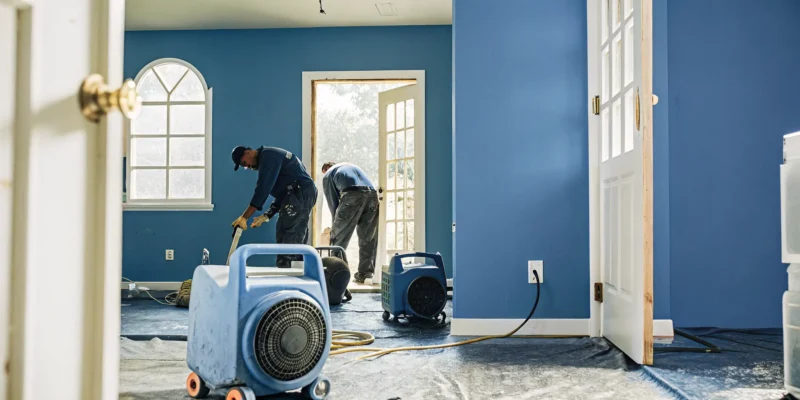
During this phase, teams use pumps to pull out standing water. They also use large fans to dry out walls and floors. This work follows standard rules for mold remediation to keep your air clean. This phase may include taking out wet carpet or wood that cannot be saved. Mitigation keeps your home from rotting after a leak or storm. We also provide help in both English and Spanish so you know the full plan. This phase is often the most vital for your home.
What is water restoration?
Water restoration starts once your home is dry and safe. This phase is about making your home look and feel like it did before the leak. It involves fixing or replacing items like drywall, floors, and wood. You might need to rebuild whole rooms if the water was deep. Restoration is what turns a damaged house back into a home. It focuses on the final look and the long-term health of the building. It is a key part of the total process.
This work must follow strict industry rules to ensure high quality. Pros often look to the IICRC S500 standards for how to fix water loss. While mitigation is a fast response, restoration takes more time to plan and finish. It is the final step that gives you a fresh start after a disaster. For complex losses, a coordinated disaster restoration plan can cover cleanup through reconstruction. Your insurance company will often need to see a full list of costs before this work begins. This ensures that everyone knows the scope of the repair. We help you with these steps to make it easy.
| Feature | Water Mitigation | Water Restoration |
|---|---|---|
| Primary Goal | Stop damage from spreading | Repair and rebuild home |
| Timing | Urgent (first 24-48 hours) | After the home is dry |
| Work Involved | Drying and water removal | Replacing floors and walls |
| Insurance | Often done without prior OK | Needs approval of costs first |
| Final Result | A dry, safe structure | A home in pre-loss condition |
What happens during water mitigation?
Water mitigation is the first and most urgent phase of property cleanup. When comparing water mitigation vs water restoration, mitigation is the emergency effort that stops damage from spreading. This phase usually happens within the first 24 to 48 hours to prevent problems like mold growth or structural decay. Our team at 911 Restoration of Bakersfield follows a strict process to secure your home or business fast.
Assessing the damage
The process starts with a full check of the site. Techs use tools like moisture meters and thermal cameras to find hidden pockets of water. This step helps us see how far the water has moved into floors and walls. We also find and stop the source of the water to ensure no more liquid enters the space. Getting help fast is key, as moisture can lead to rapid structural loss if left for more than a day.
Our team works under IICRC S500 standards to ensure every step is safe and thorough. We provide a “Fresh Start” for local property owners by being clear about what needs to happen next. Whether you have a small leak or a major flood, we aim to be on-site within 45 minutes to start the cleanup. This quick move helps you stop water damage before it gets worse.
Steps for emergency cleanup
Once we know the size of the loss, we move into active mitigation. This phase is about more than just drying. It involves removing standing water and cleaning the area to keep it safe. We follow these steps to stabilize your property:
- Water extraction: We use industrial pumps and truck-mounted units to remove standing water. This stops more moisture from soaking into your floors and subfloors.
- Selective demolition: Materials like wet drywall or carpet pads that cannot be dried in place are removed. This helps prevent mold growth from taking hold in porous items.
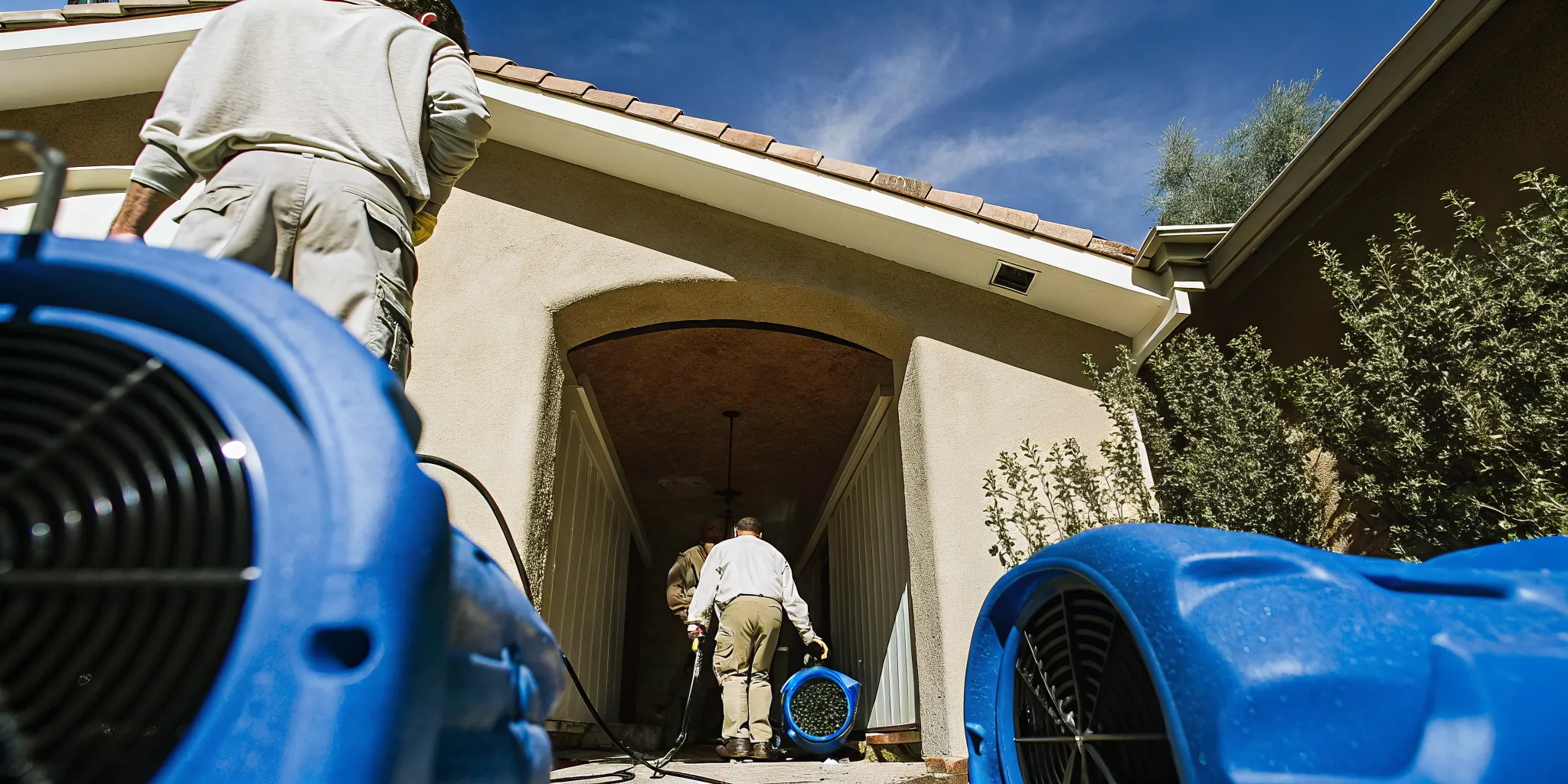
- Drying and dehumidifying: Techs place air movers and dehumidifiers to pull moisture out of the air and the building structure. This step is vital to reach dry standards.
- Cleaning and sanitizing: We use professional grade agents to kill germs and prevent odors. This ensures the space is safe for your family or staff to occupy.
- Daily monitoring: Our crew checks the progress every day. We use moisture sensors to confirm the structure is drying properly before we finish the job.
Setting the stage for repair
The goal of water mitigation is to leave the property clean, dry, and ready for the next phase. While mitigation stops the damage, water damage restoration services focus on rebuilding. We document every step of the mitigation work for your insurance provider. This paperwork helps your adjuster understand the full scope of the claim and the work needed to return your home to its original state.
What happens during water restoration?
Restoration is the final step in getting your home back to normal. While water mitigation stops the leak and dries out the house, restoration focuses on repairs. This part of the job starts only after the house is fully dry and clear of extra moisture. It turns a bare, dried-out space back into a safe and comfy home for your family.
Rebuilding walls and floors
Once the water is gone, the real repair work begins. Mitigation often involves removing wet parts that cannot be saved. This may include soaked carpet, warped wood floors, or soft drywall. During restoration, crews replace these items with new, matching parts.
This is a key part of the move from water mitigation vs water restoration, as the focus shifts from saving the home to fixing it. Fixing drywall is a common task where workers hang new sheets and apply paint. Expert water damage restoration services ensure that every new part of your home fits well with the old house.
Flooring is also a big part of the process. Whether you need new tile, laminate, or wood, the goal is to make the room look like the leak never happened. Expert teams match the style of your home to make the repair seamless.
Cleaning and washing surfaces
Water damage often leaves behind hidden risks that you cannot see. Even if a room looks dry, it might still have dirt or germs from the floodwater. Restoration includes deep cleaning all surfaces to keep your family safe.
This helps prevent health issues and removes any bad smells. If you do not clean well, you might face a flooded home that never feels truly clean again. Taking the time to wash walls and floors now prevents bigger issues later.
Crews use HEPA air scrubbers to clean the air and trap tiny dust bits. They also apply special sprays to the floor and wall studs before closing them up. This step is vital to stop mold from growing in the future.
Final checks for safety
If your house needs more than just simple fixes, a full disaster restoration plan is needed. It will cover every inch of the damaged area to ensure it is safe. The last part of the process is making sure the job was done right.
Pros use moisture tools and pro cameras to check for hidden wet spots. They follow strict rules to ensure the building is safe to live in again. This includes checking that the air is good and that all parts are strong and stable.
The scope of these repairs depends on how much water entered the home. A small pipe leak might only need a bit of paint and new trim. A major flood might require a full rebuild of the whole first floor.
Teams follow government standards for mold to check that every step meets safety codes. This gives you peace of mind that your home is truly dry and ready for you to move back in.
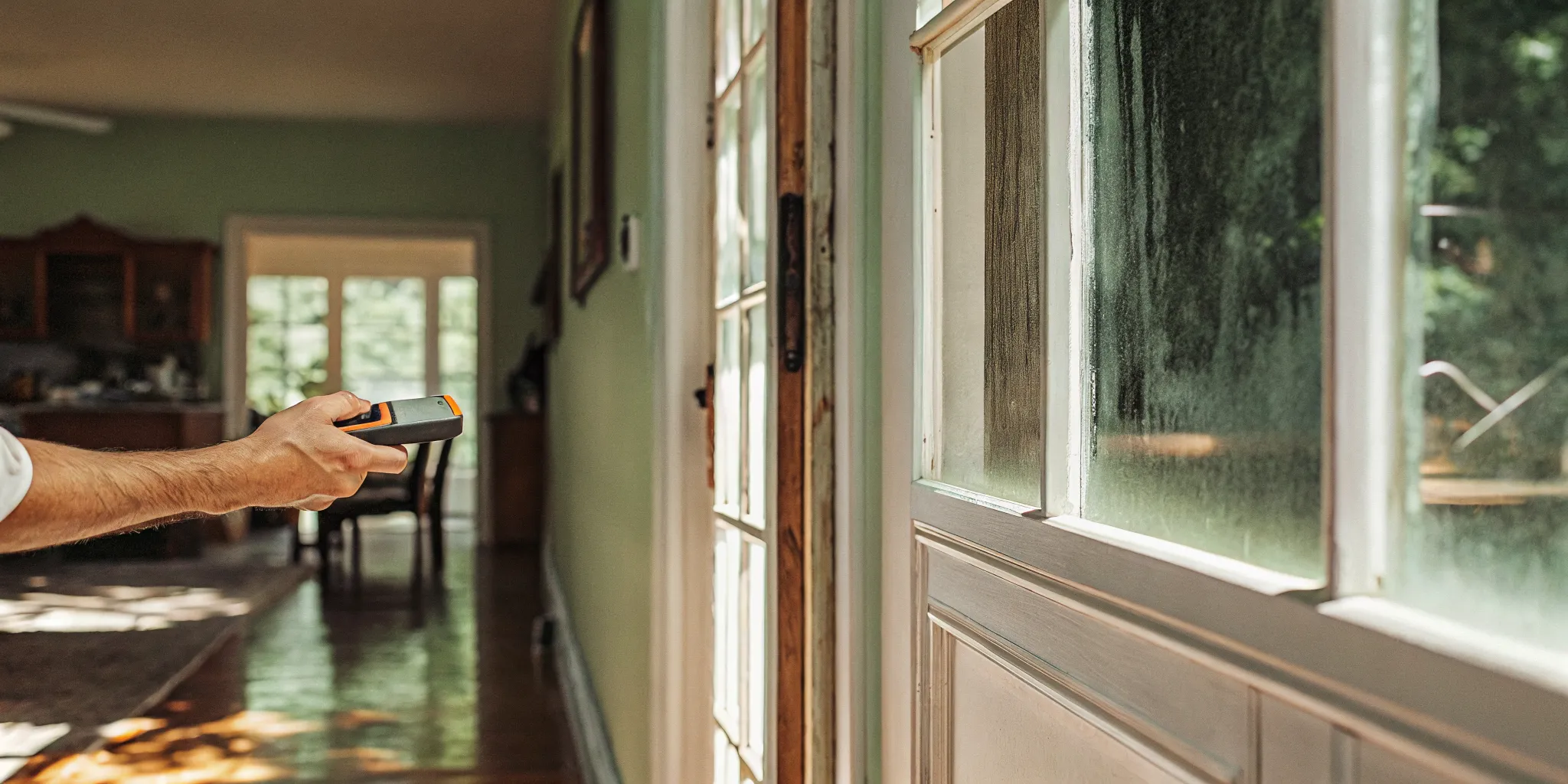
Do you need mitigation, restoration, or both?
When water floods your home, you must act fast. Many people use the terms water mitigation vs water restoration to mean the same thing. But in the world of home repair, they are two clear steps. Knowing the gap helps you plan your next moves and talk to your agent. Most big leaks will need a mix of both services to fully fix the damage.
What is water mitigation?
Mitigation is the first phase of any cleanup. Its goal is to stop water damage from spreading and save your home from more loss. Our team starts this work during our 45-minute emergency response. We use pumps to remove standing water and big fans to dry the area. This work is urgent because wet spots can lead to mold in just 24 to 48 hours. If the water is dirty or from a storm, we must clean the area right away to keep you safe.
Pro teams use tools like thermal cameras to find hidden moisture behind walls. This step often includes taking out wet carpet or drywall that we cannot save. This is mostly true if the water came from a sewer or a flood. Because it is vital, most insurance plans cover disaster mitigation even if you do not get an okay first. This phase makes sure the home is dry before any repairs start.
When is water restoration needed?
Once the water is gone and the home is dry, restoration begins. This phase is about fixing and rebuilding your space. It covers tasks like putting in new floors, hanging fresh drywall, and painting. The goal of water damage restoration is to make your home look like it did before the flood. This part of the job focuses on the final look and feel of your home.
Restoration work often takes more time and needs a clear plan. Your insurance agent will usually need to see a full list of repairs before this work starts. This is where we use our “Fresh Start” spirit to help you feel at home again. We handle everything from small paint jobs to big structural repairs. Following standard moisture and mold remediation steps keeps your home safe and clean.
Why you usually need both
Most big water leaks need both steps to get the best result. If you only do mitigation, your home might be dry but it will still have holes in the walls or missing floors. If you skip drying and go straight to repairs, you might trap moisture inside your walls. This leads to wood rot and health risks. Trapped water can damage the bones of your home and cost much more to fix later.
Doing both steps in the right order keeps your family safe. It stops hazards early and keeps your home strong for years. Our bilingual team can explain each step in English or Spanish so you always know what is going on. We guide you through the whole path from the first drop of water to the final coat of paint.
What should you do first after water damage?
Finding standing water in your home or office is stressful. You may feel the need to start cleaning right away. But your first goal must be safety. You should only stay in the building if it is safe to do so. In many cases, it is best to leave the area and call for help. A pro team can stop water damage from getting worse. Quick action is part of good disaster mitigation that saves your property.
Protect your safety first
Before you walk into a wet room, check for power risks. Do not enter any space where water has reached outlets or wires. If it is safe, turn off the power at the main breaker. You should also shut off the main water valve to stop the flow. Only do this if you can reach the valve without walking through deep water. If the water is from a sewer backup, stay out of the room and request professional sewage backup cleanup. This type of leak can carry germs that put your health at risk.
Record the damage for insurance
You will need to show proof of the loss to your insurance company. Take clear photos and videos of the standing water and any wet items. Do this before you move things or start any work. Note where the water came from and how far it spread. This proof helps your agent process your claim faster. Most policies cover emergency water damage restoration services to prevent more loss. Having good notes makes the next steps much easier.
Call for expert help
You need to act fast to prevent mold and rot. Most experts follow a 24-hour rule because moisture can ruin walls and floors in just one day. A pro team uses tools like pumps and high-grade fans to dry the space. They can also show you the path of water mitigation vs water restoration for your case. Mitigation stops the spread of damage, while restoration repairs the house. Calling a pro right away ensures the work meets IICRC S500 standards for a safe home.
How professionals plan the right recovery path
When you call for help, expert crews do more than just pump out water. They start with a clear plan to save your home. This stage is where the choice between water mitigation vs water restoration starts. Each step of the plan helps to stop the damage and get your life back to normal.
The first check and moisture map
Our team arrives in 45 minutes or less to start a free visual check. We look for standing water and find where moisture hides in your walls. We use tools like moisture meters and thermal cameras to see what your eyes might miss. These tools help us map out the wet spots so we know exactly where to dry. We follow the IICRC S500 standards to make sure we do the job right from the start.
Daily checks are a big part of the work. We monitor moisture levels every day until the structure is dry. This helps us see if the air movers and dehumidifiers are doing their job. If microbial growth is found, professional mold removal and remediation may become part of the recovery plan. Keeping track of these levels is the best way to stop mold before it can grow. If we find moisture in tight spots, we follow strict drying rules to keep your air safe and clean.
Setting the scope for your recovery
Once we know how much water is there, we set a path for your home. We write down every detail of the damage. This file serves as the base for your insurance claim. We help you talk to your adjuster to explain what needs to be done. While we cannot say for sure what your policy will cover, we give you the facts you need. Clear facts help the insurance team see why the work is needed to save the structure.
A good plan keeps the cost down by stopping leaks early. This is the main part of the water mitigation phase. We focus on extraction and drying to keep the damage from spreading. Once the home is dry, we can then look at the repair phase. This second part is the water restoration step. We use our water damage restoration services to bring your home back to its best state.
Support through a Fresh Start Attitude
We know that a flooded home is a lot to handle. That is why we bring a Fresh Start Attitude to every job. Our goal is to care for you just as much as we care for your building. We want to take the weight off your shoulders. We offer bilingual help in English and Spanish so every neighbor can feel heard and safe.
Every choice we make follows a clear plan to reduce risk. We want to make sure your home is safe for your family to live in again. Our experts walk you through each step so you always know what is next. We help you move from the stress of a leak to the joy of a fully fixed home.
What affects the timeline and cost?
Every home flood is unique. The time and money needed to fix your house depend on several clear factors. These range from the source of the leak to how long the water sits before help arrives. Because no two jobs are the same, a pro must inspect the damage to give a firm price. Experts use clear rules to keep the work safe. Many follow mitigation rules to reduce the impact of the loss.
A quick response is the best way to keep costs low. In our area, we aim for a 45-minute response time. This speed helps us start the water mitigation vs water restoration process before the damage gets worse. Waiting even one day can lead to mold and higher bills. Acting fast is the key to a Fresh Start for your home and family.
The source and class of the water
The type of water that enters your home is a major factor. Clean water from a pipe leak is easier and cheaper to handle. If the water has germs, such as from a backup or storm, the job needs more care. Dirty water, often called black water, requires special gear and steps to keep people safe. This can add time to the mitigation phase because we must clean every surface. Pros use moisture meters and thermal tools to find hidden water behind walls.
The “class” of the flood also matters. This refers to how much of the room is wet and how fast it dries. A small leak in a corner is a Class 1. A flood that covers the whole floor and goes up the walls is a Class 3 or 4. Larger floods need more pumps and fans. This extra gear increases the daily cost of the job. It also means more air moves through the home to pull out dampness.
The materials and drying needs
What your home is made of plays a big role in the timeline. Some items dry fast, while others hold onto moisture. Drywall and carpet are often easy to dry if the water is clean. But wood floors, cabinets, and thick pads can take much longer. Hard materials like concrete or stone hold heat and moisture differently. Sometimes these items cannot be saved and must be removed. This is why you need water damage restoration services from a team that knows your local area.
Drying time usually takes three to five days. Pros check the air and walls every day. They follow strict mold remediation rules to make sure the home is truly dry. If the structure stays damp, mold can grow within 24 to 48 hours. This would make the total cost go up quite a bit. Damp air can also slow down the drying of thick rugs or wood trim.
The scale of the repair work
The final factor is the amount of rebuilding needed. This is where the water mitigation vs water restoration split is most clear. Mitigation stops the damage and dries the home. Restoration is the act of putting it back together. If we have to tear out walls or floors, the restoration phase will take more time and money. You may need new paint, trim, and carpets to finish the job. Large jobs might even need new cabinets or structural repairs.
Insurance often covers the cost of these steps. Most policies pay for mitigation right away to stop additional damage. The restoration work may need a clear plan and price for the adjuster first. Our bilingual team helps Kern County owners talk to their insurance agents in English or Spanish. This makes the claim process smoother for everyone. We work to ensure you get the help you need without added stress.
Call +1 (661) 416-8390 now to request a free visual inspection and a clear recovery plan.
Frequently Asked Questions
Does homeowners insurance cover water mitigation?
Most policies cover water mitigation when the damage is sudden and unexpected. Insurance companies often prefer quick action because it stops more loss. According to industry data, urgent work may not need early approval because of the rush. You should still call your agent right away. They can help you learn about your coverage and costs for the cleanup work.
How long does water mitigation take?
The mitigation phase usually lasts between 24 and 48 hours. This time is vital for stopping the spread of water and starting the drying process. Experts follow the 24-hour rule to stop mold growth and damage like warped wood. After the water is gone, large fans and drying tools may run for several days. We check moisture levels daily to ensure the home is fully dry before any rebuild begins.
How much does water mitigation cost?
The cost varies based on the size of the area and the type of water. Clean water from a pipe leak is often less costly than sewage or floodwater. Most firms, including 911 Restoration of Bakersfield, offer a free visual check to see the damage. We provide a 45-minute response time and bilingual help to give you a clear price. Fixing the problem early can save money on long-term repairs.
Can I skip water mitigation and go straight to restoration?
No, you cannot start a rebuild until mitigation is done. The home must be dry and safe before you replace walls or floors. According to technical standards, restoration only begins after the home passes moisture tests. Skipping the drying phase can trap wet spots behind new walls. This leads to hidden mold growth and rot. Finishing both steps in the right order keeps your home safe and stable.
Get a Fresh Start After Water Damage
When water reaches your Bakersfield property, the right first step can limit damage and make the repair process clearer. 911 Restoration of Bakersfield can inspect the affected area, explain whether you need mitigation, restoration, or both, and outline the work before it begins.
