Water Damage Cleanup Cost: A Homeowner’s Guide
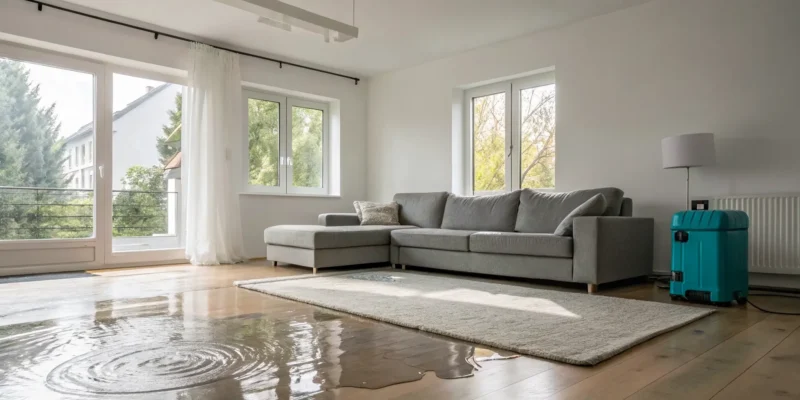
The temptation to save money by handling a water issue yourself is strong, but it’s a decision that can backfire spectacularly. What seems like a simple cleanup job often hides deeper problems. Water is sneaky; it seeps into drywall, gets trapped under flooring, and creates the perfect breeding ground for mold within just 48 hours. Suddenly, the initial water damage cleanup cost is compounded by the need for expensive mold removal and structural repairs. This guide explains why a professional response is an investment in your home’s safety, preventing small issues from becoming costly, long-term hazards and ultimately protecting your property’s value and your family’s health.
Key Takeaways
- Your final bill depends on the details: The total cost for water damage cleanup is based on key factors, including the contamination level of the water, the size of the affected area, and the types of materials that need repair or replacement.
- Acting fast is the best way to control costs: Your immediate response is the most effective tool you have. Calling a professional right away stops water from spreading, prevents mold before it can start, and can turn a potential disaster into a much more manageable cleanup.
- Professional help is an investment, not just a cost: While a DIY approach seems cheaper, it often misses hidden moisture that leads to expensive mold and structural rot. Investing in a certified team ensures the job is done completely and safely, protecting your home’s long-term value.
How Much Does Water Damage Cleanup Cost?
When you discover water in your home, one of the first questions that flashes through your mind is probably, “How much is this going to cost?” It’s a completely valid concern, and while there isn’t a single price tag for water damage cleanup, understanding the factors that influence the final bill can give you a clearer picture. The total cost can vary quite a bit, depending on the unique details of your situation.
Think of it less like a fixed price and more like a sliding scale based on the extent of the damage, the type of water involved, and how quickly the cleanup process begins. We’ll walk through the typical price ranges and explain exactly how the severity of the damage plays a major role in the overall cost, so you can feel more prepared for the road ahead.
Understanding the Average Price Ranges
Nationally, homeowners typically spend between $1,300 and $6,000 on water damage restoration. The average cost often lands somewhere around $3,800. Why such a wide range? A small, contained leak from a supply line is a very different job than a basement flooded with several inches of water. This range reflects everything from minor repairs to more extensive restoration projects. The best way to get an accurate number for your specific situation is to have a professional assess the damage. A thorough inspection is the first step in any professional water damage restoration plan, giving you a detailed estimate based on what’s actually happening in your home.
How Damage Severity Affects the Final Bill
The single biggest factor influencing your final bill is the severity of the damage. This is determined by a few key things: how long the water has been sitting, the materials it soaked into (like drywall, carpet, or hardwood), and the type of water involved. For example, water that sits for more than 48 hours can start to cause serious structural problems and encourage mold growth. What might start as clean water can also become contaminated over time, turning into what professionals call “black water.” This requires a much more intensive sewage cleanup process to ensure your home is safe and sanitary, which in turn affects the cost.
What Factors Influence Cleanup Costs?
When you’re facing water damage, one of the first questions is always, “How much will this cost?” The truth is, there’s no single answer. The final price tag depends on the unique details of your situation. Think of it less like a fixed price and more like a custom quote that’s built from several key factors. Understanding what goes into the estimate can help you feel more in control during a stressful time. From the amount of water to the types of materials affected, every detail matters. The scope of the project is the biggest driver. A small, contained leak is vastly different from a basement flooded with several inches of water. The location also matters immensely; damage in an open living room is simpler to address than water trapped behind kitchen cabinets or inside a crawlspace. The types of materials affected play a huge role, too. It’s one thing to dry out a tile floor, but it’s another to replace saturated drywall, insulation, and expensive hardwood flooring. Finally, and perhaps most critically, your response time can dramatically change the final bill. Quick action can stop the damage from spreading and prevent mold growth, which saves you money in the long run. Let’s break down each of these factors so you have a clearer picture of what goes into a professional water damage restoration estimate.
The Size of the Affected Area
It makes sense that the more space the water touches, the more it will cost to fix. A small leak contained in one corner of a room is much different from a burst pipe that floods your entire first floor. Cleanup costs are often calculated by the square foot, so larger areas naturally require more labor, more drying equipment, and more materials to restore. If water has seeped through the floor and affected the level below, the complexity and cost increase significantly. Our team has to address not just the floor, but also the ceiling and everything in between to ensure your home is completely dry and structurally sound.
Where the Damage Occurred
The location of the water damage plays a big role in the restoration cost. A leak in an open, accessible area like a living room is generally easier and less expensive to handle than one in a tight, hard-to-reach spot. For example, water damage in a crawl space or attic can be more challenging to access and work in, which can increase labor time and costs. Similarly, if water gets behind cabinets in your kitchen or bathroom, it requires more detailed work to remove the fixtures, dry the area, and put everything back together. The location often dictates the extent of the disaster restoration needed to bring your property back to normal.
Types of Materials Damaged
Not all building materials react to water in the same way, and this difference heavily influences the cost. Porous materials like drywall, carpet, insulation, and untreated wood act like sponges, soaking up water and often needing complete replacement to prevent structural issues or mold. On the other hand, non-porous materials like tile, concrete, or metal can often be cleaned, sanitized, and dried. Restoring expensive hardwood floors will cost more than replacing a section of carpet. A professional assessment is crucial to determine what can be salvaged and what must go, which is a key part of managing costs for any commercial restoration or residential project.
Your Response Time
When it comes to water damage, time is money. The longer you wait to address the problem, the more extensive and expensive the damage becomes. Water will continue to spread, seeping deeper into walls, floors, and furniture. This prolonged exposure not only ruins more of your property but also creates the perfect breeding ground for mold. A simple water cleanup can quickly turn into a much more complex and costly mold removal project if left unchecked. Acting fast is the single most effective way to minimize damage and keep your restoration costs down. That’s why getting a professional team on-site immediately is so important.
How Does Water Type Affect the Price?
When you’re facing a flood in your home, it’s easy to think all water is the same. But in the world of restoration, the source of the water is one of the biggest factors determining the cleanup process and the final cost. Professionals classify water into three categories based on its contamination level. The higher the contamination, the more intensive the safety protocols and cleaning procedures become, which directly impacts the price of your water damage restoration.
Think of it this way: cleaning up a leak from a clean water pipe is a much different job than handling a sewage backup. The first is mostly about drying, while the second involves serious biohazard cleanup to keep your family safe. Understanding which type of water you’re dealing with will give you a clearer picture of the steps involved and the potential costs. It’s crucial information that helps set realistic expectations for the restoration journey ahead.
Clean Water (Category 1): Starting at $3 per Square Foot
Clean water, or Category 1, is water that comes from a sanitary source and doesn’t pose a significant health risk. This is the kind of water you’d see from a broken supply line, an overflowing sink (without soap or waste), or rainwater that hasn’t mixed with ground contaminants. Because it’s not contaminated, the cleanup process is the most straightforward. It primarily involves extracting the water and thoroughly drying the affected area. According to industry data, cleanup for clean water can start around $3 per square foot. However, time is critical. If left for more than 48 hours, clean water can collect bacteria and degrade into the next category.
Gray Water (Category 2): Starting at $4 per Square Foot
Gray water, or Category 2, is water that is contaminated to some degree. It’s not clean, but it’s not raw sewage either. Common sources include overflows from a washing machine, a leaky dishwasher, or a failed sump pump. This water contains things like soap, detergents, and dirt, which can cause illness if you come into contact with it. The cleanup process is more involved than with clean water, requiring both extraction and disinfection. This added step is why the cost is higher, with prices starting at approximately $4 per square foot. Just like clean water, gray water will only get worse with time, eventually becoming highly toxic black water.
Black Water (Category 3): Starting at $7 per Square Foot
Black water, or Category 3, is the most dangerous and expensive type of water damage to handle. It is grossly contaminated and can cause severe illness or even death. This category includes all sewage backups, toilet overflows containing feces, and floodwater from overflowing rivers or streams that have mixed with ground contaminants. Due to the serious health risks, cleanup requires personal protective equipment (PPE), specialized disinfection protocols, and often the removal of porous materials like carpet and drywall. This intensive process is why costs start at about $7 per square foot. This is not a DIY job; always call a certified professional for black water situations.
Does the Room Matter? A Cost Breakdown
Yes, the specific room where water damage occurs plays a huge role in the final cleanup cost. Each area of your home has unique features, from the materials used in its construction to its accessibility, that can either simplify or complicate the restoration process. A leak in an open living room with hardwood floors presents a different challenge than a burst pipe inside a tiled bathroom wall.
Think about it: rooms like kitchens and bathrooms are packed with plumbing and electrical systems. Working around these requires extra care and specialized knowledge. Basements and crawl spaces, on the other hand, are often difficult to access and may have poor ventilation, creating a perfect environment for mold to grow if not addressed immediately. The cost of water damage restoration is not just about the water itself; it’s about what the water touches and where it goes. Understanding how the location impacts the price will help you set realistic expectations for the repair bill.
Basements
Basements are often ground zero for expensive water damage scenarios. Because they sit below ground level, they are vulnerable to everything from heavy rain and foundation leaks to sump pump failures and sewer backups. The cleanup here is frequently complex. For example, one homeowner faced an estimate of $7,000 just for the initial mitigation after an inch of water flooded their basement. That price only covered tearing out damaged materials and drying the space, not the cost of rebuilding. Finished basements with drywall, carpeting, and furniture can see costs climb even higher as more materials and belongings need to be removed and replaced.
Bathrooms and Kitchens
Water damage in bathrooms and kitchens can be particularly tricky. These rooms are a hub of plumbing lines for sinks, toilets, dishwashers, and refrigerators. A hidden leak behind a cabinet or wall can cause significant damage before you even notice it. Costs can range from a few hundred dollars for a minor overflow to thousands for a burst pipe that floods the room. The price often increases due to the complexity of the materials, like tile floors that may need to be removed, and the labor required to work around existing cabinetry and appliances. If the incident involves a toilet overflow, you may also need professional sewage cleanup to handle contamination safely.
Crawl Spaces and Attics
Crawl spaces and attics are classic “out of sight, out of mind” areas, which can make water damage here especially destructive. A slow roof leak or a pipe condensation issue can go undetected for months, leading to serious structural problems and extensive mold growth. The cost to fix water damage in these spaces is heavily influenced by accessibility. Technicians often have to work in cramped, dark areas, which increases labor time. The type of water also dictates the price per square foot, generally ranging from $3 to $4 for clean water, $4 to $7 for gray water, and $7 or more for black water. Because these spaces are prone to dampness, professional mold removal is frequently a necessary part of the restoration.
What Additional Costs Should You Prepare For?
When you get a quote for water damage cleanup, it’s important to understand that the initial price usually covers water extraction and drying the structure. Think of it as stopping the immediate threat. However, the total financial impact often includes secondary costs that arise from the damage. These aren’t hidden fees; they are simply the next steps in making your home whole again. Depending on how long the water sat and the type of water involved, you may need to budget for repairs that go beyond the initial cleanup. A thorough inspection from a professional team can help you anticipate these expenses, so you aren’t caught by surprise later. From mold growth to replacing drywall, let’s walk through the additional costs you should prepare for.
Mold Removal
It’s a startling fact, but mold can begin to grow within 48 hours of water damage, especially in a warm, damp environment. If you notice a musty smell or see visible spots, you’re likely dealing with a mold problem. This isn’t just a cosmetic issue; mold can pose serious health risks and must be handled by a certified professional. According to industry reports, the cost for professional mold removal can add a significant amount to your final bill, often ranging from $1,200 to $3,750. Attempting to clean it yourself can spread spores and make the problem worse, so it’s a job best left to experts with the right safety gear and equipment.
Structural Repairs
Water is incredibly destructive to building materials. Prolonged exposure can cause wood to warp, drywall to crumble, and floors to buckle. The longer water sits, the more damage it causes, which can lead to serious structural issues and much higher expenses. These fixes are part of the reconstruction phase, which begins after the property is fully dried and sanitized. This could involve replacing sections of drywall, installing new flooring, or even repairing compromised support beams. These structural repairs are critical for ensuring your home is safe and sound for years to come, but they are almost always quoted separately from the initial water mitigation.
Restoring or Replacing Belongings
The initial restoration quote is for your property, not your possessions. Unfortunately, water can ruin everything from furniture and rugs to electronics and personal keepsakes. Some items may be salvageable through specialized cleaning techniques, but others will be a total loss. It’s also important to remember that basic restoration costs usually don’t include cosmetic finishes. Things like repainting walls, replacing baseboards, or installing new carpet are typically considered extra “reconstruction” costs that you’ll need to factor into your budget. Carefully document all damaged items with photos and receipts to help with your insurance claim.
Temporary Housing
If the water damage is severe, your home might be unsafe or unlivable during the restoration process. This is especially true in cases involving black water contamination or when major structural repairs are needed. In these situations, you’ll need to arrange for temporary housing, which could mean staying in a hotel or a short-term rental. This is a significant expense that many homeowners overlook. Check your insurance policy for an “Additional Living Expenses” (ALE) clause, as it may cover these costs. Acting fast to address water damage can sometimes prevent the problem from escalating to the point where you need to move out.
Will Homeowners Insurance Cover Water Damage?
Figuring out your insurance policy while your floor is covered in water is stressful, to say the least. The short answer to whether your homeowners insurance will cover the damage is, “it depends.” Most insurance policies draw a clear line between sudden, accidental events and problems that arise from a lack of maintenance. Understanding this distinction is the first step to knowing what to expect and how to move forward. The good news is that a professional restoration company can help you through the process, from cleanup to claims.
What Your Policy Likely Covers
Generally, homeowners insurance is designed to protect you from unexpected disasters. Think of events that are sudden and accidental. For example, if a pipe suddenly bursts and floods your kitchen, or your washing machine hose fails without warning, your policy will likely cover the resulting water damage restoration. These are the types of incidents that you couldn’t have predicted or prevented through routine upkeep. The key is that the source of the water damage was abrupt and unforeseen. In these situations, your policy is intended to help you get your home back to its original condition.
Common Exclusions to Know
It’s just as important to know what your policy doesn’t cover. Insurance typically excludes damage that happens over time. That slow, dripping pipe under the sink that you’ve been meaning to fix? If it eventually causes the cabinet floor to rot, the repairs probably won’t be covered. The same goes for damage from poor maintenance. Policies also almost always exclude flooding from natural sources, like a nearby river overflowing. For that, you would need a separate flood insurance policy. Ignoring a small leak can also lead to bigger issues like mold, which may create its own set of coverage complications.
How to File a Successful Claim
If you find yourself with water damage, acting quickly and methodically can make all the difference in your insurance claim. First, take steps to prevent more damage, like shutting off the main water valve. Then, before you move anything, document everything. Use your phone to take plenty of photos and videos of the affected area and any damaged belongings. This evidence is invaluable. Finally, contact your insurance agent to report the incident and understand your coverage. Working with a professional team like 911 Restoration of Bakersfield can simplify this process, as we can document the damage for you and communicate directly with your insurance provider to ensure your claim is handled smoothly.
Debunking Common Myths About Cleanup Costs
When you’re facing a flooded basement or a leaky pipe, stress can lead to quick decisions based on misinformation. Unfortunately, common myths about water damage cleanup can steer you down a path that costs you more time, money, and peace of mind. Let’s clear up a few of these misconceptions so you can make informed choices when it matters most. Understanding the truth behind the costs helps you protect your property and your wallet from further damage.
Myth: “My Insurance Covers All Water Damage”
It’s easy to assume your homeowners insurance policy is a safety net for any water-related incident, but coverage is more specific than you might think. Most standard policies will cover damage from sudden and accidental events, like a burst pipe or a washing machine overflow. However, they typically exclude damage that results from gradual issues or poor maintenance, such as a slow, unfixed leak under the sink.
Furthermore, damage from external sources, like a river overflowing its banks, is almost never covered by a standard policy; you would need separate flood insurance for that. Navigating the claims process can be confusing, which is why working with a professional team that offers direct insurance claim support can make a world of difference.
Myth: “I Can Save Money by Doing It Myself”
The DIY route is tempting, especially when you’re trying to keep costs down. While you can certainly handle a small spill, significant water damage is another story. Proper restoration is hard work and requires specialized equipment. Simply setting up a few household fans won’t be enough to thoroughly dry saturated drywall, subfloors, and insulation.
Without industrial-grade air movers and dehumidifiers, hidden moisture gets trapped, creating the perfect environment for mold to grow and wooden structures to rot. What started as a cost-saving measure can quickly turn into a much more expensive mold removal project and a serious health hazard. Professionals have the right tools and expertise to ensure the job is done completely and safely.
Myth: “Waiting a Little Won’t Change the Price”
Of all the myths, this is perhaps the most damaging. When it comes to water, time is your enemy. Water damage gets progressively worse with every hour that passes. Within the first 24 hours, water soaks into building materials, causing drywall to swell, wood to warp, and furniture to delaminate. Soon after, mold can begin to grow, compromising your home’s air quality.
Delaying the cleanup process turns a manageable issue into a major catastrophe. A small extraction job can become a full-scale reconstruction project requiring extensive repairs. Acting fast is the single most effective way to minimize damage and keep costs in check. That’s why an immediate call for disaster restoration is critical to protecting your property.
The Restoration Process: What Your Money Pays For
When you see an estimate for professional water damage cleanup, it’s easy to get sticker shock. It helps to remember that you aren’t just paying to get rid of water. You’re investing in a comprehensive process that protects your home’s value and your family’s health. A professional restoration service is a systematic, multi-step approach designed to handle the immediate crisis and prevent future problems like mold and structural weakness.
The process moves from emergency response to detailed repair. First, technicians focus on removing the water and drying everything out. Next, they sanitize the area to eliminate contaminants and stop mold in its tracks. Finally, they complete the necessary repairs to return your home to its pre-damage condition. Understanding these steps helps clarify what your money is paying for: a safe, complete, and lasting recovery. Our IICRC-certified team handles every phase of water damage restoration to give you peace of mind from start to finish.
Extracting Water and Drying the Structure
The first step is all about speed. As soon as our team arrives, the priority is to remove all standing water using powerful, truck-mounted pumps and vacuums. The faster the water is gone, the less damage it can cause. But removing the visible water is only half the battle. Moisture seeps into drywall, flooring, and wood framing, creating a hidden threat.
That’s why the drying phase is so critical. We use industrial-grade air movers and dehumidifiers to pull moisture out of the air and the structure itself. This isn’t something a few household fans can accomplish. The longer water sits, the more damage it causes, leading to mold and structural issues that get more expensive to fix. A rapid, professional response is the best way to manage the scope of a disaster restoration project.
Sanitizing and Dehumidifying
Once the area is dry, the focus shifts to making it safe. It’s a scary fact, but mold can start growing within 48 hours of water damage. Our technicians are trained to identify and address this risk immediately. This often involves removing materials like wet drywall and insulation that can’t be salvaged. While it might seem drastic, it’s the only way to be certain that mold won’t grow inside your walls later on.
After removing compromised materials, we thoroughly clean and sanitize all affected surfaces with antimicrobial treatments. This eliminates bacteria, fungi, and other contaminants that may have been in the water, especially if you’re dealing with gray or black water. This step is essential for protecting your home’s air quality and preventing the health risks associated with mold removal.
Completing Repairs and Final Touches
The final phase is where your house starts to feel like a home again. It’s important to know that the initial cleanup and drying costs, often called “mitigation,” are separate from the cost of “reconstruction.” This last step involves repairing or replacing everything that was damaged or removed. This could mean hanging new drywall, laying new carpet, installing new cabinets, or painting.
This is where a full-service restoration company makes a huge difference. Instead of you having to hire separate contractors for each job, our team can manage the entire project from the initial emergency call to the final coat of paint. We handle the reconstruction process seamlessly, ensuring your home or business is restored correctly. This comprehensive approach is key to our commercial restoration services as well, minimizing downtime for business owners.
How to Reduce Water Damage Cleanup Costs
Finding standing water in your home is stressful enough without thinking about the bill. While professional restoration is an investment, the final cost isn’t entirely out of your hands. By taking a few key steps before, during, and after a water incident, you can significantly reduce the expense and get your property back to normal faster. Here’s how you can protect your home and your wallet.
Act Fast to Minimize the Damage
When it comes to water damage, every second counts. The longer water sits, the more it soaks into floors, walls, and furniture, leading to more extensive and expensive repairs. Quick action is your best defense against escalating costs. Within just 48 hours, mold can begin to grow, introducing a new set of health risks and cleanup challenges. Calling for professional water damage restoration immediately stops the problem from spreading. A rapid response team can extract the water, start the drying process, and prevent secondary damage, saving you from a much bigger headache down the road.
Document Everything for Insurance
Before you move anything or start cleaning up, grab your phone. Thoroughly documenting the damage is one of the most important things you can do to support your insurance claim. Take clear photos and videos of the affected area from every angle, capturing the source of the water and any damaged belongings. Keep a detailed list of everything that was ruined, along with any receipts you have for those items. This evidence is crucial for proving your losses to the insurance company. A professional restoration team can also help you with the documentation and guide you through the insurance claims process, making everything much smoother for you.
Schedule Regular Home Maintenance
The cheapest water damage repair is the one you never have to make. Scheduling regular home maintenance is a proactive way to prevent disasters before they happen. Periodically inspect appliance hoses, check for leaks under sinks, and keep an eye on your roof and gutters. A small, unnoticed drip can eventually lead to a major structural issue and costly repairs. For business owners and property managers, routine inspections are even more critical to protect your investment and ensure the safety of tenants. Consistent upkeep is a small price to pay to avoid a large-scale commercial restoration project.
Install Water Detection Systems
For extra peace of mind, consider installing water detection systems in your home. These small, affordable sensors can be placed in high-risk areas like basements, laundry rooms, and near water heaters. When the device detects moisture, it sounds an alarm, giving you a critical head start to address the problem before it gets out of control. Some advanced systems can even send an alert to your phone or automatically shut off your home’s main water supply. Given that mold can develop in less than 48 hours, this early warning can be the difference between a minor cleanup and a major mold removal project.
When to Call a Professional Restoration Company
When you spot a leak or a puddle, your first instinct might be to grab a mop and some towels. For a tiny, fresh spill on a tile floor, that’s perfectly fine. But for anything more significant, trying to handle it yourself can quickly turn a manageable problem into a major disaster. The reality is that water damage is often far more complex than it appears on the surface. Water can seep into drywall, get trapped under floorboards, and saturate insulation, creating hidden pockets of moisture that you can’t see or reach.
Ignoring this hidden moisture is a recipe for trouble. It can lead to much bigger, more expensive problems, including structural rot and serious health risks from mold growth. This is where professional help becomes essential. A certified water damage restoration team has the right tools for the job, including moisture meters, industrial-grade dehumidifiers, and high-speed air movers. They can accurately find and eliminate all moisture, ensuring your home is dried completely.
Beyond the equipment, professionals bring crucial expertise. They know how to safely handle contaminated water from a sewage backup and can determine which materials can be saved and which must be removed to prevent future issues. While it might feel like you’re saving money with a DIY approach, hiring an expert ensures the job is done safely and correctly the first time. This ultimately protects your property’s value and your family’s health. If you’re facing standing water, soaked carpets, or damage that has sat for more than a day, it’s time to make the call.
Frequently Asked Questions
Why can’t I get a single, flat-rate price for water damage cleanup? Think of it like a car repair; the final cost depends on what’s happening under the hood. Water damage is similar because every situation is unique. The price is influenced by factors like the size of the affected area, the type of water involved (clean vs. contaminated), and what materials got wet. Restoring a small leak on a tile floor is a very different job from drying out a fully carpeted basement. A professional inspection is the only way to assess all these variables and give you an accurate, detailed estimate for your specific circumstances.
Is waiting a day or two to call really that big of a deal? Yes, it makes a huge difference. Time is the single most critical factor in any water damage situation. Within just 24 to 48 hours, what started as a simple water issue can escalate dramatically. Wood floors can start to warp, drywall can swell and crumble, and most importantly, mold can begin to grow. Delaying the call can turn a straightforward drying job into a much more complex and expensive project that includes mold removal and significant structural repairs.
What’s the difference between “mitigation” and “reconstruction” costs? This is a great question because it helps clarify the restoration process. Mitigation is the emergency response phase. It includes stopping the water source, extracting all the standing water, and using specialized equipment to completely dry your property. The goal is to prevent further damage. Reconstruction is the second phase, which involves the repairs needed to return your home to its original condition. This includes tasks like replacing drywall, installing new flooring, or painting. They are two distinct stages of the overall recovery.
My leak seems small. Can I just handle it myself to save money? For a tiny spill on a hard surface like tile, a DIY cleanup is usually fine. However, if water has soaked into porous materials like carpet, drywall, or subflooring, it’s best to call a professional. The problem is that you can’t see the moisture trapped underneath surfaces. Without industrial-grade equipment to properly dry these hidden areas, you risk creating a perfect environment for mold growth and wood rot, which will cost much more to fix in the long run.
If my insurance covers the damage, does that mean I won’t have to pay anything? Not necessarily. When an insurance policy “covers” water damage, it typically means it will pay for the cost of restoration after you have paid your deductible. Your deductible is the out-of-pocket amount you are responsible for before your coverage begins. It’s also important to know that policies have coverage limits and may exclude certain types of damage. Working with a professional restoration company can be a huge help, as we can communicate directly with your insurer to ensure the claim process is as smooth as possible.
