First Steps After Water Damage: The First Hour
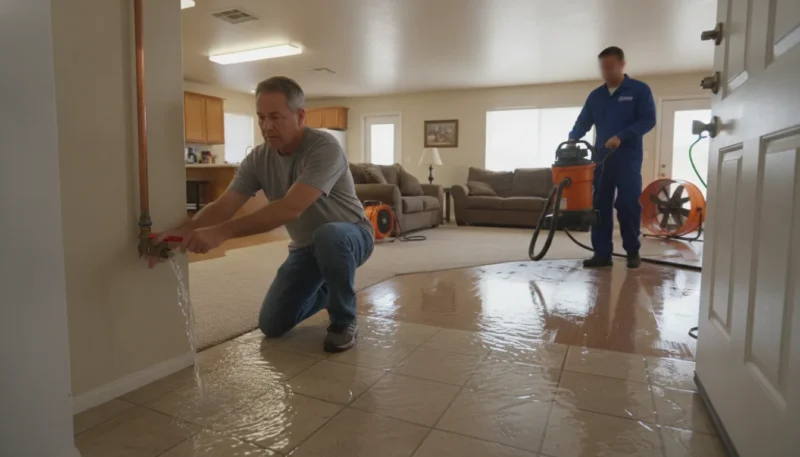
Standing water inside your home ruins drywall and floors in less than an hour. The ticking clock starts the moment you find the leak or the flood. Quick decisions in this window save your property and keep your family safe.
First steps after water damage include shutting off the main water valve and turning off the power to prevent electrical fires or shocks. You should then call an expert cleanup crew to begin the drying process; these pros have the tools to save your property. Quick action is vital because mold can start growing within just 24 to 48 hours in wet spaces, which ruins your air quality. According to the CDC, you must dry your home quickly after a flood to prevent these dangerous health risks. Record the damage by taking photos for your insurance claim; these early moves limit the total loss and help you recover much faster.
Knowing what to do when you find a leak helps you stay calm during the crisis. Our guide on the First steps after water damage: the first 60 minutes provides a clear checklist for your home. Use this timeline to protect your house. The path begins with
First steps after water damage: the first 60 minutes
Finding water in your home or shop is a shock. You may feel like you need to act fast but do not know where to start. The first hour is the most important time to limit loss and stay safe. Taking the right first steps after water damage can save your property from costly repairs later.
Stay safe and stop the flow
Your first goal is to stop more water from coming in. If a pipe burst, find the main water valve and turn it off right away. If the water comes from a leak in your roof or wall, fix it fast to stop the flow. Personal safety must always come first. The CDC warns to stay away from damaged buildings until an expert says they are safe. Do not turn on your power if the area is wet or if the structure has damage.
Get expert help fast
Water damage moves fast, and so should your response. Calling for professional water damage restoration services in Bakersfield should happen as soon as you are safe. Experts have the tools to find hidden water and start the drying process. Acting within the first hour helps stop other issues like rot. 911 Restoration of Bakersfield offers help 24/7 every day of the year. Quick help is the best way to keep your home from long-term harm.
Your 60-minute action plan
Following a clear list can help you stay calm and focused during a flood. Use these steps to manage the event during the first hour.
- Minutes 1-10: Stop the water. Find the source of the water and shut it off if you can do so safely. If you cannot stop the leak yourself, wait for a plumber or a restoration pro to arrive.
- Minutes 11-20: Turn off the power. Shut off the main power switch if the water is near any outlets or wires. Do not touch any electric parts if you are standing in water or if your hands are wet.
- Minutes 21-30: Call for help. Contact your insurance company and a local restoration team. Getting quick water extraction is key to stopping mold growth later on.
- Minutes 31-45: Protect yourself. Put on rubber boots, gloves, and goggles before you go near the water. Floodwater can have germs and waste that may make you sick if it touches your skin.
- Minutes 46-60: Move your items. Lift furniture and rugs out of the wet areas if they are not too heavy. Place foil or wood blocks under large pieces to keep them from soaking up more water.
Start the drying process
Once the water stops, you need to get the air moving. Open doors and windows to let fresh air in and lower the dampness in the room. You should try to dry out your home within 24 to 48 hours to prevent mold. Using fans and tools like dehumidifiers can help speed up this work. If you have any cuts or sores that touch the water, wash them with soap and clean water right away.
Make safety the first decision
Your safety is the most important part of any recovery plan. Before you step into a wet room, you must look for hidden risks. These hazards can include live power, weak floors, and dirty water. Thinking about safety should be one of your first steps after water damage to keep yourself and your family out of harm’s way.
Check for power and structural risks
Water and power are a deadly mix. Never walk through standing water if the main power is still on. You should stay away from any building that has damage until a pro says it is safe to enter. According to the CDC, you must not turn on the power in a flooded home until it has been checked by a qualified authority. If you can reach the main switch without stepping in water, turn off the power and the water line right away.
Wet ceilings and floors also pose a big risk. Water is heavy and can cause parts of your home to fall. If you see a sagging ceiling or a buckling floor, do not walk under or on it. These structural issues can lead to a collapse that causes serious hurt. Always wait for a team of experts to tell you that the building is stable before you start to move items or clean up.
Stay away from dirty water
The water in your home may look clear, but it often hides dangerous germs. Floodwater can carry waste from sewers or farms that can make you sick. The CDC warns that floodwater often has harmful bacteria that are a health risk to anyone who touches it. If you have any open cuts or sores that touch this water, wash them with soap and clean water fast. Then, apply an antibiotic ointment to help stop an infection.
You should also think about the type of water you are dealing with. Clean water from a pipe leak is less risky than black water from a sewer backup. However, any water that sits for too long can start to grow mold. To help prevent this, you should look into quick water extraction within the first 24 to 48 hours. Using the right gear to stay dry and safe is the best way to start your home’s fresh start.
How do you stop the water source safely?
One of the first steps after water damage is to stop the flow of water. You must act fast to limit how much water enters your home. But you must also stay safe while you do it. Do not walk into deep water or touch any wet electrical parts. If you cannot reach a valve without getting wet, wait for help to arrive.
Check appliance and fixture valves
Most water leaks start from a specific point like a sink or a washing machine. You can often find a small valve right behind these items. Turn the handle or knob to the right to close it. This stops the flow to just that one spot. If a pipe has burst or the leak is hidden, you will need to find the main line for the house.
Find the main water shutoff
If the source is not clear, you must close the main water valve. This valve is usually near the water meter or where the main pipe enters the building. In many homes, you can find it in the garage or a utility closet. Closing this valve cuts off all water to the entire property. It is a key move for water damage restoration after a burst pipe.
Stay safe around standing water
The CDC warns that floodwater can carry germs and bacteria that make you sick. You should also be careful with power. Do not turn on lights or use tools in wet rooms. If the water has reached your outlets, the safest choice is to turn off the power at the main breaker. Safety is always more important than saving property.
Document the damage before cleanup
The first steps after water damage often feel like a race against time. While you want to start cleaning right away, you must first record the state of your home. This proof is vital for your insurance claim. Clear proof helps your agent see the full scope of the loss. Taking a few minutes to gather records now can save you a lot of stress later. You will need this trail of facts when you talk to the agent about your house.
Recording the mess is not just for money. It also helps you stay safe as you plan the work. When you have a clear map of the damage, you can choose what to fix first. This step makes the home fix feel more like a plan and less like a crisis. It sets the stage for a smooth fix in Bakersfield.
Capture photos and video
Walk through every room and take clear photos of the standing water. Record the height of the water on walls and chairs. Use your phone to take a slow video of each area. This shows the big picture and small details. You should also snap pictures of the source of the leak if you can find it safely. Do not move or fix anything until you have recorded its exact state. This includes any wet rugs or floors.
Focus on high-value items like tech, art, or fine wood pieces. Take shots of serial numbers on the back of gadgets or labels on big tools. If the water has gone down, look for water lines on the walls. These lines show how high the water rose. Close-up shots of soaked walls can help show why you may need to discard wet drywall that has been soaked by floodwater.
Create an item list
Make a full list of every wet or ruined item in your home. Write down the age of the item and its value if you know it. Save any receipts for big-ticket goods like tech or tools. You can also look for old bank logs or emails to find proof of what you paid. To stay ready, you should decide which tasks come first so you do not feel lost in the process.
Keep a folder for all your notes. This includes receipts for any gear you buy now to help with the mess. If you buy buckets, masks, or fans, keep the proof of what you spent. Do not throw away ruined goods until your agent tells you to do so. They may need to see the items to check the level of the loss. Storing them in a yard or garage is often the best move if they are safe to handle.
Contact your insurance company
Call your insurance agent as soon as you can. Tell them about the loss and share your photos and lists. They will guide you on what to do next with your policy. You should also call for professional water damage restoration services in Bakersfield. Experts can help you dry the space and stop mold before it starts. They know how to work with your plan to get your home back to a fresh start.
Ask about your cover limits and what steps you must take to get help. Most plans want you to act fast to stop more damage. Your records will show that you did your part to save what you could. This help from a pro can be the key to a fast fix. By recording everything, you give yourself the best shot at a fair and fast claim process.
DIY cleanup versus professional water restoration
The first steps after water damage can be the most important part of the job. You might feel like you can handle the cleanup on your own, but you must know the limits. Some small tasks are safe for you to do right away. But larger floods or deep leaks need expert tools and training. You must put safety first before you start any work in your home.
Safe steps for homeowners
If the water is clean and the area is small, you can start some basic cleanup. Your first move should be to turn off the main water and power if it is safe to do so. You can open doors and windows to let in fresh air. Using fans can also help to dry out wet spots quickly. These simple moves help to lower the risk of more harm while you wait for help.
You can also wipe down hard surfaces with soap and hot water. Make sure to wear gloves and boots if the water is not clear. Small spills from a sink or tub are usually safe to mop up yourself. But you should not try to fix large floods or sewage leaks. These jobs need professional water damage restoration services to keep your family safe.
When you need a professional
Most water damage goes deeper than what you can see. Water can hide in walls, under floors, and inside insulation. If you do not dry these spots, mold can start to grow in just one or two days. Experts use moisture meters and heat cameras to find this hidden water. They have big fans and pumps that move much more air than home tools can.
Safety is the biggest reason to call a pro. Floodwater can have germs from sewage or waste that can make you sick. The CDC says you should dry your home within 24 to 48 hours to stop mold. Pros have the right gear to handle dirty water and clean the area fully. They also know how to fix damage to the house frame that you might miss.
| Task | DIY Method | Professional Method |
|---|---|---|
| Finding Water | Looking for wet spots | Using moisture meters |
| Drying Speed | Slow with home fans | Fast with high-power pumps |
| Health Safety | High risk with dirty water | Safe with protective gear |
| Mold Risk | High if spots are missed | Low with full drying |
| Insurance | Hard to prove work done | Full logs and reports |
Risks of hidden moisture
When you skip the expert drying steps, you leave your home at risk. Water that stays in the floor or walls will cause rot and mold over time. This can make the frame of your house weak and unsafe. Repairing a mold problem later is much more costly than doing it right the first time. Many people find that a small leak turns into a big mess because they did not dry it well.
A full repair project can take three weeks or more to finish. Kitchens and bathrooms take even longer because they have many pipes and cabinets. It is best to get an expert to check the damage as soon as you find it. They can tell you if a DIY fix is enough or if you need more help. This keeps your home strong and your family healthy for years to come.
Why visible water is only part of the problem
The water you see on your floors is just the start of the damage. After a leak or flood, moisture quickly soaks into building materials. This hidden water can stay trapped inside your home for a long time. Taking the first steps after water damage to find this moisture is key to saving your property.
Trapped moisture in walls and floors
Drywall and wood floors act like sponges when they get wet. Water can wick up through walls, reaching far above the visible flood line. In many cases, you must remove and discard drywall and insulation that has touched floodwater or sewage. If these materials stay wet, they can lead to structural rot and other big issues over time.
Flooring also hides a lot of liquid. Water often gets stuck under laminate, tile, or hardwood. It can also soak into the subfloor or the pads under your carpet. Without fast help, this trapped wetness can ruin your floors and cause them to warp or buckle.
Dangers of mold and rot
Mold is a major risk after any water event. It only takes 24 to 48 hours for mold to start growing on wet surfaces. To stop this, you must dry your home quickly using fans and fresh air. Professional tools can find damp spots that you might miss with just your eyes or hands.
Hidden water also attracts pests and can lead to wood rot. Rot can weaken the frame of your house, making it unsafe. Finding and drying these secret wet spots is the only way to keep your home strong and healthy for the future.
How pros find and dry hidden water
Experts use special tools like moisture meters and thermal cameras to see inside walls. These tools show exactly where the water is hiding without having to tear everything apart. Once they find the wet spots, they use high-powered fans and dehumidifiers to pull the moisture out of the air and the building materials.
Monitoring the drying process is just as important as the drying itself. Pros check the moisture levels every day to make sure everything is getting dry. This full approach ensures that no hidden water is left behind to cause trouble later on.
When should you call a water restoration company?
You should call a pro as soon as you find water where it does not belong. Speed is the main key in saving your home. One of the vital first steps after water damage is to reach out for help before small leaks turn into big problems. Most pros say you have a small window to act before things get much worse.
Why speed matters for your home
Wait times can lead to mold and rot. Based on the Centers for Disease Control and Prevention, you should dry your home within 24 to 48 hours to stop mold growth. If you wait, the cost and the work needed will both go up fast. Expert teams use tools that dry your walls and floors much faster than a home fan can.
Our team in Bakersfield knows that every minute counts. We provide professional water damage restoration services at any hour of the day or night. Getting a crew to your door fast is the best way to keep your home safe. We aim to start the work right away to limit the total loss to your house.
When the damage is too big to DIY
Some jobs are too hard or risky for you to do alone. If you see standing water that covers more than one room, it is time to call a pro. You also need help if the water came from a storm or a sewer line. This type of water can have germs that make you sick. You should also look for help if you have water damage restoration after a burst pipe inside your walls.
- The water is deep or covers a large area.
- You smell a musty odor or see dark spots on the wall.
- The water came from a toilet or a dirty source.
- Your walls or floors feel soft or spongy to the touch.
How to prepare for your call
When you call us, try to have a few facts ready. Tell us where the water is and how it got there if you know. We will ask if the water is still flowing or if you have turned off the main valve. This helps our team bring the right tools for quick water extraction to your site. You do not need to have all the answers, but any detail helps us move faster.
We work 24/7/365 because we know disasters do not wait for a good time. Once you call, our team can start a full check of your home. We look for hidden moisture that you might miss with just your eyes. This first check is the key to a full and safe dry-out process.
Frequently Asked Questions
What are the first steps after water damage?
The first move you should make is to ensure your safety by turning off the main power and water lines. Once the area is safe, you must stop the leak at its source to prevent more flooding. After that, take photos of all damage for your insurance claim and call a pro team. Prompt action helps to limit property loss and keeps your family safe from hazards like sewage or bad structural failure.
How long does it take for water damage to be repaired?
A standard water damage repair project often takes about three weeks from the start of the dry out through the final fix. According to Paul Davis, projects involving kitchens or bathrooms can take four to eight weeks. These rooms are harder to fix because they have pipes, cabinets, and special finishes. The total time depends on the size of the flood and how fast help arrives at your home.
How do you dry out a house after water damage?
You should start the drying process within 24 to 48 hours to stop mold from growing. Open your doors and windows to let fresh air move through the space. Use fans and tools to pull moisture out of the air and wet items. The CDC says to clean all wet surfaces with hot water and soap. If items like walls or insulation are soaked with sewage, you must throw them away.
What happens if you delay water damage repair?
Waiting even a few days to start repairs can lead to bad damage and the growth of toxic mold. Water softens wood and ruins walls, which can make your house unsafe. 911 Restoration of Bakersfield offers help 24/7 because fast action is key to limiting total property damage. Delaying the cleanup also increases the risk of health problems from standing water. This water may contain bad bacteria from sewage or waste from local farms.
Ready to call for emergency water damage help?
Waiting too long after a flood allows water to soak deep into your floors and walls where it causes costly house damage and mold growth. Starting the professional cleanup process right away protects your property and greatly shortens the time it takes to get your whole life back to normal. Stop the damage from spreading through your home by getting expert help within the first hour to save your property, your health, and your money.
Ready to call for emergency water damage help? Call +1 661-416-8390 to book professional water damage restoration services and start your fresh start today. We are here to help you around the clock every single day of the week.
