
Complete Guide to Black Mold Removal & Prevention
If you or your family have been dealing with nagging allergy symptoms, a persistent cough, or headaches that seem to get worse at home, you might be blaming the usual suspects. But what if the culprit is hiding in your walls? Black mold can release spores into the air, affecting your home’s environment and your family’s well-being. Understanding the connection between your health and your home is the first step toward a solution. This article will help you identify the signs of a mold problem and outline a clear, safe plan for black mold removal, ensuring your home is a healthy space for everyone in it.
Key Takeaways
- Treat the cause, not just the symptom: Black mold is a sign of a water problem. To keep it from returning, your top priority is to find and fix the source of moisture, whether it’s a leaky pipe, poor ventilation, or high humidity.
- Know your DIY limits: While you can clean small mold spots (under 10 square feet) on hard surfaces, you should call a professional for large patches, recurring growth, or mold on porous materials like drywall and carpet.
- Match your method to the material: A one-size-fits-all approach doesn’t work. Vinegar can clean tile, but porous surfaces like wood and drywall often need to be professionally removed because the mold’s roots are too deep to clean from the surface.
What Is Black Mold?
“Black mold” is a term you’ve probably heard, and it sounds pretty scary. It usually refers to a specific type of mold called Stachybotrys chartarum, which has a distinct slimy, black or dark green appearance. While many types of mold can be black, this is the one people are often worried about. It thrives in places with constant moisture and poor airflow, which is why it’s commonly found after a flood, near a leaky pipe, or in a steamy bathroom without a good fan.
Think of it this way: mold needs three things to grow: a food source (like drywall, wood, or carpet), darkness, and moisture. Your home provides the first two, so a water issue is often the final ingredient that kicks off a mold problem. This is why addressing any water damage restoration needs promptly is so important. Finding black mold isn’t just about the mold itself; it’s a major red flag that you have an underlying moisture problem that needs to be fixed. For homeowners and property managers, ignoring it allows the mold to spread, potentially causing more damage to your property and affecting your home’s air quality. If you see dark, splotchy spots on your walls or ceilings, it’s time to investigate.
How Black Mold Affects Your Health
Living with black mold can feel like having a constant cold you just can’t shake. Exposure can lead to a range of health issues, especially when spores become airborne and you breathe them in. Common symptoms often mimic allergies, including a persistent cough, wheezing, a stuffy or runny nose, and itchy, watery eyes. For some people, it can also cause skin irritation or lead to general feelings of fatigue and headaches.
Because these symptoms are so common, many people don’t immediately connect them to a mold problem in their home. If you notice that your “allergies” seem to act up more at home or you feel consistently unwell without a clear reason, it’s worth considering if mold could be the cause. The key is to address the source of the mold, which almost always starts with a water issue, sometimes from something as serious as a sewage cleanup.
Who Is Most at Risk?
While no one wants mold in their home, some people are more vulnerable to its effects than others. Children and the elderly are particularly at risk because their immune systems may not be as strong. The same goes for anyone with a compromised immune system or pre-existing respiratory conditions like asthma or chronic allergies. For these individuals, mold exposure can trigger more severe reactions, including difficulty breathing or frequent asthma attacks.
If you have sensitive individuals in your household, it’s especially important to be proactive. Pay attention if family members complain about allergy symptoms, headaches, or breathing issues that seem to improve when they leave the house. This is often a tell-tale sign that an environmental factor inside your home, like mold, is the problem. A professional mold removal service can help you confirm the issue and create a safe living environment for everyone.
How to Find Black Mold in Your Home
Finding mold in your home can feel overwhelming, but the first step is simply knowing where and how to look. Mold often grows in the aftermath of a leak or flood, so if you’ve recently dealt with any water damage, it’s wise to be extra vigilant. Black mold isn’t always out in the open, so you may need to do a little detective work. By using your eyes and nose, you can often pinpoint a problem before it gets out of control. Pay close attention to areas with high humidity or poor ventilation, like bathrooms, basements, and kitchens, as these are prime locations for mold growth.
Visual Signs of Black Mold
The most obvious sign of black mold is seeing it. Look for spots or patches that are typically greenish-black or gray. These spots might appear fuzzy, slimy, or speckled. However, don’t just look for the mold itself. Pay attention to the surfaces it’s growing on. Signs of water damage, like bubbling or peeling paint, warped walls, or persistent dark stains on ceilings or floors, are major red flags. If you see these issues, mold could be growing just behind the surface. Catching these visual cues early can help you address the source of the moisture and stop the mold in its tracks.
Where Black Mold Hides
Unfortunately, mold loves to grow in dark, hidden places, which can make it difficult to spot. If you clean a small patch of mold and it keeps returning, the problem is likely deeper than what you can see. The real source is probably growing inside the walls, under flooring, or behind cabinets and appliances. Common hiding spots include the areas around plumbing pipes, inside HVAC ducts, and above ceiling tiles. Any place that is damp and dark is a potential breeding ground. This is why a persistent problem often requires professional mold removal to find and eliminate the hidden source.
Following That Musty Smell
Sometimes, you’ll smell mold long before you see it. If you notice a persistent musty, earthy, or damp odor in a specific room or area of your house, trust your nose. That smell is caused by gases released by mold as it grows and is one of the most reliable indicators that mold is present, even if it’s hiding. Don’t dismiss a strange smell, especially if it gets stronger when the air conditioning or heat is off. Following the scent can help you narrow down the location of a hidden mold colony and figure out where to investigate further.
Safety First: Your Mold Removal Toolkit
Before you roll up your sleeves and start scrubbing, we need to talk about safety. Dealing with black mold isn’t like wiping down a dusty shelf; you’re handling a substance that can release harmful spores into the air. Your top priority is protecting yourself and preventing the mold from spreading to other parts of your home. Getting your safety toolkit and containment plan ready is the most important first step.
Think of this as your pre-game prep. Having the right gear and a sealed-off workspace makes the entire process safer and more effective. If you skip these steps, you risk inhaling spores and accidentally turning a small mold spot into a whole-house problem. Let’s get you set up for success.
Essential Protective Gear
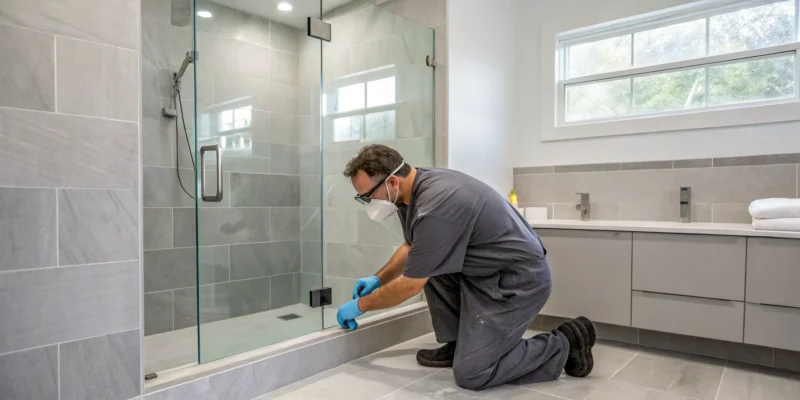
When you’re facing black mold, personal protective equipment (PPE) is non-negotiable. Start with an N-95 respirator mask to keep from breathing in mold spores. Simple dust masks won’t cut it here. You’ll also need safety goggles that wrap around your eyes to protect them from airborne particles and cleaning solutions.
Next, grab a pair of long rubber gloves to keep mold off your skin. For full protection, especially if you’re dealing with a larger patch, consider wearing disposable coveralls to keep spores off your clothes. The goal is to create a complete barrier between you and the mold. Taking these precautions is a critical part of any mold removal project, whether you do it yourself or call in the experts.
How to Contain and Ventilate the Area
Containing the mold is just as important as protecting yourself. Before you do anything, turn off your home’s HVAC system. This prevents the furnace or air conditioner from picking up spores and circulating them throughout your house. Next, seal off the room where you’ll be working. Use plastic sheeting and painter’s tape to cover doorways and any air vents.
Think of it like creating a quarantine zone. Any spores you disturb will stay inside that one area instead of traveling. If possible, open a window in the room to the outside to help with ventilation, but make sure the path to the rest of your home is completely sealed. Proper containment is a cornerstone of professional disaster restoration and is key to protecting your property.
DIY Solutions for Removing Black Mold
If you’ve spotted a small patch of mold on a hard, non-porous surface (like tile or glass), you might be able to handle it with a little elbow grease and some common household items. These DIY solutions can be effective for minor surface issues, but it’s important to be realistic about their limits. These methods are not a substitute for professional remediation, especially if the mold covers a large area (more than 10 square feet), smells very strong, or keeps coming back.
Remember, mold can penetrate porous materials like drywall and wood, and these surface treatments won’t reach the roots. If you suspect the problem is more than skin deep, or if you’re dealing with mold after significant water damage, your safest and most effective option is to call in the experts. A professional mold removal team has the right equipment and training to eliminate the problem completely and safely, protecting your home and your health. For small, manageable spots, here are a few methods you can try.
White Vinegar
Distilled white vinegar is a fantastic, non-toxic option for cleaning up mold. Its acidic nature makes it effective at killing many types of mold spores. Simply pour some undiluted white vinegar into a spray bottle, no need to add water. Spray the moldy area directly and let it sit for at least an hour. This gives the vinegar time to work its magic and break down the mold. After an hour, use a scrub brush to clean the area and wipe it down with a damp cloth. The vinegar smell will be strong at first, but it will fade as it dries.
Hydrogen Peroxide
Hydrogen peroxide is another great alternative, especially since it actively kills mold rather than just bleaching the stain. You can find it at any drug store. For an effective cleaning solution, mix one part liquid dish soap with three parts hydrogen peroxide in a spray bottle. Spray the solution onto the moldy surface and let it sit for about 10 to 15 minutes. The bubbling action shows you it’s working. After letting it sit, scrub the area firmly with a brush to remove the mold and stains. Since hydrogen peroxide can have a slight bleaching effect, it’s a good idea to test it on a small, hidden spot first.
Baking Soda
Baking soda is a mild, safe, and effective cleaner that can help you get rid of mold. It’s also great at absorbing the musty odors that mold leaves behind. For light mold stains, you can dissolve baking soda in water and spray it on the area. For tougher spots, create a thick paste by mixing baking soda with a small amount of water. Apply the paste directly to the moldy surface, let it sit for a bit, and then scrub it away with a brush. Once you’re done scrubbing, rinse the area with water and wipe it clean.
Bleach Solution
Many people reach for bleach first, but it’s important to understand its limitations. While a solution of one cup of bleach per gallon of water can kill surface mold on non-porous materials, it’s often ineffective on porous surfaces like drywall or wood. The bleach can’t penetrate these materials to kill the mold’s roots, so it only removes the surface color, leaving the underlying problem to grow back. If you do use bleach, make sure the area is extremely well-ventilated, never mix it with ammonia, and let the solution sit for about 15 minutes before scrubbing and rinsing thoroughly.
Commercial Mold Removers
If you prefer a ready-made solution, you can find a variety of commercial mold removers at your local home improvement store. These products are specifically formulated to kill mold and prevent its return. When using any commercial cleaner, it is absolutely essential to read and follow the manufacturer’s instructions carefully. Pay close attention to the safety warnings, wear the recommended protective gear (like gloves and goggles), and ensure you have plenty of ventilation in the room while you work. These products can be very effective, but safety should always be your top priority.
How to Remove Black Mold From Different Surfaces
Tackling black mold isn’t a one-size-fits-all process. The right approach depends entirely on where the mold is growing. Porous materials like drywall and wood are much trickier to clean than non-porous surfaces like tile because mold can grow deep into the material, far beyond what you can see. Before you start scrubbing, identify the surface you’re dealing with and use the method that will actually get the job done right.
Drywall
Drywall acts like a sponge, so when mold appears, it’s often a sign of a deeper issue. While you might be tempted to reach for bleach, it’s not effective on porous surfaces like drywall and can even damage the paper facing. For a very small, surface-level spot, a spray bottle of straight white vinegar or hydrogen peroxide can work. However, if the drywall has been wet for a while or the mold covers more than a small patch, the material itself is compromised. In these cases, the affected section of drywall needs to be cut out and replaced to fully remove the problem. This is a job where professional mold removal is your safest bet.
Wood
Like drywall, wood is porous, and mold can embed its roots deep inside. Bleach is a poor choice here, too. It often just whitens the surface, making you think the mold is gone when it’s really just hiding. For sealed or painted wood, you can typically scrub the surface mold away with a vinegar solution. If the wood is unfinished, the problem is more complex. You might need to sand the area after cleaning, but this can send mold spores airborne, creating a bigger problem. If you’re dealing with mold on structural wood or valuable furniture, it’s wise to get a professional opinion before taking any steps that could cause further damage.
Tile and Grout
Bathrooms are a prime spot for mold, especially on tile and grout. While tile itself is non-porous and easy to clean, grout is porous and can harbor mold. For regular cleaning, a spray of white vinegar is effective. For tougher stains that have settled into the grout lines, create a paste with baking soda and water. Apply it to the grout, let it sit for about 15 minutes, then scrub with a stiff brush and rinse. If the mold keeps returning or the grout is cracked and crumbling, the sealant has likely failed. At that point, you may need to remove the old grout and apply new, properly sealed grout.
Carpet and Fabric
This is where we have to deliver some tough news. According to the EPA, it’s extremely difficult, if not impossible, to completely remove mold from materials like carpet, rugs, and upholstery. The mold’s root structure grows deep into the fibers and backing, and you’ll likely never get it all out. While a very small spot on a washable fabric item might be salvageable with a hot water wash and vinegar, moldy carpet and large fabric items should almost always be discarded. Trying to clean them often just spreads spores. If you’ve had a leak or flood, getting a professional assessment of your carpets and furniture is critical to prevent lingering health hazards.
When to Call a Professional for Mold Removal
While it’s tempting to tackle every home project yourself, mold removal is one area where you need to know your limits. Some mold problems are simply too large, too hidden, or too hazardous to handle with a spray bottle and a sponge. Recognizing when to step back and call for help is key to protecting your home and your health. A professional team not only removes the mold but also addresses the underlying moisture issue, ensuring it doesn’t come right back. If you’re on the fence, it’s always better to be safe and get an expert opinion.
The 10-Square-Foot Rule
A good rule of thumb for deciding between DIY and professional help is the 10-square-foot rule. The U.S. Environmental Protection Agency (EPA) suggests that if the affected area is smaller than 10 square feet, or roughly a 3-foot by 3-foot patch, you can likely handle the cleanup yourself. However, if the mold covers a larger area, it’s a sign of a more significant problem. Large-scale mold growth often indicates a bigger moisture issue that needs professional attention to fix correctly. When you see mold spreading across a wide surface, it’s time to call in a professional to assess the full extent of the damage.
Signs Your Mold Problem Is Too Big to Handle
Beyond the size of the mold patch, other red flags indicate a job for the pros. If you suspect mold is growing in your heating or cooling system, do not turn it on. Running the HVAC could spread mold spores throughout your entire home, turning a contained issue into a widespread one. You should also call for help if the mold is a result of major water damage, like a flood or a burst pipe. In these cases, moisture has likely soaked deep into building materials, creating a perfect environment for extensive, hidden mold growth that a surface cleaning can’t fix.
Dealing with Hidden or Recurring Mold
Have you ever cleaned a patch of mold only to see it return a few weeks later? This is a classic sign that the problem is more than skin-deep. Recurring mold suggests the growth is coming from inside a wall, under the floor, or in another hidden space. Simply cleaning the surface is like trimming a weed; the roots remain, and the problem will grow back. Professionals have the tools and expertise to find the hidden moisture source and perform a thorough mold removal that eliminates the problem at its root, so you can finally say goodbye to that musty smell for good.
What to Expect When You Call the Pros
Calling a professional team means you’re getting a comprehensive solution. When you contact a certified team like 911 Restoration of Bakersfield, the first step is a detailed inspection to identify the mold and its moisture source. Next, they will contain the area to prevent spores from spreading during removal. The technicians then use specialized equipment and techniques to safely remove all mold-infested materials. Finally, they address the cause of the moisture to prevent future growth. A full-service disaster restoration company can even handle repairs and reconstruction, returning your home to its pre-damage condition.
How to Keep Black Mold from Returning
After you’ve gone through the effort of removing black mold, the last thing you want is for it to come back. The good news is that prevention is straightforward. It all comes down to controlling the environment inside your home. By staying on top of moisture, improving airflow, and being proactive with your cleaning, you can make your home an unwelcome place for mold. These next steps will help you keep your property safe and mold-free for the long haul.
Control Your Home’s Moisture
Mold can’t grow without moisture, so this is the most important step in preventing its return. You need to find and fix the source of the dampness. This often means repairing leaky pipes under the sink, fixing a damaged roof, or addressing cracks in your foundation. If you live in a humid climate or have a naturally damp basement, running a dehumidifier can make a huge difference by keeping the air below the 50% humidity level that mold loves.
If you’ve had a recent pipe burst or flood, it’s critical to dry the area completely. Even a small amount of lingering moisture can lead to a new mold problem. Our professional water damage restoration services use specialized equipment to find and eliminate hidden moisture, ensuring your home is thoroughly dry and safe from future growth.
Improve Airflow in High-Risk Areas
Stagnant, damp air is a perfect recipe for mold. Improving ventilation in high-risk areas like bathrooms, kitchens, and laundry rooms is essential. Always use the exhaust fan when you’re showering or cooking, and let it run for about 30 minutes afterward to clear out the steam. If you don’t have a fan, cracking open a window can help.
Simple habits can also improve airflow throughout your home. Try to keep furniture a few inches away from walls to allow air to circulate. Make sure your closets aren’t overstuffed, and open them periodically to air them out. According to the EPA, good ventilation is one of the best ways to prevent moisture from building up in the first place.
Choose Mold-Resistant Building Materials
If you’re renovating or repairing an area that was damaged by water, this is a great opportunity to build in some extra protection. Consider using mold-resistant products for your project. You can find mold-resistant drywall, which is made with a special paperless backing, and mold-resistant paints and primers that contain antimicrobial agents to stop mold from growing on the surface. These materials are especially useful in bathrooms, basements, and other areas that are frequently exposed to moisture. Using them is a smart, proactive investment in keeping your home healthy.
Make Regular Checks Part of Your Routine
Making mold prevention a part of your regular home maintenance can save you a lot of trouble down the road. Once a month, do a quick visual inspection of areas where mold is likely to grow, like under sinks, around window frames, and in the corners of your basement. Pay attention to any musty smells that could signal hidden growth. Wiping down your shower tiles with a vinegar solution weekly can also help keep mildew at bay. If you do find a small spot of new mold, clean it up right away. The faster you act, the less likely it is to become a major problem that requires professional mold removal.
Does Homeowners Insurance Cover Mold Removal?
“Does homeowners insurance cover mold removal?” is a question that brings a lot of stress, and for good reason. The answer, unfortunately, isn’t a simple yes or no. It really depends on your specific policy and, most importantly, what caused the mold to grow in the first place. For many homeowners in Bakersfield and across Kern County, figuring this out feels like a job in itself, especially when you’re already dealing with the shock of finding mold.
Generally, if the mold is a direct result of a sudden and accidental event that your policy covers, like a burst pipe or water damage from a storm, you have a good chance of being covered. However, if the mold grew over time due to poor maintenance or high humidity, coverage is less likely. The key is to understand what your policy says and know how to file a claim correctly. The good news is you don’t have to go through it alone. Working with a professional disaster restoration team that understands the insurance process can make a world of difference. They can help document the damage properly and speak the insurance company’s language, which is a huge relief.
Understanding Your Coverage
So, what does your policy actually cover? It’s time to pull out that document and take a closer look. Most standard homeowners insurance policies have specific rules about mold. As the Insurance Information Institute explains, coverage often depends on the original source of the moisture. If a covered event, like a washing machine hose suddenly breaking, causes water damage that leads to mold, the cost of mold removal is often included.
However, mold caused by gradual problems, such as a slow leak you didn’t fix or general humidity in a bathroom, is usually not covered. Insurers see this as a maintenance issue. Some policies have a specific cap on how much they will pay for mold remediation, while others exclude it entirely. It’s a great idea to call your insurance agent to clarify your coverage before you have a problem. You can also ask if they offer a special endorsement or add-on for extra mold protection.
Filing a Mold-Related Claim
If you find mold and believe it’s linked to a covered issue, it’s important to act quickly and strategically. First, do what you can to stop the source of moisture to prevent more damage, but don’t attempt any major cleanup yet. Your next step is to document everything. Take clear photos and videos of the mold and the affected area before anything is moved or repaired. This evidence is critical for your claim.
The National Association of Insurance Commissioners advises homeowners to notify their insurance company as soon as possible. Most policies have strict deadlines for filing claims. When you call, have your policy number ready and be prepared to share your photos. This is also where a professional restoration company can be your greatest ally. At 911 Restoration of Bakersfield, we provide thorough documentation and can communicate directly with your insurance adjuster to ensure the process is as smooth and stress-free as possible for you.
Frequently Asked Questions
Is all black-colored mold the dangerous “black mold” I hear about? Not necessarily. Many types of mold can appear black, and you can’t tell if a mold is a specific type, like Stachybotrys chartarum, just by looking at it. The most important thing to remember is that any color of mold in your home is a problem. It indicates you have a moisture issue that needs to be fixed, and all molds can potentially cause health effects and property damage. It’s best to treat any mold growth with caution and address it properly.
I smell a musty odor but can’t find any visible mold. What should I do? Trust your nose, as that musty smell is a major sign that mold is growing somewhere. Start by checking common hidden spots that are prone to moisture, like under sinks, behind the toilet, around window sills, and near appliances that use water. If you can’t find the source, the mold is likely growing in a place you can’t see, such as inside a wall or under the flooring. In this situation, it’s best to call for a professional inspection to locate and deal with the hidden problem.
Can I just use a mold-killing primer or paint over a small mold spot? Painting over mold is never a good idea. While it might seem like a quick fix, the paint only covers the stain and does not kill the mold or solve the underlying moisture issue. In fact, it can trap moisture against the wall, which allows the mold to continue thriving and spreading underneath the new paint. The problem will eventually reappear, and it will likely be worse than before.
How quickly can mold start to grow after a water leak? Mold can begin to grow surprisingly fast. Under the right conditions (moisture, a food source like drywall, and warmth), mold spores can start to colonize in as little as 24 to 48 hours. This is why acting quickly after any water damage event, from a small leak to a major flood, is so critical. The sooner you can get the area professionally dried, the lower your risk of developing a serious mold problem.
If I try to clean the mold myself, will it affect my homeowners insurance claim? It certainly can. Before you start any significant cleanup, your first step should be to document the damage thoroughly with photos and videos. Insurance companies often need proof of the problem’s source and extent to process a claim. Starting a large DIY removal project before notifying your insurer could make it difficult to prove your case. For the best outcome, document everything, call your insurance agent, and contact a professional restoration company that can provide expert guidance and work directly with your insurer.
