What Is Water and Mold Remediation? A Full Guide
That persistent musty smell you can’t seem to locate? The allergy symptoms that only flare up when you’re at home? These aren’t just minor annoyances; they’re potential warning signs of a hidden mold problem. Mold is more than just an ugly stain on the wall. It releases microscopic spores into the air you breathe, which can cause a range of health issues from headaches and coughing to serious respiratory distress, especially for children and the elderly. This is why professional water and mold remediation is, first and foremost, a health and safety service. It’s about creating a safe environment for your family by addressing the root cause and ensuring your home’s air is clean and healthy once again.
Key Takeaways
- Address the Water to Stop the Mold: Mold is a symptom of a bigger water problem. To get rid of it for good, you must first find and fix the underlying moisture source, whether it’s a hidden leak, condensation, or flood damage.
- Time is Not on Your Side: Mold can begin to grow within 24 to 48 hours of water damage. Acting quickly by calling a professional restoration team is the single best way to prevent a small water issue from becoming a major mold problem.
- Know When to Call a Professional: While DIY might seem tempting, significant water damage or mold growth requires expert handling. IICRC-certified technicians have the tools and training to safely contain the issue, protect your home’s air quality, and ensure the problem is solved correctly the first time.
What Are Water and Mold Remediation?
When you discover water damage in your home or business, your first thought is probably about the immediate mess. But the bigger concern is often what comes next: mold. That’s why you’ll hear professionals talk about water and mold remediation together. They are two sides of the same coin when it comes to restoring your property after a disaster. Understanding what each process involves is the first step toward getting your space back to a safe, healthy state. It’s not just about cleaning up; it’s about following a strategic plan to ensure the problem is gone for good. Let’s break down what these terms really mean and why you can’t tackle one without addressing the other.
Water Remediation Explained
When your property has a leak or flood, the clock starts ticking. Water remediation is the complete process of addressing the damage. This goes far beyond just soaking up the visible water. It involves removing standing water, drying out all affected materials like drywall and flooring, and sanitizing the area to prevent microbial growth. Since mold can begin to grow in as little as 48 hours, a fast and thorough water damage restoration is critical. The main goal is to stop the damage from spreading and create an environment where mold simply can’t thrive. It’s about protecting your property’s structure and your peace of mind.
Mold Remediation Explained
If you’ve found mold, you might think the goal is to completely eliminate every last spore. In reality, that’s not possible, since mold spores exist naturally everywhere, both indoors and out. Instead, professional mold remediation focuses on bringing mold levels back to a normal, safe state. This process involves containing the affected area to prevent spores from spreading, using air filtration devices to clean the air, and removing mold from contaminated surfaces. For porous materials like drywall or carpet that can’t be fully cleaned, removal is often necessary. The objective is to manage the mold and restore a healthy environment for you and your family.
Why You Can’t Treat One Without the Other
Here’s the most important thing to remember: mold needs moisture to grow. You can scrub away all the visible mold you see, but if you don’t solve the underlying water problem, it will just come back. The U.S. Environmental Protection Agency is clear that before any cleanup begins, you must fix any water leaks or moisture issues. Think of it like weeding a garden. You can pull the weeds, but if you keep watering them, they’ll grow right back. A true restoration professional will always identify and repair the source of the water first, then begin the process of drying and mold remediation. This two-step approach is the only way to ensure a lasting solution.
Common Causes of Water Damage and Mold
Water damage can feel like it comes out of nowhere, but it almost always has a specific source. Whether it’s a sudden pipe burst or a slow, hidden leak, the result is the same: excess moisture that can wreak havoc on your property. And wherever you find persistent moisture, mold is often not far behind. Understanding the root cause of the problem is the first step toward a lasting solution. Once you know what you’re up against, you can take the right steps to fix the immediate issue and prevent it from happening again.
Most water and mold issues stem from a handful of common culprits. Some are obvious, like a flooded basement after a storm, while others are much sneakier, like high humidity in a poorly ventilated attic. Knowing what to look for can help you spot trouble early. From plumbing failures to weather events, each cause requires a specific approach to water damage restoration to ensure your home is safe, dry, and completely restored. Let’s walk through the most frequent causes you might encounter in your home or business.
Leaky Pipes and Plumbing Failures
It’s easy to ignore a tiny drip under the sink, but leaky pipes are one of the most common sources of serious water damage. Over time, pipes can corrode, seals can break, and joints can loosen, creating slow leaks that saturate drywall, flooring, and insulation. These hidden leaks are especially tricky because they can go unnoticed for weeks or months, giving mold the perfect dark, damp environment to thrive.
Sometimes, the problem is more dramatic. A clog can create intense pressure inside a pipe, leading to a sudden burst that floods a room in minutes. Whether you’re dealing with a slow leak or a major plumbing failure, the key is to act fast. Shutting off the water and calling a professional can stop the damage from spreading and kickstart the drying process before mold takes hold.
Storms, Floods, and Natural Disasters
Here in Kern County, we know that severe weather can strike unexpectedly. Heavy rainfall can easily overwhelm gutters and drainage systems, causing water to pool around your foundation and seep into your basement or crawl space. A major storm can also damage your roof, allowing water to leak directly into your attic and ceilings. This type of large-scale water intrusion is not just a cleanup job; it’s a crisis that requires immediate disaster restoration.
Floodwater is especially dangerous because it’s often contaminated with soil, chemicals, and other pollutants. This “black water” introduces harmful bacteria into your home and accelerates mold growth. When a natural disaster is the cause, you need a team that can handle both the water removal and the potential biohazards safely.
Hidden Humidity and Poor Airflow
You don’t need a flood or a leak to have a mold problem. Sometimes, the air itself is the culprit. When a space has high humidity and poor airflow, moisture can condense on surfaces and create a perfect breeding ground for mold. Areas like basements, attics, laundry rooms, and bathrooms are particularly vulnerable because they often trap warm, moist air.
If you’ve noticed a persistent musty smell or have seen small spots of discoloration on walls or ceilings, you might be dealing with a humidity issue. Improving ventilation with fans or a dehumidifier can help, but if mold is already present, you’ll need professional mold removal to safely eliminate the colonies and treat the underlying moisture problem. It’s a reminder that sometimes the biggest threats are the ones you can’t see.
The Dangers of a Sewage Backup
A sewage backup is one of the most stressful and hazardous situations a property owner can face. Whether it’s caused by a clog in your home’s drain pipes or an issue with the main municipal sewer line, the result is contaminated water flowing back into your property. This isn’t just water; it’s raw sewage filled with dangerous bacteria, viruses, and pathogens that pose a serious health risk.
Never try to handle a sewage backup on your own. The water can cause severe illness, and standard cleaning methods are not enough to sanitize the area. This is a job that requires specialized equipment and protective gear. Professional sewage cleanup is essential to safely remove the waste, decontaminate your property, and restore your home to a safe and healthy condition.
How Fast Does Mold Grow After Water Damage?
It’s the question every homeowner asks after a leak or flood: how much time do I have before mold shows up? The answer is, not much. Mold can begin to grow in as little as 24 to 48 hours after water damage. The clock starts ticking the moment moisture is introduced.
Think of mold spores as tiny seeds that are always present in the air, just waiting for the right conditions to sprout. When a pipe bursts, an appliance fails, or a storm causes flooding, your home suddenly has the perfect damp environment for them to thrive. Porous materials like drywall, wood, insulation, and carpet are especially vulnerable. They soak up water and provide a food source, creating an ideal breeding ground.
This tight timeline is why immediate action is so critical. The key is to get everything completely dry before mold has a chance to take hold. Professional water damage restoration isn’t just about mopping up puddles; it involves using specialized equipment to remove moisture from the air and from deep within your home’s structure. If you wait too long, you’re no longer just dealing with a water issue. You’re facing a much more complex mold removal project that can be more costly and disruptive. Acting fast is the single best thing you can do to protect your property and your health.
Understanding the Health Risks of Mold
That musty smell is more than just an unpleasant odor; it’s a warning sign. Mold isn’t just an ugly stain on your wall or ceiling. It’s a living organism that releases tiny, invisible spores into the air that you and your family breathe. When these spores find a damp spot, they can start a new colony, spreading the problem throughout your property. This is why a small leak can quickly turn into a major health hazard.
The health issues caused by mold can range from mild irritations to severe, long-term conditions. Understanding these risks is the first step in realizing why quick, professional action is so important for your home and your health. It’s not just about aesthetics or property value; it’s about creating a safe environment for everyone under your roof. Ignoring mold is like ignoring a slow-burning fire, the longer you wait, the more damage it can do. Let’s look at exactly what kind of health problems we’re talking about.
Allergies, Asthma, and Breathing Problems
For many people, the first sign of a mold problem is a sudden increase in allergy-like symptoms. If you find yourself constantly dealing with a runny nose, watery eyes, sneezing, or a persistent cough only when you’re at home, mold could be the hidden cause. These are your body’s reactions to inhaling mold spores. For anyone with asthma, the situation is even more serious. The U.S. Environmental Protection Agency (EPA) notes that exposure to mold can cause asthma attacks in people who are allergic. This can lead to significant breathing difficulties and chest tightness, making your own home feel unsafe.
Beyond Allergies: Serious Long-Term Health Effects
While allergy symptoms are disruptive, they often represent the initial effects of mold exposure. Ignoring the problem can lead to more serious, long-term health consequences. According to the Rhode Island Department of Health, ongoing exposure to a large number of mold spores can cause more than just allergic symptoms, potentially contributing to chronic respiratory conditions. Furthermore, certain types of mold produce mycotoxins, which are toxic substances that can build up in the body and cause serious health issues over time. This is why addressing mold is about much more than just cleaning a visible spot; it’s about protecting your future well-being.
Who Is Most Vulnerable to Mold Sickness?
While anyone can be affected by mold, some individuals are at a much higher risk of developing severe reactions. Children, infants, and the elderly have more sensitive systems that can be easily overwhelmed by mold spores. Additionally, people with compromised immune systems or pre-existing respiratory conditions like asthma and allergies are far more likely to react to mold, as noted by the Washtenaw County Health Department. If anyone in your home falls into these categories, taking immediate action is critical. Professional mold removal is the safest way to ensure every trace is gone, protecting the health of your most vulnerable loved ones.
Your Step-by-Step Guide to Professional Remediation
When you’re facing a mess of water and mold, the path back to normal can feel overwhelming. The good news is that professional remediation isn’t a chaotic free-for-all. It’s a structured, scientific process designed to safely and completely handle the problem. While every situation has its own unique challenges, a certified team follows a series of proven steps to ensure your property is clean, dry, and safe again.
Understanding this process can give you peace of mind, knowing that there’s a clear plan in place. From the initial inspection to the final repairs, each step builds on the last to deliver a comprehensive solution. This isn’t just about cleaning up a visible mess; it’s about addressing the root cause, eliminating hidden moisture, and preventing future problems. A true disaster restoration service handles every phase, so you don’t have to coordinate multiple contractors. Let’s walk through what you can expect when the professionals arrive.
Step 1: Assess the Damage
The first thing a professional team does is a thorough inspection. Before any work begins, they need to understand the full scope of the problem. This isn’t just a quick look around; certified technicians use specialized tools like moisture meters and thermal imaging cameras to find where water is hiding, even behind walls and under floors. They’ll identify the source of the moisture, determine the type of water involved (clean, gray, or black), and map out the extent of the mold growth. This detailed assessment is the foundation for an effective remediation plan, ensuring no affected areas are missed.
Step 2: Remove Water and Dry Everything Out
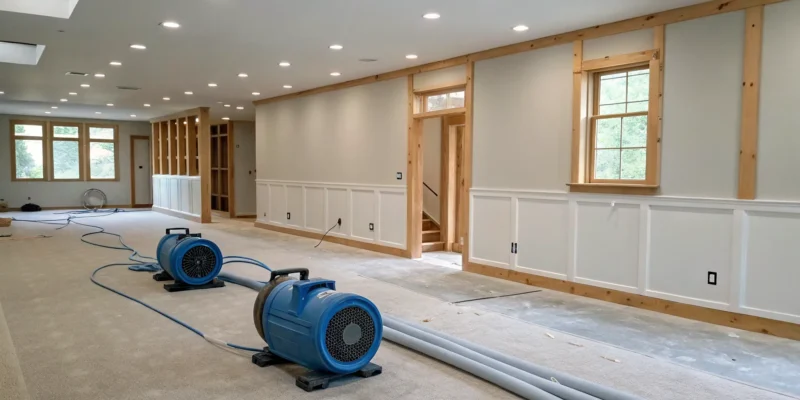
With a clear plan in place, the next priority is to get everything dry. If there’s any standing water, technicians use powerful, truck-mounted pumps and vacuums for rapid extraction. Getting the bulk water out quickly is critical to preventing further damage. After the standing water is gone, the focus shifts to removing absorbed moisture. This is where industrial-grade air movers and dehumidifiers come in. They create airflow across wet surfaces and pull moisture from the air, materials, and structural components, a crucial step in any water damage restoration project.
Step 3: Contain the Area and Clean the Air
You can’t see them, but mold spores can easily become airborne during cleanup and spread to unaffected parts of your property. To prevent this cross-contamination, professionals establish a containment zone. This often involves using heavy plastic sheeting to seal off the work area from the rest of your home or business. They may also create negative air pressure, which helps direct airborne spores out of the property. While containment is in place, HEPA air scrubbers run continuously to capture microscopic mold spores, dust, and other particles from the air, improving air quality and ensuring a safe environment.
Step 4: Eliminate Mold and Treat Surfaces
This is the step where the actual mold removal happens. Using specialized techniques and protective gear, technicians will remove materials that are too contaminated to be saved, such as drywall, insulation, and carpeting. These items are carefully bagged to prevent spores from spreading during disposal. For non-porous or semi-porous materials that can be salvaged, like wood framing or concrete, professionals use antimicrobial treatments to clean and disinfect the surfaces, killing any remaining mold and preventing its return. This goes far beyond what a simple scrub with soap and water can achieve.
Step 5: Repair and Restore Your Property
Remediation isn’t finished until your property feels like home again. The final step is all about restoration and reconstruction. After the cleaning and drying are complete, the team will repair or replace everything that was removed. This can range from minor repairs like replacing a section of drywall and painting to more significant work like installing new flooring or rebuilding entire rooms. A full-service restoration company can handle this entire process, giving you a “Fresh Start” without the headache of hiring separate contractors. The goal is to return your property to its pre-damage condition, making it safe, clean, and comfortable once more.
Should You DIY or Call a Pro?
When you find water damage or mold, your first instinct might be to roll up your sleeves and tackle it yourself. A quick search online can make it seem like a simple weekend project, and who doesn’t love saving a little money? While the DIY spirit is admirable, water and mold issues are often more complex than they appear. What starts as a small spot on the wall could be a sign of a much larger problem hiding behind it. Trying to fix it without the right training or equipment can accidentally spread mold spores, making the air quality worse and creating a bigger headache down the road.
Deciding between a DIY fix and calling a professional comes down to weighing the risks. A small, contained issue on a non-porous surface might be manageable, but significant water damage or mold growth over ten square feet requires a different level of intervention. Professionals have the tools to find hidden moisture, the techniques to contain contamination, and the knowledge to ensure your home is truly clean and safe. It’s about getting the job done right the first time for your health and your home’s integrity. A professional disaster restoration team can make all the difference, giving you peace of mind that the problem is truly solved, not just covered up.
The Limits of a DIY Approach
The biggest challenge with a DIY approach is addressing the root cause. According to the US EPA, “Mold needs water to grow. If you have leaks or other water issues, fix them right away.” While that sounds straightforward, finding the source of moisture isn’t always easy. It could be a slow leak inside a wall or humidity trapped in the attic. Without professional moisture detection tools, you might just be cleaning the visible mold while the underlying water damage continues to feed new growth. You also risk disturbing the mold and sending spores airborne, contaminating other areas of your home and creating a much larger problem than you started with.
Busting Common Mold Removal Myths
One of the most persistent myths is that you can completely remove all mold from your home. The truth is, tiny mold spores are a natural part of our environment, both indoors and out. As one industry resource explains, companies that promise total “mold removal” are making a false claim. The actual goal is mold remediation, which means returning mold levels to a normal, safe state. Simply spraying bleach on a surface won’t work. It might discolor the mold, but it often doesn’t kill the roots, especially on porous materials like drywall or wood, and the mold will likely return.
Why IICRC Certification Matters for Your Home
So, how do you know a professional truly knows what they’re doing? Look for IICRC certification. The Institute of Inspection, Cleaning and Restoration Certification sets the gold standard for the industry. A certified technician understands that “mold remediation is a specialized process that requires understanding how mold grows and how to safely manage it to prevent its return.” Hiring an IICRC-certified team, like ours at 911 Restoration of Bakersfield, means you’re getting experts who follow proven protocols for containment, cleaning, and restoration. It’s your assurance that the job will be handled safely and effectively, protecting your property and your family’s health.
What to Expect: The Cost of Remediation
One of the first questions on everyone’s mind when facing water or mold damage is, “How much is this going to cost?” It’s a completely valid concern, and while there isn’t a single price tag for remediation, understanding the variables can help you prepare. The final bill depends on the unique circumstances of your property, including the severity of the damage and the materials involved. A small leak contained to one room will have a very different price tag than a major flood affecting multiple levels of your home.
The goal of professional remediation isn’t just to clean up the mess; it’s to restore your property to a safe, healthy condition and prevent the problem from returning. This involves a detailed process that addresses both the visible damage and the hidden moisture that causes it. Think of it as an investment in your property’s health and your family’s well-being. A reputable company will provide a clear estimate after a thorough inspection, so you know what to expect before work begins. Below, we’ll break down the key factors that influence the cost and discuss how homeowner’s insurance often comes into play, giving you a clearer picture of the financial side of restoration.
Factors That Influence the Final Cost
The cost to remove mold can change quite a bit from one home to the next. A small, contained spot is much different than a widespread issue. Several key elements determine the final price. The size of the affected area is the biggest factor; the more square footage that needs treatment, the more labor and materials are required.
Location also plays a big role. Mold in an open, easy-to-reach area will cost less to handle than mold hidden inside walls, attics, or HVAC systems. The type of materials affected matters, too. Porous materials like drywall, carpet, and insulation often need to be removed and replaced, adding to the cost. Finally, the specific type of mold can influence the process, as certain strains require more specialized containment and cleaning protocols to ensure safe and effective mold removal.
Will Your Homeowner’s Insurance Cover It?
This is the million-dollar question, and the answer is: it depends on your policy. Most standard homeowner’s insurance policies provide coverage for water damage from sudden and accidental events, like a burst pipe or a washing machine overflow. If mold growth is a direct result of a covered event, the associated remediation costs are often covered as well. However, coverage is typically denied for mold caused by long-term leaks, poor maintenance, or high humidity.
Your first step should always be to review your policy and contact your insurance agent immediately. Acting fast is critical. The sooner you report the issue and begin professional water damage restoration, the better your chances are of having the claim approved. A professional restoration company can also help by providing detailed documentation and working directly with your insurance adjuster to streamline the claims process.
Proactive Steps to Prevent Future Mold
After dealing with water and mold, the last thing you want is a repeat performance. Taking a few proactive steps can make all the difference in keeping your home or business dry, healthy, and mold-free for the long haul. Think of it as simple preventative care for your property. By staying on top of moisture and maintenance, you can protect your space and your peace of mind.
Manage Your Home’s Humidity
Mold loves moisture, and a humid home is like an open invitation. The key is to keep the air inside your property from getting too damp. Experts recommend you “keep the humidity inside your home below 45 percent,” because high humidity creates the perfect environment for mold to thrive. You can easily monitor this with a small, inexpensive device called a hygrometer. To keep levels in check, use exhaust fans in your kitchen and bathrooms, make sure your dryer vents to the outside, and consider running a dehumidifier in damp areas like basements. Good airflow is your best friend in the fight against future mold removal projects.
Fix Leaks the Moment You Find Them
Even the smallest drip can lead to a massive headache. According to the EPA, it’s critical to “fix plumbing leaks and other water problems as soon as possible.” That prompt action is what stops a simple repair from turning into a major restoration project. Pay attention to the areas under your sinks, behind your toilet, and around appliances like refrigerators and washing machines. If you spot a puddle, a water stain, or a dripping faucet, don’t put it off. Addressing a leak immediately cuts off the water supply that mold needs to grow, preventing a small issue from causing significant water damage restoration needs down the line.
Schedule Regular Property Check-ups
Out of sight shouldn’t mean out of mind, especially when it comes to your property’s plumbing and structure. Scheduling regular inspections is a simple way to catch problems early. It’s a good practice to “regularly check your roof, pipes, and heating/cooling system to catch water issues before they lead to mold growth.” At least twice a year, take a walk around your property. Look for signs of trouble like loose shingles, clogged gutters, or water stains on ceilings and walls. For business owners, these routine checks are even more critical to protect your investment and prevent disruptions, making them a core part of any commercial restoration prevention plan.
Get Expert Help for Water and Mold in Bakersfield
When you’re facing water damage and the mold that often follows, calling in a professional is one of the most important decisions you can make. It’s about more than just cleaning up a mess; it’s about protecting your property and your health from long-term problems. Improperly handling mold can spread spores to unaffected areas of your home, creating an even bigger issue than you started with. An expert team has the right equipment and training to handle the situation safely and completely.
A common misconception is that mold remediation eliminates every single mold spore from your home. In reality, mold spores are a natural part of our environment, both indoors and out. The goal of professional mold removal is to bring mold levels back to a normal, healthy balance. This process involves containing the affected area, filtering the air, and cleaning or removing materials contaminated with mold.
The most critical step in stopping mold is to control the moisture. According to the U.S. Environmental Protection Agency (EPA), you must fix the water problem before you can effectively address the mold. That’s why a true remediation process always begins with comprehensive water damage restoration. Our IICRC-certified technicians will first identify and stop the source of the water, whether it’s a hidden leak, a sewage backup, or flood damage. After thoroughly drying the structure, we can then properly address the mold growth. Acting fast not only prevents mold from spreading but can also help keep restoration costs down. If you see signs of water or mold in your Bakersfield property, don’t wait. Getting an expert assessment is the first step toward a fresh start.
Frequently Asked Questions
How quickly do I need to act after finding water damage? You should act immediately. The clock for mold growth starts the moment water appears, with colonies often forming in just 24 to 48 hours. Calling a professional restoration team right away is the single best thing you can do. A fast response not only stops the water from causing more structural damage but can also prevent a much larger and more expensive mold problem from ever starting.
Can I just use bleach to clean the mold myself? This is a common question, but using bleach is not an effective solution. While it might remove the visible stain on the surface, it doesn’t penetrate porous materials like drywall or wood to kill the mold’s roots. More importantly, scrubbing mold without proper containment can release millions of spores into the air, spreading the problem to other areas of your home and creating a health hazard.
What if I only smell a musty odor but can’t see any mold? Trust your nose. A persistent musty smell is a very strong indicator that mold is growing somewhere, even if you can’t see it. Mold often thrives in hidden places like behind walls, under flooring, or in attics where moisture has collected. A professional inspection can use tools like moisture meters and thermal cameras to locate the hidden water source and the resulting mold growth without tearing your home apart.
How long will the entire water and mold remediation process take? The timeline really depends on the extent of the damage. A small, contained issue might only take a few days to resolve completely. However, a more significant problem involving multiple rooms or structural drying could take a week or longer. A professional team will give you a clear and realistic timeline after their initial assessment so you know exactly what to expect.
Is the professional cleaning process safe for my family and pets? Absolutely. Your family’s safety is the top priority. Professional technicians use strict protocols to ensure the process is safe. This includes setting up containment barriers with plastic sheeting to isolate the work area and using specialized air filtration devices, or air scrubbers, to capture airborne spores. This prevents cross-contamination and keeps the air in the rest of your home clean and safe for everyone, including your pets.
