

Basement Water Damage Repair: A Step-by-Step Guide
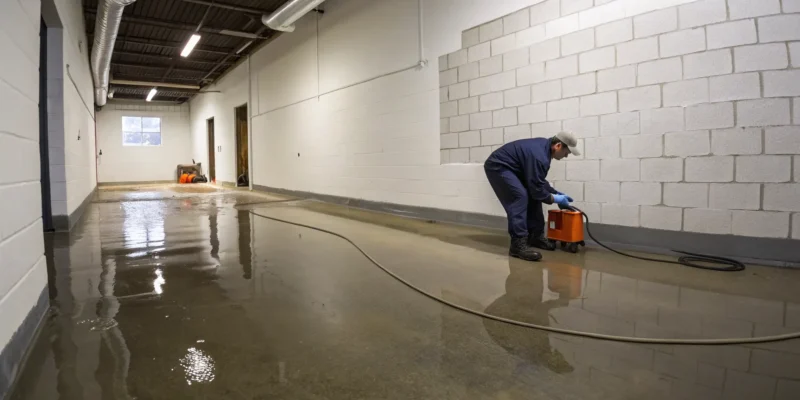
Your basement is more than just a storage area; it’s the foundation of your entire home. Keeping it dry is essential for protecting your property’s structural integrity and value. While proactive steps like maintaining your gutters and sealing foundation cracks can prevent many issues, sometimes water finds a way in despite our best efforts. When that happens, a fast response is everything. A small leak can quickly become a major crisis, leading to structural issues and mold growth. This guide is your resource for both prevention and emergency response, outlining how to protect your home and what to do when you need immediate basement water damage repair to get your property back to normal.
Key Takeaways
- Pinpoint the Water’s Origin: Water in your basement usually comes from outside due to poor drainage and foundation cracks, or from inside your home through plumbing leaks and appliance failures. Knowing the source helps you and the professionals determine the right solution.
- Act Safely and Document Everything: Your first priorities are safety and evidence. Shut off the power before entering the area, then take detailed photos and videos of the flooding and all damaged items. This documentation is essential for a smooth insurance claim process.
- Prevent Future Floods with Regular Upkeep: Simple maintenance can save you from another disaster. Regularly clean your gutters, check that your yard slopes away from the foundation, inspect your sump pump, and seal any visible cracks to keep your basement dry.
Why Is There Water in My Basement?
Finding water in your basement is a sinking feeling, and your first question is probably, “Where did this come from?” Understanding the source is the first step toward fixing the problem and preventing it from happening again. Water can get into your basement from a surprising number of places, both from outside and inside your home. It could be a result of heavy rainfall, issues with your home’s foundation, or even a problem with an appliance you use every day.
Figuring out the cause can feel like detective work. Sometimes the culprit is obvious, like a burst pipe. Other times, it’s more subtle, like water seeping slowly through a tiny crack in the wall. Each cause requires a different solution, so identifying the right one is key. Whether it’s a sudden flood or a slow leak you’ve just noticed, knowing why it happened helps you take the right action. Let’s walk through the most common reasons you might find water where it doesn’t belong, so you can get a handle on the situation.
Rainstorms and Drainage Issues
After a heavy downpour, the ground around your home can become completely saturated. When this happens, the groundwater level rises and creates what’s called hydrostatic pressure. This pressure pushes against your foundation, and if it finds any weak spots, it will force water right through them. You might see it seeping in where the floor meets the walls or coming up through small cracks in the concrete floor.
Another major factor is how water drains around your property. Ideally, your yard should slope away from your house, guiding rainwater away. If it slopes inward, or if your gutters and downspouts are clogged and overflowing, water will pool right next to your foundation. This constant exposure makes it much easier for water to find a way inside, turning a simple rainstorm into a major headache that requires professional water damage restoration.
Foundation Cracks and Water Pressure
Your home’s foundation is strong, but it’s not always impenetrable. Over time, concrete can develop cracks due to settling or the constant pressure from the surrounding soil. Even hairline cracks can become entry points for water, especially when the ground is soaked from rain or melting snow. You might notice damp spots or water stains on your basement walls, which are clear signs that water is seeping through from the outside.
This problem is often made worse by poor exterior drainage. When water isn’t directed away from your home, it collects against the foundation walls, building pressure and searching for any path inside. This is why keeping your gutters clean and ensuring downspouts extend several feet from the house is so important. A small crack combined with a lot of water can quickly lead to a significant disaster restoration project.
Leaky Pipes and Malfunctioning Appliances
Sometimes, the source of basement water is already inside your house. Your plumbing system runs throughout your home, and a sudden failure can release a huge amount of water in a short time. A burst pipe, a cracked washing machine hose, or a leaking water heater are common culprits that can quickly flood a basement. These incidents are often sudden and can cause widespread damage if not addressed immediately.
Beyond dramatic bursts, slow leaks from pipes hidden in walls or ceilings can also cause serious problems. You might not notice them until you see a water stain, smell a musty odor, or find damp drywall. These hidden leaks create the perfect environment for mold to grow, which can compromise your home’s structure and air quality. Prompt mold removal is essential to protect your property and your family’s health.
A Failed Sump Pump
If your home has a sump pump, you rely on it to be your first line of defense against groundwater intrusion. This device sits in a pit in your basement and automatically pumps out water that collects there, keeping the area dry. But if the sump pump fails, that protection is gone. A failure can happen for several reasons: a power outage, a mechanical breakdown, or the pump simply being overwhelmed by an extreme amount of water.
When the pump stops working during a storm, your basement can flood quickly. Regular maintenance can help prevent unexpected failures, but sometimes they happen despite our best efforts. For businesses, a failed sump pump can be especially devastating, leading to damaged inventory and operational downtime. That’s why having a plan for commercial restoration is critical for protecting your assets.
Sewer Backups
A sewer backup is one of the most unpleasant and hazardous causes of basement flooding. During intense rainstorms, municipal sewer systems can become overwhelmed with water. When the system can’t handle the volume, the excess water and raw sewage can be forced back up through the pipes and into your home, typically through floor drains in the basement. This can also happen if there’s a blockage in your home’s main sewer line.
This isn’t just water; it’s highly contaminated and poses serious health risks. This “black water” contains bacteria, viruses, and other harmful pathogens. Because of the significant health hazards involved, you should never try to handle this type of cleanup on your own. It requires specialized equipment and expertise to ensure the area is safely and thoroughly decontaminated through professional sewage cleanup.
Found Water in Your Basement? Here’s What to Do First
Discovering water in your basement can send a jolt of panic through anyone. It’s a stressful, overwhelming moment, but taking a deep breath and acting quickly can make a world of difference. The first few hours are critical for minimizing damage, preventing mold, and making the restoration process smoother. Before you even think about cleanup, there are a few immediate steps you need to take to ensure your safety and protect your home. Think of this as your emergency action plan. Following these steps in order will help you get control of the situation while you wait for professional help to arrive. From making the area safe to documenting the scene for your insurance company, each action you take lays the groundwork for a successful recovery. This guide will walk you through exactly what to do, step by step, to manage the immediate crisis. We’ll cover how to secure the area, identify the problem, and protect yourself from potential hazards. Remember, you don’t have to handle this alone, but your first moves are key to getting your home back to normal as soon as possible.
Cut the Power for Safety
Before you step into the flooded area, your absolute first priority is safety. Water and electricity are a dangerous combination. If you can safely access your home’s breaker box without walking through water, go there and shut off all electrical circuits connected to the basement. This includes power to outlets, lights, and any appliances in the area. If your home uses natural gas, it’s also a good idea to turn off the gas supply to any basement appliances, like a furnace or water heater. If you are unsure or would have to enter the water to reach the panel, do not attempt it. Stay out of the basement and wait for a professional.
Find and Stop the Source of Water
Once the area is safe from electrical hazards, try to identify where the water is coming from. If you see water actively flowing from a burst pipe or a broken appliance hose, you may be able to stop it yourself. You can do this by shutting off your home’s main water valve, which is usually located where the water line enters your house, often in the basement, a crawl space, or an exterior utility box. Turning this valve clockwise should stop the flow. If the flooding is from a storm or groundwater seeping in, you won’t be able to stop the source, but knowing where it’s coming from is still helpful information for the restoration team.
Gear Up to Protect Yourself
Never enter a flooded area without proper protection. Floodwater, even if it looks clear, can be contaminated with bacteria, chemicals, or other unseen hazards. Before you walk into the basement, put on waterproof gear. At a minimum, you’ll want a pair of sturdy, waterproof rubber boots and rubber gloves. If you suspect the water is from a sewage backup, it’s even more important to wear protective clothing, including a face mask and eye protection, to shield yourself from dangerous pathogens. Your safety is paramount, so don’t take any chances with contaminated water.
Identify the Type of Water
Understanding the type of water you’re dealing with will help you and the professionals assess the health risks and determine the right cleanup plan. Water is generally classified into three categories. “Clean water” comes from a source like a broken supply line and is not immediately harmful. “Gray water” is from appliances like washing machines or dishwashers and may contain soaps and some bacteria. “Black water” is the most dangerous; it comes from sewage backups or overland flooding and is heavily contaminated with bacteria, viruses, and other toxic materials. Any water left standing can quickly become contaminated, so it’s best to treat all floodwater with caution.
Document Everything for Your Insurance Claim
Before you move or clean up anything, grab your phone and start documenting the damage. This step is incredibly important for your insurance claim. Take plenty of photos and videos of the entire affected area. Capture the extent of the flooding, the height of the water on the walls, and any specific items that have been damaged, from furniture and electronics to personal belongings. The more detailed your documentation, the smoother your claim process will be. We know dealing with insurance can be a headache, which is why we offer direct support to help you file your claim.
Call for Professional Help
While these first steps are crucial, a flooded basement is not a DIY project. Once you’ve secured the area and documented the damage, your next call should be to a certified water damage restoration company. Professionals have the industrial-grade pumps, air movers, and dehumidifiers needed to remove water and thoroughly dry the structure. We follow industry-certified procedures to ensure your basement is completely dry, sanitized, and safe. Our IICRC-certified team is available 24/7 and can arrive within 45 minutes to prevent further damage and start creating a plan to give your property a Fresh Start.
The Professional Restoration Process: What to Expect
Calling for professional help after finding a flooded basement can feel like one more stressful step, but it’s the most important one you can take. Knowing what to expect can make the process feel much more manageable. A professional team doesn’t just show up and start pumping; they follow a meticulous, proven process to ensure your home is safely and thoroughly restored. From the initial assessment to the final touches of reconstruction, every step is designed to get your property back to its pre-damage condition, or even better. The goal is to give you a fresh start and peace of mind, knowing the job was done right.
Removing Water and Drying the Structure
The first thing our IICRC-certified technicians will do is remove all the standing water. We use powerful, truck-mounted pumps and vacuums to extract water from your basement quickly and efficiently. Once the standing water is gone, the real drying begins. This isn’t something a few fans can handle. We bring in industrial-grade air movers and dehumidifiers to pull moisture from the air, carpets, and even from deep within walls and wood. This scientific drying process is crucial for preventing the secondary damage that can happen when materials aren’t dried properly. Our team monitors the process closely, ensuring every corner of your basement is completely dry before moving on to the next step of the water damage restoration.
Inspecting for and Removing Mold
Where there’s water, there’s often mold. It can start growing in as little as 24 to 48 hours, which is why a thorough inspection is a critical part of the restoration process. Our team will carefully check for any signs of mold, even in hidden areas behind walls or under flooring. Any materials that are too waterlogged to be saved, like soaked drywall, insulation, or particle board, will need to be removed. This isn’t just about cleaning up; it’s about protecting your home and your health. When we perform mold removal, we use professional containment methods and air filtration devices to prevent spores from spreading to other parts of your home.
Repairing and Rebuilding Damaged Areas
After your basement is completely dry, sanitized, and free of mold, it’s time to rebuild. This is where your space starts to look like home again. Depending on the extent of the damage, this could involve replacing drywall, laying new flooring, or painting. For more significant damage, we handle full-scale reconstruction. Think of it as an unexpected opportunity. With the walls open, you could add extra outlets or update old plumbing. Our team at 911 Restoration of Bakersfield handles the entire disaster restoration process from start to finish, so you don’t have to coordinate with multiple contractors. We’re here to help you rebuild and get that fresh start.
Waterproofing to Prevent Future Issues
A good restoration job doesn’t just fix the current problem; it helps you prevent it from happening again. Once the repairs are complete, we can offer advice and solutions for waterproofing your basement. This often starts outside your home. Simple changes like cleaning your gutters, adding extensions to your downspouts so water flows away from your house, and ensuring the ground slopes away from your foundation can make a huge difference. Sealing any cracks in the foundation is another key step. We want to leave you with not only a restored basement but also the confidence that you’ve taken steps to protect your home from future water issues.
How Long Will Repairs Take?
The timeline for basement water damage repair really depends on the situation. A minor leak from a clean water source that was caught quickly might only take a few days to dry and repair. However, a major flood involving contaminated water or that sat for a long time could take several weeks. The key factor is speed. The sooner you call for help, the faster we can begin the extraction and drying process, which helps prevent more extensive damage and mold growth. With our 24/7 availability and a promise to arrive within 45 minutes of your call, we start the clock on your restoration as quickly as possible to get your life back to normal sooner.
What’s the Cost of Basement Repair?
It’s tough to give a single price for basement repair because every situation is unique. Generally, you might expect costs to range from a few thousand dollars to over ten thousand. The final price depends on several factors: the amount of water, the type of water (clean, gray, or black), the size of the affected area, and the extent of the structural damage. For example, cleaning up a small appliance leak will cost much less than restoring a basement that was submerged in several feet of sewage backup. Our team will provide a clear, detailed estimate after assessing the damage, so you’ll know exactly what to expect before any work begins.
Will My Homeowners Insurance Cover This?
This is one of the first questions most homeowners ask, and the answer is: it depends on the source of the water. Standard homeowners insurance policies often cover damage from sudden and accidental internal sources, like a burst pipe or an overflowing washing machine. However, they typically do not cover flooding from external sources, such as heavy rain or an overflowing river; that usually requires a separate flood insurance policy. The insurance process can be confusing, but you don’t have to go through it alone. Our team at 911 Restoration of Bakersfield has years of experience working with all insurance companies and can help you with your claim to ensure the process is as smooth as possible.
How to Prevent Future Basement Flooding
After dealing with a flooded basement, the last thing you want is a repeat performance. The good news is you can take control and significantly reduce the risk of future water damage. Taking a few proactive steps around your property can protect your home, your belongings, and your peace of mind. Think of it as a defense strategy, with simple but powerful tactics for keeping your basement safe and dry for years to come.
Improve Your Yard’s Grading
Your yard should be your home’s first line of defense against rainwater. The key is making sure the ground slopes away from your foundation, not toward it. When the land is graded properly, it naturally guides rainwater and snowmelt away from your house. If the ground tilts inward, it’s essentially funneling water directly to your basement walls, where it can build up pressure and find its way inside. Take a walk around your property. If you notice the soil is low near the foundation, you may need to add more dirt to create a gentle slope. It’s a simple landscaping fix that can prevent a major headache.
Seal Foundation Cracks Promptly
Over time, most concrete foundations settle and can develop small cracks. While a tiny fissure might not seem like a big deal, it’s an open invitation for water. Hydrostatic pressure from the soil can force water through even the smallest openings, leading to leaks and moisture problems. Make it a habit to visually inspect your basement walls and the exterior of your foundation. If you spot any cracks, don’t ignore them. Having a professional seal these vulnerabilities is a critical part of waterproofing your home and is much easier than dealing with another round of water damage restoration.
Maintain Your Sump Pump
If you have a sump pump, it’s the unsung hero of your basement, working silently to pump out water that collects in the sump pit. But it can only protect you if it’s working correctly. Regular maintenance is essential. Before the rainy season hits, test your pump by pouring a bucket of water into the pit to ensure it activates. Also, consider installing a battery backup system. Storms that bring heavy rain are often the same ones that knock out the power, which is when you need your sump pump the most. A backup pump provides an extra layer of security, ensuring your basement stays dry even when the lights go out.
Keep Gutters and Downspouts Clear
Your home’s gutter system is designed to manage the massive amount of water that runs off your roof during a storm. When gutters get clogged with leaves and debris, they can’t do their job. Water spills over the sides and pools directly around your foundation, creating the exact problem you want to avoid. Clean your gutters at least twice a year, in the spring and fall. Just as importantly, check your downspouts. They should extend at least five feet from your house to ensure water is discharged far away from the foundation. Inexpensive downspout extenders are available at any hardware store and are easy to install.
Regularly Inspect Plumbing and Appliances
Not all basement water comes from outside. A burst washing machine hose, a leaky water heater, or a cracked pipe can quickly flood your basement. These indoor floods are often preventable with a little routine maintenance. Once a month, do a quick visual scan of your plumbing and appliance connections. Look for any signs of trouble, like drips, rust spots, corrosion, or bulging hoses. A worn-out washing machine supply hose is a common culprit and is simple to replace. Catching a small leak early can save you from a major disaster and the need for extensive repairs.
Install a Backwater Valve
A sewer backup is one of the worst kinds of basement floods. It not only causes water damage but also introduces harmful contaminants into your home, requiring a specialized sewage backup cleanup. This can happen when heavy rainfall overwhelms the municipal sewer system, forcing wastewater back up through the pipes and into your home. A backwater valve is your best defense. This device is installed on your main sewer line and acts as a one-way gate, allowing waste to flow out but automatically closing if sewage tries to back in. It’s a professional job, but the protection it offers is invaluable.
Frequently Asked Questions
Is it safe for me to start cleaning up the water myself? Your first instinct might be to grab some towels, but it’s best to pause and prioritize safety. If there’s standing water, you have to assume there’s a risk of electric shock from submerged outlets or appliances. Beyond that, even water that looks clean can carry contaminants. For your own safety, it’s always best to shut off the power (if you can do so without entering the water) and wait for a professional team with the right protective gear and equipment.
My basement only has a little bit of water. Do I still need to call a professional? Yes, it’s a good idea. Even a small amount of water can cause significant problems that aren’t immediately visible. Moisture easily soaks into drywall, insulation, and subflooring, creating a hidden breeding ground for mold. Professional restoration teams use specialized moisture meters to find where water has traveled and industrial-grade dehumidifiers to dry the structure completely, preventing long-term damage and health risks.
How can I tell if the water is from a plumbing leak or from outside? You can do some quick detective work. If the water seems to be coming from a specific appliance like a water heater or from pipes, it’s likely an internal plumbing issue. If you see water seeping in where the basement walls meet the floor, or if it’s happening during or after a heavy rainstorm, the cause is probably external groundwater or poor drainage. A professional inspection can pinpoint the exact source and help you prevent it from happening again.
What makes a sewer backup so much more dangerous than other types of water? A sewer backup involves what we call “black water,” which is grossly contaminated. Unlike water from a broken supply line, this water contains raw sewage, bacteria, viruses, and other harmful pathogens that can cause serious illness. Cleaning it up requires specific safety protocols, protective gear, and powerful disinfectants to ensure the area is properly sanitized and safe for your family. This is a job that should only be handled by certified professionals.
Once the standing water is gone, is the problem solved? Removing the visible water is just the first step. The real challenge is drying everything you can’t see. Porous materials like wood and drywall act like sponges, and if they aren’t dried thoroughly, you risk structural rot, persistent odors, and mold growth. The professional process involves not just water extraction but also structural drying, sanitizing, and repairing any damaged materials to ensure your home is truly restored and safe.
