

Cost to Repair a Slab Leak: A Complete Guide
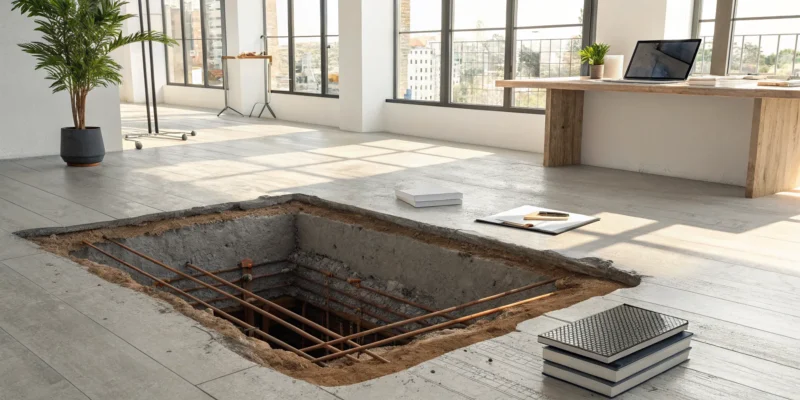
That water bill seems a little high. Is that a warm spot on the living room floor? You might brush these things off at first, but they can be quiet warnings of a serious problem hiding beneath your home: a slab leak. Once you connect the dots, the next logical question is about the financial impact. Understanding the potential cost to repair a slab leak is crucial for making a plan. In this article, we’ll explore the entire process, from the initial signs and professional detection to the final restoration, giving you a realistic picture of the expenses involved in protecting your property.
Key Takeaways
- Budget for the full process: A slab leak repair bill is more than just the plumbing fix; it also includes the cost of finding the leak with specialized equipment and restoring any water damage to your floors, walls, and foundation.
- Address warning signs immediately: Small clues like a high water bill, damp floors, or the sound of running water point to a hidden leak. Acting quickly prevents widespread structural damage and mold, which keeps your final repair costs much lower.
- Know your repair and coverage options: Your repair method, from a simple spot fix to a full repipe, depends on the leak’s severity. While insurance may not cover the pipe itself, it often pays for accessing the leak and repairing the resulting water damage.
What Is a Slab Leak?
A slab leak is exactly what it sounds like: a leak in one of the water pipes running beneath your home’s concrete foundation, or “slab.” Because these pipes are buried under concrete and flooring, a leak isn’t something you can spot with a quick glance. It’s a hidden problem that can go unnoticed for a while, quietly causing damage. Understanding what causes these leaks and what to look for is the first step in protecting your home.
Common Causes of Slab Leaks
So, what makes a perfectly good pipe start leaking under your foundation? It usually comes down to a few key factors. The ground beneath your home can shift over time, especially with the clay-like soil we see in some parts of California. This movement puts pressure on the pipes, which can cause them to bend or break. Sometimes, the issue starts with the initial construction; a pipe might have been nicked or bent during installation. Over the years, simple wear and tear from hot water expanding the pipes or corrosion from your water’s chemistry can also create weak spots. This ongoing moisture can lead to serious water damage restoration needs if not caught early.
Signs You Might Have a Leak
Since you can’t see the leak itself, you have to play detective and look for clues around your home. One of the most common signs is a sudden, unexplained spike in your water bill. You might also hear the faint sound of running water even when all your faucets are off. Keep an eye out for physical signs like warm spots on the floor, damp carpets, or bubbling in your laminate or vinyl flooring. If you notice musty smells or visible mildew, it could be a sign that water is pooling somewhere, which often requires professional mold removal. Other red flags include a sudden drop in water pressure or cracks appearing in your foundation or walls. Trust your gut; if something feels off, it’s worth looking into.
Breaking Down Slab Leak Repair Costs
Understanding the final bill for a slab leak repair means looking at it in three distinct phases: finding the leak, fixing the pipe, and cleaning up the mess. Each stage comes with its own set of costs, and knowing what to expect can help you prepare for the process. While the plumbing repair itself is a major component, the initial detection and the final restoration are just as critical to getting your home back to normal. Let’s walk through what each part of the process typically costs.
The Cost to Find the Leak
Before any repairs can happen, you have to know exactly where the water is coming from. The cost to find a slab leak usually falls between $150 and $400. This isn’t just for a quick look; this fee covers a professional using specialized electronic equipment to pinpoint the leak’s source without destructive guesswork. Think of it as a necessary diagnostic step. Paying for expert leak detection saves you from the much higher cost and headache of needlessly tearing up your floors to search for a hidden pipe. It’s the first and most important step in creating an effective repair plan.
The Cost to Fix the Pipe
Once the leak is located, the next cost is the actual plumbing repair. This expense can vary widely, with most homeowners paying between $1,500 and $4,500. The final price depends on the repair method and the severity of the problem. A simple epoxy application will be on the lower end, while more complex repairs could reach $6,000. If the damage is extensive or your pipes are old, a full repiping might be necessary, which can range from $4,000 to over $15,000. A plumber can assess the situation and recommend the best course of action for your specific home.
The Cost of Restoring Water Damage
The cost that often gets overlooked is for the damage the water leaves behind. This is separate from the plumbing bill and can be significant if the leak went unnoticed for a while. You might be looking at replacing warped flooring, repairing soggy drywall, or drying out the concrete slab itself. This is also where you run the risk of mold growth, which requires its own remediation. Acting quickly is key to keeping these costs down. Professional water damage restoration services can assess the damage, handle the cleanup, and restore your property, preventing small problems from turning into bigger, more expensive ones.
What Affects Your Final Repair Cost?
When you’re dealing with a slab leak, the first question on your mind is probably, “How much is this going to cost?” The truth is, there’s no single price tag. The final bill for a slab leak repair depends on several key factors, from where the leak is hiding to the type of pipes you have. Understanding these variables can help you get a clearer picture of the potential costs and prepare for the repair process.
Think of it less as a fixed price and more as a puzzle where each piece contributes to the total cost. A small, easily accessible leak will have a very different price than a major break under the center of your home. The extent of the water damage also plays a huge role. A leak that’s been dripping for months will require more extensive restoration than one caught immediately. By breaking down the factors below, you can have a more informed conversation with your restoration team and know what to expect as they work to get your home back to normal.
The Leak’s Location and Accessibility
Where the leak is located is one of the biggest factors in your final repair cost. A pipe leaking near the edge of your foundation is relatively easy to access. However, a leak located directly under your kitchen or in the middle of your living room requires more work. Professionals will need to carefully break through the concrete slab to reach the damaged pipe, which takes time and specialized equipment. The more difficult it is to get to the pipe, the higher the labor costs will be. After the pipe is fixed, the cost of water damage restoration will also include repairing the floor and any surrounding materials.
Your Pipe’s Material and Age
The type and age of the pipes in your home also influence the repair cost. Older homes often have pipes made of materials like cast iron or galvanized steel, which can corrode over time and be more difficult to repair. Newer homes might have copper or PEX pipes. While copper can be more expensive to fix, PEX is often more affordable and easier to work with. If your plumbing system is old, a simple patch might not be the best long-term solution. Your technician might recommend a more extensive repair to prevent future leaks, which can affect the overall cost but save you money down the road.
The Severity of the Leak
Not all leaks are created equal. A slow drip from a tiny pinhole is very different from a major pipe burst. The severity of the leak directly impacts the repair method and cost. A small, isolated leak might only require a spot repair, where a small section of the slab is opened to fix the pipe. This is usually the least expensive option. However, if the pipe has a long crack or has completely burst, a larger section will need to be replaced. A more severe leak also means more water has escaped, leading to widespread water damage and a higher risk of mold growth, which adds to the total restoration cost.
Your Home’s Plumbing System
The size and complexity of your home’s plumbing system can also play a part in the final cost. Larger homes and commercial properties naturally have more extensive plumbing networks, which can make it more challenging to pinpoint and repair a leak. A complex layout with many twists and turns can increase the labor time needed for both diagnosis and repair. If your property has a non-standard or custom plumbing setup, it might require special parts or techniques to fix correctly. For business owners, the complexity of commercial restoration can be greater due to the scale of the plumbing and potential business interruption.
Local Labor Rates
Labor is a significant portion of any home repair bill, and slab leak repairs are no exception. Labor rates can vary based on your location and the demand for skilled professionals in your area. In places like Bakersfield and throughout Kern County, costs are influenced by regional economic factors. It’s also important to remember that emergency, 24/7 service will typically cost more than a repair scheduled during standard business hours. When getting an estimate, make sure it’s itemized so you can see a clear breakdown of labor and material costs. A reputable company will be transparent about their pricing and what to expect in your specific service area.
Your Repair Options and Their Costs
Once a professional has located the slab leak, the next step is deciding on the best way to fix it. There isn’t a one-size-fits-all solution; the right approach depends on your home’s plumbing, the leak’s severity, and your budget. A certified technician can walk you through the pros and cons of each method, but it helps to have a basic understanding of what they might recommend.
The four main ways to repair a slab leak range from a minor, targeted fix to a complete system overhaul. Some methods are less invasive than others, while some provide a more permanent solution for older homes. Understanding these options will help you have a more productive conversation with your restoration team and make an informed decision for your property. After the pipe is fixed, remember that addressing the resulting moisture is a critical part of the water damage restoration process to prevent further issues like mold.
Spot Repair
A spot repair is exactly what it sounds like: a targeted fix for a single, isolated leak. For this method, a technician will open the slab directly over the damaged section of pipe to access and repair it. This is often the most straightforward and cost-effective option, especially if your plumbing system is relatively new and the leak is easy to reach. Your plumber might recommend this if you have one specific problem area rather than a systemic issue with your pipes. Once the repair is complete, the opening in the slab is filled, and your floor is restored.
Pipe Rerouting
If the leak is in a very difficult-to-access location, or if you have multiple leaks, rerouting the pipe might be the best choice. Instead of breaking through the slab, the plumber will cap off the leaking line and install a new pipe that bypasses the old one, usually running it through your walls or ceiling. While the initial cost can be higher than a spot repair, it’s often a smart long-term investment. Rerouting avoids the mess of jackhammering your floors and can prevent future problems with an aging or failing pipe system, making it a key part of a comprehensive disaster restoration plan.
Trenchless Pipe Lining
Trenchless pipe lining is a less invasive method that can work well for smaller leaks in pipes that are otherwise in good condition. With this technique, a plumber inserts a flexible tube coated with epoxy resin into the damaged pipe. The tube is inflated, pressing the epoxy against the inside of the pipe. Once the resin cures, it creates a new, durable pipe within the old one, sealing the leak without any digging. This can be a great option to minimize disruption to your home or business, but it’s not suitable for pipes with major structural damage or collapses.
Full Repiping
For homes with older plumbing systems, widespread corrosion, or numerous leaks, a full repiping may be the most sensible solution. This is the most extensive and expensive option, as it involves replacing all the old water pipes under your slab with new ones. While the upfront cost is significant, it provides complete peace of mind by eliminating the source of current and future leaks. For a business owner, a full repipe can be a crucial update to protect your investment and prevent costly interruptions, often handled as part of a larger commercial restoration project.
Why You Shouldn’t Wait to Repair a Leak
It’s easy to put off a repair you can’t see, but a slab leak is one of those problems that quietly grows more serious over time. While the initial leak might seem small, delaying the fix can lead to a cascade of issues that are far more complex and expensive to resolve. The constant moisture seeping from a broken pipe under your foundation creates the perfect storm for secondary damage.
Ignoring the problem won’t make it go away; it just gives it time to get worse. From compromising your home’s air quality to threatening its very structure, the consequences of waiting are significant. Acting quickly is the best way to protect your property, your health, and your wallet. Let’s look at the three biggest reasons why you should address a slab leak as soon as you suspect one.
The Risk of Mold and Health Issues
A hidden leak provides a constant source of moisture, creating an ideal breeding ground for mold. This mold can flourish undetected beneath your flooring, behind your walls, and within your home’s foundation. Before you even see or smell it, mold spores can spread throughout your property, compromising your indoor air quality. For many people, exposure can trigger allergic reactions, respiratory issues, and other health concerns. The longer the water sits, the more widespread the contamination becomes, turning a simple water issue into a complex health hazard that requires professional mold removal.
Potential for Structural Damage
Your home’s concrete slab foundation rests on soil. When a slab leak occurs, water saturates and erodes this supporting soil, causing it to shift or wash away. This can weaken the foundation, leading to cracks in your floors and walls, uneven settling, and even significant structural instability. What starts as a plumbing problem can quickly become a foundational crisis that threatens the safety and integrity of your entire home. Promptly addressing water damage is the only way to prevent this slow-moving but destructive process from causing irreversible harm to your property.
How Delays Increase Your Total Cost
Putting off a slab leak repair is a guaranteed way to increase your final bill. The initial cost to fix the pipe is only one part of the equation. Every day you wait, the water damage spreads, leading to more extensive and expensive secondary repairs. You may find yourself paying not only for plumbing work but also for water extraction, drying, mold remediation, and repairing cracked drywall or warped floors. A small, manageable repair can quickly spiral into a full-scale disaster restoration project. Acting fast contains the damage and keeps your overall repair costs as low as possible.
Will Insurance Cover Your Slab Leak Repair?
The moment you hear “slab leak,” your next thought is probably about the cost. So, let’s get right to the big question: will your insurance policy cover the repair? The honest answer is, it’s complicated. Coverage depends entirely on your specific policy and what caused the leak in the first place. The good news is that even if your policy doesn’t pay to fix the broken pipe, it often covers the expensive consequences. This can include the cost to access the pipe and, most importantly, the cost to repair any resulting water damage. Understanding your coverage is the first step, and knowing what to look for can make all the difference.
What Your Policy Might Cover
Think of it this way: your insurance is often more concerned with the damage caused by the leak than the faulty pipe itself. If a sudden and accidental event leads to the leak, your policy may help pay for the work needed to reach it, like breaking through your concrete slab. More importantly, it frequently covers the cost of drying out your home and repairing walls, flooring, and other materials affected by the water. This is where professional water damage restoration services are crucial. The actual repair of the broken pipe, however, is typically considered homeowner maintenance and often isn’t covered.
Common Insurance Exclusions
Insurance policies have their limits, and it’s important to know what they are before you file a claim. Basic homeowners policies often don’t cover slab leaks at all. Even with more comprehensive coverage, claims can be denied. The most common reason for denial is gradual damage. If the leak is due to old, corroded pipes that have been failing over a long period, the insurer will likely view it as a maintenance issue that falls on you. Damage from poor construction or ground settlement is also frequently excluded. This is another reason why addressing the first signs of a leak immediately is so critical.
Tips for a Smooth Claims Process
Dealing with an insurance claim can feel overwhelming, but a few key steps can make the process much smoother. First, document everything. Before any work begins, take clear photos and videos of the damage. Second, prevent the problem from getting worse by shutting off your main water valve if you can do so safely. Third, call for professional help right away. Our team at 911 Restoration of Bakersfield provides thorough assessments and documentation for your claim. We work with all insurance companies and can help you manage the process, ensuring you have the support you need from start to finish.
Know When to Call for Help
Some home maintenance issues whisper before they shout. A slab leak is one of them. While the problem is hidden beneath your foundation, the signs are often in plain sight if you know what to look for. Ignoring them can lead to serious structural issues and costly repairs, so it’s important to act fast.
You should suspect a slab leak if you notice:
- An unexplained spike in your water bill.
- The sound of running water, even when all your taps are off.
- Warm or damp spots on your floor.
- Low water pressure throughout the house.
- Cracks appearing in your foundation, walls, or flooring.
- A persistent musty odor, which could signal hidden mold growth.
If any of these signs sound familiar, it’s time to call for professional help. This is not a situation for a DIY fix. Professionals use specialized, non-invasive equipment like electronic listening devices and infrared cameras to pinpoint the exact location of the leak without needing to tear up your entire floor. This precision saves you time, money, and a lot of mess.
The moment you suspect a leak is the moment to make the call. Water damage happens quickly and spreads fast, seeping into flooring, drywall, and your home’s wooden frame. Prompt action is the key to minimizing the damage and keeping repair costs down. A certified team can not only fix the leak but also handle the complete water damage restoration process, ensuring your home is returned to a safe and healthy condition.
Frequently Asked Questions
What is the very first thing I should do if I suspect a slab leak? If you notice any signs like a surprise jump in your water bill or a mysterious warm spot on the floor, the first step is to call a professional restoration company. While you wait for them to arrive, you can try to shut off your home’s main water valve to prevent further water from escaping and causing more damage. Don’t try to find or fix the leak yourself; specialized equipment is needed to locate it accurately without causing unnecessary destruction to your floors.
How long does a slab leak repair usually take? The timeline really depends on the repair method and the extent of the damage. A simple spot repair might only take a day or two, but more complex jobs like rerouting a pipe or a full repipe will take longer. You also have to factor in the time for water damage restoration, which includes drying the structure and repairing floors or walls. A professional team can give you a more precise timeline after they assess the situation in your home.
Is a spot repair enough, or should I consider repiping my whole house? This is a great question that depends on the health of your plumbing system. If you have a newer home and this is an isolated incident, a spot repair is often a perfectly good and cost-effective solution. However, if your home is older and has a history of plumbing issues, or if the technician finds widespread corrosion, a full repipe might be a better long-term investment to prevent future leaks and give you peace of mind.
Will my insurance policy automatically cover the water damage? Coverage for the resulting water damage is common, but it’s not automatic. Most policies will cover damage from a “sudden and accidental” leak, but they often exclude problems caused by long-term neglect or old, failing pipes. This is why it’s so important to act quickly and have a professional document the cause and extent of the damage. A good restoration company can work directly with your insurance provider to help streamline the claims process.
Can I just ignore a small damp spot on the floor for a while? It can be tempting to wait and see, but even a small damp spot is a major red flag. That moisture is creating the perfect environment for mold to grow under your flooring, which can affect your home’s air quality and your family’s health. At the same time, the water is slowly eroding the soil that supports your foundation, potentially leading to serious structural problems. Addressing it immediately is the best way to prevent a small issue from turning into a large, expensive restoration project.
