Property Damage Reconstruction Bakersfield Guide
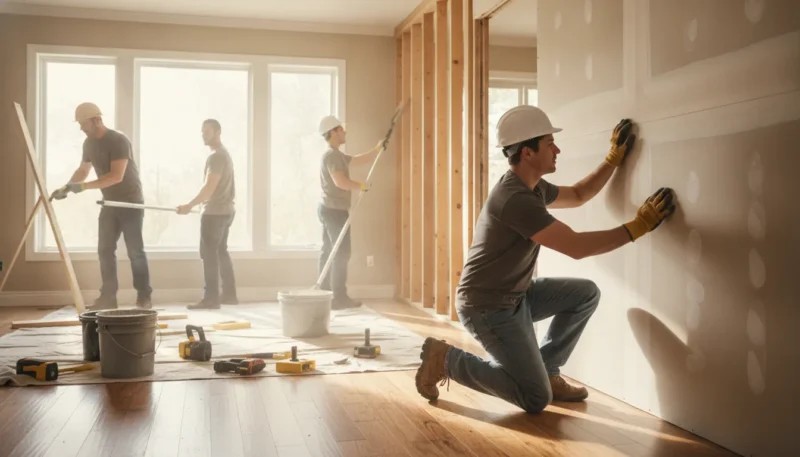
After a fire, burst pipe, sewage backup, or other disaster, getting the visible mess out of a property is only the beginning. Walls, flooring, framing, electrical systems, and other hidden components may still need professional attention before the space is safe and functional again.
Property damage reconstruction bakersfield services restore more than appearance: they repair the property after mitigation, address structural concerns, and help prevent secondary problems such as mold. A single-source team can coordinate emergency restoration and rebuilding, with 911 Restoration of Bakersfield offering a 45-minute response for local homeowners and businesses.
This approach helps reduce the stress of coordinating separate contractors while keeping the project moving toward normal. For broader fire, smoke, and commercial recovery guidance, see our Fire, Smoke, and Commercial Damage Restoration in Bakersfield resource. First, it helps to understand what post-disaster reconstruction includes and when it becomes necessary.
Schedule Your Free Property Damage Assessment at (661) 220-7584
What Is Post-Disaster Reconstruction and When Is It Needed?
Post-disaster reconstruction is the final phase of restoring a damaged property to its pre-loss, functional condition. It begins after urgent hazards are addressed, standing water is removed, damaged materials are assessed, and the property is made safe for the next stage. Reconstruction may include repairing framing, replacing drywall and flooring, restoring ceilings, rebuilding cabinetry, and correcting other structural or finish damage.
That distinction matters because restoration is not simply cleaning. It is a holistic process that helps make a home or business functional again, from the first mitigation steps through the repairs that allow people to return. A single-source restoration plan can also keep the property owner from coordinating separate contractors for cleanup, construction, and project management. The full process should be based on documented damage and a clear plan of action rather than cosmetic work alone.
Property damage reconstruction Bakersfield may be needed after several types of loss, including:
- Fire and smoke damage: A fire can affect framing, electrical systems, insulation, walls, ceilings, and contents even when the visible damage appears limited. Smoke residue and odor may also require specialized cleaning before rebuilding begins.
- Water damage: Burst pipes, appliance failures, roof leaks, and severe plumbing problems can weaken floors, walls, subfloors, and other building materials. Materials that cannot be safely dried or restored may need to be removed and replaced.
- Storm damage: Wind, heavy rain, and related impacts can damage roofs, windows, exterior walls, and interior areas. Reconstruction closes the openings and repairs the building envelope so additional water does not continue entering.
- Structural damage: A collapsed ceiling, compromised framing, foundation-related damage, or another major impact may require construction expertise to restore stability before finishes are replaced.
Reconstruction is important for more than appearance. Repairs must restore structural integrity and address moisture that could create secondary problems. The EPA explains that mold can develop when moisture remains present, so drying, removing unsalvageable materials, and rebuilding affected areas are connected parts of a responsible recovery plan: EPA guidance on mold cleanup.
For homeowners and businesses in Bakersfield and Kern County, the right scope depends on the source, extent, and duration of the damage. A professional assessment can identify what needs immediate mitigation, what can be restored, and what must be reconstructed to return the property to safe, usable condition.
How Property Damage Reconstruction in Bakersfield Works with Restoration
Restoration and reconstruction are connected phases of the same recovery process. The first priority is emergency mitigation: stop the source of damage when possible, remove standing water or other hazards, protect the unaffected areas, and begin drying and cleanup. That urgency matters because unresolved moisture can contribute to secondary damage, including mold, while damaged structures may remain unsafe. The EPA explains that post-disaster work should address structural integrity and secondary risks, not only the appearance of a room.
Once the property is stabilized, the team assesses what can be cleaned, what must be removed, and what needs to be rebuilt. This assessment becomes a plan of action for the reconstruction phase. Instead of treating cleanup as a finish line, the goal is to make the home or business functional again, consistent with the CDC’s guidance on disaster cleanup. The plan may account for affected flooring, drywall, cabinetry, insulation, framing, ceilings, or other components, depending on the type and extent of loss.
| Phase | Focus | Example work |
|---|---|---|
| Restoration (mitigation and cleanup) | Stabilize the property and limit further damage | Emergency response, water removal, drying, smoke or soot cleanup, debris removal, and protection of remaining contents |
| Reconstruction (repair and rebuild) | Restore safe, usable spaces and damaged building components | Replacing drywall or flooring, repairing framing, rebuilding rooms, restoring finishes, and completing final repairs |
A 45-minute response can help begin mitigation sooner after a covered or uncovered loss, when conditions are changing quickly. From there, a single-source project manager can coordinate the transition from emergency work to repairs, keep the scope organized, and communicate what happens next. That means you are not left juggling one contractor for drying, another for demolition. And a third for reconstruction while trying to understand how their schedules and invoices fit together.
For fire-related losses, the same lifecycle may include specialized fire damage restoration before rebuilding begins. Smoke residue, odor, water from firefighting, and damaged materials can affect the repair plan. Handling mitigation and reconstruction as one coordinated project helps preserve the details gathered early and keeps decisions tied to the property’s actual condition. The process starts with emergency action, moves through assessment and a documented plan, and ends with repairs that allow daily life or business operations to return to normal.
Reconstruction Timeline: From Cleanup to Move-In Ready
After a fire, water loss, or another major disaster, reconstruction should follow a deliberate sequence. The goal is not simply to make damaged rooms look finished. It is to stabilize the property, remove conditions that can worsen the loss, restore structural integrity, and return the home or business to safe, functional use. A clear process also gives you one plan instead of a series of disconnected repairs.
-
Emergency response and inspection. The process starts with immediate help, available 24/7, and a 45-minute guaranteed response. The first team assesses visible hazards, identifies the source of the damage when possible, and helps protect unaffected areas. Fast action can limit how far water, smoke, or other damage spreads while the next steps are organized.
-
Water or fire mitigation and initial cleanup. Standing water, saturated materials, soot, smoke residue, and damaged contents must be addressed before rebuilding begins. Depending on the loss, this can include water removal, cleaning, controlled demolition, debris removal, and measures that prevent additional contamination. Mitigation is the urgent stabilization phase, not the finished repair.
-
Structural drying and monitoring. Materials that appear dry on the surface may still hold moisture inside walls, floors, framing, or other assemblies. Drying equipment and follow-up checks help determine when affected areas are ready for reconstruction. Prompt drying matters because unresolved moisture can contribute to secondary damage, including mold growth. The EPA explains why moisture control and proper mold cleanup are important after water damage.
-
Assessment and plan of action. Once the property is stabilized, the reconstruction team evaluates what can be cleaned, what must be repaired, and what needs replacement. This assessment supports a practical scope of work, a sequence for the trades, and a clearer path through the project. An IICRC Master-certified company follows recognized restoration and cleaning standards, which helps keep technical decisions grounded in established practice.
-
Rebuild and repair. Reconstruction may include framing, drywall, flooring, cabinetry, painting, electrical or other coordinated repairs, depending on the documented loss. Managing these stages through one restoration and reconstruction team reduces the burden of finding and scheduling separate contractors while keeping the work connected to the original damage assessment.
-
Final restoration and move-in readiness. The last stage is a detailed review of completed repairs, cleaning, and remaining safety or usability concerns. The property is not truly restored when it merely looks presentable. It is ready when the affected spaces are functional, the agreed work is complete, and the home or business can resume normal use.
Can Insurance Cover Full Reconstruction After a Major Loss?
Insurance may help pay for reconstruction when the damage resulted from a covered peril, but there is no universal answer for every property or policy. Your carrier, policy language, deductible, exclusions, limits, and adjuster’s findings all affect what may be approved. A restoration professional can help organize the evidence and communicate the scope of work, but cannot guarantee a payout or decide what your policy covers.
After a major fire, burst pipe, sewage backup, or other disaster. The claim process usually depends on a clear record of what happened and what was required to protect the property. That record can include photographs, moisture readings, affected-material inventories, emergency service notes, estimates, and documentation of repairs. Reconstruction is more than replacing finishes. It is the final phase of returning the property to a safe, functional condition after mitigation. Including work needed to address structural concerns and reduce the risk of secondary damage such as mold.
Working with one restoration company from emergency mitigation through reconstruction can make that documentation easier to follow. Instead of asking separate contractors to interpret different portions of the loss, you have one project history. One coordinated scope, and one team tracking the transition from cleanup to repairs. This single-source approach does not change the carrier’s decision, but it can reduce confusion when your adjuster reviews the work and the reason each step was necessary.
Ask your adjuster what notices, approvals, estimates, and contractor documentation are required before reconstruction begins. Keep copies of every communication, and do not authorize work that falls outside your understanding of the claim without discussing it with the carrier. For local guidance, see our page on property damage restoration in Bakersfield.
When you contact 911 Restoration of Bakersfield, the team can assess the damage. Explain the immediate next steps, and prepare a documented plan for the restoration and reconstruction process. Coverage remains carrier-determined, while thorough documentation helps everyone work from the same facts.
Why Using One Company for Restoration and Reconstruction Saves Time and Money
After a fire, flood, or other major loss, the work rarely ends when the water is removed or the smoke odor is treated. The property may still need demolition, drying, structural repairs, finish work, and final cleaning. Hiring separate contractors for each phase can leave you managing a complicated chain of appointments. Estimates, approvals, and handoffs while trying to protect your home or keep your business operating.
A single-source restoration and reconstruction provider brings those phases under one project plan. One company can manage the work from emergency mitigation through reconstruction. With one responsible project manager tracking what has been completed, what comes next, and which decisions could affect the schedule. That continuity reduces the risk that one contractor finishes a task before the next contractor is ready to begin.
Fewer scheduling conflicts and handoff delays
Separate contractors may have different availability, scopes of work, documentation requirements, and ideas about the correct sequence. A delay in drying, inspection, materials, or construction can keep the entire project from moving forward. When one team coordinates the process, the mitigation and rebuilding schedules are connected from the start. The result is fewer calls for you and less time spent explaining the same damage to multiple companies.
That coordination also supports a more complete recovery. Reconstruction is not only about making damaged rooms look finished again. It helps restore structural integrity and reduce the chance of secondary problems, such as mold growth, when damage is addressed correctly and promptly. A written plan of action after mitigation gives the property owner a clearer path from the initial emergency to a functional, pre-loss condition.
Better control of project costs
Using one company does not guarantee a specific price or insurance outcome, but it can reduce avoidable costs connected to duplicated assessments, repeated mobilization, and miscommunication. A project manager can identify dependencies before work begins, help keep the scope organized, and flag changes that may affect the budget. Restoration experience matters here. Companies with decades of combined experience in restoration and construction are better positioned to anticipate common repair issues and coordinate the work efficiently.
For commercial properties, the benefit extends beyond construction expenses. Delays can interrupt employees, customers, inventory, and revenue. A coordinated response that includes commercial cleaning, restoration, and reconstruction supports business continuity while the building is returned to service. For help planning commercial property damage reconstruction, choose a team that can manage both the emergency and the rebuild instead of leaving you to connect the pieces yourself.
Schedule Your Free Property Damage Assessment at (661) 220-7584
Frequently Asked Questions
What is the difference between restoration and reconstruction?
Restoration addresses the immediate damage, such as water removal, smoke cleanup, drying, and stabilization. Reconstruction follows when damaged materials or building systems must be repaired or replaced. Together, they move a property from emergency conditions to a safe, functional space, rather than stopping at surface cleanup. CDC cleanup guidance supports addressing both health concerns and property conditions after a disaster.
Can fire-damaged areas be repaired?
Often, yes. The repair plan depends on the extent of burning, smoke and soot contamination, water used for firefighting, and the condition of structural components. A professional assessment can separate salvageable materials from items that require replacement, then coordinate cleaning and rebuilding in the correct order. Structural integrity and secondary damage prevention should guide the plan, not appearance alone. EPA guidance explains why damaged areas must be addressed thoroughly.
How long does fire damage restoration take?
There is no reliable one-size-fits-all timeline. A small, localized loss may move through cleanup and repairs faster than a fire involving framing, electrical systems, smoke odor, or extensive water damage. The scope, permitting, material availability, and insurance documentation can all affect the schedule. The first priority is prompt mitigation, followed by a documented plan for reconstruction and final inspections.
Should I hire separate companies for cleanup and rebuilding?
You can, but coordinating separate contractors may create delays, duplicated communication, and uncertainty about who owns the next step. A single-source restoration and reconstruction team can manage mitigation, documentation, repairs, and project scheduling together. That approach keeps the transition from emergency response to rebuilding more organized for homeowners and commercial property owners.
Schedule Your Free Property Damage Assessment at (661) 220-7584
Ready to Schedule Your Property Damage Assessment?
Reconstruction is easier to manage when the next steps are clear and restoration and repairs are coordinated from the start. Our team can assess the damage, explain the recommended path forward, and help you move toward a safe, functional property. To schedule a free property damage assessment, contact us at (661) 220-7584.
