Fire Damage Restoration Tehachapi CA: Mountain Home Guide
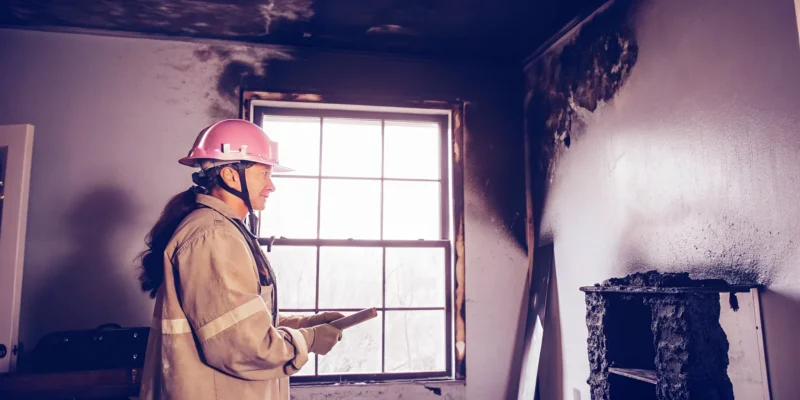
A fire can leave you facing more than visible damage. Smoke, soot, water from firefighting, and structural hazards may affect your home long after the flames are out. If you live in Tehachapi, Stallion Springs, Bear Valley Springs, Golden Hills, or another Kern County mountain community, the right response starts with safety and a clear plan.
Fire damage restoration tehachapi ca begins with safety, an emergency assessment, and professional mitigation to limit additional smoke, soot, water, and structural damage. Do not re-enter a wildfire-affected property until authorities say it is safe. 911 Restoration of Bakersfield provides 24/7 emergency service, a 45-minute response, IICRC-certified technicians, and support in English or Spanish.
From emergency board-up and cleanup through reconstruction, the right team can help you move toward a Fresh Start while reducing the burden of coordinating next steps. Learn more about fire damage restoration in Bakersfield, then see how wildfire and structural fire damage require different safety and restoration considerations.
What Fire Damage Restoration in Tehachapi CA Involves
After a wildfire or structural fire, restoration is more than removing visible soot and replacing damaged finishes. The work begins with making the property safe, documenting the loss, controlling secondary damage, and determining which parts of the home can be cleaned, repaired, or rebuilt. In Tehachapi’s mountain areas, that may mean addressing fire damage across the roof, framing, walls, insulation, electrical systems, HVAC equipment, and personal belongings.
Do not re-enter simply because the flames are out or the smoke has cleared. The CDC advises homeowners not to return after a wildfire until authorities confirm that it is safe. A home can contain weakened structural components, live electrical hazards, hot spots, or airborne ash that is unsafe to breathe. The CDC’s National Institute for Occupational Safety and Health also warns that damaged structures should not be assumed safe or stable until they have been assessed. Read the CDC’s wildfire safety guidance before entering an affected property.
Once officials clear access, a professional restoration team can inspect the damage and establish a controlled plan. Typical early steps include:
- Securing openings and stabilizing areas that could allow additional damage or injury.
- Documenting affected rooms, systems, contents, and visible smoke or water damage for the insurance claim.
- Removing standing water or moisture left by firefighting before it creates additional deterioration.
- Separating salvageable belongings from items that are unsafe or beyond economical cleaning.
- Cleaning soot and ash from surfaces while protecting indoor air quality and limiting cross-contamination.
Debris requires particular care. The EPA notes that debris from damaged buildings and structures may contain hazardous materials requiring special handling and disposal. That can include materials affected by combustion, damaged building components, and household contents. Sweeping, hauling, or disturbing debris without the right precautions can expose you and your family to avoidable risks.
Restoration may ultimately include cleaning, deodorization, repairs, reconstruction, or coordination with specialized contractors. The scope depends on the fire’s heat, smoke movement, water used during suppression, and the condition of the structure. If you need broader guidance, review our fire damage restoration in Bakersfield service information. A careful assessment helps you move from an unsafe loss toward a documented, practical recovery plan.
Why Mountain Communities Face Heightened Fire Restoration Complexity
Fire recovery in Tehachapi does not always follow the same pattern as a valley property loss. Tehachapi, Stallion Springs, Bear Valley Springs, Golden Hills, and Cummings Valley sit in mountain areas where wildland fire risk is part of the local emergency landscape. When a fire affects a home or business, restoration requires more than removing visible soot. The team must understand the terrain, access conditions, and the way damage can change from one property to the next.
Wildland interface conditions can expand the damage picture
Mountain homes may be close to brush, open land, and other areas where wildfire can move toward developed neighborhoods. Wind can carry embers and smoke beyond the immediate burn area, while changing seasonal conditions can complicate decisions about when and how crews enter a property. That means an assessment may need to account for exterior debris, smoke intrusion, damaged roofing or siding, and conditions that are not obvious during a quick visual inspection.
Safety comes first. The CDC advises homeowners not to return after a wildfire until authorities confirm that it is safe. Damaged structures may be unstable, so a restoration crew should evaluate the property before cleanup or repair begins. CDC wildfire safety guidance also warns that post-fire roads can have debris, missing street signs, and broken traffic lights.
Mountain access affects response and recovery
Narrow, winding roads can slow the movement of trucks, equipment, and debris containers, especially when fire activity has left branches, ash, or damaged infrastructure along the route. Travel from Bakersfield to a mountain property also covers more distance than a response within the valley. These logistics make clear communication and accurate directions important from the first call. They also make local terrain knowledge valuable when crews are planning access, staging equipment, and coordinating with other emergency services.
For homeowners, this is one reason to choose a team familiar with Kern County routes and mountain communities. 911 Restoration of Bakersfield serves Tehachapi and surrounding areas with emergency restoration support, including a stated 45-minute response time. A local, IICRC-certified team can begin by securing the property, documenting conditions, and identifying the right sequence for smoke, soot, water, structural, and debris-related work. The goal is a careful recovery plan that respects the realities of your location while helping you move toward a Fresh Start.
| Consideration | Valley property | Tehachapi mountain property |
|---|---|---|
| Access. | Straight, well-marked roads. | Narrow, winding routes with possible debris or missing signs. |
| Response distance. | Short, predictable travel. | Longer mountain travel from Bakersfield. |
| Wildland exposure. | Lower brush risk. | Wildfire interface close to brush and open land. |
| Damage patterns. | Mostly contained to the structure. | Exterior debris, ember exposure, smoke intrusion, and terrain-driven damage. |
| Post-fire safety. | Easier to assess. | Unstable structures and compromised roads need extra caution. |
Smoke Damage in Tehachapi Homes: Elevated Risk from Wildfire Season
Wildfire damage does not end when visible flames are gone. In Tehachapi, smoke can move through a home and settle into painted walls, insulation, HVAC components, upholstery, carpeting, clothing, and other soft goods. The smell may fade in one room while soot and fine particles remain in materials or circulate through the air system.
The CDC advises that smoke can stay in the air for days after a wildfire ends. That lingering smoke can affect indoor air quality and continue to expose your household after the immediate emergency appears to be over. Ash can irritate the eyes, nose, and skin and may cause coughing or other respiratory effects. Children and people with asthma need to be especially careful around wildfire smoke.
Why smoke spreads beyond the room where it started
Smoke particles travel through open doorways, return vents, ductwork, and pressure changes inside the house. They can also absorb into porous materials, where ordinary wiping or air fresheners will not fully remove the residue or odor. If a wildfire or nearby structure fire affected your property, avoid running a contaminated HVAC system until it has been assessed. Circulating air can distribute particles to rooms that did not show visible smoke.
What professional smoke remediation includes
A restoration team begins by assessing the type and extent of smoke damage, then separates salvageable contents from items needing specialized treatment. Depending on the property, the work may include:
- Cleaning and deodorizing contents, walls, ceilings, flooring, and soft goods using methods suited to the material.
- Using HEPA filtration and air-cleaning equipment to capture fine particles during mitigation.
- Neutralizing odor at its source rather than masking it with fragrance.
- Inspecting and cleaning HVAC components and ductwork before the system returns to normal use.
Do not sweep dry ash, use a household vacuum on soot, wash heavily affected materials, or enter an unstable structure without clearance. The CDC notes that wildfire cleanup may be more appropriate for professional disaster restoration companies because ash and debris can create health and safety hazards. Homeowners should also keep children away from cleanup work and follow official re-entry guidance. A careful assessment helps protect your health, preserve belongings, and prevent smoke residue from becoming a longer-lasting indoor problem.
How 911 Restoration Responds to Fire Emergencies in Tehachapi
After a fire, you should not re-enter an affected property until authorities confirm it is safe. When you are ready to call for professional help, 911 Restoration of Bakersfield provides a coordinated response for homeowners in Tehachapi and nearby mountain communities. The team handles the work from initial mitigation through reconstruction, helping you move toward a Fresh Start.
- Call the 24/7 emergency line. Contact 911 Restoration as soon as you can safely do so. The team offers bilingual English and Spanish support, so you can explain what happened and receive guidance in your preferred language. Share the property location, the areas affected, and whether firefighting introduced water damage.
- A response team arrives in about 45 minutes. The company provides a 45-minute emergency response intended to limit additional property loss. A local team serving Kern County and Tehachapi can begin assessing the situation without making you coordinate several separate contractors.
- The property is assessed and secured. Technicians look for immediate hazards and evaluate affected areas before cleanup begins. If needed, they board up openings, cover exposed areas, and secure the property against further weather or unauthorized entry. Damaged structures can be unstable, so professional assessment matters before anyone enters or handles debris. CDC/NIOSH guidance recommends professional cleanup when ash and fire debris create health or safety hazards.
- Firefighting water is removed when necessary. Suppression efforts can leave standing water or trapped moisture behind. The team can extract water, dry affected materials, and address conditions that could lead to further deterioration or mold growth.
- Soot, ash, and smoke damage are cleaned. IICRC-certified technicians use specialized methods for smoke residues and fire-related contamination. This work goes beyond wiping visible surfaces because smoke and soot can affect walls, contents, and less obvious areas throughout the property.
- Contents are cleaned and odors are treated. Salvageable furniture, clothing, and household items can be evaluated and cleaned as part of the restoration plan. Odor-removal procedures address smoke smells at their source rather than simply masking them.
- Repairs and reconstruction restore the property. Once mitigation and cleaning are complete, the same full-service team can manage repairs and reconstruction toward a safe, pre-loss condition. Review the fire and smoke damage cleanup process to see how these services fit together.
Throughout the process, 911 Restoration keeps the response organized from emergency stabilization to rebuilding, with project support for the next decisions your household must make.
Insurance Claims for Wildfire Damage in Kern County Mountain Areas
Wildfire damage claims can become complicated quickly, especially when a home in Tehachapi, Stallion Springs. Bear Valley Springs, or another Kern County mountain community has both fire and water damage. Start by contacting your insurance carrier, then document the condition of the property from a safe location. Take photos and videos of each affected room, surface, appliance, and personal item. Save receipts for temporary lodging, meals, emergency supplies, and other permitted expenses, and keep a written record of calls and claim numbers.
Document before cleaning or discarding items
Do not throw away damaged furniture, clothing, electronics, or building materials before the insurance adjuster or restoration team has had an opportunity to inspect them. If an item presents an immediate health or safety concern, photograph it in place first and ask how it should be handled. Avoid making permanent repairs or removing substantial debris before the loss is documented, unless emergency work is needed to protect people or prevent additional damage.
A restoration company can help organize photographs, room-by-room inventories, moisture readings, cleaning records, and estimates for mitigation and reconstruction. This documentation gives your adjuster a clearer picture of the loss. It does not guarantee coverage or a particular claim outcome, but it can make the process more organized. For additional guidance, review this resource on filing a fire damage insurance claim in Bakersfield.
Account for firefighting water and well safety
Fire suppression can leave behind substantial water damage in ceilings, walls, flooring, and insulation. That secondary damage should be documented as part of the loss, because hidden moisture can continue damaging materials after the flames are out. A professional assessment can identify areas that need extraction, drying, smoke cleaning, or controlled removal.
If your mountain property uses a private well, do not assume the water is safe after a wildfire. The CDC warns that private wells can become contaminated and should be tested before use, including for drinking and other household purposes. Read the CDC wildfire safety guidance for current precautions.
Let a project manager coordinate the claim
Anyone entering a fire-affected property should use appropriate PPE, including an N95 respirator, gloves, goggles, long sleeves, long pants, and closed shoes, as recommended by the CDC. In many cases, professional cleanup is safer than homeowner cleanup. At 911 Restoration of Bakersfield, project managers help coordinate the insurance process, prepare claims documentation, and offer direct billing support while the restoration work moves forward. That guidance can reduce the administrative burden while you focus on your household’s recovery.
Frequently Asked Questions
What should I do first after a fire in Tehachapi?
Call 911 if anyone is in danger, follow instructions from local authorities, and do not re-enter the property until officials confirm it is safe. Fire-damaged structures may be unstable even when visible damage seems limited. Once you are cleared to proceed, contact a restoration professional to assess the structure, smoke, ash, water, and debris damage. The CDC recommends waiting for authorities to confirm a home is safe before returning.
Can a fire-damaged house be repaired?
Often, yes. The restoration process begins with a safety and damage assessment, followed by hazard mitigation. Smoke and soot cleanup, water removal when firefighting caused secondary damage, and repairs or reconstruction as needed. The right scope depends on the condition of the structure and the materials affected. Do not assume a building is safe or stable until it has been properly assessed. CDC and NIOSH guidance warns that damaged structures should be treated as potentially unstable.
Is anything salvageable after a house fire?
Some belongings may be cleaned, deodorized, dried, or restored, while others may require disposal because of extensive heat, smoke, water, or contamination. A professional contents assessment can help separate salvageable items from items that pose health or safety concerns. Avoid handling ash and debris casually, since damaged-building debris may contain hazardous materials that require special handling and disposal. The EPA explains why fire-related debris may need specialized handling.
How long can smoke affect a home after a fire?
Smoke and ash can remain a concern after flames are extinguished. The CDC notes that smoke can stay in the air for days after a wildfire ends, while ash may irritate the eyes, nose, and skin and cause coughing. Keep children and people with asthma away from affected areas, avoid disturbing ash, and arrange professional cleaning and air-quality measures for the property. CDC wildfire safety guidance covers lingering smoke and ash exposure.
Ready to Schedule Fire Damage Restoration in Tehachapi?
After a fire, a clear response plan can help you move from uncertainty toward a safer, more manageable recovery. 911 Restoration of Bakersfield serves Tehachapi and Kern County mountain communities with compassionate emergency support, mitigation, and restoration guidance. Call (661) 416-8390 to connect with the team and discuss the next step for your property.
