Fire and Smoke Damage Cleanup: Your 6-Step Plan
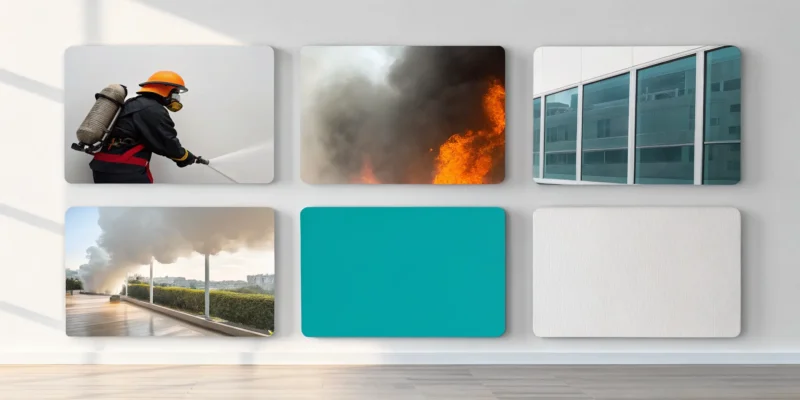
Many people believe that cleaning up after a fire is as simple as scrubbing away the black marks. The reality is far more complex. Soot isn’t just dirt; it’s an acidic, corrosive residue that comes in different forms depending on what burned. Using the wrong cleaning method on a greasy soot stain can smear it permanently into your walls, while powdery soot can become airborne and contaminate your entire HVAC system. A successful recovery depends on correctly identifying and treating these specific issues. This guide explains why a professional fire and smoke damage cleanup is a technical science, ensuring your home is restored correctly without causing further harm.
Key Takeaways
- Look beyond the visible burn marks: The biggest threats after a fire are often unseen, including potential structural weakness, secondary water damage from firefighting that can lead to mold, and toxic soot particles that contaminate the air.
- Create a record before you touch anything: Your insurance claim depends on solid proof, so take extensive photos and videos of the damage first. When you get the green light to clean, always start with dry methods (like a chemical sponge) to avoid smearing soot and setting stains permanently.
- Recognize the signs that you need a professional: If you’re facing stubborn smoke odors, soot stains that won’t lift, or any structural concerns, it’s time to call for help. A certified team has the right tools for the job and can also assist with your insurance claim, making the process much less stressful.
What Happens to Your Home After a Fire?
After the firefighters leave, the silence can be overwhelming. Looking at your home, it’s hard to know where to begin. The immediate danger is over, but the aftermath presents a new set of challenges. It’s not just the visible burn marks; a fire leaves behind a complex mix of damage that affects your home from the inside out. Understanding what you’re up against is the first step toward recovery. The damage typically falls into three main categories: the pervasive effects of smoke and soot, the secondary issues from water used to extinguish the flames, and the potential harm to your home’s structure.
The Impact of Smoke and Soot
Even a small fire can send smoke and soot into every corner of your home. These aren’t just harmless particles; they are acidic and sticky, causing more damage the longer they sit. Soot can tarnish metal, etch glass, and permanently stain walls and fabrics. Smoke seeps into porous materials like drywall, wood, and upholstery, leaving behind a stubborn odor that’s difficult to remove. Beyond the physical damage, these airborne contaminants can also pose health risks. Addressing the effects of fire and smoke damage quickly is key to preventing long-term staining and odor problems.
Water Damage from Firefighting
It’s a tough reality: the same water that saved your home from the fire can create a whole new problem. Fire hoses and sprinkler systems release a massive amount of water, which can saturate everything from your attic insulation to your basement flooring. When left unaddressed, this moisture creates the perfect breeding ground for mold, which can begin to grow in as little as 24 hours. This secondary water damage restoration is a critical part of the recovery process. Quickly extracting the water and drying the structure is essential to prevent mold and protect your home from further harm.
Assessing Structural Damage
The most serious and often hidden danger after a fire is structural damage. Intense heat can compromise the integrity of wood, steel, and concrete, weakening your home’s foundation, support beams, and floors. This damage isn’t always obvious, and entering a compromised structure can be incredibly risky. Before you even think about cleanup, it’s vital to have a professional assess the safety of the building. A thorough inspection can identify charred materials that have lost their strength and determine if any part of the home is unstable. This assessment is a non-negotiable first step in any disaster restoration plan to ensure everyone stays safe.
Is It Safe to Re-Enter a Fire-Damaged Home?
After a fire, your first instinct is to go inside and see what’s left. It’s a completely normal reaction. However, stepping back into your home before it’s been declared safe can be incredibly dangerous. Even if the flames are out, the aftermath leaves behind a host of invisible and structural threats that can put your health and safety at risk.
The fire department is the only authority that can clear your property for re-entry. Until you get their official approval, it’s best to stay out. The risks simply aren’t worth it. Below, we’ll cover the two biggest dangers you need to be aware of: the air you breathe and the stability of the structure itself.
Hidden Health Risks in the Air
Even if a fire was small and contained to one room, smoke and soot can travel everywhere. These particles aren’t just messy; they are toxic. Smoke is a mixture of fine particles and gases from everything that burned, including plastics, wood, and fabrics. When you inhale these tiny particles, they can lodge deep in your lungs and cause serious respiratory problems. Soot can settle on every surface, creating a hazardous environment long after the smoke has cleared. Professional fire and smoke damage restoration is essential to properly clean the air and remove these harmful contaminants, ensuring your home is safe to breathe in again.
Key Structural Safety Concerns
A fire doesn’t just burn things; it compromises the very integrity of your home. High heat can weaken wooden beams, warp steel supports, and cause floors and ceilings to become unstable and at risk of collapse. Beyond the fire itself, the water damage restoration needed after firefighting efforts can add significant weight to weakened structures, creating another layer of risk. There are also hidden dangers like damaged electrical wiring, which can pose a shock or fire hazard, and compromised gas lines. This is why you must wait for fire officials to give you the all-clear. A professional assessment is the only way to truly know if the structure is sound and safe to enter.
A Step-by-Step Guide to Fire and Smoke Cleanup
Facing the aftermath of a fire can feel overwhelming, but you can take control of the situation with a clear, methodical plan. While significant damage always requires professional help, understanding the basic steps for cleanup can help you assess the situation and begin the recovery process. This guide breaks down the initial actions you can take to address smoke and soot damage safely. Remember, your well-being is the top priority, so never attempt any cleanup that feels unsafe or beyond your ability. It’s about taking small, manageable steps to move forward.
Before you start, it’s important to get clearance from the fire department to re-enter your property. Once you have the green light, you can begin the careful process of reclaiming your space. Following these steps will help you create a safer environment and prepare your home for full restoration. For extensive issues, a certified team can handle the heavy lifting, from deep cleaning to complete fire and smoke damage repair. This guide is designed to give you a starting point, empowering you to handle the immediate tasks while you coordinate with professionals for the bigger picture.
Step 1: Gear Up for Safety Before You Enter
Your safety comes first. Before you step foot inside, you need to protect yourself from the hidden hazards left behind by a fire. Soot and ash particles are often toxic and can cause respiratory issues if inhaled. Equip yourself with the right personal protective equipment (PPE), including an N95 respirator mask, safety glasses or goggles, heavy-duty gloves, and clothing that covers your arms and legs. Sturdy, closed-toe shoes are also a must to protect your feet from debris. This gear acts as a crucial barrier between you and the harmful residues that have settled throughout your home.
Step 2: Document Everything for Your Insurance Claim
Before you move or clean a single thing, grab your phone and start documenting. Take extensive photos and videos of every room, capturing the damage from different angles. Get wide shots to show the overall impact and close-ups of specific items like furniture, electronics, and structural elements. Create a detailed list of everything that was damaged or destroyed. This visual evidence and inventory are essential for your insurance claim. Your provider will need this proof to process your claim correctly, and having it ready will make the entire insurance support process much smoother.
Step 3: Ventilate the Entire Space
One of the first things you’ll notice is the strong, pervasive smell of smoke. To begin clearing the air, you need to ventilate the property as much as possible. Open all the windows and doors to create a cross-breeze. You can also place box fans in windows, facing outward, to help push the smoky, stale air outside. This simple action improves air quality, making the space safer to work in, and is the first step in tackling odor removal. Avoid turning on your central HVAC system, as this can circulate soot and contaminants through the ductwork and spread the problem to unaffected areas.
Step 4: Remove Debris and Unsalvageable Items
With the area ventilated, you can start the initial clearing process. Begin by carefully removing loose debris and items that are clearly damaged beyond repair. This includes charred materials, melted plastics, and anything that has been completely ruined by fire, smoke, or water from firefighting efforts. Sorting through your belongings can be an emotional process, so take your time. Remember to check with your insurance adjuster before disposing of any high-value items. Clearing out this initial layer of debris not only makes the space safer to move around in but also prepares the area for deep cleaning.
Step 5: Clean Soot from Walls, Ceilings, and Surfaces
Soot is oily and will smear if you try to wipe it with a wet cloth. The key is to start with a dry cleaning method. Use a vacuum with a HEPA filter and a brush attachment to gently lift loose soot from walls, ceilings, and upholstery. Be careful not to press the nozzle directly against the surface, as this can push the soot in deeper. For the remaining residue, use a dry-cleaning sponge (also called a chemical sponge). These sponges are designed to lift soot without smearing. Wipe in straight, downward strokes to avoid spreading the stains.
Step 6: Tackle Lingering Smoke Odors
Even after cleaning, smoke odors can linger because they penetrate porous materials like wood, drywall, and fabric. For an immediate, temporary fix, you can place bowls of white vinegar or activated charcoal in several rooms. These substances are excellent at absorbing odors from the air. While this can provide some initial relief, it’s often not enough to eliminate the problem completely. Deep-set smells usually require professional deodorizing techniques, such as thermal fogging, to permanently remove the odor molecules. Think of this step as a good starting point for making the space more livable while you plan for a more thorough restoration.
Identifying the Different Types of Soot
After a fire, you’ll notice a black or gray residue coating almost everything. That’s soot, but not all soot is created equal. The type of soot left behind depends entirely on what burned, the temperature of the fire, and how much oxygen was available. This is more than just a technical detail; it’s crucial information for anyone facing cleanup. Using the wrong cleaning method for a specific type of soot can smear the residue, push it deeper into porous materials like drywall and wood, and make a tough situation even worse. In some cases, it can cause permanent staining.
Identifying the type of soot is the first step that professionals take to create an effective cleanup plan. Each residue requires a different approach, from the cleaning solutions used to the tools needed to apply them. Knowing what you’re dealing with helps you understand the full scope of the fire and smoke damage in your home and sets the stage for a successful restoration. Before you grab a sponge and a bucket, take a moment to assess the residue. Is it dry and powdery, or is it sticky and greasy? The answer will guide your next steps and help you avoid common cleanup mistakes that can lead to more damage.
Dry Smoke Residue
Dry smoke residue is what most people picture when they think of soot. It’s a fine, powdery substance that results from fast-burning, high-oxygen fires, like those involving wood or paper. Because it’s dry, it might seem easy to clean, but its powdery nature means the particles can easily become airborne and settle into every nook and cranny of your home. Wiping it with a dry cloth can also grind it into porous surfaces, making it harder to remove. Professionals typically use HEPA-filtered vacuums to carefully lift the residue without spreading it around. This type of soot is less sticky than others, but it requires a delicate touch to remove completely.
Wet Smoke Residue
If the fire was a low-oxygen, smoldering event that involved plastics, rubber, or other synthetic materials, you’ll likely find wet smoke residue. This type of soot is a homeowner’s nightmare: it’s sticky, greasy, and smears easily. It clings to surfaces and can be incredibly difficult to remove with standard cleaning products. You’ll also notice a very strong, pungent odor that accompanies it. Trying to wipe away wet smoke residue often creates a bigger mess, spreading the oily film across the surface. Effective removal requires specialized cleaning agents that can break down the greasy film without damaging the underlying material. This is a stubborn residue that often requires a professional approach.
Protein Residue
Protein residue is a unique and challenging type of soot that comes from kitchen fires where food, like meat or poultry, has burned. What makes it so tricky is that it’s often invisible to the naked eye. Instead of a black powder, it creates a transparent but very sticky film on cabinets, walls, and appliances. The biggest giveaway is the smell, a powerful and extremely unpleasant odor that will linger long after the fire is out. Because you can’t always see it, you might not realize it’s there until you’ve tried everything to get rid of the smell. Removing protein residue requires specific enzymatic cleaners that can break down the organic material and neutralize the odor for good.
When Is It Time to Call a Professional?
After a fire, your first instinct might be to roll up your sleeves and start cleaning. While that can-do spirit is admirable, some jobs are too big, too complex, or too dangerous to handle on your own. Fire and smoke damage cleanup often falls into that category. If you find yourself facing stubborn issues that don’t resolve with simple cleaning, it’s a clear signal that you need expert help. Professionals have the specialized training, industrial-grade equipment, and safety protocols to manage the hazards you can’t see.
Calling a fire and smoke damage restoration team isn’t admitting defeat; it’s making a smart, safe choice for your home and family. They can accurately assess the extent of the damage, from hidden moisture to compromised structures, and create a plan to restore your property correctly. Trying to manage a complex cleanup yourself can lead to bigger problems down the road, including permanent stains, persistent odors, and lingering health risks. Sometimes, the best DIY move is knowing when to pick up the phone and call in the pros.
Smoke Odors That Won’t Go Away
If you’ve scrubbed every surface but the smell of smoke still hangs in the air, you’re not alone. Smoke particles are microscopic and can penetrate deep into porous materials like drywall, wood, carpet, and upholstery. That lingering odor is a sign that the source of the problem hasn’t been eliminated. As one disaster recovery expert notes, smoke damage can last a long time and is a significant problem that requires a thorough approach. Professionals don’t just cover up the smell with air fresheners; they use advanced techniques like thermal fogging and ozone treatments to find and neutralize odor-causing particles for good, ensuring your air is clean and safe to breathe.
Stubborn Soot Stains on Walls and Ceilings
Are you dealing with black or gray stains that just seem to smear no matter what you do? That’s soot, and it’s notoriously difficult to clean. Different types of fires create different types of soot, and each requires a specific cleaning method. Using the wrong technique on porous surfaces like drywall or wood can push the soot deeper, making the stain permanent. According to restoration specialists, attempting to clean fire damage yourself can easily lead to improper cleaning or even cause more damage. A professional team can identify the type of soot residue and use the correct professional-grade cleaners to remove it effectively without damaging the surface underneath.
You Notice Charred Materials or Structural Damage
This is one area where you should never take a chance. Any visible charring on support beams, joists, or walls is a major red flag that the home’s structural integrity could be compromised. Even a seemingly small fire can produce intense heat that weakens the materials that hold your house together. If you have any concerns about the structure, it’s best to consult a professional. A disaster restoration company has the expertise to assess the stability of your home and determine what needs to be repaired or replaced. They can ensure your home is not only clean but also structurally sound and safe for your family to live in.
Health Symptoms Appear After Cleanup
Your health should always be the top priority. If you or your family members start experiencing coughing, itchy eyes, headaches, or other respiratory issues after the cleanup, it’s a serious warning sign. These symptoms suggest that harmful soot and smoke particles are still present in your home, possibly circulating through your HVAC system or trapped inside wall cavities. These fine soot particles can be harmful to your health and require specialized equipment to remove. Professionals use air scrubbers with HEPA filters to capture these invisible contaminants and ensure the air quality is safe, giving you peace of mind that your home is truly restored.
What Tools Do the Professionals Use?
When you’re dealing with the aftermath of a fire, you quickly realize that household cleaners and a shop vac just won’t cut it. Professional restoration teams come equipped with specialized tools designed to handle the unique challenges of fire and smoke damage. This equipment isn’t just more powerful; it’s built to safely and thoroughly remove soot, eliminate hazardous particles from the air, and neutralize stubborn odors that can linger for months.
Using these tools requires specific training to be effective and, more importantly, safe. Professionals understand how to operate this machinery without causing further damage to your property or compromising the air quality. An untrained person using an ozone generator, for example, could create a dangerous environment. Similarly, using the wrong cleaning technique on a soot-covered wall can permanently set the stain. The experts know which tool to use for each type of smoke residue and surface material. From purifying the air you breathe to deep-cleaning surfaces without making stains worse, this is the gear that makes a true fresh start possible. Let’s look at some of the key equipment the experts use.
Air Scrubbers and HEPA Filtration Systems
One of the biggest hidden dangers after a fire is the air itself. Smoke and soot particles are tiny, and they can hang in the air and settle in your HVAC system, posing a health risk long after the flames are out. Professionals use commercial-grade air scrubbers with HEPA (High-Efficiency Particulate Air) filters to clean the air. According to a smoke restoration guide from United Policyholders, these machines are essential for capturing fine smoke particles and other harmful contaminants. They work by drawing in the air, trapping microscopic particles, and circulating clean, filtered air back into your home, dramatically improving indoor air quality.
Ozone Generators and Thermal Foggers
Ever wonder how professionals get rid of that deep, smoky smell that seems to have soaked into everything? They use tools like ozone generators and thermal foggers. These machines are designed to eliminate odors at a molecular level, not just cover them up. A thermal fogger heats a deodorizing solution into a fine mist that penetrates porous materials like wood, drywall, and upholstery, just like the smoke did. Ozone generators create ozone (O3), an oxidizing agent that breaks down odor-causing molecules. This equipment is vital for a comprehensive restoration because it neutralizes odors at their source, ensuring they don’t return.
Professional-Grade Soot and Smoke Removers
Trying to wipe soot off a wall with a wet cloth often results in a smeared, permanent stain. That’s why professionals use specific tools designed for soot removal. One of the most effective is a dry-cleaning soot sponge, sometimes called a chemical sponge. As noted in a fire damage restoration guide, these sponges are made to lift fine soot particles from delicate surfaces like drywall and upholstery without using any liquid. For tougher, oil-based soot, technicians use specialized cleaning agents that break down the residue without damaging the surface underneath. This targeted approach ensures every type of soot is cleaned correctly.
How Much Does Fire Damage Cleanup Cost?
After a fire, one of the first questions on your mind is likely, “How much will this cost to fix?” It’s a completely valid concern, and the honest answer is: it depends. The final price tag for fire damage restoration isn’t a one-size-fits-all number. It’s influenced by a unique set of circumstances in your home or business.
Understanding what drives these costs can help you prepare for the road ahead. The size of the fire, the types of materials affected, and even how quickly you act all play a role in the total expense. Below, we’ll break down the main factors that determine the cost of cleanup and provide some average ranges to give you a clearer picture.
What Affects the Total Cost?
Several key elements determine the final cost of your restoration project. The most significant factor is the extent of the damage. A small kitchen fire will naturally cost less to repair than a fire that has spread through multiple rooms. Beyond the flames, you also have to consider the impact of soot and smoke, which can travel far from the fire’s origin. It’s easy to underestimate the scope of smoke damage, but its acidic properties can cause further harm if not addressed.
Another major cost component is the secondary water damage from firefighting efforts. The water used to extinguish the flames can soak into walls, floors, and furniture, creating a separate cleanup challenge that requires immediate attention to prevent mold. The types of materials that need cleaning, from porous drywall to delicate fabrics, will also affect the labor and techniques required for restoration.
Average Cost Ranges for Restoration
While every situation is different, looking at averages can provide a helpful baseline. According to industry data, the restoration cost for a typical structure fire can be significant, often landing around $25,000. This figure covers everything from initial cleanup to final repairs. For issues related solely to smoke, the costs can vary dramatically. A light cleaning might only be a few hundred dollars, but a home with severe, widespread smoke damage could see costs climb into the tens of thousands.
These numbers can feel overwhelming, but they highlight the importance of getting a detailed, professional assessment. An experienced fire and smoke damage team can inspect your property, identify all affected areas, and provide a clear estimate. This allows you to understand the full scope of the work and gives you the accurate documentation you’ll need for your insurance claim.
Will Homeowners Insurance Cover Fire and Smoke Damage?
After a fire, the last thing you want to do is spend hours on the phone with your insurance company. It’s an overwhelming process, but it’s a critical step toward getting your home and life back to normal. The good news is that most standard homeowners insurance policies cover damage from fire and smoke. However, the details of your coverage can be complex, and what seems straightforward often isn’t. Understanding your policy and the claims process is key to a smooth recovery. It’s about knowing what’s covered, how to properly document the damage, and what mistakes to avoid along the way.
This is where having an expert on your side can make all the difference. A professional restoration company does more than just clean up; they act as your advocate. They can identify hidden damage that adjusters might miss, like soot inside your walls or compromised electrical systems. Partnering with a company that offers direct insurance support can take a huge weight off your shoulders. At 911 Restoration of Bakersfield, we handle the paperwork and communicate directly with your provider, using industry-standard pricing and documentation to ensure your claim is processed efficiently. This allows you to focus on what truly matters: taking care of your family and moving forward.
Common Myths About Fire Damage Coverage
One of the biggest myths is that your insurance policy will cover absolutely everything, no questions asked. While policies are designed to protect you, they all have limits and exclusions. For example, if a fire is determined to have been set intentionally, the claim will likely be denied. It’s also important to know your coverage limits for personal property, as you may need additional riders for high-value items like art or jewelry. Don’t assume your insurer will find all the damage; hidden issues like soot in your HVAC system or compromised wiring are often missed in initial assessments.
How to Document Damage for a Stronger Claim
Before you clean or move anything, your most important job is to document the scene. This evidence is crucial for building a strong insurance claim. Start by taking extensive photos and videos of every affected area. Capture wide shots of each room and then get close-ups of damaged walls, furniture, appliances, and personal belongings. Don’t forget to photograph the home’s exterior. Next, create a detailed inventory of everything that was damaged or destroyed. For each item, list what it is, its approximate age, and its estimated replacement cost. This documentation is essential for a successful fire and smoke damage claim.
Mistakes to Avoid When Filing Your Claim
When you’re stressed and displaced, it’s easy to make mistakes that can complicate your claim. One common error is waiting too long to file. You should notify your insurance company as soon as it is safe to do so. Another mistake is starting the cleanup process before the damage has been professionally assessed. Removing soot or throwing away charred items can be seen as destroying evidence, which could reduce your settlement. Finally, avoid accepting the first offer from your insurer without a thorough review. Initial offers may not account for the full scope of repairs, including long-term issues like smoke odor removal.
Tips to Maximize Your Coverage
To get the most from your policy, start by reviewing your “Additional Living Expenses” (ALE) or “Loss of Use” coverage. This part of your policy can pay for hotel stays, rent, and other essential costs if you can’t live in your home during restoration. Keep meticulous records of every conversation with your insurance agent, noting the date, time, and what was discussed. The best tip is to work with a certified restoration team that understands the insurance process. At 911 Restoration of Bakersfield, we provide your insurer with complete documentation and use industry-approved software to ensure your claim is detailed and accurate, helping you get the full coverage you deserve.
What to Look for in a Fire Damage Restoration Company
After a fire, the last thing you want is the added stress of finding a trustworthy team to help you pick up the pieces. Choosing the right fire damage restoration company is one of the most important decisions you’ll make in your recovery journey. You need a partner who is not only skilled and experienced but also compassionate and responsive to your needs. The right company will handle the technical cleanup and also guide you through the process, from the initial emergency call to the final walkthrough of your restored property. Look for a team that offers a combination of technical expertise, round-the-clock availability, and support with the often-confusing insurance process.
IICRC Certification and Proven Experience
When you’re vetting companies, one of the first things to check for is IICRC certification. The Institute of Inspection, Cleaning and Restoration Certification is the industry’s top standards-setter. A certified team means you’re getting professionals who follow proven methods for smoke removal and property restoration. An experienced company will conduct a thorough inspection, considering details like how close the fire was and whether your windows were open, to create a complete cleanup plan. This level of detail ensures that no stone is left unturned and that your home is restored correctly and safely. The team at 911 Restoration of Bakersfield is IICRC-certified, giving you peace of mind that your property is in expert hands.
A Fast, 24/7 Emergency Response
Fire and smoke damage doesn’t wait for business hours, and neither should your restoration company. Soot and acidic smoke can cause corrosion, discoloration, and permanent staining if left to sit. A company that offers a 24/7 emergency response is crucial. You need someone who will answer your call in the middle of the night and get to your property quickly to start mitigating the damage. A rapid response can be the difference between saving and losing cherished belongings. We understand this urgency, which is why we guarantee a 45-minute arrival time for all emergencies, ensuring the fire and smoke damage restoration process begins as soon as possible.
Help with Your Insurance Claim
Dealing with an insurance claim can feel like a full-time job, especially when you’re already managing the emotional and logistical fallout of a fire. A top-tier restoration company will do more than just clean up; they will help you with your insurance claim. This includes providing detailed documentation of the damage, taking photos, and communicating directly with your insurance adjuster. This support is invaluable for ensuring your claim is processed smoothly and you get the coverage you’re entitled to. At 911 Restoration of Bakersfield, we offer direct insurance billing and assistance, taking that burden off your shoulders so you can focus on your family and your recovery.
Your Local Partner: 911 Restoration of Bakersfield
While it might be tempting to try and clean up minor smoke damage yourself, professional help is almost always necessary to address hidden dangers and ensure a thorough job. A local company that understands the community provides an extra layer of trust and accountability. As your neighbors, we are deeply committed to helping property owners in Bakersfield and Kern County recover. We combine our technical expertise with a genuine desire to see our community thrive. When you call 911 Restoration of Bakersfield, you’re not just hiring a contractor; you’re partnering with a local team that will treat your home with the care and respect it deserves.
Related Articles
- Fire Damage Restoration Bakersfield | Smoke Damage | 911 Restoration
- Filing a Fire Damage Insurance Claim In Bakersfield? Here’s What To Expect | 911 Restoration of Bakersfield
- The Health Risk of Untreated Smoke Damage – Bakersfield
- Understanding The Hidden Dangers Of Smoke Damage After a Fire | 911 Restoration of Bakersfield
- How to Prepare and File Insurance Claims After a Disaster
Frequently Asked Questions
What is the very first thing I should do after a fire? Your safety is the only thing that matters in the immediate aftermath. Do not re-enter your home until the fire department has officially declared it safe. Once you have clearance, your next call should be to your insurance company to report the incident and start the claims process. Before you move or clean anything, walk through and thoroughly document all the damage with photos and videos on your phone. This evidence is vital for your insurance claim.
My insurance company gave me a list of restoration companies. Do I have to choose one of them? No, you are not required to use a company from your insurer’s list. While they may offer suggestions, you have the right to choose any qualified, certified restoration company that you feel comfortable with. Your priority should be finding a trustworthy partner who will advocate for you, so take the time to research your options, read reviews, and select the team you believe will do the best job restoring your home.
Will my house ever smell normal again? Yes, it absolutely can, but it requires a specific approach. That stubborn smoke smell lingers because microscopic particles get trapped deep inside porous materials like drywall, wood, and fabric. Simply airing out the house or using household sprays won’t work. Professionals use specialized equipment, such as thermal foggers, to neutralize the odor-causing particles at a molecular level, ensuring the smell is permanently eliminated, not just covered up.
How long does the entire fire restoration process take? The timeline can vary quite a bit because every situation is unique. A small, contained fire might only take a few days to clean up, while a more significant fire with structural damage could take several weeks or even months. The total time depends on the extent of the fire, smoke, and water damage, as well as the time needed for insurance approvals and any reconstruction. A professional restoration team can give you a more accurate timeline after a thorough inspection.
Can I clean up minor smoke damage myself? While it might be tempting to tackle small cleanup jobs on your own, it’s important to proceed with caution. Soot is often oily and acidic, and using the wrong cleaning method can easily smear the residue and cause permanent stains on walls or furniture. If the damage is very light, you can try using a dry-cleaning sponge. However, if the odor is strong, the soot is widespread, or you see any charring, it is always safer and more effective to call a professional.
