

Attic Mold Removal Bakersfield: Causes, Signs, and Professional Help
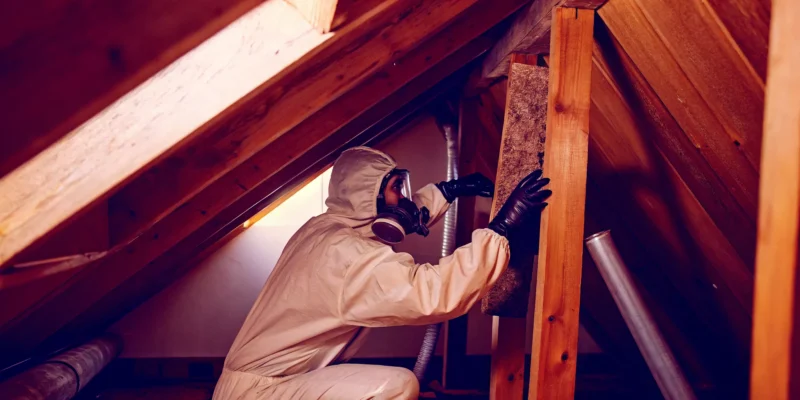
Attic mold often starts where it is not easily visible: around a roof leak, damp insulation, or a poorly ventilated section that traps moisture after Bakersfield’s extreme heat. A musty odor, dark spots, or water staining on attic materials deserves attention, even when the rest of the home looks dry. The CDC explains that mold spores enter homes through openings and HVAC systems, then grow when they land on areas with excess moisture.
Attic mold removal bakersfield should address both the visible growth and the moisture source, such as a roof leak, ventilation problem, or condensation. Our IICRC-certified technicians can identify affected materials, protect the rest of the home through professional containment, and guide safe removal from start to finish.
Call 911 Restoration of Bakersfield at (661) 416-8390 to schedule a free attic mold inspection. Our team responds within 45 minutes and serves Bakersfield and all of Kern County.
Understanding why hot-weather attics collect moisture is the first step toward stopping the problem from returning. For broader guidance, see our Mold Remediation Bakersfield: Definitive Guide, then consider how Bakersfield’s heat and ventilation patterns affect attic conditions.
Why Bakersfield Attics Are Prone to Mold in Hot Weather
Bakersfield attics face a unique condensation cycle. Extreme daytime heat warms attic surfaces, and when temperatures drop at night, moisture in the warm air condenses on cooler roof sheathing, rafters, and insulation. This repeated wet-dry cycle creates conditions where attic mold can take hold even without a visible leak.
Bakersfield’s Central Valley heat can make an attic feel like an oven during the day, but the temperature changes after sunset create a less obvious moisture problem. As hot attic air cools overnight, water vapor can condense on roof sheathing, rafters, nails, insulation, and other cooler surfaces. Repeated day-to-night cycles leave these materials damp long enough for mold to take hold.
How the attic condensation cycle works
During a hot afternoon, heat enters through the roof and raises the temperature of the attic air and its contents. That air can hold more moisture. When the outdoor temperature drops at night, the roof assembly and attic surfaces cool faster than the moisture can escape. The vapor then turns into tiny droplets, much like condensation on a cold drink. Standing water may not be visible, but recurring dampness can still support mold growth.
Excess moisture is the primary driver of indoor mold growth. The CDC explains that mold spores grow when they land on areas with excessive moisture, including places affected by roof leaks. In an attic, condensation can create that moisture even when there has been no major storm or visible leak.
Why ventilation matters in older Bakersfield homes
Attic ventilation helps move hot, humid air out and allows drier air to circulate. When soffit vents, ridge vents, gable vents, or ventilation channels are blocked, undersized, or missing, moisture stays trapped. Our technicians frequently find that older Bakersfield homes are especially vulnerable when ventilation was not designed for today’s heat or has been obstructed by insulation. Roof leaks and high indoor humidity can compound the problem. Poor ventilation, water leaks, and high humidity are all recognized causes of attic mold growth.
We recommend keeping indoor humidity below 45 percent as a practical target. A hygrometer can help track conditions, although attic readings may differ from the living areas below. If humidity remains elevated, the underlying source needs attention rather than simply wiping visible spots.
Why a small moisture problem needs a quick response
Mold does not need weeks of visible flooding to develop. When water intrudes into a property, growth can begin in as little as 48 hours. That timeline can apply to a roof leak, a wet insulation area, or repeated condensation that never fully dries. Our teams do not recommend disturbing suspicious attic material unnecessarily, especially if the affected area is extensive or difficult to reach.
For a broader explanation of moisture sources, cleanup, and next steps, read our Mold Remediation Bakersfield: Definitive Guide. A professional inspection from our team can identify whether the problem is condensation, a roof leak. Inadequate ventilation, or a combination of causes, so removal is paired with moisture control.
Signs of Attic Mold You Can Spot Without Going Up There
Our technicians recommend checking for attic mold from a safe position. A musty odor near the attic hatch, water stains on ceilings below the attic, and visible dark or colored spots through the access opening are common indicators. Any of these signs warrant a professional inspection rather than a risky DIY entry.

A homeowner does not need to climb into a dark, cramped attic to notice warning signs. Our team suggests a careful check from the access point and the rooms below to help decide whether to arrange an inspection.
-
Look through the attic hatch
Keep feet on the floor and shine a flashlight through the opening. Look along the visible roof sheathing, rafters, and insulation edges for dark, green, gray, or other oddly colored spots. The CDC identifies visible spots and a musty smell as common signs of mold. Do not reach into the opening or move insulation just to get a better view.
-
Check the air at the access point
Stand beside the hatch and notice whether a persistent musty or earthy odor comes from the attic. A smell that returns after the area has been aired out deserves attention, especially when it occurs with visible spotting or a history of roof leaks.
-
Inspect the ceiling directly below
Walk through the room beneath the attic and scan the ceiling for brown water stains, yellow or gray discoloration, bubbling, or peeling paint. These marks can indicate moisture movement from a roof leak, plumbing issue, or condensation.
-
Watch for condensation and frost clues
During colder weather, check windows for recurring condensation and look outside for ice dams. In Bakersfield, large temperature swings between conditioned rooms and a hot attic can create recurring condensation cycles.
-
Notice unexplained indoor symptoms
If allergy-like symptoms, coughing, or irritation repeatedly worsen indoors and improve elsewhere, record when they occur and which rooms are involved. People with asthma, immune suppression, or other respiratory risks should not enter or clean a suspected mold area.
If closer inspection is needed, our team recommends wearing at least a NIOSH-approved N95 respirator, as suggested by the CDC’s mold cleanup guidance. When signs point to a larger moisture problem. Our professional attic mold removal in Bakersfield can verify the condition without turning a cautious inspection into a risky cleanup attempt.
Health and Structural Risks of Untreated Attic Mold
Untreated attic mold can affect both indoor air quality and the structure of the home. Spores may move into living spaces through ceiling gaps, ductwork, and HVAC returns. Prolonged moisture can also weaken roof sheathing and reduce insulation effectiveness, leading to higher energy costs and more extensive repairs.
Attic mold is not only a cosmetic issue. If moisture remains and the growth is left undisturbed, spores may move into occupied rooms through an attic hatch, ceiling gaps, ductwork, or HVAC return pathways. That makes a small attic problem relevant to the air throughout the home.
How attic mold can affect indoor air
The Institute of Medicine found sufficient evidence linking indoor mold exposure with upper respiratory symptoms, cough, and wheeze in otherwise healthy people. The Centers for Disease Control and Prevention cites the IOM findings on its mold health page. Reactions vary by person and by the amount of exposure. People with asthma, immune suppression, allergies, or underlying lung disease may be especially vulnerable.
The CDC advises that people with immune suppression, chronic respiratory disease such as asthma, or underlying lung disease should not participate in mold cleanup. Our technicians recommend keeping household members in these groups away from the attic work area and avoiding disturbance of the material while arranging a professional inspection. Our team can determine how far the growth has spread and what containment is appropriate.
Why the attic itself can deteriorate
Mold growth usually signals an ongoing moisture problem, such as a roof leak, condensation, or inadequate ventilation. Continued dampness can affect wood roof sheathing and rafters, particularly when materials stay wet over long periods. As deterioration progresses, these components may lose strength and require more extensive repair.
Insulation can also become less effective when it is damp, compacted, or contaminated. That reduces its practical R-value and can make the attic harder to keep separated from Bakersfield’s outdoor heat. The result may be higher indoor temperatures, more strain on the air conditioner, and a moisture cycle that allows the problem to return.
Our attic mold removal Bakersfield service addresses both the visible growth and the moisture source. Removing mold without correcting the leak or ventilation issue treats the symptom, not the condition that supports it.
What Professional Attic Mold Removal in Bakersfield Involves
Professional attic mold removal includes inspection with thermal imaging and moisture meters, plastic sheeting containment with negative air pressure. HEPA air filtration throughout the work area, removal of affected materials, antimicrobial treatment, moisture-source repair, and final clearance testing. Our IICRC-certified technicians follow this full process to ensure the mold does not return.
Effective attic mold removal is more than wiping away visible growth. Our team must identify how moisture entered or accumulated, protect the rest of the home from airborne spores, and confirm that the attic is safe after cleanup. Because poor ventilation and roof leaks are common causes of attic mold, our remediation addresses both the contamination and the moisture source. We recommend professional remediation over DIY cleanup when mold is widespread, materials are damaged, or the source is not clear.
| Factor | DIY Approach | Professional Attic Mold Removal |
|---|---|---|
| Inspection | Visual check only; may miss hidden growth | Thermal imaging and moisture meters locate concealed moisture |
| Containment | No containment; spores can spread to living areas | Plastic sheeting and negative air pressure isolate the attic |
| Air filtration | None or inadequate | HEPA filtration captures airborne particles during removal |
| Moisture source | Often left unaddressed; mold returns | Identified and repaired as part of the process |
| Clearance testing | No verification | Mold-Free Guarantee passes a clearance test |
- Inspection and moisture mapping. An IICRC-certified technician from our team examines the attic and surrounding areas for visible growth, staining, odors, and hidden moisture. We use thermal imaging and moisture meters to locate damp sections, concealed leaks, and areas that need closer inspection. This step is essential because removing mold without finding the moisture source can lead to recurring growth.
- Containment. Our crew installs plastic sheeting to separate the work area from the living space. We establish negative air pressure so air flows into the contained attic instead of carrying disturbed spores into bedrooms or other parts of the house.
- HEPA air filtration. We deploy specialized HEPA filtration equipment to capture airborne particles during the work. This helps reduce cross-contamination while our technicians handle insulation, wood, or other affected materials.
- Removal and surface cleaning. Our team removes mold-infested insulation and materials that cannot be salvaged. Salvageable surfaces are HEPA vacuumed, cleaned, or sanded as appropriate. The goal is to remove contamination rather than conceal it with paint or a surface coating. Learn more about our professional mold removal services before scheduling an inspection.
- Antimicrobial treatment and sanitization. After physical removal and cleaning, our technicians treat appropriate surfaces and sanitize the work area using products and methods matched to the materials and extent of growth.
- Moisture-source repair. We address the condition that allowed mold to grow. That may include repairing a roof leak, correcting inadequate attic ventilation, or resolving another moisture problem. In Bakersfield, this step matters because extreme heat can intensify attic condensation cycles. Removal without moisture control is incomplete remediation.
- Final clearance testing. Once the work is finished, we review and test the area according to the project requirements. Our Mold-Free Guarantee is designed to pass a clearance test. Our company provides a 45-minute emergency response and serves customers with IICRC-certified, bilingual (English/Spanish) support. For a broader overview, contact our mold remediation team.
How to Prevent Attic Mold in a Hot-Climate Home
Preventing attic mold starts with balanced ventilation, prompt roof leak repairs, and indoor humidity control below 45 percent. Our team recommends a professional attic inspection before and after Bakersfield’s summer heat season to catch moisture problems before mold develops. Proper insulation that does not block soffit vents also helps reduce condensation risks.
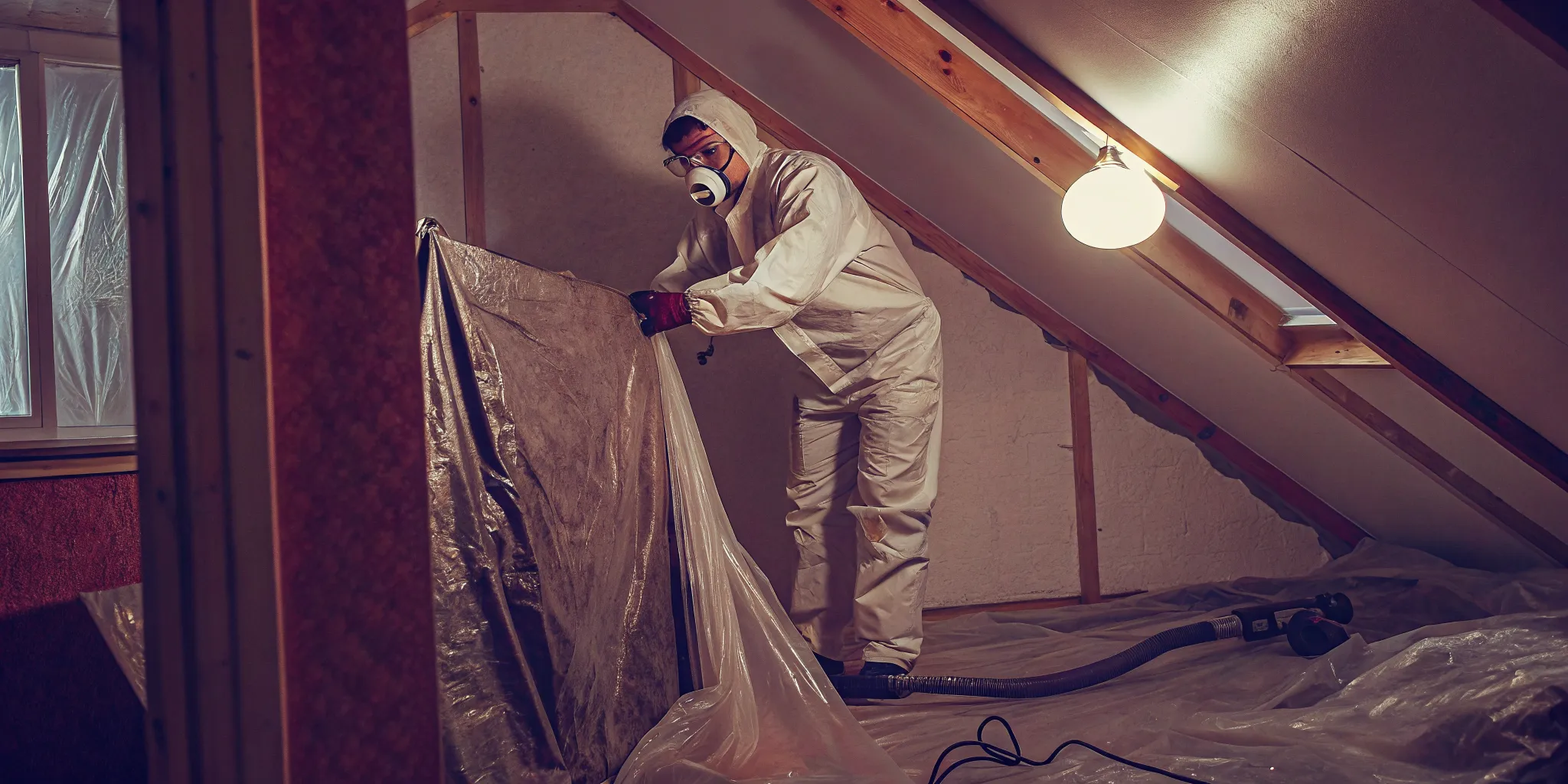
Prevention starts with controlling the moisture that collects above the living space. Bakersfield’s intense summer heat can make attic conditions harsher, while occasional heavy rain and wind can introduce water through a damaged roof. Our technicians recommend a few routine maintenance steps that can reduce the chance that damp materials become a mold problem.
Keep air moving and moisture out
Our team recommends making sure the attic ventilation system is balanced. Ridge vents release rising hot air, while soffit vents provide the intake air needed to replace it. Attic fans may help in some homes, but they should work with the existing vent system rather than pulling conditioned indoor air into the attic. A roofing or restoration professional can check for blocked vents, damaged screens, and insulation that is covering soffit openings.
After a rain or wind storm, look for roof damage, damp insulation, or water staining on the underside of the roof deck. Have leaks sealed as soon as possible, even if the affected area seems small. Mold can develop quickly after water enters a property, so drying wet materials promptly matters as much as repairing the roof.
Control indoor humidity and insulation
Use bathroom and kitchen exhaust fans, repair plumbing leaks, and consider a dehumidifier when indoor moisture stays high. We recommend keeping indoor humidity below 45 percent to inhibit mold growth. A basic hygrometer can help track conditions instead of relying on how the air feels.
Proper insulation also matters. It helps keep warm, moist indoor air from reaching cold attic surfaces where condensation can form. Insulation should be installed evenly without blocking soffit ventilation, and gaps around ducts, light fixtures, and attic access panels should be sealed appropriately.
Inspect the attic twice a year
Our team recommends scheduling an attic inspection before and after Bakersfield’s summer heat wave season. We check ventilation, roof penetrations, insulation, moisture readings, and early discoloration or odors. If recurring moisture or visible growth is found, contact our team for mold removal in Kern County rather than covering the area and hoping it stays contained.
Frequently Asked Questions
How do you distinguish attic mold from other stains?
Mold may appear as dark or colored spots and often has a musty odor. Water staining can indicate the moisture source that allowed growth, but appearance alone cannot confirm the material. Our technicians can use moisture meters and thermal imaging to evaluate hidden moisture and determine whether sampling or removal is appropriate.
Is professional mold remediation necessary for an attic?
Professional remediation is the safer choice when growth covers more than a small isolated area, the source is unclear, or insulation and other porous materials are affected. Our trained technicians can contain the work area, use HEPA filtration, remove impacted materials, and address the moisture problem. The CDC recommends that people with asthma, immune suppression, or underlying lung disease not participate in mold cleanup: CDC mold cleanup guidance.
How does mold grow in a Bakersfield attic?
Mold needs moisture, so attic growth commonly follows roof or plumbing leaks, poor ventilation, or high humidity. In Bakersfield, extreme heat can intensify condensation cycles when warm, moist air meets cooler attic surfaces. Our team has seen this pattern often in local homes without adequate attic ventilation.
How can I prevent attic mold in my Bakersfield home?
Repair roof and plumbing leaks promptly, keep attic ventilation pathways clear, and control indoor humidity. Our team recommends keeping indoor humidity below 45 percent to inhibit mold growth. After heavy rain or a leak, check ceiling areas and attic materials for moisture before the problem spreads.
Does homeowners insurance cover attic mold removal?
Coverage depends on the cause. If the mold resulted from a covered peril such as a sudden roof leak from storm damage, insurance may help pay for remediation and repairs. Mold caused by long-term humidity, lack of maintenance, or gradual condensation is typically not covered. Our team can assist with insurance claims navigation and documentation to help determine what coverage may apply.
Schedule an Attic Mold Inspection in Bakersfield
If you have noticed a musty odor, staining, or possible moisture in your attic, a professional inspection can help identify the source and clarify the next step. 911 Restoration of Bakersfield can assess the affected area and explain practical options for safe removal. To schedule a free attic mold inspection in Bakersfield, call 911 Restoration of Bakersfield at (661) 416-8390. Our team is ready to answer your questions and help you move forward.
