Category 3 Water Damage Dangers: What Makes Blackwater So Hazardous
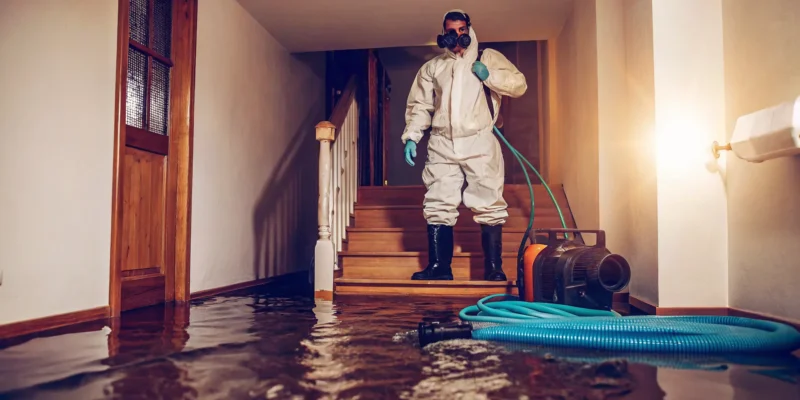
Floodwater that carries raw sewage or toxic chemicals into your home is not a simple mess to clean.
Category 3 water damage dangers stem from the presence of raw sewage, pesticides, or other toxic agents that pose severe health risks to your family. According to the IICRC, this type of water is grossly contaminated and can contain harmful germs or other toxic agents. When this “blackwater” enters your home through a sewage backup or outdoor flooding, it brings in dangerous viruses, bacteria, and parasites. These contaminants can cause stomach illnesses, skin infections, and breathing problems if they are not handled with professional care. Because porous materials like carpets and drywall soak up these toxins, most affected items must be removed and replaced rather than cleaned. Proper cleanup requires industrial-grade tools and specialized safety gear to ensure the environment is truly safe for you to live in again.
Protecting your home and health starts with understanding exactly what kind of water you are dealing with. Industry experts use specific classifications to determine how to treat different types of moisture and flooding. Knowing the details within The Three Categories of Water Damage Explained is where the safe restoration process begins.
Category 3 Water Damage Dangers: The Three Categories of Water Damage Explained
When water floods your home, you might just see a mess. But the source of that water changes how you must act. The IICRC sets three types of water damage based on how dirty the water is. These levels range from clean water to very risky waste. Knowing these types helps you keep your home and family safe during a flood or leak.
Category 1: Clean water sources
Clean water comes from a safe source. This includes things like a broken water pipe or a sink that spills over. This type of water does not pose a big threat to your health. But you must still act fast. If clean water sits for too long, it can grow germs and turn into gray or black water. If you find the leak early, you can often save your rugs and walls with fast drying. Most people can handle small clean water leaks on their own if they have the right tools.
Category 2: Gray water and health risks
Gray water is water that has some level of dirt. It may come from a sink or a washer. It could also come from a toilet that has no waste in it. This water can make you feel sick if you touch it or drink it. It often has soap, food bits, or small amounts of waste that can cause skin rashes. You should not try to clean up gray water without good gloves and boots. If this water soaks into your rugs, you may need an expert to help you dry it out right.
Category 3: Category 3 water damage dangers
This is the most risky level. Experts call it black water because it is very dirty. Per the IICRC S500 standard, category 3 water damage involves water that is grossly foul. This water contains pathogenic agents that lead to serious health issues. Common sources include sewage backups, river floods, and water with pesticides. This water can also have oil, salt, or silt that ruins your walls and floors. You should never try to clean black water yourself. It needs expert care and special tools to make your home safe again.
It is vital to know which type of water you are dealing with. The chart below shows the main facts for each level of damage:
| Category | Source of Water | Hazard Level | Action Needed |
|---|---|---|---|
| Category 1 | Broken supply lines | Low health risk | Quick dry and cleanup |
| Category 2 | Washers and sinks | Medium health risk | Sanitize and dry |
| Category 3 | Sewage or river floods | High health risk | Expert cleanup |
If you face a leak, your first step should be to find the source. You can read more in our water damage restoration in Bakersfield: complete homeowner guide. Each type of water needs its own plan to keep your house in good shape. Acting fast helps you avoid more costs and protects your family from mold and germs. Most experts say that you should call for help if you are not sure which type of water is in your home.
What Makes Category 3 (Blackwater) So Dangerous?
Category 3 water damage is the most severe level of water loss. It involves water that is grossly contaminated and may contain harmful agents that can cause serious illness. This type of water, often called blackwater, comes from sources like sewage backups, river floods, and rising groundwater. Because it carries waste, it is unsafe for you to touch or breathe near without the right gear.
Pathogens and health risks
Blackwater can carry a mix of viruses, bacteria, and parasites. According to the CDC, floodwater may carry sewage or chemicals into your home. These contaminants can lead to severe infections, especially if you have a weak immune system. You may also face risks of asthma attacks, skin irritation, and allergic reactions when you are near this type of damage.
Unsalvageable porous materials
When blackwater hits porous items, the damage is often final. Materials like carpet, drywall, and insulation soak up the contaminated water. These items are generally unsalvageable and must be removed to keep your home safe. Professional water damage restoration in Bakersfield is needed to ensure these materials are disposed of properly and the area is fully cleaned.
The 24-hour mold window
Mold can start to grow in as little as 24 hours after water damage occurs. In a Category 3 loss, this growth can be even more dangerous because the water already contains organic waste. If you smell odd odors, it often means microbial growth is already active. Quick action is vital to stop the spread of toxins through your home and protect your health.
Health Risks from Sewage Backup and Contaminated Floodwater
Category 3 water damage dangers are a major threat to your home and health. This type of water, often called blackwater, is full of waste and germs. Coming into contact with this liquid can lead to bad health issues for you and your family. If you face a leak, you need expert sewage backup cleanup to stay safe.
Germs and illnesses
Sewage and floodwater carry many types of germs that can make you very sick. These include viruses, bacteria, and parasites that live in waste. You may catch a stomach bug like E. coli if you touch or swallow the water. According to the CDC, flood water can also carry disease carriers like mosquitos.
People with a weak immune system face the most risk from these germs. They can get deep infections that are hard to treat. It is best to stay away from any wet areas until a pro clears the site. This protects everyone from the hidden risks found in the water.
Breathing and skin problems
Water damage also affects the air you breathe. Mold can start to grow in less than a day after a flood. This can start asthma attacks or cause your eyes and skin to itch. The CDC notes that mold leads to allergic reactions in many people.
Direct contact with sewage can cause skin infections. Germs enter the body through small cuts or even your pores. You must wear the right gear if you have to be near the area. This includes an N-95 mask, gloves, and eye protection to stop germs from getting in.
Safe cleanup needs
Cleaning up after a sewage leak is not a DIY job. You need special tools and strong soaps to kill all the germs. Home cleaners often fail to remove the deep waste that hides in floors and walls. A pro team has the training to find and fix every risk.
Safety is the top part of any cleanup. Our team uses tools to block off the wet area so germs do not spread to other rooms. This keeps the rest of your house clean while we work. Getting help fast means you can return to a safe, healthy home sooner.
Why Category 3 Cleanup Requires IICRC-Certified Professionals
Fixing category 3 water damage is not a job for a homeowner. This type of water carries heavy risks that need expert tools and training to manage. You need a team that knows the rules for safe removal and cleaning. Using a certified team protects your home and your health from the hidden dangers in flood water.
Safety and health risks
Blackwater often carries bacteria, viruses, and parasites that can make you very sick. The CDC warns that flood water can also hold chemicals or sewage from outside. Experts use high-end gear to stay safe while they work. This gear includes masks, gloves, and suits that keep the germs off their skin and out of their lungs.
IICRC standards for restoration
The IICRC S500 is the main set of rules for water damage restoration services in the field. These rules tell pros how to dry a home without spreading germs. A certified crew knows how to find wet spots behind walls that you might miss. They use tools to check for moisture and ensure your home is truly dry before they finish the job.
- Site check and safety setup. The team looks at the damage and sets up barriers. These barriers keep the dirty water and air from moving into clean rooms. According to the IICRC, proper containment is a key part of the cleanup process.
- Protective gear use. Every worker wears full gear to avoid contact with waste. This gear helps prevent skin issues or lung problems from toxic air.
- Fast water removal. We use big pumps to pull out the standing water. Getting the water out fast stops it from soaking deep into the wood and floor.
- Waste disposal. Things like wet carpet and drywall are not safe to keep. Pros must pull these out and throw them away in a safe way. This stops mold from growing later.
- Deep cleaning. We use strong soaps to kill germs on hard surfaces. This step removes the smells and the health risks that come with sewage or flood water.
- Drying and tracking. Fans and tools move the air to dry the home. The crew checks the moisture levels every day to make sure the work is going well.
- Final safety check. Once the home is dry, we do a final look to make sure it is safe. This gives you peace of mind that the blackwater is gone for good.
Professional gear and tools
Home tools are not strong enough to handle a major flood. Pros use big air movers and dehumidifiers to pull moisture from the air and walls. They also have tools to test for mold and bacteria. If you are not sure whether to call for help, read about professional vs DIY cleanup to see why expert help is the best choice.
How 911 Restoration Safely Handles Category 3 Water Damage in Bakersfield
When sewage or flood water enters your home, you need a team that acts fast to stop the spread of germs. 911 Restoration of Bakersfield offers a 24/7 emergency response with a 45-minute arrival. Our local team understands the needs of Kern County residents. We handle every step from the first call to the final repair of your home.
Rapid arrival and containment
Our work starts with fast arrival to stop the movement of waste into clean rooms. According to the IICRC, Category 3 water cleanup needs tight barriers to keep people safe. Our crew uses thick plastic and air tools to trap small bits in the air. This step keeps your family and pets safe while we pump out the bad water.
We do not use a far-off call center. You will talk to a local pro who knows the Bakersfield area. Our team speaks both English and Spanish to help you during a tough time. If you have a sewage mess, call us at (661) 220-7584 for fast help from our sewage cleanup service.
Safe removal and disposal
Getting rid of blackwater is a risky job that needs the right gear. Our team wears full safety suits with N-95 masks and gloves. The CDC says that flood water can carry viruses into your home. We use strong pumps and vacuums to pull all liquid and waste out of the building.
Some items cannot be saved if they touch this bad water. Soft items like carpet and drywall soak up waste like a sponge. We take these items out and throw them away to stop long-term health risks. This work is part of our water damage restoration in Bakersfield plan to make your home safe again.
Deep cleaning and drying
Once the waste is gone, we deep clean every spot. We use strong cleaners that kill germs on contact. This step is a must because left-over waste can cause smells or mold. Our trained crew then sets up drying tools to pull damp air out of the walls. This helps prevent more damage later on.
We aim to make the job easy for you. 911 Restoration of Bakersfield offers direct insurance billing to save you from a hard claims process. We work with your agent to cover the costs of the cleanup and the repairs. Our goal is to give you a Fresh Start so you can live in a safe, dry home once more.
Frequently Asked Questions
Why is category 3 water damage so dangerous for your health?
Category 3 water is often called blackwater because it contains very high levels of harmful germs. This water can carry raw sewage, chemicals, and pests that spread disease. According to the CDC, exposure to this dirty water can lead to serious infections, skin rashes, and breathing problems. It is much more than just a mess. It is a health risk that can make you very sick if you touch it or breathe it in without help.
What items must be thrown away after category 3 water damage?
Most soft or spongy things that touch blackwater must be tossed out. This includes items like carpets, rugs, drywall, and insulation. These materials soak up the germs and are very hard to clean or dry out safely. The IICRC states that these items are usually not savable after they touch blackwater. Keeping them in your home can lead to long-term health risks from mold and bacteria. You should trust a pro to tell you what can be saved.
How long can category 3 water sit before it gets worse?
You should never let category 3 water sit for any amount of time. It is dangerous from the very first second. Over time, the germs and mold inside will grow and spread much faster. After about 72 hours, even clean water can turn into a serious risk. Since blackwater is already highly dirty, the risks to your health and home rise with every passing hour. Quick action is needed to stop the spread of toxins and to protect your family.
Can I clean up category 3 water damage myself?
You should not try to clean up this type of damage on your own. Blackwater is very unsafe and needs expert training to handle. Pros use special gear like N-95 masks and thick gloves to stay safe. According to the CDC, you must wear the right gear to avoid contact with viruses and bacteria. A pro team will also have the tools to dry and fix your home. This helps stop more damage and keeps your family safe from toxic waste.
Ready to book your emergency Category 3 cleanup?
Category 3 water damage is a big risk to your health and your home. This type of water is often called blackwater. It carries germs and dirt that spread fast. Every hour you wait lets the dirt sink deeper into your floors and walls. This can lead to high costs and mold that is hard to fix later. Acting now stops the spread and keeps your family safe. Our local team in Bakersfield can be there in 45 minutes or less. We start the drying and cleaning work right away. We use the best tools and safe ways to get your home back to normal fast. You can find more tips in our Bakersfield water damage guide. Do not risk your safety by waiting to handle a sewage backup or flood. We are here all day and night to help you when you need it most.
Ready to book? Call (661) 220-7584 to request 24/7 emergency cleanup.
