Water Damage Restoration vs DIY Cleanup: Why Professionals Are Safer
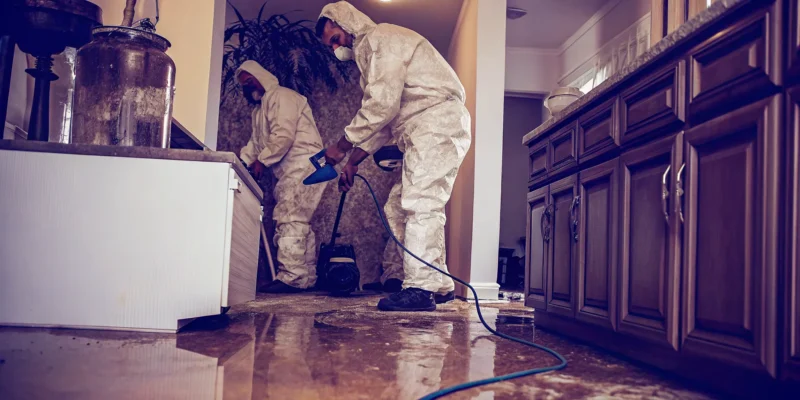
Standing water in a Bakersfield basement can trigger toxic mold growth in less than two days. Wiping up visible puddles is rarely enough to protect your home. Professional help ensures every hidden drop is gone before it causes lasting damage.
Need immediate help with water damage? Call (661) 220-7584 for a fast, professional water damage inspection today!
The choice between water damage restoration vs diy cleanup often decides whether your home suffers from long-term rot or toxic mold growth. While many owners try to use basic towels and fans to dry a room, these simple tools fail to reach moisture trapped deep inside walls. Professional restoration is safer because experts use thermal cameras to remove hidden dampness before mold starts, according to the EPA. Bakersfield crews provide the skill needed to clean your space and protect your property while keeping your insurance files valid and correct. For more help, see our Water Damage Restoration Bakersfield: Homeowner Guide.
Choosing a professional path saves you from the stress of a failed cleanup and repair costs. To protect your home, you must understand where simple home methods fall short. It is helpful to see exactly What Homeowners Miss When They Try to DIY Water Damage Cleanup. The list of risks includes
Water Damage Restoration vs DIY Cleanup: What Homeowners Miss
Many people think they can fix a flood with a shop vac and a few fans. But water is sneaky. It does not just sit on the floor where you can see it. It moves fast and hides in places that are hard to reach. When you try to do it yourself, you might leave behind a lot of moisture. This leads to big problems later.
Water Hides Behind Walls and Baseboards
When a leak starts, water often flows under your baseboards and into the wall. You may dry the floor, but the wood and insulation inside the wall stay wet. This can rot your wall studs and lead to mold growth in a short time. The Environmental Protection Agency warns that you must dry wet areas within 24 to 48 hours to stop mold. Without pro gear, you cannot reach the damp spots behind your drywall.
Surface Dryness Is Not Full Structural Dryness
A floor can feel dry to the touch even if the subfloor is still soaked. Home tools like box fans only dry the surface. They do not pull deep moisture out of thick wood or concrete. Pro teams use moisture meters to find these wet spots. If you miss them, the water will cause the wood to warp or buckle over time. Getting professional water damage restoration services ensures that your home is truly dry from the inside out.
Water Travels Along the House Framing
Water follows the path of least resistance. It can run along your floor joists or wall studs and end up far from where the leak began. You might find a wet spot in one room when the pipe burst in another. It is very hard for a homeowner to track this movement without special tools. If you only clean the area you see, you miss the hidden damage that weakens your home. A full check from Water Damage Restoration Bakersfield: Homeowner Guide experts can help you find every drop.
In short, small leaks can lead to big costs if they are not handled right. While a DIY fix seems cheap, it often fails to stop rot and mold. Most people do not have the high-grade tools needed to find hidden water. To stay safe, it is best to get a pro to check your home after any flood or leak.
Hidden Mold Risk: The Problem With Poor Drying
Many people think their home is safe once the standing water is gone. But drying out a room is about more than just mopping the floor. Most house parts act like sponges. They soak up water and hold it deep inside where you cannot see it. If you do not remove this moisture fast, it leads to big problems. This is a main reason why people compare water damage restoration vs diy cleanup. Pros find the water that a simple mop or fan will miss.
The 24-Hour Rule for Mold Growth
Mold does not wait for you to find it. It can start to grow on wet surfaces in as little as 24 to 48 hours. This is why quick action is vital after a leak or flood. The Environmental Protection Agency (EPA) notes that you must dry wet areas within 48 hours to stop mold. If you miss this small window, spores begin to spread fast in dark, damp spots.
Once mold takes hold, it is much harder to fix. Our team at 911 Restoration of Bakersfield knows this need for speed. We offer a 45-minute response time across Kern County. We get on-site fast to start the drying process before mold can take root. Our staff speaks both English and Spanish to help all our neighbors 24/7/365. We treat your home with a Fresh Start Attitude to make sure it is safe again.
Why Porous Items Trap Moisture
Your home is made of many porous items like drywall, wood studs, and carpets. These items pull water deep into their fibers. A simple box fan might dry the surface of a wall, but the inside stays wet. This trapped water creates a perfect home for mold to grow out of sight. You might not see it for weeks, but the damage is happening behind the scenes.
Expert teams use special tools to find this hidden dampness. We use moisture meters and thermal cameras to see behind walls and under subfloors. DIY tools like shop-vacs cannot reach these deep spots. Using the wrong gear often leads to the danger of DIY drying. Without the right gear, you leave your home at risk for wood rot and structural decay.
Signs of hidden mold often include:
- Musty or earthy smells that do not go away.
- Soft or spongy spots on your walls or floors.
- Dark spots that show up on your ceiling.
- Peeling paint or bubbling wallpaper near water pipes.
Health and Structural Risks
Hidden mold is not just a threat to your house. It is also a threat to your health. Breathing in mold spores can cause many issues. It can lead to coughs, skin rashes, and breathing problems for your family. The risk is even higher for kids, the elderly, and pets. For those with asthma, mold can make life very hard.
When mold grows inside your walls, it also eats away at the house. It can weaken wood beams and ruin your drywall. Over time, this makes your home unsafe to live in. Our team is IICRC-certified to handle mold removal and remediation tasks. We follow strict safety rules to ensure your home is clean and dry. We serve the local area with expert care to give you peace of mind. If you had a flood, do not wait for mold to start. Call us for a full check today.
When Is Water Damage DIY-Safe and When Is It Not?
Deciding between a DIY fix and expert help depends on the water type and the size of the wet area. Small leaks from a clean source are often safe for you to handle if you act fast. But large floods or water from dirty sources can cause health risks. It is best to know the limits of home tools before you start a cleanup project.
Check the water source and type
The first step is to find out where the water came from. Pros use three groups to rank water safety. Type 1 is “clean water” from a broken pipe or a sink. This is the only type safe for DIY work. Type 2 is “grey water” which might have some dirt or soap. Type 3 is “black water” from sewage or a storm. Black water is never safe to touch without help. The EPA says flood water can carry germs and chemicals that hurt your health.
Look at the size of the wet area
The size of the mess matters as much as the source. A small spill on a tile floor is easy to dry with a mop. But if water gets under your carpet or into the walls, DIY drying often fails. You may need professional water damage restoration services for anything larger than a small room. Experts have tools to find water hiding in spots you cannot see. If you miss these spots, you risk wood rot or damage later on.
Think about your health and safety
Your safety is the top goal in any home flood. Standing water near outlets is a big shock risk. You must turn off the power before you step into a wet room. Also, think about the mold risk. The EPA notes that mold can start to grow in just 24 to 48 hours. If you cannot get the space dry in one day, you should call for help to avoid breathing in spores.
- Check the water source: Make sure the water is clean and does not come from a drain or the street.
- Turn off the power: Cut the main switch to the wet area to avoid the risk of electric shock.
- Find all wet spots: Use a light to check behind base boards and under rugs for hidden water.
- Check for mold: Look for dark spots or a bad smell if the area has been wet for a few hours.
- Call for help: Reach out to a pro if the water covers more than one room or smells like sewage.
If you are not sure if the job is too big, it is safer to ask a pro to check. Our team at 911 Restoration of Bakersfield can help you follow the right steps to mitigate water damage safely. We offer a fast response to keep your home safe from long term harm.
How Professional Equipment Differs from Consumer Gear
Homeowners often try to fix water damage with household tools. While a shop-vac or a floor fan might seem useful, they lack the power needed for deep drying. Professional gear is built to remove large amounts of water and moisture from house parts. Using the wrong tools can leave water trapped behind walls. This leads to long-term rot and mold.
Finding and Removing Water
The first step in restoration is to find all the water. Moisture often hides where you cannot see it. It can be under floorboards or inside walls. Experts use thermal cameras to find these cold spots. This lets us map out the damage without tearing apart your home first. Large pumps then remove the bulk of the water much faster than a home vacuum could ever do.
911 Restoration of Bakersfield uses these tools to ensure a full dry. Our team follows a set plan to handle leaks from pipes or sinks. If you have a flooded home, you need more than just surface cleaning to protect your house.
Drying and Air Care
Home fans only move air across the top of a room. This does not dry the inner layers of wood or walls. Large air movers create fast airflow that pulls moisture out of wet parts. To stop mold, this moisture must then be taken out of the air. We use Low Grain Refrigerant (LGR) units to do this. These machines work much better than home tools in very damp rooms.
The Environmental Protection Agency says you must dry wet areas within 24 to 48 hours to stop mold. Pro gear is the only way to meet this short window for big jobs. Our professional water damage restoration services use these machines to get your home back to normal fast.
| Tool Type | Consumer Tool | Professional Gear | Key Difference |
|---|---|---|---|
| Water Removal | Shop-Vac | Truck-Mounted Pump | Pros remove much more water per minute. |
| Air Movement | Box Fan | High-Speed Air Mover | Pros pull moisture out of walls and floors. |
| Drying Air | Home Unit | LGR Dehumidifier | Pros work in low humidity to stop mold. |
| Finding Water | Looking by Eye | Thermal Camera | Pros see hidden water behind walls. |
The Need for Constant Checks
Fixing water damage is not a job you can start and walk away from. Our team uses tools to track the drying every day. We move the gear as the house dries to get the best results. This careful work is a big part of why professional water damage restoration matters for your safety.
What IICRC Certification Means for Your Restoration Quality
When you face a flood, you might think any shop vacuum and fan can handle the job. But water damage restoration vs diy cleanup is not just about moving water. It is a scientific process. At 911 Restoration of Bakersfield, we follow the strict standards set by the Institute of Inspection, Cleaning and Restoration Certification (IICRC). This certification ensures that our team uses the best methods to protect your home and health.
The science of professional drying
Certified pros use building science to dry your property. We do not just look at the floor to see if it feels dry. We use psychrometry, which is the study of air and water vapor. Our team tracks moisture levels in the air to ensure it can pull water out of your walls. This scientific approach is much more helpful than DIY drying, which often leaves hidden dampness behind.
We use thermal cameras and moisture meters to find water that you cannot see. These tools help us find every wet spot behind your drywall or under your floors. This data guides our work so we do not miss a thing. You can learn more about the danger of DIY drying and why professional tools are needed to stop extra damage.
Meeting the S500 standard for safety
The IICRC S500 is the industry standard for professional water damage restoration. It tells us how to handle different types of water to keep you safe. For example, if your home has “black water” from a sewer, the S500 requires special safety gear and cleaners. Following these rules is key because flood water often contains bacteria and chemicals that can make you sick.
Our certification also means we know the “24-48 hour rule.” According to the EPA, mold can start to grow in as little as 24 to 48 hours. Our IICRC training helps us act fast to stop mold before it starts. We provide professional water damage restoration services that meet these high standards for every job.
Quality results and insurance help
Hiring a certified pro gives you peace of mind. IICRC firms must have insurance and follow fair rules. We track every step of the drying process with clear notes. This proof is very helpful when you file an insurance claim. Most companies trust IICRC-certified teams because they know the work follows a proven path. Our goal is to give you a “Fresh Start” with a home that is truly dry and safe.
Why Professional Restoration Is Essential for Insurance Claims
Water damage in your home is a big crisis. Most people hope their insurance will cover the cost of the fix. But getting a claim paid is not always easy. If you try to do the work yourself, you take a big risk with your policy. The way you handle the first few hours decides if the insurance company helps you or leaves you with the bill.
Proving you took steps to stop the damage
Almost every insurance policy has a rule about mitigation. This means you must take steps to mitigate water damage as soon as you find it. If you wait too long or do a poor job, the company can deny your claim. They call this a failure to mitigate. This is the main reason why many people lose their insurance money.
When you hire experts, they give you proof that you acted fast. They record the time they got there and how bad the home looked. This shows the insurance adjuster that you did your part to stop the water from spreading. Without this proof, the company may argue that you let the house rot on purpose. A pro team protects your rights by being a witness for your claim.
Detailed records that adjusters need
Insurance companies want to see facts. They do not just take your word for it. They want to see exactly how the drying process worked. A pro Water Damage Restoration Bakersfield: Homeowner Guide will explain that experts keep daily logs. These logs track how much water is in your wood, drywall, and air.
Adjusters look for these records to pay for the cost of the work. Pros use special tools to get these numbers. They track how much water they took out each day. They also list the exact machines used in your home. This list might include large fans and heavy drying units. If you DIY, you likely do not have these tools. You also lack the logs to prove the job was done the right way.
Avoiding extra damage denials
The worst part of water damage is what you cannot see. Wet spots can stay deep inside walls or under floors for weeks. If it stays wet, mold will start to grow. According to the EPA, mold can begin to grow within 24 to 48 hours. This is called secondary damage. Insurance companies often refuse to pay for it.
If you dry your home yourself, the adjuster may check for hidden wet spots. If they find mold later, they might say your DIY work was not good enough. They may then refuse to pay for the mold cleanup. Pros use thermal cameras to find every drop of water. They make sure the house is truly dry so mold cannot start. Having a pro sign off on the work makes it much harder for the insurer to blame you for new problems.
Frequently Asked Questions
Is DIY water damage cleanup safe?
Cleaning up water on your own can be risky if the water is not clean. According to the EPA, flood water often contains germs, chemicals, and other things that can make you sick. You also face risks from power lines and hidden mold. Professionals have the right gear to stay safe. They can find water hidden behind walls and under floors. This helps prevent health problems later.
How quickly does mold grow after water damage?
Mold grows very fast when surfaces stay wet. The EPA states that mold can start to grow within 24 to 48 hours. If you do not dry the area fast enough, mold will spread to your walls and carpet. It can even grow in spots you cannot see. Fast action is the best way to stop mold from taking over your home. Experts use special tools to dry your home quickly and safely.
Does insurance cover DIY water damage repair?
Most insurance plans need proof that you took the right steps to stop more damage. If you try to fix it yourself, your claim might be denied. This often happens because you lack the logs and photos that pros provide. Professional firms record every step of the drying process. This paperwork is vital for getting your claim paid. Working with an IICRC-certified team ensures you have the data your agent needs.
When should I call a professional for water damage?
You should call for help if the water comes from a sewage backup or a large flood. These jobs are too big and unsafe for home tools. Professionals at 911 Restoration of Bakersfield arrive in 45 minutes to start work. You should also call if the water reached your drywall or insulation. These items trap moisture and need high-power gear to dry. Getting help early saves you money on repairs.
Ready to schedule a professional water damage inspection?
Water that stays in your floors for more than one day often leads to mold and rot. Waiting too long to fix a leak can double your bills and force you out of your home for weeks. Our local team can be at your door in 45 minutes to stop the dampness and start the drying work. We use top-tier tools to find every drop of hidden water that basic fans will miss. Our crew also helps you record the damage to make your insurance claim much easier to file. Taking fast action now protects your house and keeps your family safe from harm. We are here 24/7 to help you get a fresh start after any leak or flood.
Ready to schedule a professional water damage inspection? Call (661) 220-7584 to schedule your professional water damage inspection today.
