What To Do After Water Damage At Home: What to Do in the First 24 Hours After Water Damage at Home
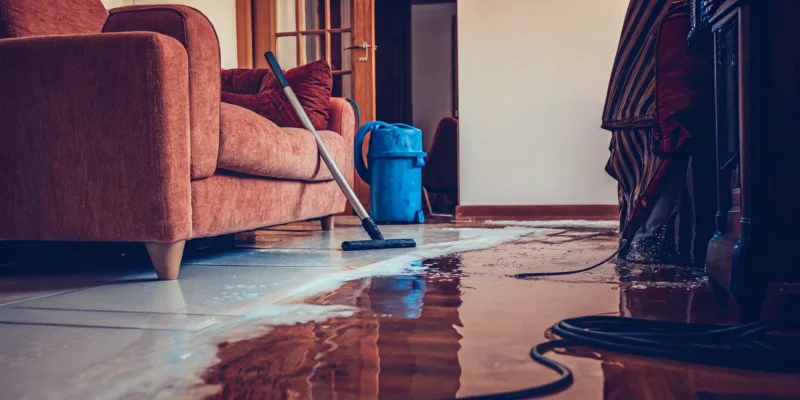
What to Do in the First 24 Hours After Water Damage at Home
The first 24 hours after a pipe bursts determine if your home survives or faces mold growth. Standing water ruins drywall while inviting dangerous spores to take root. Act now to save your property.
What to do after water damage at home starts with stopping the water source, turning off power to wet areas, and documenting damage for insurance. Immediately call a certified restoration specialist for professional water extraction and drying. Move light items to dry rooms, avoid home vacuums, and begin dehumidification to prevent rapid mold growth.
Call 911 Restoration of Bakersfield at (661) 220-7584 for immediate water damage help.
Knowing what to do in the moment can save your home from a total loss. Every minute that passes allows water to seep deeper into your building, which is why it is essential to reference our Water Damage Restoration in Bakersfield: Complete Homeowner Guide for full recovery instructions. We will now show you Why the First 24 Hours After Water Damage Are Critical. The path begins with
What To Do After Water Damage At Home: Why the First 24 Hours After Water Damage Are Critical
When water damage strikes your home, the clock starts ticking immediately. The first 24 hours are the most crucial period for effective restoration. Acting quickly can prevent minor issues from becoming major, costly problems. Understanding why this timeframe is so vital helps homeowners make smart choices.
Rapid Degradation of Materials
Water does not just dry; it degrades materials. Within hours, porous items like drywall, wood floors, and insulation start to swell, warp, and break down. This damage can become permanent if not addressed fast. The longer these materials stay wet, the harder and more expensive they are to save or replace. If you want to know more about saving your property, check out our comprehensive Water Damage Restoration in Bakersfield: Complete Homeowner Guide.
The Onset of Mold Growth
Perhaps the most concerning threat within the first 24 to 48 hours is mold. Mold spores are always present in the air, and they only need moisture and organic material to grow. A damp environment in your home creates ideal conditions for mold colonies to begin forming. Once mold takes hold, it spreads quickly and can cause health issues and further structural damage. For professional help in stopping spores from spreading, read our guide on mold removal in Bakersfield.
Preventing Secondary Damage
Beyond material breakdown and mold, water causes other hidden problems. Metal components, such as appliance parts and electrical wiring, can corrode. Wooden structures may weaken, affecting your home’s stability. Quick action, including effective water extraction and drying, stops these secondary damages before they become severe. For comprehensive help, consider professional water damage restoration services. If water damage was accompanied by smoke or soot from a fire, you will need integrated fire and smoke damage restoration.
Step 1: Stop the Source and Make the Space Safe
When water damage happens, your first move is to stop the water flow. Finding the main shut-off valve is key. This valve cuts off all water to your home. Knowing its location beforehand saves time and limits damage when a pipe bursts or a flood occurs.
Most main water shut-off valves are either where the water line enters your house, near your water meter, or in your garage or basement. They can be a wheel-like handle or a lever. Turn the handle clockwise until tight, or push the lever until it is crosswise to the pipe. This action stops the water.
Secure the Area
After stopping the water, make sure the affected space is safe. Water and electricity are a dangerous mix. Head to your electrical panel and turn off the power to the damaged areas. If you are unsure which circuits to turn off, cut the main breaker for your entire home. This prevents electrical shock and fire risks. If the flooding came from a sewage backup, you need specialized sanitation immediately. Learn more about our sewage backup cleanup services in Bakersfield.
Always wear protective gear like rubber gloves and boots. This helps keep you safe from contaminated water and electrical hazards. If the water is deep or has been standing for a while, it might contain harmful bacteria or chemicals. Avoid direct contact with floodwaters to prevent illness.
Check for Hazards
Before you do anything else, look for any structural problems or hidden electrical dangers. Water can weaken walls, ceilings, and floors. Do not enter rooms where ceilings bulge or floors sag. These are signs of serious structural damage. It is safer to wait for help if you see such risks. Our local technicians serve the entire Kern County area; check our service areas in Bakersfield and surrounding cities.
Look for exposed wires or damaged electrical outlets. These are major shock hazards. If you see any, stay away and alert a professional. Gas lines can also be damaged by water. If you smell gas, leave the area at once and call your gas company. Taking these steps protects everyone involved.
Step 2: Document Everything for Your Insurance Claim
After water damage, proper documentation is key for your insurance claim. This step helps ensure you get a fair settlement. Take your time to gather all needed information.
Good records make the claim process smoother. They provide clear evidence of damage. Without detailed proof, your claim may be delayed or denied.
Take Photos and Videos
-
Capture everything from many angles. Use your phone or camera to take many photos and videos. Start with wide shots of affected rooms. Then, focus on closer views of specific damage. Include damaged walls, floors, ceilings, and personal items.
-
Show water lines and damage severity. Document the extent of the water intrusion. This includes visible water lines on walls or furniture. Also, record any standing water before removal. Date and time stamp your images if possible.
-
Photograph hidden areas if safe. If it is safe to do so, document areas that might have hidden damage. This could include inside cabinets or under lifted carpets. These details help show the full impact.
Create a Detailed Inventory Log
-
List every damaged item. Go through each affected area and make a list of every item damaged or destroyed. Include furniture, electronics, clothing, and personal belongings. Be as specific as possible.
-
Include purchase details. For each item, note its description, brand, model number, and age. If you have receipts, attach copies to your log. Estimate the replacement cost for each item if you know it. This helps your insurer assess the value of your loss.
-
Do not throw away damaged items too soon. Your insurance adjuster may want to see the damaged items. Keep them until your claim is settled, or you get permission to dispose of them. Store them in a safe place.
Contact Your Insurance Provider Promptly
-
Report the damage right away. Contact your insurance company as soon as you can after finding water damage. Most policies require prompt notice. Delays can affect your coverage.
-
Understand your policy. Ask about your coverage for water damage. Learn about your deductible and what types of repairs are included. This helps you know what to expect during the claim process.
-
Keep a communication log. Write down every call or email with your insurer. Note the date, time, and name of the person you spoke with. Summarize the discussion and any decisions made. This log is helpful for tracking your claim’s progress.
Step 3: Remove Water and Start Drying Immediately
Act Quickly to Prevent Mold Growth
Time is critical after water damage. Mold can begin to grow within 24 to 48 hours. Rapid removal of water and immediate drying are essential to limit further damage. This quick action can help protect your home from long-term issues.
Initial Water Removal Steps
- Wipe Surfaces: Use towels or mops to remove standing water from hard surfaces. Pay attention to areas where water may have pooled.
- Remove Wet Items: Take out wet rugs, carpets, furniture, and other belongings. Move them to a dry, well-ventilated area, or discard items that cannot be saved.
- Boost Airflow: Open windows and doors if the outdoor humidity is low. Use fans to circulate air and help speed up drying.
- Use Dehumidifiers: Place dehumidifiers in affected rooms to pull moisture from the air. This significantly reduces the risk of mold and further damage.
Address the Source of Water
Before starting the drying process, ensure the water source is fixed. If the water came from a burst pipe or a leaking appliance, shut off the supply. Addressing the problem quickly prevents new water from entering the area.
Step 4: Call a Certified Restoration Company, What to Expect
When water damage strikes your home, acting fast is key. While some small issues might seem fixable with a DIY approach, knowing when to call in the professionals can save you time, money, and further damage. A certified restoration company offers specialized equipment and expertise that most homeowners do not have. This includes powerful water extractors, industrial-grade dehumidifiers, and moisture meters.
Why Professional Help Matters
After a flood or leak, hidden moisture can lead to serious problems like mold growth and structural weakening. Professionals know how to find all affected areas, even those not visible to the naked eye. They follow strict industry standards and protocols to ensure your home is fully dried and safe. This helps prevent long-term issues that could compromise your home’s health and value.
Moreover, restoration experts can help you navigate the insurance claims process. They document the damage thoroughly, providing clear evidence for your claim. This makes dealing with your insurance company much smoother, reducing stress during an already difficult time.
| Feature | DIY Restoration | Professional Restoration |
|---|---|---|
| Capabilities | Limited to visible surface water and small areas. | Handles large-scale damage, hidden moisture, and sewage backups. |
| Equipment | Basic fans, wet/dry vacs, household cleaners. | Industrial-grade dehumidifiers, air movers, thermal cameras, moisture meters. |
| Expertise | Trial-and-error approach, general cleaning knowledge. | Certified technicians (IICRC), specialized training in water damage, mold, and structural drying. |
| Outcomes | Risk of missed moisture, mold growth, lingering odors, and structural damage. | Thorough drying, mold prevention, odor removal, structural integrity preserved, warranty. |
| Insurance Claims | May struggle with documentation and claim negotiation. | Assists with documentation, direct communication with adjusters, smoother process. |
The 911 Restoration of Bakersfield Advantage
When you call 911 Restoration of Bakersfield, you connect with a team ready to respond quickly. We offer comprehensive water damage restoration services for homes and businesses. Our experts are trained to assess the damage, create a clear action plan, and begin the restoration process immediately. We handle everything from water extraction and drying to mold removal and property repairs.
Our goal is to bring your property back to its pre-damage condition, making the process as stress-free as possible. We prioritize clear communication, keeping you informed every step of the way. Choosing a certified team means you get peace of mind, knowing your home is in capable hands. We provide comprehensive disaster restoration in Bakersfield for residential properties, as well as tailored commercial restoration services for local businesses.
What Happens If You Wait Too Long After Water Damage?
Ignoring water damage in your home can lead to serious problems quickly. Even a small leak can become a major issue if left untreated. Swift action is crucial to prevent further harm and keep your repair costs down. Delaying restoration allows damage to spread, creating more complex and costly repairs later.
Mold Growth and Health Risks
Mold begins to grow within 24 to 48 hours of water exposure. It thrives in damp, dark areas, spreading rapidly through your home’s structure. Mold not only causes unpleasant odors but can also lead to health issues for your family. These include respiratory problems, allergies, and skin irritation. Addressing water damage quickly helps prevent mold from taking hold.

Structural Damage and Material Decay
Water can weaken and rot wooden structures, including floors, walls, and ceiling joists. Drywall absorbs water, leading to softening, crumbling, and eventual collapse. Insulation can become waterlogged and ineffective. Untreated water damage compromises your home’s structural integrity, making it unsafe and requiring extensive, expensive repairs to restore.
Increased Costs and Contamination
The longer water damage sits, the higher the repair costs become. What might start as a simple drying and cleaning job can escalate into a full structural rebuild. Also, standing water can become “black water,” laden with bacteria and contaminants from sewage or outdoor sources. This type of water damage poses significant health risks and requires specialized, more costly cleanup procedures to ensure safety and prevent illness.
Frequently Asked Questions
What should you do immediately after discovering water damage at home?
First, prioritize safety: turn off electricity to affected areas and avoid standing water. Next, stop the water source if possible, such as a leaky pipe or overflowing appliance. Document the damage with photos and videos for insurance purposes. Begin removing excess water using buckets, mops, or wet vacuums to prevent further saturation and mold growth.
How quickly can mold start to grow after water damage occurs?
Mold can begin to grow within 24 to 48 hours after water damage if moisture is not properly addressed. It thrives in damp environments, making prompt drying crucial. The speed of mold growth depends on factors like temperature, humidity, and the type of materials affected. Fast response helps limit mold spread and potential health risks.
Should you try to dry out water-damaged items yourself, or call a professional?
For minor water damage, you can start drying efforts yourself by opening windows, using fans, and dehumidifiers. However, for significant damage, especially from contaminated water, it’s best to call a professional water damage restoration service. They have specialized equipment to thoroughly dry and sanitize affected areas, preventing long-term problems.
When should you contact your home insurance company after water damage?
You should contact your home insurance company as soon as possible after discovering water damage, ideally within the first 24 hours. Early notification helps streamline the claims process. Be prepared to provide details about the cause of the damage, the extent of the impact, and any steps you’ve taken to mitigate further issues. According to the Insurance Information Institute, prompt reporting is key.
Ready to Act Fast on Water Damage?
Delaying action after water damage only makes problems worse, leading to more costly repairs and health risks like mold. Every minute counts when water threatens your home’s structure and your family’s safety.
Ready to schedule a free visual inspection? Call Eli and Chastity Cabral at 911 Restoration of Bakersfield to schedule a free visual inspection.
