
Water Damage Restoration for Landlords Bakersfield: A Property Manager Guide
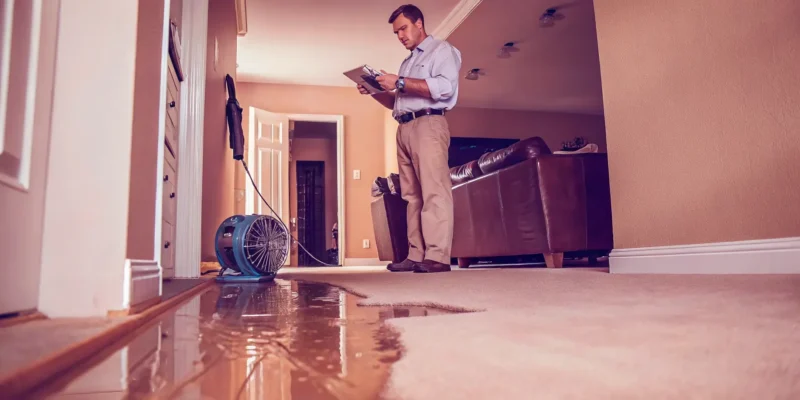
Water damage restoration for landlords Bakersfield property managers need starts with a fast response when a tenant reports standing water or a burst pipe. The clock starts ticking as soon as the call comes in. Water damage in a rental property does not just threaten the building — it threatens your tenant relationship, your insurance premiums, and your legal compliance under California law. Every hour of delay raises the risk of mold, structural damage, and tenant displacement.
Call 911 Restoration of Bakersfield at (661) 220-7584 for immediate water damage response in your rental property. We respond 24/7 and target a 45-minute arrival window.
This guide is part of our Water Damage Restoration in Bakersfield: Complete Homeowner Guide series. It is adapted for landlords and property managers who face different challenges. Those challenges include tenant communication, habitability laws, and protecting investments across multiple units.
This article is general information, not legal or insurance advice. Lease terms, facts, and policy language can change the outcome. Consult a qualified California housing or insurance professional about a specific claim.
What Does Water Damage Restoration for Landlords Bakersfield Properties Include?
911 Restoration of Bakersfield provides water damage restoration for landlords and property managers who need a documented response for rental properties. The process includes water extraction, drying, moisture checks, clear tenant updates, and insurance-ready records. Fast action limits damage and helps protect habitability.
Water damage in a rental property escalates faster than in an owner-occupied home. There is often a delay between when the damage starts and when it is discovered. A tenant who notices a small leak at night might wait until morning to report it. A slow pipe leak inside a wall could go unnoticed for days. In Bakersfield’s climate, where temperatures climb above 100 degrees in summer, humidity from undried water damage can trigger mold growth within 24 to 48 hours.
Beyond the physical damage, landlords face specific risks:
- Habitability complaints. Under California Civil Code Section 1941.1, water intrusion that makes a unit unsafe or unhealthy can trigger a habitability claim. Depending on the facts, notice, lease, and applicable law, tenants may have remedies when serious conditions are not addressed. A qualified California housing professional can explain the options for a specific dispute.
- Tenant displacement costs. If the damage forces a tenant out, the landlord loses rental income, may need to cover temporary housing, and faces a vacancy period after repairs.
- Insurance premium increases. Multiple water damage claims in a short period can raise premiums or lead to non-renewal. Mitigating damage fast reduces the claim severity.
- Mold liability. Landlords may face mold-related claims when moisture is not addressed and a tenant alleges harm. California mold rules and insurance coverage are fact-specific, so document the source and the response.
The bottom line is simple: water damage that would be manageable today can become a legal and financial headache tomorrow. Fast professional response is not an expense — it is a liability shield.
Who Is Responsible for Water Damage in a California Rental Property?
This is the most common question landlords and property managers face. The answer depends entirely on what caused the damage. Below is a quick-reference breakdown of who pays for water damage restoration based on the source.
| Damage Source. | Responsible Party. | Example. |
|---|---|---|
| Roof leaks, structural gaps, exterior wall failure. | Usually landlord. | Storm damage to roof allows rain into unit. |
| Plumbing system failure (pipes, water heater, drains). | Usually landlord. | Burst supply line behind bathroom wall. |
| Tenant negligence or misuse. | May be tenant. | Overflowing bathtub left unattended. |
| Undisclosed slow leak the tenant failed to report. | Depends on facts and lease. | Visible drip under sink unreported for weeks. |
| Flood or natural disaster. | Policy-dependent; flood often separate. | Flash flood from heavy rain in Bakersfield. |
Landlord Obligations for Water Damage Repair in California
California law generally separates landlord duties from tenant duties, but the facts, lease, notice, and cause of loss matter. Under California Civil Code Sections 1941 through 1942, landlords must maintain rental units in a habitable condition. This includes effective waterproofing of the roof and exterior walls, working plumbing facilities, and clean, safe living conditions.
What Landlords Are Responsible For
Landlords are generally responsible for repairing water damage caused by:
- Roof leaks from failed flashing, missing shingles, or storm damage.
- Plumbing failures including burst supply lines, corroded drain pipes, and failed water heater tanks.
- HVAC condensation drain issues that cause ceiling or wall damage.
- Foundation cracks or slab leaks that allow groundwater intrusion.
- Appliance failures in appliances you provide (water heater, washing machine, refrigerator with ice maker).
- Weather-related flooding through windows, doors, or structural gaps.
Emergency hazards should be addressed without delay. The time to repair depends on the severity of the condition, notice, access, the lease, and applicable California law. Sewage backup, standing water, or visible mold growth calls for prompt professional assessment.
When Tenants Are Responsible
Tenants are responsible for damage they cause through negligence or misuse, such as:
- Leaving a bathtub running unchecked.
- Flushing non-flushable items that cause sewage backups.
- Failing to report a leak they noticed.
- Damaging plumbing fixtures through misuse.
The gray area — small leaks that a tenant could have reported but chose not to — is where disputes arise. Require tenants to report all leaks immediately in your lease, and document every maintenance request in writing. When in doubt, fix the damage and sort out responsibility later. A fast restoration preserves the property and gives you time to resolve cost allocation without an emergency driving the decision.
Need help assessing water damage in your Bakersfield rental property? Contact 911 Restoration of Bakersfield at (661) 220-7584 for a visual assessment. Our IICRC-certified team can document the response for your records.
How to Set Up a Preferred Restoration Vendor Relationship
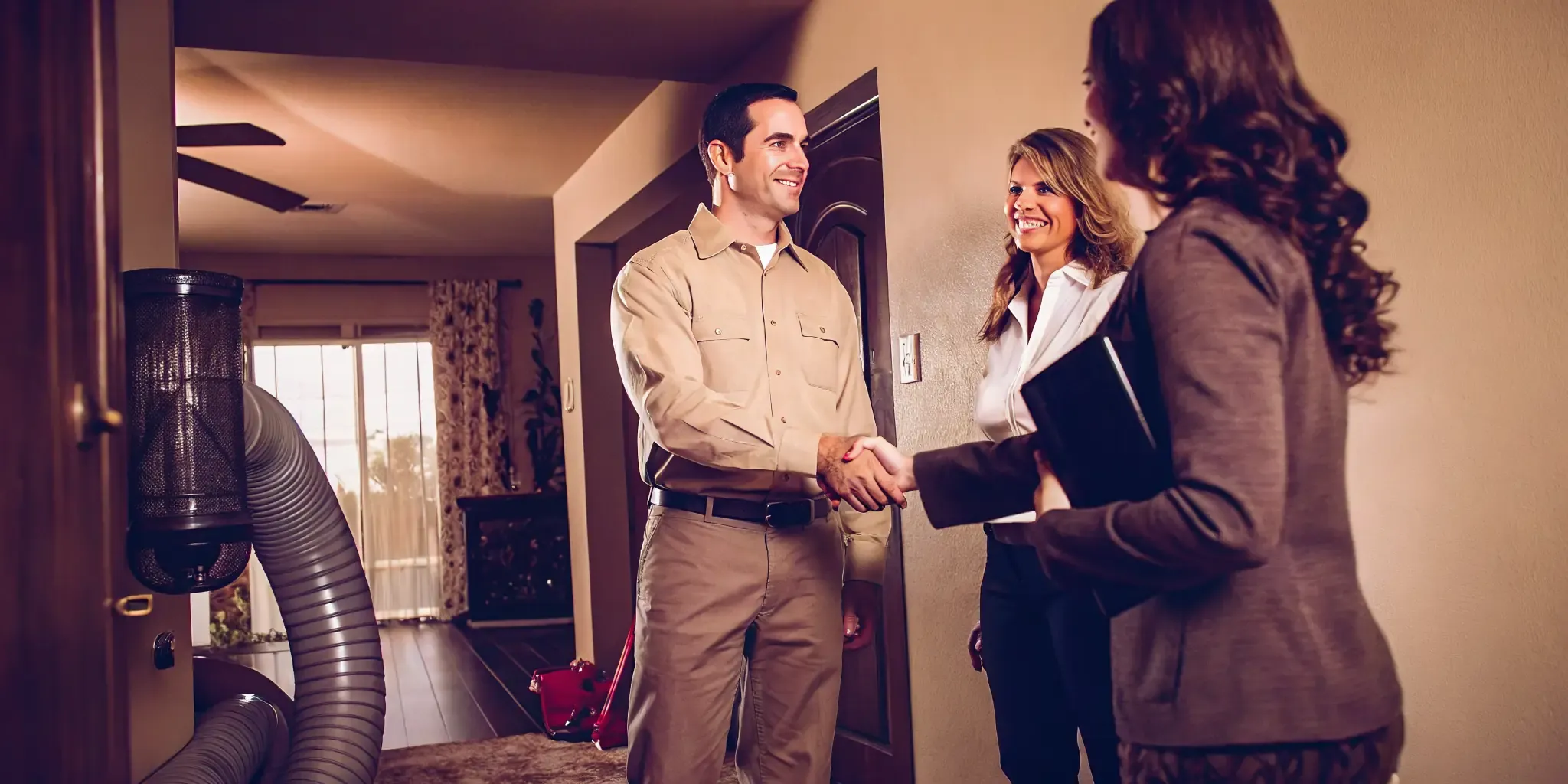
Landlords and property managers who wait until a flood happens to find a restoration company lose precious time. The most effective approach is to establish a preferred vendor relationship before an emergency strikes.
What to Look For in a Restoration Partner
- 24/7 availability. Water damage does not follow business hours. Your vendor must answer the phone at 2 AM on a Sunday.
- Rapid response guarantee. A 45-minute response window, like the one 911 Restoration of Bakersfield provides, means water extraction starts before structural damage deepens.
- IICRC training. Ask whether technicians follow documented drying practices and can provide moisture readings, equipment logs, and a clear completion record.
- Insurance documentation support. A vendor who organizes photos, moisture readings, and drying records can save administrative time. Landlords can also review our insurance resources before an emergency.
- Full-service capability. The same company should handle emergency mitigation, drying, cleaning, and reconstruction. A single point of contact simplifies coordination.
- Bilingual staff. In Kern County, where over 50 percent of the population is Hispanic, Spanish-language service is essential for communicating with tenants and vendors.
Setting Up the Relationship
- Schedule a walkthrough. Invite the restoration company to tour your properties so they understand the layout, construction materials, and access points before an emergency.
- Add them to your emergency call list. Give every tenant and property manager the vendor’s emergency number.
- Pre-sign a work authorization. Some restoration companies can keep a master service agreement on file so emergency work starts without a signed contract at 3 AM.
- Share insurance information. Provide your policy details so the vendor can verify coverage and submit claims directly.
Building this relationship before a crisis means your restoration team arrives with building-specific knowledge, not a generic response. For a broader overview of water damage restoration services, review the service guide before choosing a vendor. That speed and familiarity directly translate into lower claim costs and faster tenant reoccupancy.
How Should Landlords Coordinate with Tenants and Insurance After Water Damage?
Landlords should document the damage, notify the preferred restoration vendor, keep tenants informed, and involve the insurance carrier early. 911 Restoration of Bakersfield can provide moisture maps, drying logs, and project updates that make the claim easier to organize.
The restoration process involves three parties — the landlord, the tenant, and the insurance provider — and each has different priorities. A smooth restoration depends on clear communication from the start.
Step 1: Document Everything Immediately
When a tenant reports water damage, your first action after ensuring safety is to document the scene. Take photos and video of the affected area before any mitigation begins. Note the time of the report, the tenant’s description of what happened, and any visible cause. This documentation is critical for insurance claims and for resolving any dispute about whether the damage was pre-existing.
Step 2: Communicate with the Tenant
Tell your tenant what to expect:
- When the restoration team will arrive.
- Whether they need to move belongings or vacate the unit.
- How long the drying process takes (typically three to five days for minor damage, one to two weeks for major flooding).
- What the restoration company needs from them (access, cooperation, list of damaged personal property).
Tenants who are informed and included in the process are far less likely to file habitability complaints. Document every communication.
Step 3: Let the Restoration Team Handle Insurance
A professional restoration company can help organize insurance documentation. Ask 911 Restoration of Bakersfield what records it can provide, such as moisture maps, drying logs, and monitoring reports. Give the insurance carrier the final say on coverage and claim line items, including extraction, drying, sanitization, and reconstruction.
Commercial vs. Residential Restoration: What Changes for Rental Properties?
Landlords and property managers often bridge the gap between residential and commercial restoration. A single-family rental in the Rosedale neighborhood follows different protocols than a multi-unit apartment complex in downtown Bakersfield. Understanding the difference helps you set the right expectations.
For single-family rental properties, the restoration process closely mirrors standard residential water damage restoration adjusted for the fact that the owner and decision-maker are not on site. Communication must be more deliberate, and tenant displacement has direct financial consequences for the landlord.
For multi-unit and commercial rental properties — apartment complexes, office buildings, and retail spaces — restoration becomes a logistics operation. Key differences include:
- Larger equipment. Commercial-grade extraction units and industrial dehumidifiers are needed for multi-unit buildings.
- Phased drying. Tenants may remain in unaffected units while work proceeds. The restoration plan must isolate each work zone.
- Code compliance. Commercial properties in Bakersfield may require permits for structural drying involving demolition of fire-rated assemblies.
- Business interruption. For mixed-use properties with ground-floor retail, restoration timelines directly affect business revenue, not just rental income.
Whether you manage a single-family rental or a multi-unit complex, 911 Restoration of Bakersfield can help you plan a response. Contact the team at (661) 220-7584 to discuss a preferred vendor relationship.
What Are the Most Common Causes of Water Damage in Bakersfield Rental Properties?
Common causes include failed plumbing, water heater leaks, roof intrusion, air-conditioning condensate problems, appliance leaks, and tenant-related overflows. 911 Restoration of Bakersfield recommends seasonal checks of AC drain lines, supply lines, shutoff valves, and roofs, especially in older rental homes.
Older homes in Oildale and Central Bakersfield may have aging plumbing that corrodes over time. Summer heat can strain air-conditioning systems and expose condensate line problems. Sudden rainstorms can also overwhelm drainage systems. A simple inspection schedule helps property managers find small issues before they become emergency claims.
For every property, keep an emergency contact sheet with the shutoff locations, utility contacts, tenant phone numbers, access instructions, insurance details, and restoration vendor information. Review the sheet with tenants and onsite staff twice a year. This small step reduces confusion when a leak happens after hours.
Need help after a tenant reports water damage? Contact 911 Restoration of Bakersfield at (661) 220-7584 for next steps.
Frequently Asked Questions
How long does a landlord have to fix water damage in California?
Emergency hazards should be addressed without delay. For other repairs, California generally uses a reasonable-time standard after notice rather than one universal deadline. The right response depends on the condition, access, lease, and applicable law.
Can a landlord charge a tenant for water damage repairs?
A landlord may seek payment when damage was caused by the tenant’s negligence or misuse, subject to the lease and applicable law. Damage from plumbing failures, roof leaks, or structural issues is generally the landlord’s responsibility. Review your lease agreement and California Civil Code Section 1950.5 for specific security-deposit provisions related to tenant-caused damage. Ask a qualified California housing professional about your situation.
Does landlord insurance cover water damage restoration?
Some landlord policies may cover water damage from burst pipes, appliance leaks, or weather events. Coverage depends on policy language, exclusions, deductibles, and the cause of loss. Flood damage often requires separate flood insurance. Professional restoration documentation may help substantiate your claim.
What should a property manager do when a tenant reports water damage?
Immediately document the scene with photos, notify your preferred restoration vendor, communicate with the tenant about what to expect, and contact your insurance provider. Speed is critical — mold can begin growing within 24 hours of water exposure.
Is mold remediation covered under landlord insurance in California?
Coverage varies by policy. Some policies may cover mold remediation after a covered water loss, while others apply mold sub-limits or exclusions. Check with your insurance provider and ask about independent post-remediation verification where appropriate.
Planning ahead can reduce confusion during an emergency. Contact 911 Restoration of Bakersfield to discuss water damage response for your rental properties.
