Water Damage Restoration Cost Bakersfield

Understanding the standard water damage restoration cost bakersfield property owners face can help you plan during an emergency. Knowing the financial scope of restoration helps you plan and act quickly. Getting professional help can prevent further damage and higher bills.
Need emergency water extraction or an accurate cost estimate right now? Call (661) 220-7584 or Contact Us online for a free visual inspection and a “Fresh Start” restoration plan.
The average water damage restoration cost bakersfield residents pay ranges from $1,305 to $5,707, with a national average of $3,455. Category 1 clean water extractions represent the most affordable scenario, whereas Category 3 black water sewage backups require complex. Professional decontamination that can exceed $20,000 depending on the materials affected. To prevent secondary issues like mold, the CDC advises drying saturated building materials within 24 to 48 hours. A fast response from local certified technicians ensures hidden moisture is detected and properly dried, keeping the overall cleanup costs as low as possible.
Understanding the variables that influence these costs is crucial for Bakersfield residents facing water damage. For a comprehensive overview of water damage education and response, refer to our Water Damage Restoration in Bakersfield: Complete Homeowner Guide. Here’s a breakdown of the Average Cost of Water Damage Restoration in Bakersfield and what to expect.
Water Damage Restoration Cost Bakersfield: Average Cost of Water Damage Restoration in Bakersfield
The average cost of water damage restoration in Bakersfield typically ranges from $1,305 to $5,707. Baseline expenses include professional water extraction, rapid structural drying with commercial dehumidifiers, and comprehensive sanitization of affected surfaces to ensure the property is dry and safe.
Water damage in your Bakersfield home or commercial property can be a stressful event. If you manage a business, securing rapid commercial water damage restoration is essential to minimize downtime and revenue loss. Knowing the likely costs for repair helps you plan. Most standard professional water damage restoration services in California range from $1,200 to $5,000. For smaller, local water losses in Bakersfield, expect to pay about $800 to $2,500. These figures cover essential services to dry out and clean your property.
What Influences Restoration Costs?
Several factors affect the total cost of water damage restoration. The most significant cost drivers include:
- Size of the Damaged Area: A small leak under a kitchen sink costs significantly less than a fully flooded basement or multi-room water loss.
- Water Source and Category: Clean water from a supply line burst is much easier and cheaper to remediate than sewage-contaminated black water.
- Standing Time: The longer the water sits, the deeper it saturates building materials, driving up the required drying time and cost.
- Affected Materials: Porous surfaces like carpet, carpet padding, and drywall often require replacement, whereas concrete and tile can be dried in place.
What is Included in Baseline Costs?
Baseline restoration costs typically encompass several critical phases of the emergency response:
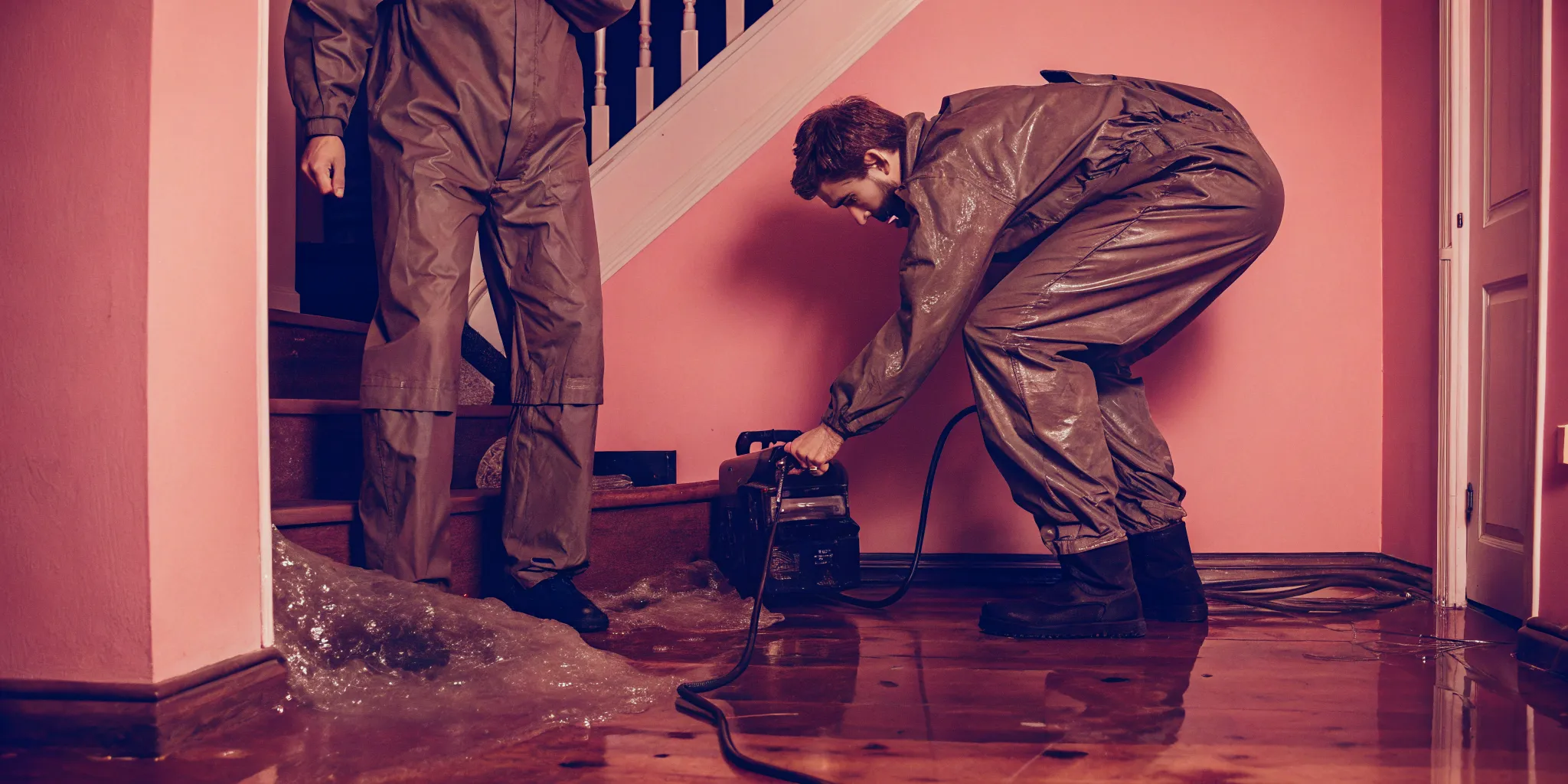
- Water Extraction: Using high-capacity submersible pumps and truck-mounted vacuums to remove standing water.
- Structural Drying: Positioning industrial air movers and desiccant dehumidifiers to pull moisture out of drywall, framing, and subfloors.
- Sanitization & Antimicrobial Treatment: Applying EPA-approved cleaning agents to eliminate odor-causing bacteria and prevent microbial growth.
- Moisture Monitoring: Deploying thermal imaging cameras and moisture meters to verify that all structural components have returned to dry standards.
Local Bakersfield Factors
Specific factors in Bakersfield and Kern County can influence pricing. These include local labor rates and the cost of materials. Sometimes, the need for specialized equipment due to unique building structures or older homes can affect the price. Access to your property and the extent of damage to fixtures or personal items also play a part. Choosing a local, family-owned provider ensures fast emergency dispatch and personalized care; learn more about 911 Restoration of Bakersfield and our ‘Fresh Start’ philosophy.
What Factors Drive the Final Price Up or Down?
The final price of water damage restoration is driven by the volume of water, the category of contamination, and the specific materials affected. Saturated porous materials like carpet and drywall require immediate removal or intensive drying, which increases labor, equipment, and material replacement costs.
Several key elements influence the overall cost of water damage restoration. The amount of water involved is a primary factor. Small spills are less costly than large floods that affect multiple rooms. The source or category of the water also matters. Clean water from a burst pipe is easier to address than contaminated gray water from a washing machine overflow or black water from sewage backups.
Water Type and Affected Materials
The types of materials damaged play a big role in cost. Porous materials like drywall, carpet, and untreated wood absorb water quickly. They often need removal and replacement. Hardwood floors may be salvageable with specialized drying. Non-porous materials like tile and concrete are easier to clean and dry, which lowers costs.
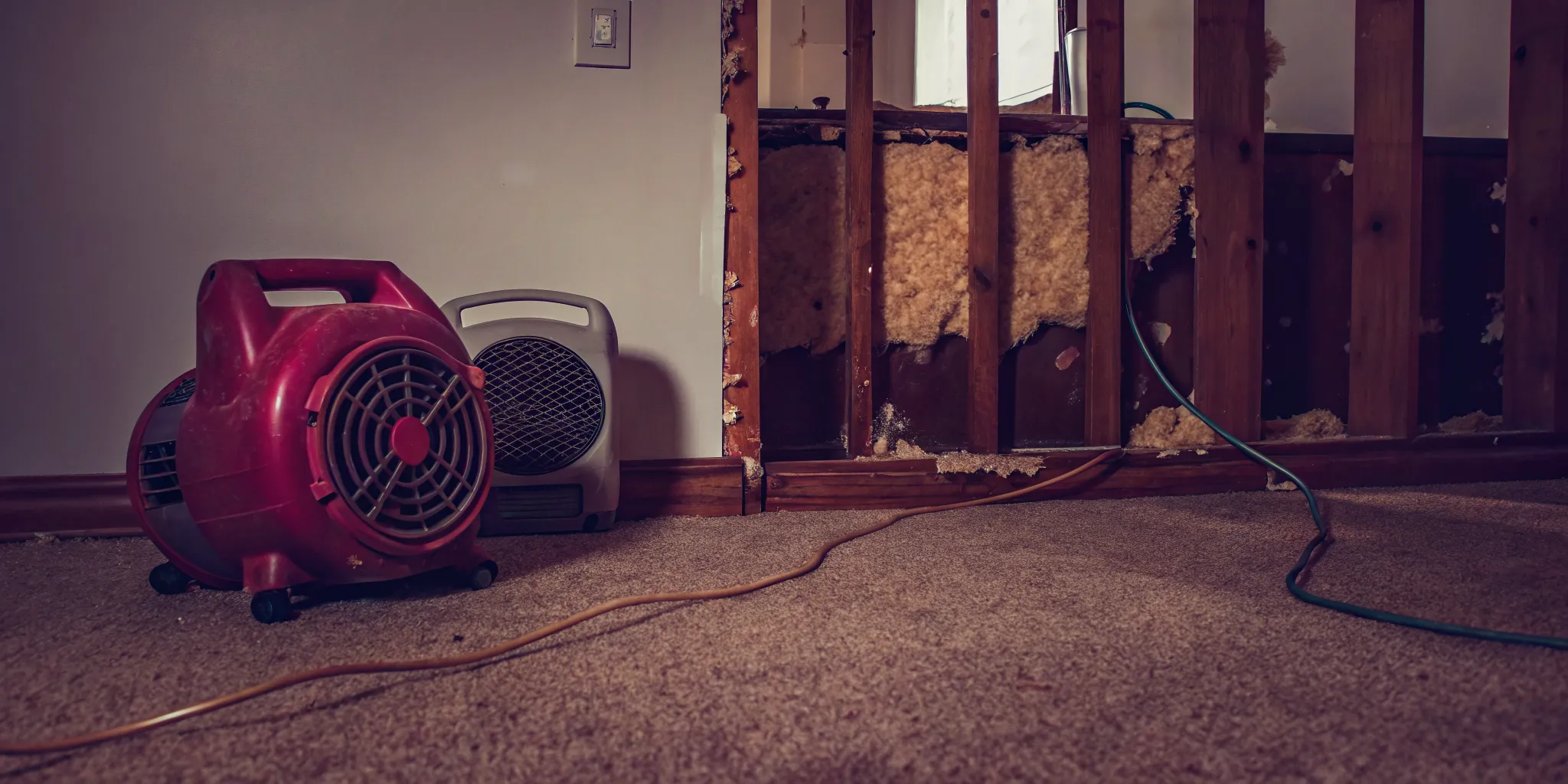
Drying time is another critical factor. The longer materials stay wet, the harder and more expensive they are to restore. Specialized equipment, like industrial dehumidifiers and air movers, is needed to remove moisture effectively. The total time these machines run impacts the final bill.
Importance of Fast Action
Quick response to water damage significantly reduces costs. Acting within the first 24 to 48 hours is vital. This prevents mold growth, which can start rapidly in damp conditions. When mold forms, it adds the expense of professional mold removal and remediation to the restoration process. Waiting too long makes the damage worse and complicates the cleanup.
Accessibility to the damaged areas also affects price. Easy-to-reach areas are simpler and faster to work on. Tight spaces or hidden areas behind walls require more effort and specialized tools. This can increase labor time and overall cost. For more details on protecting your home and preventing secondary damage, check out our guide on the importance of quick water extraction.
Understanding these drivers helps homeowners prepare for potential costs. Immediate action and professional assessment are the best ways to manage restoration expenses. For official guidelines on water damage, see resources from the U.S. Environmental Protection Agency.
Cost by Water Damage Category (Category 1, 2, 3)
Water damage costs scale dramatically by contamination category. Clean water (Category 1) costs $150 to $500 to extract and dry. Grey water (Category 2) requires advanced chemical sanitization. Highly toxic black water (Category 3) sewage backups require complete containment, protective gear, and hazardous waste disposal.
Understanding the different categories of water damage is crucial for effective and safe restoration. Each category presents unique challenges, health risks, and, consequently, different restoration costs. In Bakersfield, addressing water damage promptly helps mitigate further damage and health concerns.
Category 1: Clean Water
Category 1 water originates from a sanitary source and poses no immediate health threat. This includes burst pipes, overflowing sinks, or rainwater. While initially clean, if left untreated, it can degrade to Category 2 or 3 over time, especially when contacting building materials.
Restoration for Category 1 typically involves water extraction, drying, and sanitization. Costs are generally lower because the risk of contamination is minimal. Swift action is key to preventing escalation to higher categories.
Category 2: Grey Water
Category 2 water, or grey water, contains a significant level of chemical, biological, or physical contaminants. This water can cause illness if ingested. Sources often include overflowing washing machines or dishwashers, toilet overflows with urine (but no feces), or sump pump failures.
Grey water requires more extensive cleanup than clean water due to the potential presence of harmful microorganisms. Restoration involves advanced extraction, antimicrobial treatment, and thorough drying, often with increased labor and equipment costs compared to Category 1.
Category 3: Black Water / Sewage
Category 3, or black water, is grossly unsanitary and contains harmful bacteria and fungi. This includes sewage backups, flooding from rivers or streams, or water from toilet bowls containing feces. Contact with black water can lead to severe illness or death. Professional sewage backup cleanup is required to handle these dangerous biohazards safely.
Cleanup of black water is the most complex and costly. It necessitates specialized protective gear, extensive decontamination, removal of porous materials (like drywall and carpet), and professional-grade sanitization. Health risks are extremely high, making immediate and expert intervention essential.
Water Damage Category Comparison
| Category | Description | Potential Sources | Estimated Restoration Cost Range |
|---|---|---|---|
| Category 1 (Clean Water) | Water from a sanitary source, no health risks. | Burst pipes, overflowing sinks, rainwater. | $150 – $500 |
| Category 2 (Grey Water) | Contains contaminants, can cause illness if ingested. | Washing machine overflow, dishwasher overflow, toilet overflow (urine only). | $550 – $1,000 |
| Category 3 (Black Water / Sewage) | Grossly unsanitary, contains harmful pathogens, severe health risks. | Sewage backup, river floods, toilet overflow (with feces). | $1,100 – $3,200 |
Costs for water damage restoration in Bakersfield vary widely based on the category, the extent of damage, and the materials affected. Always consult with certified restoration professionals to ensure proper assessment and mitigation.
Does Homeowners Insurance Cover Water Damage Costs?
Homeowners insurance standard policies cover water damage costs if the cause is sudden and accidental, such as a burst pipe or sudden appliance overflow. Standard coverage typically excludes gradual leaks, long-term neglect, and external rising groundwater floods unless separate flood insurance is purchased.
Homeowners insurance often covers water damage, but it depends on the cause. Generally, policies cover sudden and accidental damage. This includes issues like a burst pipe, a leaking appliance, or a sudden overflow from a toilet. Such events are typically seen as unexpected and not due to neglect.
For these covered events, your policy may help with the costs of tearing out and replacing damaged property. It can also assist with drying, cleaning, and repairing the affected areas in your home. Understanding what your specific policy includes is key to a smooth claims process.
When Your Policy Helps
Most standard homeowners policies protect against damage from internal sources. Think of a hot water heater breaking or a washing machine hose bursting. These are sudden events that homeowners cannot always foresee or prevent. Many policies also cover damage if a roof leaks from a storm, allowing rain inside.
Always check your policy details. Knowing the specifics helps you act fast and correctly if water damage happens. Quick action can reduce damage and make the claim easier. Our full-suite disaster restoration services handle everything from initial water extraction to final structural repairs. For a deep dive into navigating this process, read our guide on how to file an insurance claim for water damage.
When Water Damage Is Not Covered
Homeowners insurance typically does not cover damage from gradual leaks or neglected maintenance. For instance, a slow, hidden leak under a sink over many months would likely not be covered. Also, damage from outside floods is almost never covered by a standard policy. This includes river overflows or heavy rain that causes widespread flooding.
For flood protection, you need separate flood insurance, often through the National Flood Insurance Program (NFIP). This is crucial for homes in flood-prone areas. Damage from sewer backups or sump pump failures may also require an extra endorsement on your policy.
Our Expertise in Bakersfield Claims
Dealing with water damage in Bakersfield can be complex, especially when involving insurance. We specialize in water damage restoration cost Bakersfield residents can easily submit to insurance, and we work directly with all major insurance companies. Our team helps you navigate the claims process, making it simpler.
We provide clear reports and direct billing to your insurer. This approach saves you time and stress, ensuring your home gets the needed repairs without upfront payment worries. Our goal is to restore your home quickly and efficiently.
How to Get an Accurate Estimate from a Restoration Company
To get an accurate water restoration estimate, request an immediate on-site inspection by an IICRC-certified technician who uses professional moisture meters. Ensure they provide a fully itemized breakdown detailing water extraction, equipment rental, structural drying, and direct insurance billing options.
When water damage strikes your property in Kern County, getting a clear and honest estimate for restoration work is crucial. This guide helps you navigate the process. You want to avoid surprises and ensure your home or business is properly restored. Following these steps helps you secure a fair and accurate assessment of the damage and necessary repairs.
Request an Immediate Inspection
-
First, ask for a free visual inspection right away. A reputable restoration company should offer to assess the damage quickly without an upfront cost. This initial visit helps them understand the scope of the water intrusion. It also allows them to identify immediate safety concerns. A fast response minimizes further damage and reduces overall repair costs.
-
During the inspection, the technician should use specialized tools. They will check moisture levels in walls, floors, and ceilings. They also look for hidden water pockets that might not be visible. This thorough check ensures all affected areas are identified for a complete restoration plan. Make sure they explain what they find in simple terms.
Verify Certifications and Team Support
-
Next, confirm the restoration company has proper certifications. Look for IICRC (Institute of Inspection, Cleaning and Restoration Certification) credentials. These show that technicians have trained to industry standards. This training means they know the best methods for water extraction, drying, and mold prevention. Ask to see their current certification documents.
-
It is also helpful if the crew offers bilingual support. In a diverse community like Bakersfield, communication is key. A team that can speak both English and Spanish ensures clear understanding. This helps during emergencies when quick decisions are needed. Good communication prevents misunderstandings about the restoration plan.
Request Direct Insurance Coordination
-
Ask if the company can work directly with your insurance provider. Many trusted restoration companies handle the claims process for you. This saves you time and reduces stress. They can submit necessary documentation and communicate directly with adjusters. This ensures your claim is processed smoothly and efficiently. This direct coordination is a significant benefit.
-
The company should provide a detailed estimate to your insurer. This estimate should include all services, costs, and timelines. This transparency helps prevent disputes. It also makes sure you get the coverage you deserve. A company that streamlines this process is often more reliable.
Obtain a Detailed Service Breakdown
-
Finally, insist on a detailed breakdown of all services. The estimate should clearly list costs for water extraction, structural drying, and any other specific treatments. For example, it should explain how they will remove standing water and dry affected building materials. This clarity helps you understand where your money is going.
-
The breakdown should also include equipment usage, such as dehumidifiers and air movers. A clear list helps you confirm all needed tasks are covered. It also ensures there are no hidden fees. A transparent, itemized estimate is a mark of an honest restoration company. IICRC standards help ensure a thorough job.
Frequently Asked Questions
How much does water damage restoration cost in Bakersfield?
The cost varies widely based on the damage’s extent and type. Minor leaks might cost a few hundred dollars, while severe floods could reach thousands. Factors include the water’s source, affected materials, and drying time. Professional services often provide an estimate after initial inspection. Always check if your insurance covers the specific type of water damage.
What factors influence the total cost of water damage repair?
Key factors include the category of water (clean, gray, black), the class of damage (how much area is affected), and the materials damaged (drywall, flooring, insulation). Access to the affected area, the need for mold remediation, and equipment rental for drying also add to the overall expense. Quick action can help reduce the final bill by preventing further damage.
Does homeowner’s insurance cover water damage in Bakersfield?
Typically, homeowner’s insurance covers sudden and accidental water damage, like a burst pipe or appliance leak. However, damage from floods, groundwater seepage, or neglect (like long-term leaks) is usually not covered without a separate flood insurance policy. Review your specific policy or contact your provider to understand your coverage limits and exclusions.
How long does the water damage drying process take?
In Bakersfield, structural drying usually takes 3 to 5 days for minor water damage and up to 1 to 2 weeks for major flooding. Professional restoration crews use moisture meters to confirm that subfloors and framing are completely dry before starting any reconstruction.
Can I dry out water damage on my own without hiring a professional?
While small clean water spills can be dried with household fans, major water intrusions require professional extraction and high-capacity dehumidifiers. Hidden moisture behind drywall or under floorboards can easily lead to structural rot and mold growth if not dried to professional standards.
What should I do immediately after discovering water damage in my Bakersfield home?
First, identify and stop the water source if safe to do so. Shut off your main water valve, turn off electricity to the affected area, and call 911 Restoration of Bakersfield for an emergency 45-minute response. Photograph the damage and document all affected items for your insurance claim.
Ready to address water damage now?
Delaying water damage cleanup can lead to bigger problems and higher costs. Mold can start to grow quickly, and structural issues can worsen, making repairs more complex. Acting fast helps protect your home and your budget.
Ready to schedule a free consultation with our IICRC-certified, bilingual team? Call (661) 220-7584 to schedule a free consultation.
