Storm Damage Restoration Bakersfield: Your Recovery Guide
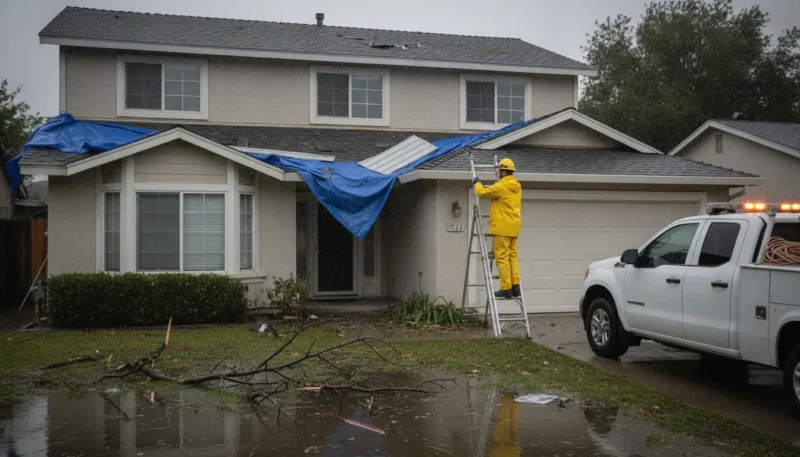
A single winter storm in the Central Valley can force gallons of rainwater through your ceiling. When high winds tear away shingles, water pours inside and threatens the structural safety of your home. This guide is part of our broader fire, smoke, and commercial damage restoration series.
When you need storm damage restoration in Bakersfield, you want certified local technicians who react fast to secure your property. Extract floodwater, and prevent serious structural rot after a severe weather event. Our 24/7 team tarps damaged roofs, removes wet drywall, and uses professional drying tools to clear hidden moisture from your rooms. Because the Environmental Protection Agency warns that mold grows within 24 to 48 hours, quick water cleanup is vital to keep your family safe. Our bilingual experts arrive within 45 minutes to handle every stage of the cleanup, and we even help you work directly with your insurance provider. This professional care returns your property to a safe, dry, and clean condition while making the entire recovery process fully stress-free for your household.
Request Your Free Storm Damage Assessment Today
When the storm clouds clear, you may wonder what steps to take next to protect your property. Below, we break down the damage to expect and what to do about it, starting with the most common storm damage problems in Bakersfield.
What Types of Storm Damage Are Most Common in Bakersfield?
Bakersfield storm damage often includes roof leaks, wall water intrusion, and mold growth after heavy rain. These severe storm events do happen in Kern County, even if our area seems dry. When they do, they can cause serious harm to local homes and shops.
Fast action is needed to stop deep structural water damage and keep repair costs low. Our team of Bakersfield area storm damage experts knows how quickly these events can disrupt your life. Knowing what types of damage occur most often can help you protect your home.
Roof damage from high winds
High winds in Kern County can peel shingles off your roof, crack tiles, or blow down tree branches. When a tree limb falls on a roof, it can cause severe damage that lets rainwater pour right into your attic. Even small roof leaks can quickly lead to ruined ceilings and wet insulation if you do not fix them right away. Homeowners should check their roofs after any major wind storm.
When a roof is damaged, water can flow down inside the walls of your home. This water ruins drywall and can harm electrical wiring, so you should get help right away if you notice leaks. Getting professional storm damage restoration services can stop the water from spreading. Experts can quickly tarp your roof to keep more rain from getting inside while they dry out the rooms below.
Water intrusion through walls and windows
During a strong storm, rain does not just fall straight down. Strong wind can push water sideways, forcing it through worn window seals, door frames, and small cracks in your walls. Once water gets past these outer seals, it pools in wall spaces and under floorboards. This hidden water can quietly rot the wooden studs that hold up your house.
You might not see this water right away, but you may notice a musty smell or stained walls. If you see peeling paint, swollen baseboards, or dark spots on your ceiling, water has already seeped in. When severe weather hits, trusting a proven storm damage restoration Bakersfield crew is the best way to find this hidden water. Experts use special tools to dry out your walls before they rot.
Rapid mold growth after heavy rain
Bakersfield has a very dry climate, but heavy rains can quickly create the perfect place for mold to grow. When water sits inside a warm home, mold spores can wake up and spread fast. As noted in the EPA mold guidelines, mold can begin to grow within 24 to 48 hours in wet areas. Even a small roof leak can lead to a big mold problem if you do not dry it out quickly.
Mold does not just damage your drywall and wood; it can also affect the air you breathe. Trying to clean up mold yourself can often spread the spores to other rooms. Professional restoration teams have the right tools and gear to safely remove mold and clean the air. They will make sure your home is dry and safe for your family to live in again.
Storm Damage Types at a Glance
| Damage Type | What It Looks Like | How Urgent Is It? |
|---|---|---|
| Roof and wind damage | Missing shingles, cracked tiles, fallen branches, attic leaks | Immediate – exposed openings let rain pour in |
| Water intrusion | Stained walls, swollen baseboards, musty smell, peeling paint | High – hidden water rots wood and damages wiring |
| Mold after heavy rain | Dark spots, musty odor, damp drywall and wood | Very high – mold can begin within 24 to 48 hours |
Immediate Steps After Storm Damage to Your Kern County Property
When a storm hits Kern County, the damage can overwhelm you. High winds and heavy rain can leave you with a big mess to clean up. Knowing what to do first helps you stay safe and protect your home.
Safety checks and hazards
Before you set foot inside, check the outside of your home. Look closely at the roof line and foundation walls. If you see deep cracks, a sagging roof, or shifted walls, do not enter the building. The structure could be unsafe.
Electrical hazards are common after bad weather. If you must enter a damp house, turn off the main power at the breaker panel first. Do not touch any switches or plugs if you are wet or standing in puddles. Standing water can carry power from bad wires, so staying away from wet outlets is vital.
Storm water itself carries hidden risks. According to the CDC, floodwater can contain dangerous bacteria from sewage and other bad waste. To block these germs, wear rubber boots and thick gloves during cleanup.
Homeowner action plan
When you clean up after a storm, you must prioritize tasks to avoid feeling overwhelmed. Focus on the most urgent chores first, and leave the rest for later. If you must move heavy objects, work with a partner. The CDC says to use teams of at least two people to lift bulky items and avoid bad injury.
Mold is another major threat. It starts to grow in wet spaces in just 24 to 48 hours. To protect yourself, you must wear an N95 respirator at a minimum, along with goggles and gloves.
In Kern County, hot sun can heat up wet homes fast, which makes mold grow even quicker. Spores can cause coughing, sneezing, or breathing issues. Wearing gear like goggles and a mask protects your lungs and eyes while you sort through wet items. If you find large patches of mold, you may need expert cleaners to remove them.
Follow these key steps to secure your property. For the best results, you should call a team that does storm damage restoration in Bakersfield.
- Ensure your safety first. Inspect the outside of your property for down power lines or sagging roofs before you step inside.
- Shut off main utilities. Cut the power and water at the main breakers if it is safe to reach them.
- Document the damage fully. Take clear photos and videos of all wet walls, broken windows, and roof leaks before you clean anything.
- Prioritize your cleanup tasks. Decide on the most important chores first so you do not feel overwhelmed. Take breaks often and drink plenty of clean water to stay safe.
- Protect your other assets. Cover holes in the roof with heavy tarps and block broken windows to keep wind and rain out.
- Call a professional team. Contact local experts to get professional storm damage restoration services to dry and sanitize your home.
Roof Damage, Water Intrusion, and Wind: How They Interact
High winds and heavy rain work together to damage your home. When a storm hits, strong winds can tear shingles from your roof or throw tree branches onto your house. These forces create open gaps in your roof. Once the roof structure is open, rainwater pours inside. This mix of wind and rain means you must act fast to protect your home. Immediate action is needed after a storm event to prevent structural water damage and limit repair costs. If you wait, a small leak can quickly become a major structural problem.
How wind creates pathways for rain
Wind storm damage in the Bakersfield area often starts with your shingles. Strong gusts lift up the edges of roof tiles and break their seals. Once a shingle is loose, the wind can pull it away completely. This exposes the underlayment, which is the wood deck underneath. High winds can also blow heavy debris, like tree limbs, onto your roof. These impacts can puncture your roof and tear the waterproofing layer.
To stop rain from pouring through these new holes, you need fast protection. Fast services like roof tarping and board-up are critical. Expert teams use thick tarps to cover open holes and secure them with wood strips. This quick cover keeps more rain from getting inside until you can get permanent repairs. It is a vital first step for storm damage restoration bakersfield projects.
The route from roof leaks to wet walls
Once water gets past your roof, it does not stay in one place. Gravity pulls the wetness down into your attic and ceilings. You may first spot water stains on your ceiling plaster. As the water pools, it drips down behind your drywall and into your wall cavities. This pathway is why Bakersfield storm damage often includes roof leaks, wall water intrusion, and potential mold growth after heavy rain.
This hidden water ruins building materials as it moves. Wet drywall loses its strength and can sag or crumble. Wood studs can warp and swell, which weakens the structure of your home. Wet insulation also packs down and loses its power to keep your home warm or cool. Because these problems happen out of sight, you need professional storm damage restoration services to find and dry every wet spot.
How trapped dampness causes mold growth
Water from a storm does more than just rot wood and ruin drywall. It also starts a ticking clock for mold. Mold can begin to grow within 24 to 48 hours in damp or water-damaged environments. High heat in the Bakersfield area can speed up this process. When moisture is trapped behind walls or in attics, mold spores find the perfect place to breed.
Active mold is a form of new damage that is hard to stop. It eats organic building materials like paper and wood, which can cause permanent structural rot. Mold also releases spores into the air that can spread throughout your home. To prevent this, expert teams use industrial air movers and dehumidifiers to extract wetness from the air and walls. They ensure your home is fully dry so mold cannot take hold.
Storm Damage Insurance Claims in California: What Is Typically Covered?
Dealing with severe weather can be stressful for any homeowner in Kern County. Most standard home plans in California offer help to repair your house after a storm hits. But filing a claim means you must know what is covered and what your insurer expects from you.
Common covered storm perils
Home insurance plans in California often cover damage from wind, lightning, and fallen trees. If a strong gust tears off shingles or a tree limb cracks your roof, your policy will likely pay for the repairs. These policies may also cover water leaks that occur when a storm breaks your roof or walls. This is because wind-driven rain that enters a fresh hole is seen as part of the storm.
But you must remember that your insurer makes all final claim decisions. A cleanup crew can never promise an exact payout or say that your policy will cover every cost. Still, they can help you gather the proof you need to show the insurer.
The role of quick mitigation
One key rule to know is your duty to limit more damage to your home. If you do not stop water from spreading, your insurer might deny that part of your claim. This is key when it comes to mold. The Environmental Protection Agency warns that mold can begin to grow within 24 to 48 hours in damp areas. If you wait to dry your home, you might have to pay for mold cleanup out of your own pocket.
To avoid this issue, you should get professional help to dry your house fast. Experts can use dry-out tools to remove water and find hidden damp spots behind walls. Calling a team for professional storm damage restoration services is a smart way to protect your home and keep your claim on track.
Steps to start your claim
To get the best results, start the claim process right away. First, you must take photos of all the damage to your home. Do not throw anything away before the insurance adjuster has a chance to see it. Next, call your agent to report the loss.
You can read our guide on how to file an insurance claim for storm damage to learn about the steps. A local expert in storm damage restoration bakersfield can help you document your losses. They can write up a detailed plan and give moisture maps to your agent to support your claim.
How Quickly Should You Call a Restoration Company After a Storm?
When severe weather hits Kern County, you must act fast. Waiting even a single day can turn a small issue into a major disaster. Calling for professional storm damage restoration services right away is the best way to protect your property and your wallet.
The threat of standing water
Heavy rain often leaves standing water in your home. This water quickly soaks into your drywall, floors, and wood framing. According to local Bakersfield area storm damage experts, immediate action is needed after a storm event.
This quick response helps stop structural water damage and limits repair costs. If you wait to start the drying process, the water will weaken the bones of your house. Over time, wet wood starts to rot and lose its strength.
Wet wood can warp, wet plaster can crumble, and wet drywall can lose its strength and sag. These problems happen fast because water spreads through walls and floors like a sponge.
Quick water removal stops this damage in its tracks. It saves you from having to replace entire walls or floors later. A fast restoration team uses heavy pumps and fans to pull the water out before these deep structural problems can even start.
Preventing rapid mold growth
Water damage also brings the risk of mold, which does not wait to start growing. In fact, mold can begin to grow within 24 to 48 hours in damp or water-damaged areas. A wet home is the perfect place for spores to thrive. Once mold takes root, it can spread to your carpets, furniture, and air ducts.
Cleaning up mold is much harder and more costly than drying out a wet room. It also poses risks to your indoor air quality. By calling a team within the first few hours, you stop mold before it can even start.
Rapid drying keeps your family safe and keeps your cleanup costs low. Our professional tools can track down dampness that you cannot see behind your walls.
Bakersfield emergency response times
Storms don’t keep normal business hours, and neither do we. In Bakersfield, our team is ready to help day or night with 24/7 emergency care because we know that every minute counts. We guarantee a 45-minute response time for any property in Kern County.
For trusted storm damage restoration bakersfield homeowners can call our local team anytime. We arrive with the right gear to secure your property and bring you peace of mind.
We know how stressful a storm can be for your family. Our team is local, family-owned, and ready to guide you through every step of the recovery. We even help you handle the insurance claim paperwork to make the process as smooth as possible.
How Professional Storm Damage Restoration in Bakersfield Protects Your Home
When severe storms strike Kern County, the water and wind can cause major harm to your property. Dealing with this mess on your own is hard, so hiring local experts is the safest way to bring your house back to normal. Choosing professional storm damage restoration services ensures your home is safe and dry. Experts know how to handle the deep water and hidden dampness that storm events leave behind.
Trained Technicians and Safety Protocols
Certified restoration crews have the training to manage complex building repairs after a storm. Working with professional restoration companies ensures that all safety protocols and moisture control standards are followed. Technicians who hold IICRC certifications know how to find hidden water and dry it out safely. They use heavy safety gear to protect themselves and your family from hazards like structural weakness or bad wiring.
Water Extraction and Structural Drying
Getting wet materials dry is a race against the clock. Professional storm restoration services include water extraction, structural drying, and sanitization to prevent secondary damage. Crews use strong pumps to remove standing water, then set up industrial air movers and dehumidifiers to pull moisture out of walls and floors. If water sits in wood or drywall, the building can warp, rot, and lose its strength.
Finding every wet spot is not easy because water can seep deep into walls and under floors. Professionals use specialized tools like moisture meters and thermal imaging to detect hidden moisture in building materials. These advanced tools let crews track the dampness without tearing down your walls. Finding this hidden water early prevents mold and wood rot down the road.
Sanitization and Mold Prevention
Stormwater is often dirty and carries germs. It is important to sanitize surfaces that have come into contact with floodwater to prevent the spread of bacteria and viruses. Experts use professional-grade cleaners to kill these germs, which also stops mold from growing. According to the Environmental Protection Agency, mold can begin to grow within 24 to 48 hours in damp or water-damaged environments.
Storms can also cause fires from fallen power lines or lightning strikes. We invite you to read our fire, smoke, and commercial damage restoration series to see how we handle other major disasters. No matter what kind of storm damage your home has suffered, fast action will keep your family safe and limit your repair costs.
Schedule Your Free Storm Damage Review or call our 24/7 team at (661) 220-7584.
Frequently Asked Questions
What should you wear when cleaning up mold after a storm?
According to the CDC, you must wear safety gear when you clean up mold. This includes an N95 mask, gloves, and goggles. These items keep your lungs and skin safe from tiny mold spores. Spores can rise into the air and cause health issues if you do not protect yourself.
When does mold start to grow after water damage?
According to the EPA, mold can begin to grow within 24 to 48 hours in wet or damp spaces. To stop this, you should dry wet areas as fast as you can. If you wait too long, mold can spread and cause more damage to your home and health.
Is floodwater from storms dangerous to touch?
According to the CDC, floodwater can contain harmful bacteria from sewage and other waste. You must wear rubber boots and heavy gloves if you have to touch it. This helps you avoid skin issues and infections while you work to clean up your home.
Can you get a free storm damage review in Bakersfield?
Yes, you can request a free storm damage review and estimate online. Local experts in Bakersfield will inspect your home and give you a clear plan. They will check for hidden water, mold, and roof leaks so you can start the cleanup process quickly.
Ready to Restore Your Bakersfield Home After a Major Storm?
Leaving water and storm damage alone can lead to severe mold growth, ruined walls, and deep structural wood rot in your Bakersfield property. Starting professional water damage restoration services right away protects your family, secures your property, and saves you from much larger cleanup bills. Our local, IICRC Master-certified crew is ready twenty-four hours a day to guide you through this difficult process and help you recover quickly.
Ready to get a fresh start? Contact 911 Restoration of Bakersfield online or call our team today at (661) 220-7584. Our friendly experts are standing by to help you request a storm damage restoration assessment for your Bakersfield or Kern County home right away.
