Mold Remediation Cost: A Homeowner’s Price Guide
Seeing a patch of mold can bring out the DIY warrior in many of us. It’s tempting to think you can save a few hundred dollars by grabbing some bleach and tackling the problem yourself. While this might seem like a good way to avoid a professional bill, it often leads to bigger problems and higher costs down the road. A botched cleanup can spread spores and miss the hidden moisture source. Before you decide, it’s important to understand the true professional mold remediation cost. This guide breaks down what certified experts charge and why, helping you weigh the risks and make an informed choice that protects both your wallet and your family’s health.
Key Takeaways
- Know What Influences the Price: The final cost for mold remediation is not a flat fee; it is calculated based on the size of the mold problem, its location in your home, and whether materials like drywall need to be completely replaced.
- Recognize When DIY Is Not Enough: While you might clean a tiny, visible spot yourself, you should always call a certified professional for mold covering more than 10 square feet, for musty smells with no visible source, or if porous materials like carpet are affected.
- Manage the Cost and Prevent Future Problems: Do not let a high price stop you; get multiple quotes from certified pros and ask about payment plans to make the project affordable. To avoid future costs, focus on prevention by controlling humidity and fixing water leaks immediately.
What is Mold Remediation? (And Why You Can’t Ignore It)
So, what exactly is mold remediation? Think of it as a complete, professional process for getting mold out of your home and making sure it doesn’t come back. It’s not just about scrubbing a visible spot off the wall. True mold remediation involves identifying the source of the mold, containing the affected area to prevent it from spreading, physically removing it, and addressing the moisture problem that allowed it to grow in the first place. It’s a systematic approach to restoring your home to a safe, healthy condition.
The reason you can’t put this on the back burner is that mold grows incredibly fast. After any kind of water damage, whether from a leaky pipe or a major flood, mold spores can take hold and start growing within just 24 to 48 hours. What starts as a small, hidden patch can quickly become a major infestation, spreading through your walls, floors, and even your HVAC system. The longer you wait, the more extensive and costly the damage becomes.
Ignoring mold doesn’t just risk serious damage to your property’s structure; it can also affect your family’s health. Waiting to address it almost always leads to a bigger, more expensive problem down the road. While you might be tempted to handle a tiny spot yourself, the general rule of thumb is to call a professional if the affected area is larger than 10 square feet. Certified technicians have the right equipment and training to safely remove the mold without cross-contaminating other parts of your home, ensuring the job is done right.
How Much Does Mold Remediation Cost?
Figuring out the cost of mold remediation can feel overwhelming, but breaking it down can make the numbers much clearer. There isn’t a single flat rate for this kind of work because every mold situation is unique. The final price tag depends on how much mold there is, where it’s located, and what type of mold you’re dealing with. Think of it less like buying a product off the shelf and more like hiring a specialist for a custom project.
On average, homeowners might spend anywhere from $1,200 to over $3,700, but this is just a ballpark figure. A small, contained patch of mold in an easy-to-reach spot will cost significantly less than a widespread problem hidden inside your walls or HVAC system. The best way to get a precise number is to have a professional come out and assess the damage. A certified team can give you a detailed quote based on your specific circumstances, so you know exactly what to expect before any work begins. Getting a professional mold removal estimate is the first step toward a clean, healthy home.
By Square Footage
One of the most common ways professionals estimate the cost of mold removal is by the square footage of the affected area. Generally, you can expect to pay between $10 and $25 per square foot. For a typical project, this often adds up to an average total cost of around $2,300.
Of course, this is just a starting point. If the mold is only on the surface of a wall, the cost will be on the lower end of that range. However, if the mold has penetrated deep into drywall or structural wood, requiring removal and replacement of materials, the price per square foot will naturally be higher. The size of the area is a major factor, but the complexity of the job within that space is just as important.
By Location in Your Home
Where the mold is growing in your home plays a huge role in the final cost. Some areas are simply harder and more expensive to treat than others. For example, tackling mold in a small, accessible bathroom might cost between $500 and $1,000. In contrast, cleaning mold out of your entire HVAC system is a much more complex job, which could range from $3,000 to $10,000.
Here’s a quick look at some estimated costs by location:
- Crawl Space: $500 – $2,000
- Attic: $1,000 – $4,000
- Basement: $500 – $3,000
- Whole House: $10,000 – $30,000+
An attic or crawl space can be difficult to work in, while a whole-house remediation is a massive undertaking. The location dictates the labor, equipment, and time required.
By Mold Type
While all mold should be treated seriously, not all mold is created equal when it comes to cost. Certain types, like Stachybotrys chartarum (often called black mold), are more hazardous and require specialized handling and containment procedures. This extra level of precaution protects both you and the technicians, but it also adds to the overall cost of the project.
The type of mold isn’t always obvious, and it often grows quickly, sometimes within 24 hours of initial water damage. Because different molds require different approaches, a professional inspection is key. A certified specialist can identify the mold and determine the safest and most effective way to remove it, ensuring the remediation is done right the first time.
What Factors Affect the Cost of Mold Remediation?
When you get a quote for mold remediation, you’ll quickly realize there’s no simple, flat-rate price. The final cost is a puzzle with many pieces, and the price can vary significantly from one home to the next. Understanding what goes into that number can help you make sense of your estimate and feel more in control of the situation. The total expense depends on several key factors, including how widespread the mold is, what type of mold you’re dealing with, and where it’s hiding in your home.
The cost to remove mold can change a lot based on the specifics of your situation. A small, contained issue is very different from a problem that has spread throughout your property. The materials affected, the accessibility of the area, and even local labor rates all play a role in determining the final bill. Let’s break down each of these factors so you know exactly what to expect.
The Size of the Mold Problem
The single biggest factor influencing your remediation cost is the sheer size of the affected area. A small patch of mold confined to a 10-square-foot area under a leaky sink will be far less expensive to address than a widespread problem covering an entire basement wall. As the square footage of the mold growth increases, so do the labor hours, containment materials, and cleaning supplies required to handle it. A larger infestation also increases the likelihood that the mold has seeped into structural components, which can lead to more complex and costly repairs.
The Type and Toxicity of the Mold
Not all mold is created equal, and the type of mold in your home can impact the price of removal. While most molds are allergenic, some are toxigenic, meaning they can produce mycotoxins. Dangerous molds like Stachybotrys chartarum, often called “black mold,” need special handling and more rigorous safety protocols. Professionals must use advanced personal protective equipment (PPE) and specific containment methods to prevent spores from spreading. This heightened level of precaution and expertise is necessary for a safe and effective mold removal process, which can increase the overall cost.
How Easy the Area Is to Access
Where the mold is growing matters just as much as how much of it there is. Mold in hard-to-reach places like attics, crawl spaces, or inside your HVAC system will always cost more to remove. These areas require more time and effort to access, and technicians may need to perform some light demolition, like cutting into drywall or dismantling parts of your ventilation system. This contrasts with mold growing on an open, easily accessible surface, which can be addressed more quickly. The more complex the access, the more labor is involved, which is reflected in the final price.
The Materials Involved
The cost of remediation also depends on the materials the mold has infested. Mold can often be cleaned from non-porous surfaces like glass, metal, and tile. However, if mold has damaged porous materials like drywall, carpet, insulation, or wood studs, these items usually need to be removed and replaced. They act like sponges, trapping mold spores deep within, making simple cleaning ineffective. The cost of this removal and the subsequent reconstruction is a significant part of the total expense. A comprehensive disaster restoration service will handle both the remediation and the rebuilding process.
Local Labor Rates
Finally, where you live plays a role in your total cost. Hiring skilled, certified professionals is a major component of the price, and labor rates vary depending on the cost of living in your area. While it might be tempting to find the cheapest option, it’s crucial to hire an IICRC-certified team. These technicians have the training and expertise to handle the job correctly, ensuring the mold doesn’t return. The cost of professional labor in the Bakersfield service areas reflects this expertise, which protects your property and your family’s health in the long run.
The Mold Remediation Process and Its Costs
Understanding what you’re paying for can make the cost of mold remediation feel much more manageable. It’s not just a simple cleaning service; it’s a multi-step technical process designed to safely and completely remove mold from your property and prevent it from returning. Each stage requires specialized equipment, expertise, and safety protocols, all of which contribute to the final price.
A professional team doesn’t just scrub the visible spots. They address the entire problem, from airborne spores to the hidden moisture source that allowed the mold to grow in the first place. Let’s walk through what a typical mold removal project involves, step by step, so you know exactly what to expect. This systematic approach ensures your home is not only clean but also healthy for you and your family. When you hire a certified team, you’re investing in a permanent solution, not a temporary fix. They follow industry-standard procedures to protect your home and their own health, using personal protective equipment (PPE) and following strict guidelines. This level of professionalism is what separates a true remediation expert from a general contractor. Knowing these steps will help you ask the right questions and feel confident in the service you’re receiving.
Containing the Mold
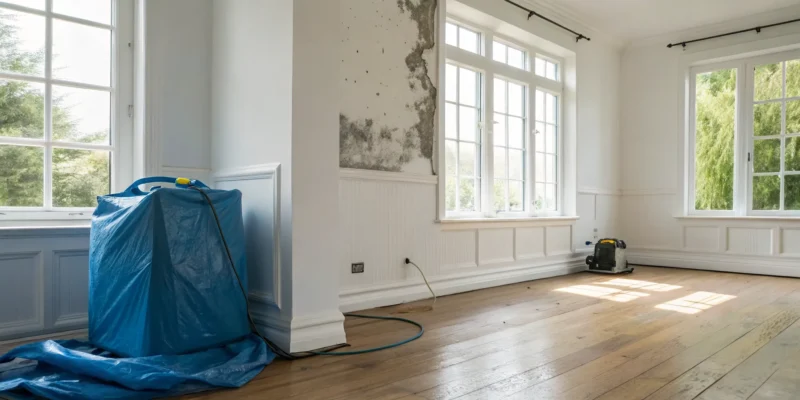
The first thing a professional team will do is isolate the contaminated area. Mold spores are microscopic and can easily travel through the air, spreading the problem to other parts of your home. To prevent this, technicians create a containment zone using plastic sheeting and tape. They may also use special equipment like negative air pressure machines to ensure that air (and spores) from the contaminated area doesn’t escape into the rest of your house. This step is critical because mold can begin growing within 24 hours of water damage, so stopping its spread is priority number one.
Removing Contaminated Materials
Unfortunately, some materials can’t be saved once mold takes root. Porous items like drywall, insulation, carpet, and upholstery act like sponges, allowing mold to grow deep inside where it’s impossible to clean completely. As part of the remediation process, technicians will carefully remove and dispose of any materials that are too contaminated to salvage. While this can add to the cost, it’s a necessary step. Simply cleaning the surface of infested drywall won’t solve the problem; removing the source is the only way to ensure the mold doesn’t come right back.
Cleaning and Disinfecting
Once the contaminated materials are gone, the team begins the detailed cleaning phase. This goes far beyond what you could do with household products. Professionals use high-efficiency particulate air (HEPA) vacuums to capture tiny mold spores from all surfaces. After vacuuming, they clean the remaining structures, like wood framing and concrete, with antimicrobial treatments. They may also use air scrubbers to remove any lingering spores from the air. This thorough cleaning and disinfecting process is what truly eliminates the mold and helps prevent future growth, restoring a healthy environment.
Final Clearance Testing
How do you know the job is truly done? Through final clearance testing. While not required for every small job, this step is highly recommended for larger infestations or when health concerns are a factor. An independent inspector will typically take air and surface samples from the remediated area to verify that the mold spore count has returned to a normal, safe level. This test provides you with peace of mind and scientific proof that the remediation was successful and your home’s air quality is safe, wrapping up the disaster restoration process.
Does Homeowners Insurance Cover Mold Remediation?
Figuring out what your homeowners insurance will and won’t cover can feel like a puzzle, especially when mold is involved. The short answer is: sometimes. Coverage for mold removal almost always depends on what caused the mold in the first place. Insurance policies are designed to protect you from sudden and accidental damage, not from problems that arise over time due to a lack of maintenance. Understanding this distinction is the key to knowing whether you can expect your policy to help with the bill. Let’s break down the common scenarios you might face.
When Insurance Is Likely to Cover Mold
Your policy is most likely to cover mold remediation when the moisture source is a “covered peril,” meaning a sudden and accidental event. Think of a pipe that bursts behind a wall, a washing machine hose that fails and floods your laundry room, or the aftermath of extinguishing a house fire. In these cases, the initial water damage restoration is typically covered, and so is the subsequent mold growth that results from that specific incident. Most policies have a limit for mold coverage, so it’s important to review your specific plan, but if the cause was unexpected, you have a strong case for coverage.
When You’re Probably Not Covered
On the other hand, insurance providers generally won’t cover mold that results from long-term issues or poor maintenance. If you’ve had a slow, dripping leak under your kitchen sink for months or ignored the high humidity in a poorly ventilated bathroom, you’ll likely have to pay for remediation out of pocket. Insurers view these situations as preventable. Similarly, mold caused by natural flooding or groundwater seeping into your basement usually isn’t covered by a standard homeowners policy; this typically requires separate flood insurance. If a problem could have been fixed earlier, your provider will probably deny the claim.
How to File a Mold-Related Claim
If you believe the mold was caused by a covered event, acting quickly and correctly is crucial. First, document the damage with clear photos and videos before anything is moved or cleaned. Next, call a certified restoration specialist. A professional team can identify the source of the moisture, contain the mold to prevent it from spreading, and provide a detailed estimate for the remediation work. This professional assessment is exactly what your insurance company needs to see. At 911 Restoration of Bakersfield, we can help you manage the entire disaster restoration process, including providing documentation and communicating directly with your insurance adjuster to ensure your claim is handled smoothly.
What to Do If the Remediation Cost Is Too High
Seeing a high price tag for mold remediation can feel overwhelming, especially when you’re already stressed about having mold in your home. But don’t let the initial sticker shock stop you from taking action. The cost of delaying remediation is almost always higher, leading to more extensive damage and greater health risks. The good news is that you have several practical options to explore that can make the cost more manageable.
Before you make any decisions, the first step is to get a clear and professional assessment of the problem. A certified team can give you a detailed quote that breaks down the entire scope of work, which is essential for planning your next steps. From there, you can start exploring ways to fit the project into your budget. Think of it as a step-by-step process to find a solution that works for you and your family. Let’s walk through a few strategies you can use to handle the cost without compromising on safety.
Get Multiple Quotes
Your first instinct might be to go with the first quote you get, but it’s wise to shop around. We recommend getting at least two or three detailed quotes from different certified mold remediation companies. This isn’t about finding the absolute cheapest option. It’s about understanding the typical price range for your specific problem and comparing the services offered. A reputable company will provide a thorough, itemized estimate that explains exactly what they plan to do, from containment to final cleaning.
When you compare these quotes, look at the details. Does one company include post-remediation testing while another doesn’t? Is the scope of material removal consistent? A suspiciously low bid could be a red flag for cut corners. You want to hire a team that is IICRC-certified and fully insured to protect your home and ensure the job is done right the first time.
Ask About Payment Plans
Many professional restoration companies understand that mold remediation is often an unexpected expense. Don’t hesitate to ask upfront if they offer payment plans or financing options. Some businesses have partnerships with third-party lenders that allow homeowners to pay for the project in smaller, more manageable installments over time. This can turn a large, upfront cost into a predictable monthly payment that fits within your budget.
When you call for a quote, simply ask, “Do you offer any financing or payment plans?” A customer-focused company will be happy to explain your options. Their goal is to help you solve your mold problem, and offering flexible payment solutions is one way they can provide a true “Fresh Start” without adding unnecessary financial strain.
Look for Assistance Programs
While it’s not always a guarantee, it’s worth checking to see if any assistance is available to you. Start by reviewing your homeowner’s insurance policy. Standard policies often exclude mold damage unless it’s the direct result of a covered peril, like a burst pipe. For example, if you had sudden water damage that led to mold growth, your insurance might cover the remediation.
Navigating insurance claims can be confusing, which is why working with a restoration company that offers direct insurance billing support can be a huge help. They can communicate with your provider and document the damage properly. You can also do a quick search for any local, state, or federal grants or programs that might offer financial assistance for home health and safety repairs, though these are less common.
Consider Loan Options
If payment plans aren’t available and insurance won’t cover the cost, a loan might be your next best option. While no one likes taking on new debt, it’s far better than letting a mold problem fester, which can lead to structural damage and health issues. A small personal loan from your bank or credit union could provide the funds you need to get the work done quickly.
If you’re a homeowner with equity in your property, a Home Equity Line of Credit (HELOC) could be another possibility. These often come with lower interest rates than personal loans. Think of it as an investment in your home’s safety and value. Addressing the mold now protects your property and, more importantly, your family’s well-being, making it a necessary and worthwhile expense.
Is DIY Mold Removal a Good Idea?
When you discover mold, your first instinct might be to grab a bottle of bleach and get to work. It’s tempting to try and save money by handling it yourself, but this approach can be risky. While some very minor surface mold might seem manageable, a DIY job can often miss the underlying cause, spread spores to other parts of your home, and expose you to health hazards.
The real question isn’t just can you clean it, but should you? Understanding the difference between a small patch you can monitor and a serious problem that requires professional help is key to protecting your property and your family. Before you decide to tackle mold on your own, it’s important to know when it’s safe and when it’s time to call for backup.
Small Jobs You Might Handle Yourself
Some homeowners believe they can handle small spots of surface mold, especially if it’s on a non-porous surface. You might see suggestions online to use a simple bleach and water solution to clean affected areas. If you find a tiny patch of mold on your shower tile, for example, a DIY cleaning might seem like a quick fix.
However, even for what appears to be a minor job, you must take safety seriously. If you attempt any cleanup yourself, you need to wear the proper safety gear. This isn’t just a pair of rubber gloves; we’re talking about full-body suits, full-face respirators with appropriate filters, double gloves, and boots to prevent any contact with mold spores. Without this protection, you risk skin irritation and respiratory issues.
When to Absolutely Call a Pro
While you might be able to wipe away a small spot, mold often grows in hidden places like inside walls, under floorboards, or in HVAC systems. Professional mold removal is necessary when the mold covers an area larger than 10 square feet or if you suspect it’s a more toxic type, like black mold. You should also call a pro if you can smell a musty odor but can’t see any mold, as this is a classic sign of a hidden problem.
Furthermore, if mold has seeped into porous materials like drywall, insulation, or carpet, those items can’t just be cleaned; they must be safely removed and replaced. An IICRC-certified team has the training and equipment to contain the area, prevent cross-contamination, and address the moisture source to ensure the mold doesn’t return.
Prevent Mold and Avoid Future Costs
The best way to manage mold remediation costs is to avoid needing it in the first place. While you can’t always prevent a disaster, a few proactive habits can go a long way in protecting your home and your wallet. Mold thrives on moisture, so keeping your home dry is the most important step you can take. It’s not about being perfect; it’s about being mindful of potential problem areas.
Think of it as simple home maintenance, like changing the batteries in your smoke detector. By paying attention to humidity, airflow, and any signs of water intrusion, you can stop mold before it has a chance to grow. This not only saves you from the expense and stress of a major remediation project but also helps maintain a healthier living environment for you and your family. Taking these preventative measures is an investment in your property’s long-term health and your own peace of mind. If you suspect you already have a problem, getting professional mold removal is the next best step.
Control Your Home’s Humidity
Mold loves a humid environment. In fact, it can start growing within 24 to 48 hours of water damage, especially in damp spots. Your goal should be to keep your home’s humidity level between 30% and 50%. You can easily monitor this with a small, inexpensive device called a hygrometer. In naturally damp areas like basements, crawl spaces, and bathrooms, consider running a dehumidifier. Always use your bathroom and kitchen exhaust fans when showering or cooking to pull excess moisture out of the air. These small, consistent actions make your home a much less inviting place for mold to settle in.
Improve Air Circulation
Stagnant air traps moisture against surfaces, creating the perfect breeding ground for mold. Improving your home’s airflow is a simple and effective way to keep things dry. On nice days, open up your windows to let fresh air move through. You can also use ceiling fans or portable fans to keep the air circulating, especially in rooms that tend to feel stuffy. When arranging furniture, try to leave a small gap between large pieces and the walls. This prevents moisture from getting trapped and allows air to flow freely, reducing the risk of hidden mold growth behind your sofa or bookshelf.
Tackle Water Damage Immediately
Water damage is mold’s welcome mat. Whether it’s a burst pipe, a leaky roof, or a small drip under the sink, addressing water damage immediately is your best defense. The longer water sits, the higher the chance of mold growth and the more expensive the fix will be. If you spot a leak, don’t wait. Find the source and fix it, or call a professional if you can’t. If you don’t fix the underlying moisture problem, the mold will almost certainly come back, no matter how well you clean it. Acting fast not only prevents mold but also minimizes the structural damage water can cause to your home.
Frequently Asked Questions
I found a small spot of mold. Can I just clean it myself with bleach? While it’s tempting to tackle a small spot yourself, it’s often not the best solution. Bleach can sometimes discolor a surface without actually killing the mold’s roots, especially on porous materials like drywall or wood. More importantly, scrubbing can release mold spores into the air, potentially spreading the problem to other areas of your home. If the affected area is smaller than your hand and on a hard, non-porous surface like tile, a DIY attempt might be okay. For anything larger, or if you have any health concerns, it’s always safer to call a certified professional.
Why does professional mold remediation cost so much? The cost reflects that remediation is a technical, multi-step process, not just a simple cleaning job. You’re paying for the expertise and safety protocols of a certified team. The price includes containing the area to prevent cross-contamination, using specialized equipment like air scrubbers and HEPA vacuums, safely removing and disposing of contaminated materials like drywall or carpet, and disinfecting the remaining structures to prevent regrowth. It’s a comprehensive service designed to permanently solve the problem and restore your home’s healthy environment.
How can I be sure the mold is completely gone after the work is done? This is a great question, and it’s why the final step of a professional job is so important. For significant remediation projects, a third-party inspector can be brought in to perform what’s called “clearance testing.” They take air and surface samples to scientifically verify that the mold spore levels have returned to a normal, safe state. This provides you with unbiased proof that the job was successful and your home’s air quality is clean, giving you complete peace of mind.
I smell a musty odor but can’t see any mold. What does that mean? A persistent musty smell is one of the most common signs of a hidden mold problem. Mold often grows in places you can’t see, such as behind walls, under flooring, in crawl spaces, or within your HVAC system, especially if there has been any past water damage or high humidity. Don’t ignore the odor. It’s your home’s way of telling you there’s a moisture issue that needs to be investigated by a professional who can locate the hidden source and assess the extent of the growth.
How long does the entire mold remediation process typically take? The timeline really depends on the size and complexity of the job. A small, contained project, like mold in a bathroom, might only take one to three days. However, a larger issue that involves removing and replacing significant amounts of drywall or addressing mold in an entire basement or attic could take a week or more. A professional restoration company can give you a more precise timeline after they complete their initial inspection and assess the full scope of the work required.
