

How to Find a Water Leak in Your House & Stop Damage
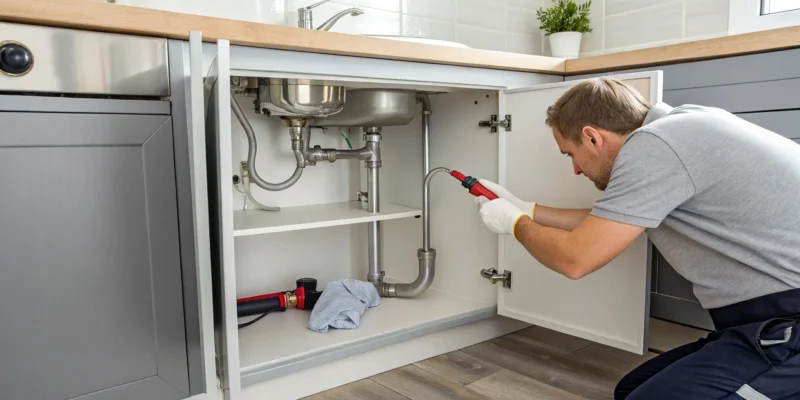
Your senses are some of the best tools you have for protecting your home. A persistent musty odor in the basement, the faint sound of running water when all the taps are off, or a soft spot you feel under the carpet are all clues that shouldn’t be ignored. These are your home’s ways of telling you that moisture is present where it doesn’t belong. This article will teach you how to trust your instincts and use your senses to investigate these signs. We’ll cover the essential methods for how to find a water leak in your house, turning you into a more observant and proactive property owner.
Key Takeaways
- Watch for the warning signs of a leak: An unexpectedly high water bill, musty smells, new water stains, or the sound of running water are all clear indicators that you may have a hidden leak.
- Confirm your suspicions with easy DIY tests: You can use your water meter to check for constant water flow or put food coloring in your toilet tank to spot a silent leak. These simple actions can give you a definite answer.
- Know when to call for professional help: For leaks you can’t find, problems under your foundation, or when you already see water damage, it’s time to call an expert. A professional team can prevent further harm and handle the restoration correctly.
Do You Have a Water Leak? Watch for These Signs
Water leaks can be sneaky. They often start small, hidden behind walls or under floors, quietly causing damage long before you notice them. The good news is that your house usually gives you clues that something is wrong. You just have to know what to look for (and listen for). If you notice any of the following signs, it’s time to play detective and investigate further. Catching a leak early can save you from the stress and expense of major repairs down the road.
A Sudden Spike in Your Water Bill
One of the most common red flags of a hidden leak is a water bill that’s suddenly much higher than usual. If your daily habits haven’t changed but your bill has shot up, a leak is a likely culprit. This is especially true for leaks in underground pipes that you can’t see. Before you dismiss it as a fluke, take a moment to compare your recent bill with those from previous months. A significant, unexplained increase is your cue to start looking for the source of the problem. A hidden leak can waste hundreds of gallons, and prompt water damage restoration is key to preventing further issues.
Stains, Warping, or Discoloration
Your walls, ceilings, and floors are great storytellers. Pay attention to any new yellow, brown, or dark water stains, as they are classic signs of a slow leak. You might also see paint that is peeling, bubbling, or flaking, or wallpaper that is starting to pull away from the wall. Warped floorboards or soft, spongy spots on the floor also point to moisture underneath. These visual cues mean water is present where it shouldn’t be. If you spot them, it’s a clear signal that you need to investigate the source before the damage gets worse and requires extensive repairs.
Musty Odors from Mold or Mildew
If you walk into a room and notice a persistent damp, earthy, or musty smell, trust your nose. That odor is often the first and only sign of hidden mold or mildew growth, which thrives in damp environments created by leaks. Even if you can’t see any visible water or mold, the smell indicates that moisture is trapped somewhere nearby, likely behind a wall, under a cabinet, or in your crawl space. Don’t just cover it up with air fresheners. Addressing the underlying leak is the only way to get rid of the smell and prevent a major mold removal project.
A Sudden Drop in Water Pressure
Does your shower feel more like a drizzle than a powerful spray? A sudden or gradual drop in water pressure throughout your home can be a symptom of a leak in your main water line. When water is escaping from a pipe somewhere in the system, less of it makes it to your faucets and showerheads, causing the flow to feel weaker. While other issues can cause low pressure, it’s a common sign of a significant leak. If you notice a change, it’s worth investigating to rule out a water leak that could be causing unseen damage to your property.
Hearing Running Water When Taps Are Off
Your home should be quiet when all the faucets, toilets, and water-using appliances are turned off. If you hear the sound of running, hissing, or dripping water coming from inside your walls or floors, you almost certainly have a leak. The best time to check for this is at night or during a quiet part of the day. Stand still and listen carefully near your bathrooms, kitchen, and laundry room. These phantom sounds are the telltale sign of water escaping from a pipe. This is a clear signal that you need professional disaster restoration to find and fix the problem quickly.
Use Your Water Meter to Find a Leak
If you suspect a leak but can’t pinpoint the source, your water meter is an excellent tool for confirmation. This straightforward test helps you determine if water is running somewhere on your property, even when you think everything is off. It’s a reliable way to catch hidden plumbing issues before they can cause serious water damage. This process is simple and gives you clear answers, helping you decide on your next steps. All you need is a pen, a notepad, and a little bit of patience to get to the bottom of the mystery.
Step 1: Turn Off All Water
Your first step is to ensure no water is being used anywhere on your property. Go through your home and turn off every faucet, shower, and spigot. Also, make sure appliances that use water, like your dishwasher, washing machine, and refrigerator ice maker, are not in a cycle. This step is critical because any intentional water use will give you a false positive, making you think you have a leak when you don’t. A completely quiet plumbing system is the only way to get an accurate result from this test.
Step 2: Find Your Water Meter
Now, you need to find your water meter. For most homes in the Bakersfield area, the meter is located in a concrete box near the curb in front of your house. It will have a heavy metal or plastic lid that you might need a screwdriver or a special meter key to open. Lift the lid carefully, as sometimes insects or debris can collect inside. Once open, you will see the meter’s face, which displays a series of numbers similar to a car’s odometer, tracking your water consumption.
Step 3: Check the Leak Indicator
Look closely at the face of the water meter for a small, triangular, or wheel-shaped dial. This is the leak indicator, and it’s designed to spin whenever water flows through the meter. With all the water turned off in your house, this indicator should be perfectly still. If you see it moving, even very slowly, you have an active leak. This is the quickest way to confirm a problem. If the indicator isn’t moving, it doesn’t mean you’re in the clear just yet; a very slow drip might not be enough to move it.
Step 4: Take a Reading and Wait
If the leak indicator is still, it’s time for a more sensitive test. Find the main register on the meter, which looks like an odometer, and write down all the numbers exactly as you see them. Be sure to note the position of the large sweep hand as well. Now, you just have to wait. For the most accurate results, avoid using any water for at least one to two hours. During this waiting period, it is essential that no one flushes a toilet, washes their hands, or uses any water at all.
Step 5: Read the Results
After the waiting period is over, return to the water meter and take a second reading. Compare the new numbers to the ones you wrote down earlier. If the reading has changed at all, it confirms you have a leak somewhere in your plumbing system. This means it’s time to either begin a more detailed search for the source or call a professional for help. If you’ve confirmed a leak and see signs of damage, our IICRC-certified team offers expert leak detection and restoration services 24/7 to protect your property.
Simple DIY Checks for Leaks Around Your Home
You don’t need to be a professional plumber to play detective. Many common household leaks can be found with a few simple visual checks that only take a few minutes. Regularly inspecting these high-risk areas can help you catch a small drip before it turns into a major headache. Grab a flashlight and let’s walk through some easy spots to check around your home. Catching a leak early is the best way to prevent costly repairs and the need for extensive water damage restoration.
Look Under Sinks and Around Visible Pipes
The cabinets under your kitchen and bathroom sinks are notorious for hiding slow leaks. Open them up and take a good look around. Use your hand to feel the pipes, especially around the joints and connections, for any signs of moisture. Look for dark spots, water stains, or warped wood on the cabinet floor. A musty smell is another dead giveaway that water has been sitting for a while. These small drips might not seem like a big deal, but over time they can saturate the surrounding materials, leading to wood rot and creating a perfect environment for mold growth. Making this quick check part of your cleaning routine can save you a lot of trouble.
Try the Food Coloring Test for Toilets
A constantly running toilet can waste hundreds of gallons of water and is often caused by a silent leak from the tank into the bowl. Here’s a super simple way to check for it. Grab some food coloring from your kitchen and add a few drops into the toilet tank (the back part, not the bowl). Don’t flush it. Just let it sit for about 30 minutes. If you come back and see any of that color has seeped into the toilet bowl, you have a leak. This usually means the rubber flapper at the bottom of the tank isn’t sealing properly and needs to be replaced, which is a quick and inexpensive fix you can handle yourself.
Inspect Your Water Heater
Your water heater works hard every day, and a leak can cause a significant amount of damage quickly. Take a moment to inspect the unit. Look for any puddles or moisture on the floor around the base of the tank. Check the pressure relief valve and any connected pipes for drips. You might also see a white, chalky substance on the tank or pipes. This is a mineral deposit called efflorescence, and it’s a clear sign that water is slowly leaking and evaporating. If you notice any of these issues, it could mean your water heater is failing. It’s better to address it now than to wait for a full-blown disaster restoration emergency.
Check Washing Machine and Dishwasher Hoses
Your washing machine and dishwasher are connected to your water supply with heavy-duty hoses, but these can wear out over time. Gently pull the appliances out to inspect the hoses behind them. Look for any cracks, bulges, or brittleness in the rubber. Make sure the connections are tight and dry. You should also check the floor underneath for any signs of pooled water and inspect the surrounding walls for peeling paint or discoloration. A burst supply hose can release a massive amount of water in a short time, so checking them once or twice a year is a smart preventative measure for any property, including those needing commercial restoration.
Examine Outdoor Faucets and Irrigation
Leaks aren’t just an indoor problem. Head outside and check your garden hoses and spigots. Make sure the faucets are turned off completely and aren’t dripping. If you have an irrigation system, turn it on and walk the lines, looking for broken sprinkler heads or soggy spots in the yard. Unexplained wet patches or unusually green areas in your lawn when it hasn’t rained could signal a leak in an underground pipe. Depending on the source, this could even require professional sewage cleanup if a sewer line is compromised. Staying on top of outdoor leaks helps conserve water and protects your home’s foundation from water damage.
Finding Hidden Leaks Behind Walls and Under Floors
Some of the most destructive water leaks are the ones you can’t see. Hidden behind walls or beneath floorboards, these leaks can silently cause rot, structural damage, and mold growth for weeks or even months before you notice a problem. The good news is that even hidden leaks leave clues. If you suspect a leak but can’t find the source, it’s time to put on your detective hat and use your senses to track it down. Paying attention to subtle changes in your home can help you catch these issues early and prevent a small drip from turning into a disaster.
Listen for Drips or Running Water
One of the simplest ways to find a hidden leak is to listen. When your house is completely quiet (late at night is often best), walk through each room and listen carefully. If you hear the sound of dripping, hissing, or running water when all the faucets and appliances are turned off, you likely have a leak in your plumbing system. Pay close attention to the sounds inside your walls or under the floors. While it might be faint, this sound is a direct signal that water is moving somewhere it shouldn’t be. Pinpointing the general area of the sound can help you or a professional narrow down the search.
Feel for Soft Spots or Warped Surfaces
Your walls and floors can tell you a lot about what’s happening behind them. Run your hands along walls, especially in areas near bathrooms or kitchens, and feel for any soft, spongy, or damp spots. Visually inspect your ceilings and walls for discoloration, like yellow or brown stains, which are classic signs of water damage. You should also look for peeling paint or bubbling wallpaper, as moisture can cause these materials to lose their adhesion. Warped floorboards or buckled laminate are also major red flags. These signs indicate that moisture has been present long enough to cause physical damage, so it’s important to act quickly and call for water damage restoration.
Look for Mineral Buildup on Pipes
For a slow, persistent leak, you might not see a puddle, but you may find evidence it leaves behind. Check any visible pipes in your basement, crawl space, or under sinks for white or greenish mineral deposits around fittings and joints. This buildup, known as efflorescence, happens when water slowly seeps out and evaporates, leaving minerals behind. While it might not seem like a big deal, even a tiny leak can waste a lot of water over time and create a constantly damp environment. This persistent moisture is the perfect breeding ground for mold, which can cause further property damage and affect your indoor air quality.
Use a Moisture Meter to Confirm
If you suspect a leak in a specific area but can’t see any visible signs, a moisture meter can be your best friend. This handheld device allows you to measure the moisture content in drywall, wood, and other materials without having to cut into them. You can simply press the prongs against the surface to get a reading. An unusually high reading confirms that moisture is present, even if the surface feels dry to the touch. While you can buy a basic moisture meter at a hardware store, professionals use advanced, non-invasive meters to accurately locate hidden water sources and define the scope of the damage.
Inspect Your Basement and Crawl Space
Your home’s lowest levels are often the first places to show signs of a hidden plumbing or foundation leak. Grab a flashlight and thoroughly inspect your basement or crawl space. Look for puddles, damp spots on the concrete walls or floor, and any signs of standing water. Use your nose, too; a persistent musty or earthy smell often points to hidden moisture or mold growth. Check the areas where utility lines enter the house, as these are common spots for leaks. If you find dampness or water with no obvious source, it could indicate a more serious issue like a slab leak, which requires immediate professional attention.
Your Leak Detection Toolkit
Having a few key tools on hand can make finding a water leak much easier. Some of these are simple household items you can use for quick DIY checks, while others are advanced devices that professionals use to pinpoint hidden problems without tearing down your walls. Think of this as your personal leak detection toolkit. Knowing what these tools are and how they work will help you either identify a leak yourself or understand the process when you call in an expert. This knowledge empowers you to take immediate action, potentially saving you from costly repairs down the road.
For property owners in Bakersfield and Kern County, being prepared is the best defense against extensive water damage. A small, persistent leak can lead to serious issues like mold growth and structural decay if it’s not addressed quickly. By using a combination of simple tests and knowing when a professional with specialized equipment is needed, you can protect your property and your peace of mind. Our IICRC-certified team uses advanced technology for accurate leak detection, ensuring we find the source of the problem with minimal disruption to your home or business. We understand that dealing with a leak is stressful, which is why we focus on providing clear answers and effective solutions from the start.
Dye Tablets or Food Coloring
One of the most common culprits for a silent leak is a faulty toilet flapper. This is an easy one to check yourself with a simple trick. All you need are some dye tablets or a few drops of food coloring. Just add the color to your toilet tank and then wait for about 30 minutes without flushing. If you see any of that color appear in the toilet bowl, you’ve found your leak. It means the flapper isn’t creating a tight seal, allowing water to constantly trickle from the tank into the bowl. Replacing a toilet flapper is a straightforward fix that can save a surprising amount of water.
Moisture Meter
If you suspect a leak behind a wall or under the floor because of a musty smell or a soft spot, a moisture meter can help confirm your suspicions. These handheld devices have prongs that you press into a surface (like drywall or wood) to measure the moisture content inside. While you can buy a basic moisture meter at a hardware store, professionals use more sensitive, non-invasive models to find the exact location and extent of moisture without leaving a mark. This helps prevent unnecessary demolition and focuses the water damage restoration efforts precisely where they’re needed.
Water Pressure Gauge
A sudden drop in water pressure is a big red flag for a leak somewhere in your plumbing system. You can test your home’s water pressure with a water pressure gauge, which you can find at most hardware stores. Simply attach the gauge to an outdoor faucet and make sure all other water sources in and around your house are turned off. A normal reading is typically between 45 and 80 psi. If your reading is significantly lower, it could mean water is escaping from a pipe somewhere. This test is a great way to confirm a system-wide issue before calling for professional help.
Acoustic Listening Devices
When a leak is buried deep behind a wall, under a concrete slab, or underground, it’s almost impossible to find without special equipment. This is where professionals bring in acoustic listening devices. These highly sensitive tools can detect the distinct sound of dripping or rushing water, even through layers of building materials. By listening for the leak, technicians can pinpoint its exact location with incredible accuracy. This technology is essential for finding hidden problems and avoiding a destructive search that could cause more damage to your property. It’s a key part of our disaster restoration process.
Smart Leak Detectors
For a more modern and proactive approach, you can install smart leak detectors in your home or business. These small, battery-powered sensors are placed in leak-prone areas like under sinks, near water heaters, or in basements. When the device detects moisture, it sends an alert directly to your smartphone. This gives you an immediate warning, allowing you to act fast before major damage occurs. For property managers overseeing commercial restoration needs, these detectors are especially valuable for monitoring multiple locations and preventing costly surprises.
When to Call a Professional for Help
While many small leaks can be managed with a bit of DIY know-how, some situations require an expert. Knowing when to put down the wrench and pick up the phone can save you from costly mistakes, further damage, and a whole lot of stress. If you find yourself in over your head, don’t hesitate to call for backup. A professional has the tools and experience to solve the problem quickly and correctly, protecting your property and your peace of mind.
The Leak Is Large or You Can’t Find It
It’s one thing to fix a dripping faucet, but it’s another entirely when you can’t find the source of the leak at all. If you’ve shut off the main water valve to your house and the meter is still spinning, the problem is likely in the water line between the street and your home. Finding and fixing these leaks requires specialized equipment. Instead of guessing and potentially digging up your yard, it’s best to call a professional. Our IICRC-certified technicians use advanced methods for leak detection, pinpointing the exact location without unnecessary disruption. This saves time and prevents the problem from escalating into a major disaster restoration project.
You Suspect a Slab Leak
A leak in the pipes running beneath your home’s concrete foundation, known as a slab leak, is a serious issue. Signs of a slab leak include unexplained warm spots on your floor, the sound of running water when all taps are off, or a water meter that won’t stop spinning. This is not a DIY project. Attempting to access these pipes without the right expertise can compromise your home’s structural integrity. If you suspect a slab leak, it’s critical to call for professional help immediately. A team of experts can confirm the leak’s location and create a plan for repair that minimizes damage to your foundation and home.
The Repair Requires Special Tools or Skills
Sometimes, you can find the leak, but you don’t have the right tools or skills to fix it. Many plumbing repairs, especially those inside walls or involving soldered pipes, require more than a standard home toolkit. Professionals come equipped with everything from acoustic listening devices to infrared cameras to handle complex situations. Trying to force a repair without the proper equipment can easily turn a small leak into a burst pipe and a full-blown water emergency. When you’re facing a tricky repair, calling for professional water damage restoration ensures the job is done right the first time, preventing further issues down the road.
Water Damage Is Already Visible
If you can see water stains on your ceiling, warped floorboards, or peeling paint, the leak has likely been active for some time. At this point, the problem is bigger than just stopping the drip. Water that has soaked into drywall, wood, and insulation creates the perfect environment for mold to grow, which can happen in as little as 24 hours. Simply fixing the leak isn’t enough. A professional restoration team will not only repair the source but also handle the water extraction, drying, and dehumidification needed to prevent mold. If mold is already present, you’ll need expert mold removal to keep your home safe and healthy.
You Found a Leak. Now What?
Discovering a water leak can feel overwhelming, but taking quick, decisive action can make all the difference. Whether it’s a small drip or a steady stream, your next few steps are critical for minimizing damage to your property. Acting fast not only protects your home or business but also simplifies the repair and restoration process. Here’s a clear, step-by-step guide to help you handle the situation calmly and effectively, turning a moment of panic into a manageable plan.
Step 1: Shut Off the Water Supply
Your first move is to stop the flow of water. Locate your home’s main water shut-off valve, which is often in the basement, a crawl space, or near your water heater. Turn it clockwise until it’s fully closed. If you’ve shut off the main valve but your water meter is still spinning, the leak is likely in the main line between the street and your house. This kind of underground leak requires professional equipment to find without tearing up your yard, so it’s a clear sign to call for help. Taking this single step immediately stops the problem from getting worse while you figure out your next move.
Step 2: Document the Damage for Insurance
Before you move anything or start cleaning up, grab your phone and document everything. Take clear photos and videos of the leak’s source, the standing water, and any affected belongings or structural materials like walls and flooring. This evidence is incredibly important for your insurance claim. Detailed documentation creates a clear record of the initial damage, which will help ensure your claim process goes smoothly. A professional restoration team can also assist with thorough documentation when they arrive, making sure nothing is missed and your claim is as strong as possible.
Step 3: Call a Water Damage Restoration Pro
With the water off and the damage documented, it’s time to call in the experts. A professional team has the specialized tools, like thermal cameras and moisture detectors, to find the exact source of the leak without causing more destruction. At 911 Restoration of Bakersfield, our IICRC-certified technicians are available 24/7 and can arrive within 45 minutes to start the water damage restoration process. We handle everything from water extraction and drying to repairs and even help with your insurance claim, giving you a true Fresh Start. Don’t hesitate to call when you need fast, reliable help.
Next Steps: Preventing Future Leaks
Once the immediate crisis is resolved, you can focus on prevention. The best way to avoid future leaks is to keep your appliances and plumbing in good working order. Periodically inspect the hoses on your washing machine, dishwasher, and water heater for cracks or bulges. Check under sinks for any signs of moisture. Fixing small drips promptly not only prevents a major disaster but can also save you about 10% on your water bill. Regular maintenance is a simple and effective strategy for keeping your property safe, dry, and protected from unexpected water damage in the future.
Frequently Asked Questions
What’s the absolute first thing I should do if I find a leak? Your immediate priority is to stop the water flow to prevent more damage. Find your home’s main water shut-off valve, which is usually located in a basement, crawl space, or near the water heater, and turn it clockwise to close it. Taking this single step buys you valuable time to assess the situation without the problem getting worse.
I smell a musty odor but can’t see any water. Could it still be a leak? Yes, absolutely. That persistent, earthy smell is one of the most reliable signs of a hidden leak. The odor comes from mold or mildew growing in a damp environment, likely behind a wall, under a cabinet, or beneath your flooring. Even if the surface feels dry, the smell is your cue that moisture is trapped somewhere nearby and needs to be addressed.
How can I tell the difference between a small leak I can handle and a serious one that needs a professional? A good rule of thumb is visibility and scope. A slow drip from a faucet or a toilet that needs a new flapper are often manageable DIY fixes. However, you should call a professional if you can’t find the source of the leak, if you suspect a problem under your home’s foundation (a slab leak), or if you already see significant damage like warped floors or large water stains. These situations require specialized tools and expertise to fix correctly.
My water bill went up, but I can’t find any signs of a leak. What’s my next step? An unexplained spike in your water bill is a major red flag. Your next step should be to use your water meter to confirm a hidden leak. The process is simple: turn off all water in your home, take a reading from the meter, wait an hour or two without using any water, and then check the meter again. If the reading has changed, you have a leak somewhere on your property, and it’s time to call for professional help to find it.
If I call a professional, will they have to tear down my walls to find the leak? Not necessarily. A major benefit of hiring a professional is that they use advanced, non-invasive technology to find leaks. Experts use tools like acoustic listening devices and moisture meters to pinpoint the exact source of water behind walls or under floors with incredible accuracy. This approach minimizes destruction, saving you from unnecessary repairs and focusing the work only where it’s needed.
