What Is Emergency Water Extraction? A Quick Guide
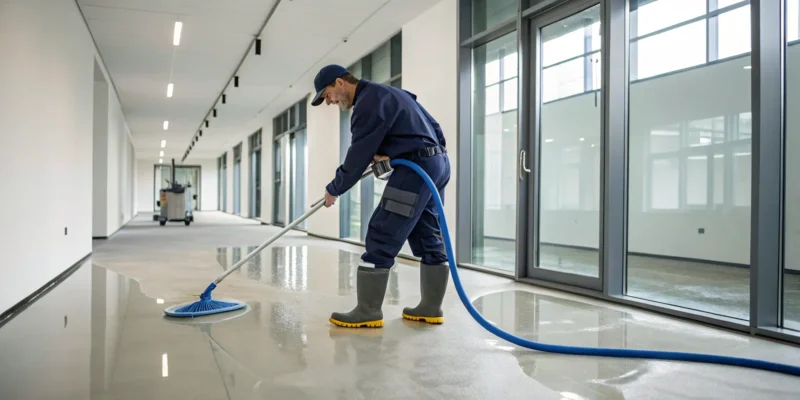
Sometimes the first sign of a water problem isn’t a flood, but a persistent musty smell you can’t seem to get rid of. Or maybe you’ve noticed your wood floors are starting to warp slightly, or your water bill has spiked for no reason. These subtle clues often point to a hidden leak that’s been quietly causing damage behind your walls or under your floors. While these issues might not seem like an emergency, they require immediate attention before they lead to widespread mold and structural decay. Professional emergency water extraction isn’t just for visible disasters; it’s also for tracking down and removing this hidden moisture, protecting your property’s integrity and the health of your family from the dangers you can’t see.
Key Takeaways
- Act fast to minimize damage: The most critical factor in a water emergency is speed. Mold can grow in just 24 hours, and delays can turn a straightforward repair into a major renovation, so calling for help right away saves money and protects your property.
- Know the hidden signs of water damage: A problem isn’t always as obvious as a flood. Be aware of subtle clues like persistent musty smells, sudden spikes in your water bill, or faint stains on walls, as these often indicate a hidden leak that needs to be addressed.
- Recognize when to call a professional: While you can handle small, clean spills yourself, it’s time to call for help when water has soaked into walls, covers a large area, or is contaminated (like from a sewage backup). Certified pros have the right equipment to dry your property completely and safely.
What Is Emergency Water Extraction?
When you find standing water in your property, the first instinct might be to grab a mop and bucket. While that’s a good start for a small spill, a true water emergency requires a much faster and more thorough approach. Emergency water extraction is the first critical step in professional water damage restoration. It’s the process of using powerful, specialized equipment to remove large quantities of water from your home or business as quickly as possible.
The goal is simple: get the water out before it can cause more serious problems. Water can seep into flooring, soak into drywall, and get trapped in hidden spaces, creating the perfect environment for mold and causing long-term structural damage. A professional extraction service doesn’t just remove the water you can see; it addresses the entire scope of the problem. This immediate action is the key to minimizing damage, reducing repair costs, and getting your property back to normal safely and efficiently.
How the process works
When you call for emergency help, the process is designed for speed and efficiency. First, certified technicians arrive quickly to assess the situation. They use moisture meters and thermal imaging cameras to determine the extent of the water damage, even finding moisture hidden behind walls or under floors. Once they understand the scope, they bring in powerful, truck-mounted extraction units and submersible pumps to remove all standing water. This equipment is far more effective than any shop vac, pulling out hundreds or even thousands of gallons of water in a short time. This initial removal is a crucial first step before the full drying and dehumidification process can begin.
Common causes of water emergencies
Water emergencies can happen to anyone and often come from sources you might not expect. Some of the most common culprits include burst pipes from sudden temperature changes, overflowing toilets that lead to a need for sewage cleanup, and failing appliances like water heaters or washing machines. Storms can also cause significant issues, leading to roof leaks or flash flooding that overwhelms your property. The reason speed is so important is that mold can begin to grow in as little as 24 hours. Acting fast not only removes the water but also helps prevent a secondary mold removal problem from developing.
Homes vs. businesses: How extraction differs
While the basic goal of removing water is the same for any property, the approach for a home versus a business has key differences. For homeowners, the focus is on protecting your family, saving personal belongings, and making your living space safe and comfortable again. In a commercial setting, the priority shifts to minimizing downtime and financial loss. A professional team providing commercial restoration understands how to work around business operations, protect sensitive documents and equipment, and coordinate with commercial insurance adjusters. A tailored approach ensures that whether it’s your home or your livelihood, the unique challenges of your situation are met with the right solution.
Why Acting Fast Is the Difference Between Repair and Replacement
When you’re dealing with a water emergency, time is not on your side. Every hour that passes allows water to do more damage, seeping deeper into floors, walls, and furniture. Acting quickly is the single most important thing you can do to protect your property and your wallet. What might start as a simple extraction and drying job can quickly become a complex and expensive restoration project involving demolition and rebuilding. The line between a minor inconvenience and a major disaster is often drawn within the first 48 hours. That’s why a fast response is essential for minimizing damage and getting your life back to normal.
The critical 24-48 hour mold window
It’s a startling fact: mold and bacteria can start growing within just 24 to 48 hours of water damage. That’s not a lot of time. Once moisture settles into porous materials like drywall, carpet padding, or wood, it creates the perfect breeding ground for mold. This isn’t just an issue of a musty smell or ugly spots on the wall. Mold releases spores into the air that can affect your health and requires a specialized approach to fix. Waiting too long turns a water problem into a mold problem, which is why immediate action and professional mold removal are so important for keeping your property safe and healthy.
The high cost of waiting
Procrastinating on water extraction is one of the most expensive mistakes a property owner can make. The longer water sits, the more it soaks into everything it touches. A damp carpet might be salvageable if treated immediately, but a saturated one often needs to be thrown out. The same goes for drywall, insulation, and wood flooring. Quick intervention can often save these materials, but delays mean they will likely need full replacement. This is how a manageable water damage restoration job balloons into a costly renovation. Calling for help right away is an investment that saves you significant money and stress down the road.
Long-term risks: Structural damage and downtime
Beyond the visible damage, standing water can quietly compromise the structural integrity of your property. It can weaken wooden support beams, cause foundations to shift, and make ceilings and floors sag. This kind of damage isn’t always obvious at first, but it poses a serious safety risk. For business owners, the consequences are even greater. Every day your doors are closed for repairs means lost revenue and productivity. A swift response not only protects the building itself but also minimizes the operational downtime that can cripple a business. Addressing water damage immediately is key to avoiding these long-term structural and financial headaches, whether at home or your place of commercial restoration.
Warning Signs You Need Emergency Water Extraction
Not every water emergency starts with a dramatic flood. Sometimes, the signs are subtle, creeping up on you until you’re facing a major problem. Knowing what to look for is the first step in protecting your property from serious damage. Whether the clues are obvious or hidden, spotting them early can save you from costly repairs, structural issues, and health hazards down the road. Pay attention to changes in your home or business, because your property is often telling you exactly what it needs. Here are the key warning signs that mean it’s time to call for professional water extraction.
Obvious signs: Standing water and warped floors
The most unmistakable sign of a water problem is, of course, visible water. If you see standing water pooling on your floors from a burst pipe, overflowing appliance, or storm damage, it’s a clear-cut emergency. Don’t wait. Water saturates materials quickly, and mold can begin to grow in as little as 24 hours. You might also notice physical changes to your property, like wood floors that are warping or buckling, ceilings that have started to sag, or paint and wallpaper that is peeling away from the walls. These are all indicators that building materials have absorbed a significant amount of moisture. Acting fast is critical to prevent further issues and begin the water damage restoration process.
Hidden dangers: Musty odors and spiking bills
Sometimes the most serious water damage is the kind you can’t see. A persistent musty, damp, or earthy smell is a major red flag for hidden moisture and is often the first sign of a mold problem. If you notice this odor, especially in areas like basements, bathrooms, or laundry rooms, it’s time to investigate. Another subtle clue is a sudden, unexplained increase in your water bill. If your usage habits haven’t changed, a spike in your bill could point to a hidden leak in your plumbing system. Keep an eye out for faint, yellowish-brown water stains on your walls or ceilings, as these also indicate a slow, ongoing leak. Addressing these hidden signs promptly can prevent a small issue from turning into a full-blown mold removal project.
When contaminated water becomes a health hazard
Not all water is the same, and some types pose a direct threat to your health. If the water in your property comes from a sewage backup, toilet overflow, or flooding from outside, it is considered contaminated. This “black water” contains harmful bacteria, viruses, and other pathogens that can cause serious illness. You should never attempt to clean this type of water damage yourself. The risk of exposure is too high without the proper personal protective equipment (PPE) and specialized cleaning agents. If you suspect the water is contaminated, your first step should be to keep people and pets away from the area. Then, call a professional service that specializes in sewage backup cleanup to handle the situation safely and effectively.
What to Expect from a Professional Water Extraction Service
Calling a professional for a water emergency can feel like a big step, but it’s the fastest way to get your property back to normal. When a certified team arrives, they don’t just show up with a wet vac. They come with a systematic plan to assess the damage, stop the water at its source, and restore your home or business. Their goal is to handle every step of the process, from removing the initial water to drying the structure and even helping with your insurance paperwork.
A professional water damage restoration service is designed to be a complete solution. The technicians work quickly to minimize damage, prevent long-term problems like mold, and give you peace of mind. They understand the science behind water removal and drying, which is why they can save materials that might otherwise need to be replaced. From the moment they arrive, their focus is on safely and efficiently returning your property to its pre-damage condition.
Removing water with professional-grade equipment
The first thing you’ll see a professional team do is remove all standing water. They use equipment that’s far more powerful than anything you could rent at a hardware store. This includes industrial-grade, truck-mounted extraction units and submersible pumps that can remove hundreds or even thousands of gallons of water in a short amount of time. This rapid removal is critical because it immediately stops the water from spreading further and soaking into more of your property’s structure and contents. It’s the essential first step in preventing deeper, more costly damage.
Drying and dehumidifying the structure
Once the visible water is gone, the focus shifts to the moisture you can’t see. Water quickly seeps into porous materials like drywall, wood flooring, and insulation. To address this, professionals use specialized equipment like high-speed air movers and commercial-grade dehumidifiers. These tools create airflow across walls, carpets, and floors to accelerate evaporation while the dehumidifiers pull that moisture out of the air. This strategic process ensures that even hidden pockets of moisture are thoroughly dried out, which is key to preventing warping, swelling, and structural decay.
Preventing future mold growth
Moisture is the number one ingredient for mold, and it doesn’t take long for it to appear. In fact, mold can begin to grow within just 24 to 48 hours after water damage occurs. A professional drying process is specifically designed to stop this from happening. By quickly reducing indoor humidity and drying out affected materials, technicians eliminate the conditions mold needs to thrive. If any mold is already present, a certified team is also equipped to handle safe and effective mold removal, protecting your property and your health.
Getting help with your insurance claim
Dealing with a water emergency is stressful enough without having to manage a complicated insurance claim. A reputable restoration company will help you through this process. From the start, the team will thoroughly document all the damage with photos, notes, and moisture readings. They will also keep detailed records of the work they perform to restore your property. This comprehensive documentation provides your insurance company with everything it needs to process your claim efficiently, making a difficult situation just a little bit easier for you.
Why IICRC certification matters
When you’re looking for a restoration company, you’ll often see the term “IICRC-certified.” The Institute of Inspection, Cleaning and Restoration Certification (IICRC) is the main standards organization for the restoration industry. Hiring an IICRC-certified team means you are working with technicians who have received extensive training and have passed exams on the best practices for water restoration. This certification is your assurance that the crew understands the proper procedures to safely and effectively dry your property, preventing future issues and ensuring the job is done right.
Can You DIY Water Extraction?
When you find water where it shouldn’t be, your first instinct might be to grab a mop and handle it yourself. And sometimes, that’s exactly the right move. But it’s crucial to know when a situation is truly a DIY fix versus when you need to call in the pros. Making the wrong call can lead to bigger, more expensive problems like hidden mold or structural damage. Let’s walk through how to tell the difference so you can make the best choice for your property.
When a mop and wet vac are enough
For very small and contained water issues, you can often manage the cleanup yourself. Think of a minor spill, a small leak from a pipe you’ve already fixed, or a bit of water that seeped under a window. If the water is clean (not from a toilet or flood) and you catch it immediately, you have a good chance of success. Use towels, a mop, or a wet-dry vac to remove the water. Then, set up fans and a dehumidifier to dry the area completely. The key is speed and thoroughness to prevent any lingering moisture from causing water damage or mold.
Signs it’s time to call a professional
Your DIY toolkit has its limits. It’s time to call for professional help if you’re facing a larger problem. If the water covers a significant area, has soaked into drywall and flooring, or has been sitting for more than a day, you need specialized equipment. A major red flag is contaminated water from a sewage backup or flood, which poses serious health risks. Another clear sign is a musty odor or visible mold growth, which indicates a deeper moisture problem that requires professional mold removal. Don’t risk your health or your property’s integrity; some jobs are best left to certified experts.
How to choose a certified water extraction company
When you need to hire a professional, you want to choose a company you can trust to do the job right. Look for a team that is IICRC-certified, which means they have been trained to meet the industry’s highest standards. A reliable company will offer 24/7 emergency services with a rapid response time, because they know every minute counts. They should also use professional-grade equipment like moisture detectors and powerful drying machines to find and eliminate all water, even hidden pockets. Finally, find a company that provides a complete disaster restoration service and can help you with your insurance claim, making a stressful situation much more manageable.
Frequently Asked Questions
How quickly do I need to call for help after finding water damage? You should call as soon as you safely can. The most critical window is the first 24 to 48 hours. After that time, the risk of mold growth increases significantly, and materials like drywall and flooring absorb more water, making them harder to save. A fast response is the best way to limit damage and keep repair costs down.
My basement only has a little bit of water. Can I just clean it up myself? For a very small, clean water spill that you catch right away, a wet vac and fans might be enough. However, you should call a professional if the water has soaked into carpets or drywall, if it covers a large area, or if it’s from a contaminated source like a sewer line. Professionals have moisture detection tools to find hidden water that a shop vac would miss, preventing long-term issues.
What’s the difference between water extraction and the drying process? Water extraction is the first step, where technicians use powerful pumps and vacuums to remove all the standing water you can see. The drying process comes next and is just as important. It involves using specialized air movers and dehumidifiers to pull trapped moisture out of the air and materials like wood, concrete, and drywall, ensuring your property is dried completely to its core.
I smell a musty odor but don’t see any water. Could I still have a problem? Yes, a persistent musty smell is a classic warning sign of hidden moisture. A slow leak behind a wall, under a floor, or in a crawl space can create the perfect environment for mold to grow without any visible water. If you notice a damp odor that won’t go away, it’s a good idea to have a professional inspection to find the source before it becomes a bigger problem.
What happens if the water is from a toilet overflow or flood? Water from sources like sewage backups or outdoor floods is considered contaminated and can contain harmful bacteria and pathogens. You should never try to clean this type of water yourself. Keep people and pets away from the area and call a professional service immediately. They have the proper protective gear and sanitizing agents to safely remove the water and disinfect the affected areas.
