Emergency Sewage Cleanup: 6 Steps to Take Now
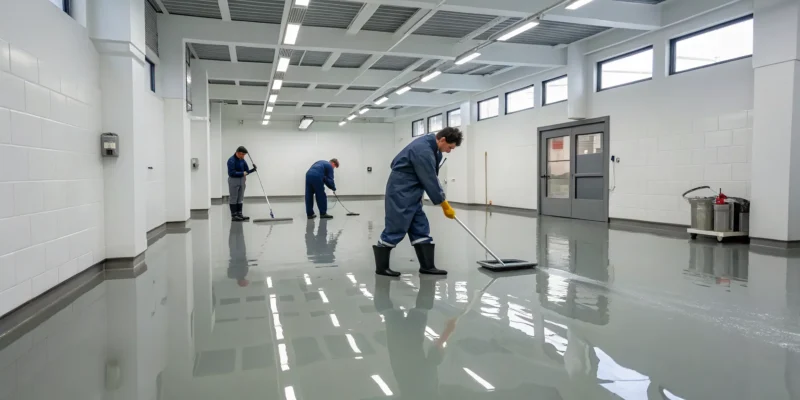
The damage from a sewage backup goes far beyond what you can see. While the immediate issue is the contaminated water, the long-term consequences can include ruined flooring, rotted structural wood, and persistent mold growth. Acting quickly and correctly is the key to protecting your property’s value and avoiding far more expensive repairs down the road. This guide outlines the essential actions to take right away to minimize damage. We’ll explain why a professional emergency sewage cleanup is a critical investment in safeguarding your home or business and ensuring a complete, safe, and lasting recovery from this disaster.
Key Takeaways
- Act on Safety First: Your primary job is to secure the scene, not to start cleaning. Immediately clear the area of people and pets, shut off the power if you can do so safely, and avoid any contact with the contaminated water.
- Leave Cleanup to Certified Pros: Sewage contains hazardous waste that household cleaners cannot properly eliminate. A certified restoration team has the specialized equipment to safely remove contaminants, completely dry the area, and prevent future mold growth.
- Call Your Insurer and a Reputable Restorer: Most standard insurance policies don’t cover sewage backups, so you’ll likely need a specific endorsement. When hiring a cleanup company, look for IICRC certification, 24/7 availability, and experience with insurance claims to make your recovery smoother.
Sewage Backup? Here’s What to Do Right Now
Discovering a sewage backup in your home or business is alarming. It’s not just the mess and the smell; it’s a serious health hazard that needs immediate attention. Raw sewage contains dangerous contaminants that can put your family or employees at risk. In a moment of panic, it can be hard to know what to do first. Taking the right steps in the first few minutes can protect your health and minimize damage to your property.
This guide will walk you through exactly what to do right now. Follow these six steps in order to safely manage the situation until a professional team arrives. Remember, your safety is the top priority. While it’s tempting to start cleaning, this is a job that requires specialized training and equipment. Your role is to secure the area and call for expert help. A professional sewage backup cleanup service has the tools and protective gear to handle the contamination safely and restore your property.
1. Secure the Area
Your first priority is to keep everyone safe. Sewage backups are serious emergencies because they contain harmful germs like viruses and bacteria that can make people very sick. Immediately evacuate the affected area, and make sure children, pets, and anyone with a compromised immune system is kept far away from the contamination.
Close the doors to the affected rooms to help contain the spread of airborne contaminants and foul odors. If the backup is widespread, it may be best to have everyone leave the property until professionals have assessed the situation. Do not attempt to move any items out of the area, as this can cross-contaminate clean parts of your home or business.
2. Turn Off the Power
Water and electricity are a dangerous combination. If there is any standing water, you must turn off the power to the affected area to prevent the risk of electrocution. Go to your home or building’s main circuit breaker panel and switch off the breakers for all rooms impacted by the sewage.
Be extremely cautious. If you need to walk through water to reach the breaker box, do not attempt it. In that case, your safety comes first, and you should wait for a professional restoration team or an electrician to handle it. This is a critical step that protects you and the emergency responders who will be entering your property.
3. Avoid All Contact
It is essential that you avoid all contact with the sewage water. Raw sewage is considered “black water,” the most hazardous category of wastewater. It is filled with pathogens that can cause severe illness if ingested or absorbed through the skin. Do not touch the water or any items that have been saturated by it with your bare hands.
This is not the time for DIY cleanup. Trying to remove the sewage yourself without proper personal protective equipment (PPE) exposes you to serious health risks. Leave the cleanup to certified professionals who are trained in handling biohazards. A proper disaster restoration team will have the right gear to manage the situation safely.
4. Ventilate the Space
While you wait for help to arrive, you can improve the air quality by ventilating the space. If it is safe to do so, open any windows in the affected rooms to allow fresh air to circulate. This helps dissipate the strong, unpleasant odors and reduces the concentration of airborne contaminants. You can also use fans to help push the contaminated air outside, but be sure not to point them directly at the sewage, as this could aerosolize the contaminants.
However, you should turn off your central heating, ventilation, and air conditioning (HVAC) system immediately. Leaving it on can draw contaminants into your ductwork and spread them throughout the entire property, creating a much larger problem.
5. Document the Damage
For insurance purposes, it’s important to document the damage thoroughly. From a safe distance, take plenty of photos and videos with your phone. Capture wide shots of the entire affected area as well as close-ups of the damage to your floors, walls, furniture, and any personal belongings. Make sure your documentation clearly shows the extent of the sewage backup and the items that have been ruined.
This visual evidence will be invaluable when you file an insurance claim. A detailed record helps ensure you receive fair compensation for your losses. Keep these files in a safe place, and be prepared to share them with your insurance adjuster and your restoration company.
6. Call for Professional Help
Finally, and most importantly, call a certified restoration company. Sewage cleanup is a complex and hazardous job that should only be handled by trained and equipped professionals. They have the industrial-grade equipment to extract the sewage, sanitize the area, and dry your property completely to prevent mold growth.
Look for a company that provides fast, 24/7 emergency services, like 911 Restoration of Bakersfield. Our IICRC-certified technicians can be at your property within 45 minutes to begin the sewage backup cleanup process. We handle everything from water extraction and disinfection to repairs and insurance billing, giving you a Fresh Start when you need it most.
The Health Risks of Sewage Exposure
When a sewer line backs up into your home or business, the visible mess is only part of the problem. The water itself, often called “black water,” is a serious health hazard. It’s not just dirty; it’s a toxic mix of waste, chemicals, and disease-causing organisms that can cause significant health issues. This is why it’s critical to treat any sewage backup cleanup as an emergency and avoid all contact with the contaminated area.
The dangers aren’t always obvious. You don’t have to come into direct contact with the liquid to be at risk. Pathogens can become airborne, and lingering moisture creates a perfect breeding ground for other problems like mold. Understanding these risks is the first step in protecting yourself, your family, or your employees. Attempting to clean it up yourself without the right training and protective gear can put you in harm’s way and may not even solve the underlying contamination issue. It’s a job that requires specialized knowledge and equipment to ensure the space is safe again. Let’s break down exactly what you’re up against.
Bacteria, Viruses, and Parasites
Sewage is teeming with harmful microorganisms from human waste. This isn’t just dirt and grime; it’s a soup of pathogens that can make you incredibly sick. We’re talking about dangerous bacteria like E. coli and Salmonella, viruses such as Hepatitis A, and various parasites. These contaminants can cause everything from gastrointestinal distress to more severe, long-term illnesses. Because these germs are invisible to the naked eye, it’s impossible to know what you’re dealing with just by looking at the mess. Every drop of black water should be considered highly infectious and handled with extreme caution.
Risks to Your Skin and Lungs
You don’t have to ingest contaminated water to get sick. Simply touching a surface that has been in contact with sewage can transfer germs to your body. If you have any small cuts or scrapes on your skin, these pathogens have a direct route into your bloodstream, leading to potential infections. Furthermore, as the contaminated water sits, particles can become airborne. Breathing in these aerosolized germs can lead to respiratory infections and other health complications. This is why it’s so important to stay out of the affected area and ensure it is properly ventilated by professionals who have the right safety gear.
Dangers of an Improper Cleanup
Facing a sewage backup can be overwhelming, and your first instinct might be to grab a mop and some bleach. Unfortunately, a DIY cleanup is not only ineffective but also dangerous. Household cleaners are not strong enough to kill the resilient bacteria and viruses found in black water. Without professional-grade sanitizers and equipment, you’re likely leaving behind hidden contaminants that will continue to pose a health risk. Professionals are trained to identify all affected materials, remove them safely, and ensure the area is truly clean and disinfected, giving you peace of mind that your property is safe.
The Threat of Mold Growth
Water damage and mold go hand in hand. The excessive moisture from a sewage backup creates the perfect environment for mold to flourish, often in as little as 24 to 48 hours. Mold can grow behind walls, under flooring, and in other hidden areas, releasing spores into the air you breathe. This can cause allergic reactions, asthma attacks, and other respiratory issues. A proper cleanup isn’t complete until the area is thoroughly dried and dehumidified, a critical step that prevents a secondary mold removal problem from developing down the road.
Who Is Most at Risk?
While sewage exposure is dangerous for everyone, some people are more vulnerable than others. Children, the elderly, pregnant women, and anyone with a compromised immune system face a much higher risk of severe illness from the pathogens in black water. Beyond the biological hazards, the site of a backup presents immediate physical dangers. Submerged electrical outlets or appliances create a serious risk of electrocution. These hidden dangers are another reason why you should never enter a flooded area and always leave the cleanup to trained and equipped professionals who know how to handle the situation safely.
What to Expect From a Professional Sewage Cleanup
When you’re facing a sewage backup, knowing what comes next can bring a sense of relief. A professional restoration company follows a strict, systematic process to ensure your property is not just clean, but truly safe and restored. From the moment they arrive, certified technicians take control of the situation, handling every step with precision and care. The goal is to remove the immediate threat and prevent long-term problems like structural damage and mold. Here’s a look at the step-by-step process you can expect when you call in the experts for sewage cleanup. This structured approach ensures nothing is missed, from initial inspection to final repairs, giving you peace of mind during a stressful time. The team works efficiently to minimize disruption and get your home or business back to normal as quickly as possible. They understand the urgency and the health hazards involved, which is why every stage is handled with the utmost professionalism. You won’t be left wondering what’s happening; a good team will communicate with you throughout the process, explaining their actions and answering your questions. This transparency is key to making a difficult situation more manageable.
Damage Assessment
The first thing a professional team will do is conduct a thorough damage assessment. This isn’t just a quick look around; it’s a detailed inspection to understand the full scope of the problem. Technicians will identify the source of the sewage backup, determine the extent of the contamination, and check how bad the damage is and what materials are affected, from flooring and drywall to personal belongings. This initial evaluation is crucial for creating an effective cleanup plan and providing an accurate estimate for you and your insurance company.
Water and Contaminant Removal
Once the assessment is complete, the team gets to work on removal. Using powerful, specialized equipment like industrial-grade pumps and vacuums, they will extract all standing sewage and contaminated water from your property. During this phase, they will get rid of dangerous germs, bacteria, and other harmful things from the affected areas. Any items that have been saturated by sewage and cannot be safely cleaned, such as carpets, furniture, or drywall, will also be carefully removed and disposed of according to safety regulations.
Sanitizing and Disinfecting
Simply removing the water isn’t enough. To eliminate the serious health risks associated with sewage, the entire affected area must be thoroughly cleaned and sanitized. Professionals use EPA-approved, hospital-grade disinfectants to treat all surfaces. Their mission is to clean, disinfect, and restore your property to make it safe and sanitary again. This step kills harmful bacteria, viruses, and fungi that are invisible to the naked eye. They will also use techniques to deodorize the space, eliminating any lingering foul odors.
Drying and Dehumidifying
After the area is sanitized, it needs to be completely dried. Lingering moisture is the perfect breeding ground for mold, which can cause another major problem. After removing harmful materials and water, technicians will completely dry out and remove moisture from the affected areas using high-powered air movers and commercial-grade dehumidifiers. They will also use moisture meters to ensure every bit of hidden dampness is gone, protecting your property from future mold growth.
Final Repairs and Restoration
The final step is to return your property to its pre-damage condition. This is where the “restoration” part of the service comes in. Depending on the extent of the damage, this may involve minor repairs like replacing a section of drywall or could include major reconstruction, such as installing new flooring and cabinetry. A full-service disaster restoration company can handle all of these repairs, so you don’t have to hire multiple contractors. Their goal is to bring your property back to how it was before the damage, giving you a true Fresh Start.
Does Homeowners Insurance Cover Sewage Backup?
Dealing with a sewage backup is stressful enough without worrying about the cost. One of the first questions homeowners ask is, “Am I covered?” The answer can be complicated, but understanding your policy and knowing what steps to take can make a world of difference. Handling insurance after a disaster is often overwhelming, but you don’t have to do it alone. A professional team can not only restore your property but also help you manage the claims process from start to finish, ensuring you have the right documentation and support to get the coverage you’re entitled to.
Understanding Your Standard Policy
Here’s the hard truth: most standard homeowners insurance policies do not cover damage from a sewage backup. This is an exclusion that catches many people by surprise. Typically, these policies are designed to cover sudden and accidental water damage from internal sources, like a burst pipe inside your home. However, when water or sewage backs up from an outside drain or sewer line, it falls into a different category. To be protected from this specific type of disaster, you almost always need to add extra coverage to your policy. It’s a good idea to review your policy or call your agent to see exactly what your plan includes.
The Importance of a Sewer Backup Endorsement
To get coverage, you’ll likely need a special add-on called a “sewer backup endorsement” or “water backup rider.” This extra protection is specifically designed to cover losses from overflowing drains and backed-up sewers. These incidents are more common than you might think. Heavy rainfall can easily overwhelm municipal sewer systems, forcing contaminated water back into homes. Another frequent cause is blockages in city pipes from grease, oils, and non-flushable items like wet wipes. Adding this endorsement is a proactive way to protect your property and finances from the high costs of a sewage cleanup.
How to File Your Claim
If you have a sewer backup endorsement and need to file a claim, act quickly. The first thing you should do is notify your insurance company or agent as soon as it’s safe. Before any cleanup begins, thoroughly document the damage. Take plenty of photos and videos of the affected area, the standing sewage, and any damaged belongings. This visual evidence is crucial for your claim. Keep a detailed log of everyone you speak with at your insurance company, and save all receipts for any immediate expenses you incur, like temporary housing. This preparation will make the claims process much smoother.
How a Pro Can Help With Insurance
Trying to handle a sewage disaster and an insurance claim on your own can be a nightmare. A professional restoration company is your best ally in this situation. At 911 Restoration of Bakersfield, we do more than just clean up the mess. We provide expert documentation of the damage, including moisture readings and a detailed scope of work that your insurance adjuster will need. We can communicate directly with your insurance company and even handle the billing, taking that stress off your plate. Our IICRC-certified team ensures the disaster restoration is done right, preventing future issues like mold and securing your property for a successful recovery.
How to Choose the Right Sewage Cleanup Company
When you’re facing a sewage backup, the last thing you want to do is spend hours vetting companies. But choosing the right team is one of the most important decisions you’ll make. The quality of the cleanup directly affects your family’s health and the long-term safety of your home. A hasty choice could lead to lingering contamination, mold growth, and even more expensive repairs down the road. To make the process a little easier, focus on a few key qualifications. Look for a company with the right certifications, round-the-clock availability, and a solid local reputation. A professional team will not only handle the mess but also guide you through the entire restoration, from the initial assessment to dealing with your insurance company.
Check for IICRC Certification
First things first, you need to know if the team is qualified to handle hazardous waste. That’s where the Institute of Inspection, Cleaning and Restoration Certification (IICRC) comes in. This organization sets the industry standards for restoration and cleanup. When a company is IICRC-certified, it means their technicians have undergone extensive training to safely and effectively manage situations like sewage backups. They know the proper procedures for removing contaminated water, sanitizing surfaces, and ensuring your home is truly clean. Don’t be afraid to ask for proof of certification; a reputable company will be proud to provide it. It’s your assurance that the job will be done right.
Look for 24/7 Availability
A sewage emergency doesn’t stick to business hours, and your cleanup company shouldn’t either. When water is backing up into your home, every minute counts. The longer sewage sits, the more it soaks into floors, walls, and furniture, causing extensive and costly damage. That’s why you need a company that offers 24/7 emergency services and can promise a fast arrival time. At 911 Restoration of Bakersfield, we guarantee we’ll be there within 45 minutes of your call. Immediate action is critical for minimizing damage and getting your property on the path to recovery, so find a team that’s ready to respond the moment you need them for sewage cleanup.
Ask for Transparent Pricing
The stress of a sewage backup is enough to handle without worrying about hidden fees and surprise charges. A trustworthy restoration company will be upfront and transparent about costs from the very beginning. After an initial inspection, they should provide you with a detailed estimate that clearly outlines the scope of work and all associated expenses. This includes costs for water extraction, decontamination, drying, and any necessary repairs. This transparency allows you to understand exactly what you’re paying for and helps you make informed decisions. It’s a sign of a professional company that values honesty and customer trust.
Verify Local Experience
Choosing a local company offers more than just a faster response time. A team that is based in and serves the Bakersfield area will be familiar with our community’s specific needs. They understand local regulations, common property types, and the unique challenges that can arise in Kern County. A local business also has a reputation to maintain right here at home, which often translates to higher quality service and greater accountability. When you work with a company that serves your neighbors in areas like Arvin, Delano, and Tehachapi, you’re working with a team that is invested in the community. You can check a company’s local presence by looking at their service areas.
Confirm They Handle Insurance Claims
Figuring out your insurance policy is probably the last thing you want to do during an emergency. That’s why finding a cleanup company that offers direct assistance with insurance claims is a game-changer. Many professional restoration companies can work directly with your insurance provider, which takes a huge weight off your shoulders. They can help document the damage, submit the necessary paperwork, and communicate with your adjuster to ensure the process goes as smoothly as possible. This kind of support is invaluable when you’re trying to get your life back to normal. Before you hire anyone, confirm they can help you with the insurance claims process.
Frequently Asked Questions
Is it safe to clean up a small sewage spill myself with bleach? No, you should never try to clean up sewage yourself, even if it seems like a small amount. Household bleach is not strong enough to kill all the dangerous bacteria and viruses found in black water. More importantly, the process can expose you to serious health risks through skin contact or by breathing in contaminated air. Professionals use special equipment and hospital-grade sanitizers to make sure the area is truly safe and disinfected. It is a job that always requires an expert.
How long will the professional cleanup and restoration take? The timeline really depends on the extent of the damage. A minor backup in a small area might only take a day or two for extraction and drying. However, if the sewage has soaked into walls and flooring, the process will be longer. It could involve several days for thorough drying and then additional time for repairs or reconstruction. A professional team will give you a more precise timeline after they assess the situation at your property.
What happens to my furniture and personal items that were in the contaminated area? Your safety is the priority, so you should not touch or move any items that have come into contact with sewage. The professional restoration team will assess everything during their inspection. They can often salvage hard, non-porous items by cleaning and sanitizing them. Unfortunately, porous materials like carpets, upholstered furniture, and mattresses usually cannot be safely cleaned and will need to be disposed of properly. The team will document everything for your insurance claim.
The smell is awful. Is it just unpleasant, or is it actually harmful? The smell itself is a sign of a bigger problem. Those odors are caused by gases released from the sewage, which can contain harmful airborne bacteria and contaminants. While ventilating the area by opening windows can help temporarily, it does not solve the root issue. A professional cleanup includes deodorization using special equipment to neutralize the odor-causing particles, ensuring the smell is gone for good and the air is safe to breathe again.
My insurance agent told me I’m not covered. What are my options? This is a tough situation, but it is unfortunately common if you do not have a specific sewer backup endorsement on your policy. The first step is to prevent further damage by getting a professional cleanup team on site immediately, even if you have to pay out of pocket. The cost of not acting, which could lead to structural damage and mold, is far greater. A good restoration company can still provide detailed documentation and may offer payment plans to help manage the financial burden.
