A Homeowner’s Guide to Emergency Leak Repair
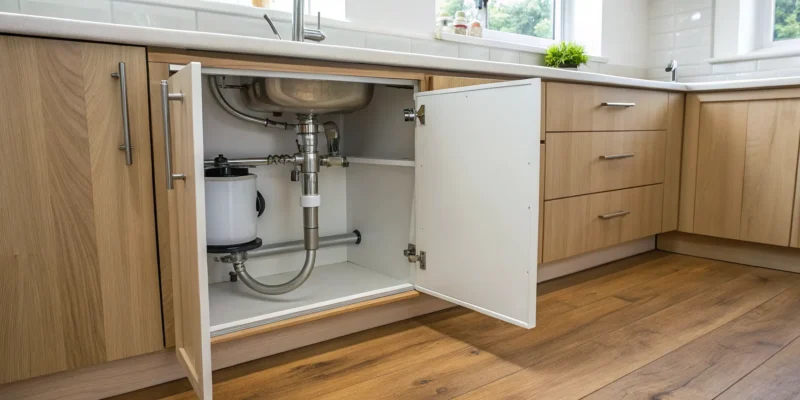
A dramatic pipe burst is an obvious crisis, but some of the most destructive leaks are the ones you don’t see. A slow drip behind a wall, a cracked pipe under the foundation, or a hidden leak in the attic can go unnoticed for weeks, silently causing rot and creating a haven for mold. By the time you notice a musty smell or a warped floorboard, the damage is already done. This is why professional emergency leak repair is so critical. It’s not just about mopping up a visible puddle; it’s about having the expertise and technology to find and fix the hidden source.
Key Takeaways
- Treat every leak as urgent: Water damage happens in hours, not days, so a fast response is your best tool for preventing serious issues like structural rot and mold.
- Recognize the red flags for an emergency: If you’re dealing with major flooding, contaminated water from a sewage backup, or any water near electrical outlets, it’s not a DIY job; these situations require immediate professional help to ensure your safety.
- Look for credentials and comprehensive support: The best restoration companies are IICRC-certified, offer 24/7 availability with a fast response, and provide direct help with your insurance claim, a combination of skill and support that simplifies the entire process for you.
When Does a Leak Become an Emergency?
Let’s be honest, finding a leak is never a good feeling. That initial drop in your stomach is quickly followed by a rush of questions. Is this a big deal? Can I fix it myself? How do you know if you’re dealing with a minor annoyance or a full-blown crisis? The truth is, any uncontrolled water in your home has the potential to become an emergency. Water doesn’t wait. It can saturate drywall, warp floorboards, and compromise your home’s structure in a matter of hours, not days. The longer water sits, the greater the risk of secondary issues like stubborn odors and the kind of mold growth that requires professional attention.
An emergency isn’t just about a dramatic gush of water from a burst pipe, though that certainly qualifies. It’s also about the type of water and where the leak is located. A slow, hidden drip inside a wall can cause just as much long-term harm as a visible flood. A leak involving contaminated water, like from a sewage line, is an immediate health hazard that needs to be addressed by certified experts. The key is to recognize that time is your biggest enemy. Acting fast is the single most important thing you can do to protect your property and your peace of mind. If you feel a sense of panic or are unsure of the source, it’s always better to treat it as an emergency and call for help.
Common culprits: Plumbing and roof leaks
The most frequent offenders are often the ones we use every day. A pipe under the sink suddenly gives way, a toilet supply line fails, or an old water heater finally springs a leak. These plumbing issues can release a surprising amount of water very quickly, turning your kitchen or bathroom into a shallow pool. Similarly, a roof leak might start as a small, discolored spot on your ceiling after a storm. While it may seem minor, that stain is a clear sign that water is getting through your home’s primary defense. Because these problems can happen at any time, day or night, they require immediate water damage restoration to prevent the damage from spreading throughout your home.
Hidden dangers: Sewage, appliance, and HVAC leaks
Some of the most destructive leaks are the ones you don’t see right away. A slow leak from a dishwasher hose, a cracked drain pipe behind a wall, or a clogged condensation line from your HVAC system can go unnoticed for weeks. This allows moisture to soak into subfloors and drywall, creating a perfect environment for mold. Even more serious is a sewage backup, which introduces harmful bacteria and contaminants into your living space. This is never a DIY situation and is always an emergency due to the significant health risks involved. Professionals have specialized tools to find these hidden leaks, even under concrete slabs, and safely handle any hazardous cleanup.
Found a Leak? Here Are Your First 4 Steps
Discovering a water leak can send anyone into a panic, but taking a deep breath and acting quickly can make a huge difference. These four immediate steps will help you control the situation and minimize the damage to your property.
Step 1: Turn off the water and power
Before you do anything else, stop the flow of water. You’ll need to find your home’s main water shut-off valve. It’s often located in a basement, crawl space, garage, or on an exterior wall. Turn the valve clockwise until it’s completely closed. If the leak is significant or near electrical outlets and appliances, go to your breaker box and shut off the power to the affected area. Your safety is the number one priority, so never risk contact with water that could be electrically charged.
Step 2: Contain the water and protect your things
Once the immediate danger is handled, do what you can to contain the water. Use buckets to catch drips and towels or mops to soak up puddles on the floor. This helps prevent the water from spreading further and seeping into subfloors or drywall. If you can do so safely, move furniture, rugs, electronics, and other personal belongings out of the wet area. Protecting your valuables now can save them from irreversible harm while you wait for professional water damage restoration.
Step 3: Document the damage for your records
Grab your phone and start taking pictures and videos. Document the source of the leak if you can see it, as well as all the areas and items affected by the water. Get wide shots of the room and close-ups of soaked carpets, damaged walls, and ruined furniture. This visual evidence is incredibly important for your insurance claim. A clear record of the damage as you found it will make the claims process much smoother down the road.
Step 4: Call your insurance provider
With the situation under control, your next call should be to your insurance agent. Let them know what happened so you can start the claims process and understand what your policy covers. They can provide guidance on what to do next. Your second call should be to a certified restoration team. A professional crew can handle every aspect of the cleanup, from water extraction to repairs and mold prevention. An experienced disaster restoration company can also work directly with your insurance provider, simplifying the process for you.
The Real Cost of Ignoring a Water Leak
It’s tempting to put a bucket under a small drip and add “fix leak” to your to-do list for later. But delaying the repair can turn a minor annoyance into a major financial headache. Water damage doesn’t wait, and the consequences of ignoring a leak go far beyond a soggy patch on the ceiling. From compromising your home’s structure to creating serious health and safety risks, the true cost of procrastination is always higher than a prompt repair. Let’s look at what’s really at stake when you let a leak go unchecked.
Damage to your home’s structure
That persistent drip isn’t just water; it’s a threat to the very bones of your house. Over time, water seeps into drywall, insulation, and wooden beams, causing them to swell, warp, and rot. The American Society of Home Inspectors warns that this can compromise your home’s structural integrity, leading to sagging ceilings, buckled floors, and even foundation problems. What starts as a simple leak can weaken your home from the inside out, resulting in complex and expensive repairs. Addressing water damage restoration quickly is the only way to protect your property’s stability and value.
The risk of mold growth
Where there’s moisture, there’s often mold. A persistent leak creates the damp, dark environment that mold loves, and it can start growing in as little as 24 to 48 hours. According to the CDC, mold can trigger a range of health problems, from allergic reactions and asthma attacks to more serious respiratory issues. The longer you wait, the more it spreads, hiding behind walls and under floors. The best way to prevent mold is to control moisture, which means fixing leaks immediately. If you suspect growth, professional mold removal is essential to ensure your home is safe and healthy for your family.
Serious electrical hazards
Water and electricity are a life-threatening combination. If a leak reaches your home’s electrical system, it can create an incredibly dangerous situation. The National Fire Protection Association (NFPA) provides electrical safety resources that highlight how water can damage wiring, cause short circuits, and lead to electrical shocks or even fires. Never touch electrical appliances or outlets in a flooded area. If you have a leak near any wiring, your first step should always be to shut off the power at the breaker box. Protecting your family from these hidden dangers is another critical reason to treat every leak as an urgent matter.
DIY vs. Pro: When to Call for Help
When you find a leak, your first instinct might be to grab a bucket and some tools. A can-do attitude is great, but it’s important to know when a problem is bigger than a simple DIY fix. Making the wrong call can lead to more extensive damage, costly repairs, and even safety hazards. Knowing the difference between a minor issue and a major emergency will help you protect your home and your wallet. Let’s walk through the signs that tell you when to call for backup.
Signs you need a professional right now
Some situations are too dangerous or complex to handle on your own. If you see any of these red flags, it’s time to call a professional immediately. Widespread flooding from a burst pipe, for example, requires an emergency response. You should also call for help if water has been standing for more than 24 hours, as this creates a perfect environment for mold. If the water is discolored or has an odor, you could be dealing with a sewage backup, which contains harmful bacteria and needs specialized cleaning. Finally, if water is anywhere near electrical outlets, breaker boxes, or appliances, stay away and call for help to avoid a serious electrical hazard.
When a temporary DIY fix is okay (for now)
Not every leak is a full-blown crisis. If you catch a small, slow drip under a sink or notice your toilet is constantly running, you might be able to manage a temporary fix. These smaller issues are often your first clue that something is wrong. You might also notice signs of a hidden leak, like a sudden spike in your water bill, the faint sound of running water when all faucets are off, or a small, damp spot appearing on a wall or ceiling. While these don’t require a panicked call at 3 a.m., they shouldn’t be ignored. A temporary patch or careful monitoring can buy you time, but you should still plan to have a professional find and fix the root cause.
Why pros handle serious leaks best
When it comes to significant water issues, professionals bring expertise and equipment that you just don’t have in your garage. They use tools like moisture meters and infrared cameras to find hidden water without tearing your walls apart. After a leak, they don’t just mop up the visible water; they use industrial-grade air movers and dehumidifiers to completely dry out your home’s structure. This comprehensive approach is crucial to prevent secondary damage like mold. A certified team understands the entire water damage restoration process, from water extraction and drying to repairing the damage and ensuring your home is safe and sound.
How to Choose the Right Emergency Leak Repair Service
When you’re standing in a puddle in your living room, choosing a repair service can feel overwhelming. The key is to know what to look for before you even have to make that call. A water emergency is stressful enough without the added worry of hiring the wrong team. The right company won’t just fix the leak; they will manage the entire cleanup and restoration process, giving you peace of mind. Look for a service that combines technical skill with excellent customer support. This means finding certified professionals who are not only available 24/7 but also communicate clearly and help you with the complexities of insurance claims. Your goal is to find a partner who can get your home back to normal quickly and correctly.
Around-the-clock availability and a fast response
Water damage doesn’t stick to a 9-to-5 schedule, and neither should your restoration company. When a pipe bursts at 2 a.m., you need a team that answers the phone and is ready to act immediately. The longer water sits, the more damage it causes to your floors, walls, and foundation. That’s why you should prioritize companies that guarantee 24/7 availability and a rapid response time. A company that promises to arrive within an hour, like 911 Restoration of Bakersfield’s 45-minute arrival, shows they understand the urgency. This commitment to speed is your first line of defense against extensive disaster restoration needs and long-term problems like mold.
IICRC certification and proven experience
Not all restoration companies are created equal. To ensure you’re getting a true professional, look for IICRC certification. The Institute of Inspection, Cleaning and Restoration Certification is the industry’s gold standard, meaning the technicians have been trained in the latest techniques for water removal, drying, and property restoration. An IICRC-certified team knows how to handle everything from a simple leak to a major flood safely and effectively. This certification is proof that the company invests in proper training and is committed to quality work. When you hire certified experts, you can trust that your water damage restoration will be handled correctly from start to finish.
Clear pricing and services
During an emergency, the last thing you need is a surprise bill. A trustworthy restoration company will be transparent about its pricing and services from the very beginning. Avoid any service that gives you a vague quote over the phone or is hesitant to put costs in writing. A professional team will typically start with a free on-site inspection to assess the full scope of the damage. Afterward, they should provide you with a detailed estimate that breaks down the costs for water removal, drying, repairs, and any other necessary services. This transparency allows you to make an informed decision without pressure and shows the company operates with integrity.
Help with insurance claims
Dealing with a water leak is stressful enough; filing an insurance claim on top of it can be a nightmare. That’s why finding a restoration company that offers direct assistance with insurance claims is a game-changer. These companies understand the documentation and evidence insurance providers require, and they can handle the communication for you. They can bill your insurance company directly, saving you from paying large sums out of pocket. This support not only simplifies the process but also helps ensure your claim is processed smoothly and you get the coverage you’re entitled to. It’s a crucial service that separates a good company from a great one.
Bilingual support
Clear communication is essential during a crisis. If you or a family member is more comfortable speaking a language other than English, finding a company with bilingual support can make a world of difference. In a diverse community like Kern County, a restoration service that offers support in multiple languages, such as English and Spanish, shows a deep commitment to serving everyone. It ensures that you understand every step of the restoration process, from the initial assessment to the final repairs. This level of inclusive customer care helps build trust and provides comfort when you need it most, ensuring no detail is lost in translation. It’s a sign of a company that truly cares about the service areas it covers.
What to Expect from a Professional Leak Repair
Calling for help with a leak can feel stressful, but knowing what to expect can bring some peace of mind. A true professional restoration company doesn’t just show up with a bucket and a mop. They follow a systematic process to address the immediate problem and prevent future issues, guiding you every step of the way. From the moment they arrive, their goal is to get your home back to normal safely and efficiently. Here’s a look at the four key stages of a professional leak repair and restoration service.
Step 1: A thorough inspection to find the source
The first thing a certified technician will do is a detailed inspection. The goal isn’t just to find the water but to pinpoint the exact source of the leak. A small puddle in your living room could be coming from a pipe in the wall, a leak in the roof, or even an issue under your home’s foundation. Professionals use specialized equipment to trace the path of the water and identify the origin without causing unnecessary damage to your property. This detective work is a critical part of the water damage restoration process because fixing the source ensures the problem won’t come back a week later.
Step 2: Water removal and structural drying
Once the leak is stopped, the team gets to work on removing the water. This is a race against the clock, as standing water can quickly damage your home’s structure and create an environment for mold. Professionals use powerful, commercial-grade pumps and vacuums to extract all standing water. Afterward, they bring in industrial air movers and dehumidifiers to thoroughly dry out everything, including walls, flooring, and even the air itself. This structural drying process is far more effective than just opening a window, as it removes hidden moisture that could cause long-term problems.
Step 3: Damage assessment and full restoration
With the water gone and the area dry, the team can assess the full extent of the damage. This involves checking drywall, insulation, flooring, and other materials to see what can be salvaged and what needs to be replaced. A full-service restoration company will then handle all the necessary repairs, from replacing a section of drywall to installing new flooring. The objective of a complete disaster restoration is to return your property to its pre-leak condition, making it feel like the emergency never happened. They will provide clear options and keep you informed throughout the reconstruction phase.
Step 4: Mold prevention and removal
Water damage and mold growth go hand in hand, which is why this final step is so important. Any area that was exposed to moisture is at risk. A professional team will apply antimicrobial treatments to the affected areas to prevent mold from taking hold. If mold has already started to grow, they will perform a safe and thorough mold removal service. This not only protects the structural integrity of your home but also safeguards your family’s health from the potential risks associated with mold exposure. This final check ensures your home is clean, safe, and truly restored.
5 Common Leak Repair Myths (and Why They’re Wrong)
When you’re dealing with a leak, misinformation can be just as damaging as the water itself. Let’s clear up a few common myths that can lead homeowners down the wrong path and cause even more trouble.
Myth #1: “A little tape or sealant will fix it.”
It’s tempting to reach for duct tape or a caulk gun when you spot a drip. A quick patch seems like an easy win, right? While it might stop the dripping for a little while, this is only a temporary fix that masks a bigger problem. The American Society of Home Inspectors warns that these patches don’t replace the need for proper repairs. The real issue is the source of the leak, which could be a corroded pipe, a loose connection, or a crack that will only get worse. Covering it up allows pressure to build and water to find a new, potentially more destructive, path. It’s always better to find and fix the root cause instead of just patching the symptom.
Myth #2: “If I can’t see water, there’s no problem.”
This is one of the most dangerous assumptions a homeowner can make. Just because you don’t see puddles doesn’t mean your home is dry. Leaks often start behind walls, above ceilings, or under floorboards, going unnoticed for weeks or even months. By the time you spot a stain or smell a musty odor, hidden mold and rot could already be causing significant damage. The Environmental Protection Agency points out that hidden leaks are a serious threat. Pay attention to other signs, like a sudden spike in your water bill, peeling paint, or warped flooring. These clues can help you catch a hidden leak before it turns into a full-blown disaster.
Myth #3: “Emergency service is too expensive.”
Worrying about the cost of an emergency call is completely understandable. But here’s the thing: waiting almost always costs more. A small, manageable leak can quickly escalate, saturating drywall, warping wooden beams, and creating a perfect breeding ground for mold. What could have been a straightforward repair can turn into a massive restoration project. According to the Institute for Business & Home Safety, acting quickly can save homeowners thousands of dollars in secondary damages. Think of an emergency call as an investment. You’re spending a little now to prevent a much bigger, more expensive headache down the road. It protects your property and your wallet in the long run.
Myth #4: “My insurance policy covers everything, no matter what.”
Many homeowners believe their insurance is a safety net that will catch any and all water-related issues. Unfortunately, that’s not always the case. Most standard policies have specific rules about what they cover. The Insurance Information Institute notes that water damage from a sudden, accidental event (like a burst pipe) is usually covered. However, damage that results from a slow leak you failed to repair is often considered a maintenance issue and may not be covered at all. This is why it’s so important to address leaks immediately and document everything. Don’t assume you’re covered; know your policy and act fast to stay on the right side of its conditions.
Myth #5: “All restoration companies are the same.”
When you’re stressed about a leak, it’s easy to think that any company you call will do. The truth is, the quality of service, expertise, and technology can vary dramatically. A handyman might stop a leak, but are they equipped to dry out your structure, prevent mold, and restore your home? The Restoration Industry Association stresses the importance of choosing a certified and reputable restoration company to ensure the job is done right. Look for IICRC-certified professionals who offer comprehensive services, from water extraction and drying to full-scale repairs. The right team doesn’t just fix the leak; they give you back your home and your peace of mind.
Why Kern County Homeowners Trust 911 Restoration of Bakersfield
When your home is damaged, you need more than just a quick fix. You need a team you can rely on to show up fast, do the job right, and support you through the entire process. For homeowners across Kern County, that trusted partner is 911 Restoration of Bakersfield. It’s not just about their technical skills; it’s about their commitment to providing a “Fresh Start” with compassion and care. From their rapid response time to their willingness to handle the complexities of insurance, they’ve built a reputation for being there when it matters most. Let’s look at a few of the reasons why your neighbors choose them for their restoration needs.
A 45-minute response, day or night
When you have water pouring into your home, every minute counts. Waiting for help to arrive can mean the difference between a minor repair and a major catastrophe. That’s why 911 Restoration of Bakersfield guarantees a 45-minute arrival time, 24 hours a day, seven days a week. This rapid response is critical for minimizing the immediate mess and preventing long-term problems. Getting a team on-site quickly helps stop the spread of water, which in turn reduces the risk of structural damage and dangerous mold growth. It’s a promise that gives you peace of mind, knowing that help is truly on the way.
Certified experts for a complete restoration
Fixing a leak is one thing, but restoring your home to its pre-damage condition requires true expertise. The team at 911 Restoration of Bakersfield is IICRC-certified, meaning they are trained in the industry’s highest standards for cleaning and restoration. This certification ensures they have the knowledge to handle any situation, from a straightforward plumbing leak to the complex aftermath of a fire. Their comprehensive approach to water damage restoration means they don’t just remove the water; they dry, dehumidify, and repair your home, making it safe and comfortable again. You can trust that the job will be done completely and correctly.
We handle the insurance paperwork for you
Dealing with a home emergency is stressful enough without adding confusing insurance claims to your plate. 911 Restoration of Bakersfield takes this burden off your shoulders by offering to handle the insurance paperwork for you. They work directly with your provider to document the damage, file the claim, and manage the process from start to finish. This invaluable service allows you to focus on what’s important: your family and getting your life back to normal. Their experience with disaster restoration claims helps ensure everything is filed correctly, making the entire experience smoother and less overwhelming for you.
Bilingual service for our community
Clear communication is essential during a crisis. Recognizing the diverse community here in Kern County, 911 Restoration of Bakersfield proudly offers bilingual services in both English and Spanish. This commitment ensures that every homeowner can clearly explain their situation, understand the restoration process, and feel confident in the help they are receiving. It’s a reflection of their dedication to serving all members of their community with respect and understanding. By removing language barriers, they make sure everyone in their service areas has equal access to fast, professional, and compassionate care when they need it most.
Frequently Asked Questions
How do I know if my small leak is actually a big emergency? The best rule of thumb is to treat any uncontrolled water in your home as a potential emergency. While a gushing pipe is an obvious crisis, a slow drip inside a wall can cause just as much long-term harm by rotting wood and inviting mold. If the water is discolored or has an odor, it could be from a sewage line, which is always an emergency due to health risks. If you feel overwhelmed or are unsure of the source, it’s always better to call for professional help right away.
I can’t find my main water shut-off valve. What should I do? First, take a deep breath. The valve is usually located where the main water line enters your house, often in a garage, basement, crawl space, or on an exterior wall. If you still can’t find it, or if it won’t turn, your next step is to call a professional restoration company or an emergency plumber immediately. They can locate it for you and stop the water flow, which is the most critical step in preventing further damage.
Will my homeowners insurance cover the damage from a leak? It depends on your specific policy and the cause of the leak. Most insurance policies cover damage from sudden and accidental events, like a burst washing machine hose. However, they often do not cover damage that results from a slow, ongoing leak that you failed to repair, as that is typically considered a maintenance issue. This is why it’s so important to act fast, document everything with photos, and call a restoration company that can help you with the claims process.
Can I just use a shop vac and some fans to dry out a wet carpet? While that might seem like a good first step, it’s not enough to prevent long-term problems. A shop vac can’t remove water from the carpet padding and subfloor, and household fans don’t have the power to pull deep, hidden moisture out of drywall and wood. Professionals use industrial-grade air movers and dehumidifiers to completely dry the structure of your home. This is the only way to reliably prevent the kind of hidden mold growth and rot that can happen after a leak.
Why does the drying process take so long after the water is gone? Removing the visible water is just the first step. The real work is in drying out everything you can’t see, like the subfloor, wall cavities, and insulation. This structural drying process is essential for preventing mold, which can start to grow in as little as 24 hours. Certified technicians use specialized equipment to monitor moisture levels and ensure every part of the affected area is returned to a safe, dry state. It’s a careful and scientific process that protects your home’s structure and your family’s health.
