What Do Biohazard Cleanup Companies Actually Do?
Once the first responders leave, you’re often left with a quiet, overwhelming scene and a critical question: what do I do now? The aftermath of a crime, trauma, or unattended death leaves behind hazardous materials that require specialized handling. It’s a situation no one is ever prepared for, and knowing who to call for help is the most important next step. This is not a job for a regular cleaning service or a DIY project. You need certified professionals who are trained for this exact type of work. This guide will help you understand the role of biohazard cleanup companies and how to choose the right one.
Key Takeaways
- Prioritize safety by hiring certified pros: Biohazard cleanup is not a DIY task because of serious health risks. Always choose an IICRC-certified company that follows strict safety protocols to ensure the job is done correctly and safely.
- Expect a multi-step restoration process: Professional cleanup is more than just wiping surfaces; it involves a thorough process of containment, removal of hazardous materials, deep disinfection, and final testing to guarantee the area is completely safe.
- Check your insurance coverage before paying: Don’t assume biohazard cleanup is an out-of-pocket expense. Many property insurance policies provide coverage, and a reputable restoration team can help you file the claim.
What Does a Biohazard Cleanup Company Do?
When you hear the term “biohazard,” your mind might jump to scenes from a movie. But in reality, biohazardous situations can happen in any home or business, and they require a very specific and careful response. A biohazard is any biological substance that poses a threat to the health of living organisms, primarily humans. This can include medical waste, microorganisms, viruses, or toxins.
A professional biohazard cleanup company does more than just clean. They are trained specialists who safely remove and dispose of hazardous materials, then disinfect and restore the area to make it safe again. These situations are often emotionally taxing and physically dangerous, and handling them requires expertise, specialized equipment, and a deep respect for the people involved. Let’s look at some of the specific services these teams provide.
Crime Scene and Trauma Scenes
After law enforcement has finished their investigation, a crime or trauma scene can be left with blood, bodily fluids, and other biological materials. These materials can carry dangerous pathogens and pose a serious health risk. A biohazard cleanup team is trained to handle these sensitive situations with the utmost professionalism and discretion. They follow strict protocols to remove all traces of biological contaminants, clean and sanitize the affected area, and properly dispose of all hazardous waste. Their goal is to restore the environment to a safe, clean state so you can begin to move forward without facing the physical reminders of a traumatic event.
Unattended Death Cleanup
Discovering a loved one who has passed away is a deeply painful experience, and the situation becomes even more complicated from a safety perspective when the death was unattended for some time. Decomposition creates biohazardous conditions that are unsafe for anyone without proper training and protection to handle. A certified cleanup crew approaches these scenes with compassion and care. They work discreetly to manage the cleanup process from start to finish, which includes removing all biological matter, thoroughly disinfecting the space to eliminate bacteria and viruses, and performing deep odor removal. This professional service allows grieving families to focus on healing without the additional trauma of cleaning.
Sewage and Infectious Disease Decontamination
A sewage backup is more than just a messy plumbing problem; it’s a serious health hazard. Raw sewage contains a dangerous mix of bacteria, viruses, and parasites that can cause severe illness. Professional teams provide complete sewage backup cleanup by safely extracting the waste, drying the structure, and applying antimicrobial treatments to sanitize the area. Similarly, spaces contaminated by infectious diseases require a specialized approach to decontamination. Following strict health and safety guidelines, technicians use hospital-grade disinfectants and proven methods to eliminate pathogens from surfaces, ensuring the property is safe for everyone to re-enter.
Hoarding and Clandestine Drug Labs
Hoarding situations often hide significant biohazards beneath the clutter, including spoiled food, animal or human waste, mold growth, and pest infestations. Cleaning these properties requires more than just throwing things away; it involves a careful process of sorting, removing hazardous materials, and deep cleaning the structure. Clandestine drug labs present another layer of extreme danger, with risks from volatile chemical residues, toxic substances, and even potential explosions. Professionals trained in disaster restoration have the right protective gear and knowledge to safely clear these hazardous environments, neutralize chemicals, and restore the property to a safe and livable condition.
Debunking Common Biohazard Cleanup Myths
When you’re facing a traumatic event, misinformation can add even more stress to an already difficult situation. It’s easy to make assumptions about the cleanup process, especially regarding safety, qualifications, and cost. Let’s clear up a few common myths so you can make the safest and most informed decision for your property and everyone in it.
Myth: “I can clean this up myself.”
It’s completely understandable to want to take immediate action and handle a situation on your own. However, when it comes to biohazards, a DIY approach is incredibly risky. Materials like blood, bodily fluids, and sewage contain harmful pathogens that can cause serious illness if not handled correctly. Without professional training, specialized equipment, and proper personal protective gear (PPE), you could expose yourself and others to invisible dangers. Certified technicians are trained to contain the area, safely remove all hazardous materials, and completely disinfect the space, ensuring no microscopic threats are left behind. It’s a job that requires expertise to guarantee the area is truly safe again.
Myth: “Any cleaning service can handle it.”
There’s a significant difference between a standard cleaning service and a professional biohazard remediation company. While a janitorial service can make a space look clean, they aren’t equipped or certified to handle hazardous materials. Biohazard cleanup must follow strict guidelines from agencies like OSHA and the EPA to ensure proper decontamination and disposal. Companies like 911 Restoration of Bakersfield have IICRC-certified technicians who specialize in disaster restoration. They use specific protocols, industrial-grade disinfectants, and testing methods to verify that a space is not just visually clean but biologically safe for occupants. Hiring an unqualified service can lead to incomplete decontamination, posing long-term health risks.
Myth: “My insurance won’t cover this.”
Don’t let the fear of cost prevent you from calling for professional help. Many people assume that biohazard cleanup is an out-of-pocket expense, but that isn’t always the case. A surprising number of homeowner’s and commercial property insurance policies do provide coverage for trauma and biohazard remediation, especially when it’s linked to a covered event like a crime scene or sewage backup. The best first step is to review your policy or call your insurance agent to understand your coverage. A reputable restoration company can also help you through this process. We offer direct insurance claim support to make the experience as smooth and stress-free as possible.
Key Safety Protocols for Biohazard Cleanup
When dealing with something as serious as biohazardous materials, safety isn’t just a suggestion; it’s a strict requirement. Professional cleanup isn’t just about making a space look clean. It’s about following a precise set of protocols to ensure the area is completely sanitized and safe for you, your family, or your employees. These procedures protect both the technicians doing the work and anyone who enters the property afterward. This is what separates a certified team from a standard cleaning service.
Adhering to OSHA, EPA, and CDC Guidelines
Professional biohazard cleanup is a regulated industry for a reason. Reputable companies operate under strict guidelines from federal organizations like the Occupational Safety and Health Administration (OSHA), the Environmental Protection Agency (EPA), and the Centers for Disease Control and Prevention (CDC). These rules dictate everything from how to handle contaminated materials to the proper disinfectants to use. Following these standards ensures that the job is done correctly and safely, eliminating health risks. When a company commits to this level of disaster restoration, you can trust that your property is in capable hands.
Using Personal Protective Equipment (PPE)
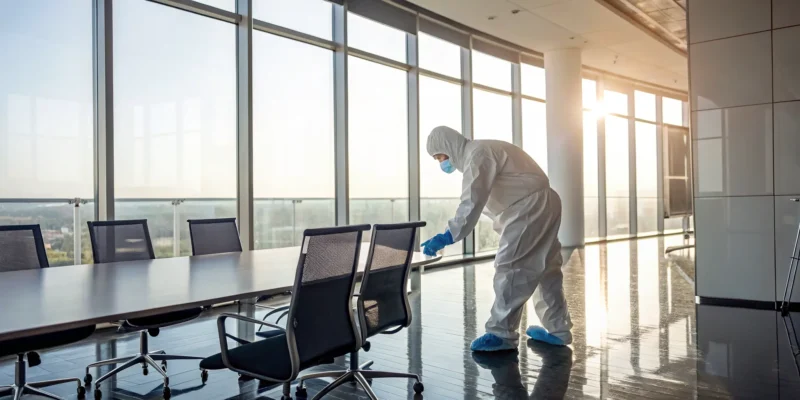
You’ve probably seen images of technicians in full white suits, and that gear is more than just for show. Personal Protective Equipment (PPE) is the first line of defense against exposure to dangerous pathogens. This goes far beyond simple gloves and a mask. A professional team uses full-body suits, respirators, eye protection, and multiple layers of gloves to create a complete barrier. This equipment prevents technicians from getting sick and stops them from accidentally spreading contaminants to other areas of your property. Proper use of PPE is a clear sign that a team is trained to handle hazardous situations like sewage cleanup safely.
Disposing of Biohazardous Waste Correctly
One of the most critical parts of the cleanup process is getting rid of the contaminated materials. You can’t just toss items exposed to blood, bodily fluids, or other biohazards into your regular trash bin. Doing so poses a serious health risk to sanitation workers and the public. Professionals follow specific EPA regulations for the containment, transport, and disposal of all biohazardous waste. This involves using specially marked, leak-proof containers and working with licensed medical waste disposal facilities to ensure everything is handled responsibly from start to finish, protecting the entire community.
Following Decontamination and Clearance Procedures
Once all visible contaminants and affected materials are removed, the job is still not done. The final, crucial step is to thoroughly clean, disinfect, and deodorize the entire area to eliminate any lingering microscopic threats. Technicians use EPA-registered, hospital-grade disinfectants to kill any remaining bacteria and viruses on all surfaces. After the deep cleaning, they often conduct tests to verify that the space is truly decontaminated and safe for re-entry. This final clearance is especially important for commercial restoration, as it provides documented proof that the environment is safe for employees and customers.
Your Guide to the Biohazard Cleanup Process
Facing a biohazard situation is overwhelming, and you shouldn’t have to handle it alone. Professional cleanup is a highly controlled process designed to protect your health and safely restore your property. It’s more than just surface cleaning; it’s a systematic approach that follows strict safety standards to ensure every trace of contamination is gone. Understanding the steps can demystify the process and give you peace of mind. Here’s a look at what certified technicians do from start to finish.
Step 1: Initial Assessment and Containment
When the team arrives, their first priority is safety. They begin with a thorough assessment to understand the extent of the contamination, including hazards that might not be visible. This allows them to create a detailed plan of action. Next, they establish a containment zone, using physical barriers and negative air pressure to prevent airborne pathogens from spreading to other parts of your property. This crucial first step ensures the situation is controlled before the actual cleaning begins. It’s the foundation for a safe and effective disaster restoration and is essential for protecting you and your family from further exposure.
Step 2: Cleaning, Disinfecting, and Deodorizing
Once the area is secure, the deep cleaning begins. Technicians, wearing full personal protective equipment (PPE), carefully remove all contaminated materials, including porous items like carpet or drywall that can’t be salvaged. They then use EPA-registered, hospital-grade disinfectants to clean every surface, eliminating harmful bacteria, viruses, and pathogens. This isn’t a simple wipe-down; it’s a meticulous process that addresses every nook and cranny. After disinfecting, the team focuses on deodorizing the space using specialized equipment to remove any lingering odors. This step is critical for services like sewage backup cleanup, where eliminating contaminants and smells is key to making the space livable again.
Step 3: Restoration and Final Inspection
With the area fully cleaned and sanitized, the final step is to make your space feel like home again. This often involves restoration and reconstruction work. Depending on the damage, the team may need to repair or replace drywall, install new flooring, or even repaint walls. The goal is to return your property to its pre-incident condition, giving you a true “Fresh Start.” Before they finish, the technicians conduct a final inspection and testing to verify that the area is completely decontaminated and safe for you to re-enter. This final check confirms that all health and safety standards have been met, providing you with total confidence in the cleanliness of your property.
What Factors Determine Biohazard Cleanup Costs?
When you’re facing a situation that requires biohazard cleanup, one of the first questions you probably have is about the cost. It’s a practical concern during a stressful time. While there’s no simple, flat-rate answer, understanding the key factors that influence the price can give you a clearer picture of what to expect. The final cost depends on the unique details of your situation, from the type of material involved to the size of the space that needs attention.
The Type and Severity of Contamination
Not all biohazards are the same, and the type of contamination is a major factor in determining the cost. Cleaning up after a sewage backup involves different protocols and safety measures than cleaning a trauma scene. The severity of the contamination also plays a huge role. A small, contained spill is very different from a situation where hazardous materials have soaked into flooring, drywall, and furniture. The more extensive and severe the contamination, the more intensive the cleanup process will be, which is reflected in the cost.
The Size of the Affected Area
It makes sense that the size of the area needing cleanup directly impacts the price. A small bathroom is going to cost less to remediate than an entire floor of a house or a large section of a commercial property. A larger space requires more man-hours, more cleaning agents, and more materials to properly decontaminate and restore. Our team assesses the total square footage affected to create an accurate estimate, ensuring every corner of the contaminated zone is addressed without cutting corners.
Specialized Equipment and Disposal Requirements
Proper biohazard cleanup isn’t a job for household cleaners and a pair of rubber gloves. Professionals use specialized equipment, including industrial-grade air scrubbers, foggers, and personal protective equipment (PPE) to keep everyone safe. Furthermore, biohazardous waste can’t just be tossed in your regular trash bin. There are strict local and federal regulations for its containment, transport, and disposal. The cost includes not only the advanced cleaning technology but also the compliant and safe handling of all hazardous materials from your property.
Will Insurance Cover the Cost?
This is a big question for many property owners, and the answer is often yes, but it depends on your specific insurance policy and the cause of the incident. Many homeowner’s insurance policies cover costs related to disaster restoration, including biohazard cleanup, especially if it’s the result of a covered event like a burst pipe or storm damage. We know that dealing with insurance paperwork is the last thing you want to do. That’s why our team works directly with your insurance provider to help streamline the claims process and give you one less thing to worry about.
How to Choose a Reliable Biohazard Cleanup Company
When you’re facing a situation that requires biohazard cleanup, choosing the right company is one of the most important decisions you’ll make. This isn’t the time for a standard cleaning service. You need trained, certified professionals who can handle the job safely, discreetly, and with compassion. The company you hire should ease your burden, not add to it. Making an informed choice ensures your property is restored correctly and gives you peace of mind during a difficult time. Here’s what to look for to find a team you can trust.
Look for Key Certifications (Like IICRC)
Proper certification is the clearest sign that a company is qualified to handle biohazardous materials. Look for technicians certified by the Institute of Inspection, Cleaning and Restoration Certification (IICRC), the industry’s gold standard. This certification means the team has undergone extensive training in specific protocols for safely removing contaminants and restoring your property. A certified company will also adhere to strict safety guidelines from OSHA and the EPA, ensuring that all hazardous waste is handled and disposed of according to federal and state regulations. Don’t hesitate to ask a company about their team’s specific certifications; a reputable provider will be proud to share them.
Verify Their Insurance and Licensing
Never hire a biohazard cleanup company without verifying they are fully licensed and insured. This is a critical step that protects you from liability. If an accident happens on your property during the cleanup process, the company’s insurance should cover it. Without it, you could be held financially responsible. A legitimate company will have no problem providing you with proof of their general liability and workers’ compensation insurance. You can also check their business license with state or local authorities. This simple verification step separates the true professionals from those who might cut corners.
Confirm 24/7 Availability and Fast Response
Biohazard situations are emergencies that require immediate attention. The longer contaminants are left untreated, the greater the risk of secondary damage and health hazards. That’s why you need a company that offers 24/7 emergency services and guarantees a fast response time. A team that can arrive within an hour of your call demonstrates a commitment to mitigating damage and protecting your health. When you first contact a company, ask about their availability and typical arrival time. A prompt and professional disaster restoration team understands that time is of the essence and will be ready to act immediately.
Prioritize Compassionate and Clear Communication
You’re already dealing with a stressful, often traumatic, event. The last thing you need is a cleanup crew that is cold, confusing, or unprofessional. The right team will approach the situation with compassion, discretion, and respect for your privacy. From the first phone call, they should listen to your concerns and clearly explain their process without using technical jargon. They should be able to outline the steps they’ll take, provide a transparent estimate, and keep you informed throughout the project. This level of customer care shows that they understand the human side of their work.
Know the Red Flags to Avoid
Just as important as knowing what to look for is knowing what to avoid. Steer clear of any company that cannot provide proof of IICRC certification or proper insurance. Be wary of anyone who gives you a vague quote over the phone without an on-site inspection or uses high-pressure tactics to get you to sign a contract immediately. Another red flag is a lack of professionalism, whether it’s unmarked vehicles or technicians without proper personal protective equipment (PPE). These are often signs of an unqualified or inexperienced operation that could put your property and health at further risk, especially for sensitive jobs like crime scene cleanup.
Where to Find Trustworthy Company Reviews
When you need biohazard cleanup, you need a team you can depend on. Finding a trustworthy company involves a bit of research, but it’s a crucial step to ensure the job is done safely and professionally. Reading what past customers have to say can give you peace of mind during a difficult time. Here are two of the best places to look for reliable reviews and recommendations.
Check Google, Yelp, and the BBB
Online reviews are your first stop for gauging a company’s reputation. Websites like Google, Yelp, and the Better Business Bureau (BBB) are filled with firsthand accounts from people who have used these services. Look for companies with a high number of positive reviews and a strong overall rating, as this often points to consistent, high-quality service. Pay attention to how a company responds to feedback, both positive and negative. A professional and caring response to a complaint can be just as telling as a five-star review. Reading through these experiences will give you a clearer picture of a company’s reliability and the quality of their work.
Ask Your Insurance Agent for a Referral
Your insurance agent can be an excellent resource for finding a reputable biohazard cleanup team. Agents frequently work with restoration companies and can recommend providers with a proven track record. They know which companies are not only skilled but also familiar with the insurance claims process, which can make your life much easier. Getting a referral from your agent helps ensure you’re working with a trusted professional and can also help streamline the process of getting the cleanup covered by your policy. It’s a simple step that connects you with vetted experts who understand how to handle your situation from start to finish.
Get Compassionate, Certified Biohazard Cleanup in Bakersfield
When you’re dealing with the aftermath of a traumatic event, the last thing you need is more stress. Finding a team that is not only technically skilled but also genuinely compassionate can make all the difference. At 911 Restoration of Bakersfield, we understand the emotional weight of these situations. Our IICRC-certified professionals are trained to handle hazardous materials with the utmost care and discretion, ensuring your property is safely and thoroughly sanitized. We manage everything from crime scene cleanup to comprehensive disaster restoration, always adhering to strict OSHA and EPA guidelines to protect your health and safety.
We know that emergencies don’t wait for business hours. That’s why we offer a 24/7 emergency response and promise to be at your door within 45 minutes of your call. You get a team that is not just fast, but also dedicated to providing clear communication and support every step of the way. Whether you’re a homeowner facing an unattended death or a property manager dealing with a difficult sewage backup, our bilingual team is here to help you understand the process. We even handle the insurance paperwork directly, removing that burden from your shoulders so you can focus on what truly matters: taking care of yourself and your family. Our goal is to manage the cleanup process efficiently and respectfully, giving you a safe space to begin moving forward.
Your Fresh Start is a Phone Call Away
Taking that first step toward recovery can feel overwhelming, but you don’t have to do it alone. A phone call to our team sets in motion a complete and caring response. We see our job as more than just cleaning; it’s about providing a “Fresh Start” for property owners in Bakersfield and surrounding communities. From the moment we arrive, we take on the burden of the cleanup, decontamination, and restoration process. Our compassionate approach means we work with discretion and respect for your privacy. Let us handle the details, so you can have the peace of mind you deserve.
Frequently Asked Questions
What should I do while I wait for the cleanup team to arrive? Your safety is the top priority. The best thing you can do is secure the area by keeping children, pets, and other occupants away from the affected space. If possible, close the door to the room to help contain any airborne particles. Avoid touching or trying to clean anything yourself, as this can expose you to harmful pathogens and potentially make the situation worse. Just focus on keeping everyone safe, and let the professionals handle the rest when they arrive.
Is it really necessary to hire a certified professional for something like a sewage leak? Yes, it is absolutely necessary. While a sewage backup might seem like just a messy plumbing issue, the water contains dangerous bacteria, viruses, and parasites that can cause serious illness. A standard cleaning service or plumber isn’t equipped to handle this level of contamination. Certified technicians follow specific safety protocols to not only remove the waste but also to completely sanitize and dry the structure, preventing long-term health risks and mold growth.
How can I be sure the area is truly safe for my family or employees afterward? This is a very important question. A professional company doesn’t just clean until the area looks good; they decontaminate it to a microscopic level. Certified technicians use EPA-registered, hospital-grade disinfectants to eliminate pathogens. After the cleaning, they often perform tests to verify that the space meets safety standards. A reputable company will be able to provide you with documentation or a certificate of sanitization, giving you complete confidence that the environment is safe for everyone.
I’m worried about privacy. How discreet is the cleanup process? We completely understand this concern. Reputable biohazard cleanup companies prioritize discretion and compassion. Technicians typically arrive in unmarked vehicles and work efficiently to resolve the situation without drawing unnecessary attention. They are trained to handle these sensitive events with respect for your privacy, ensuring the entire process is managed with professionalism and care from start to finish.
Will my insurance really cover this, and do I have to manage the claim myself? Many homeowner’s and commercial insurance policies do cover biohazard remediation, especially when it’s part of a covered event like a burst pipe or crime scene. The best first step is to call your agent to confirm your specific coverage. However, you don’t have to go through it alone. An experienced restoration company, like ours, can work directly with your insurance provider, submitting the required documentation and handling the communication to make the claims process much smoother for you.
