

How should a warehouse handle smoke damage after a fire?
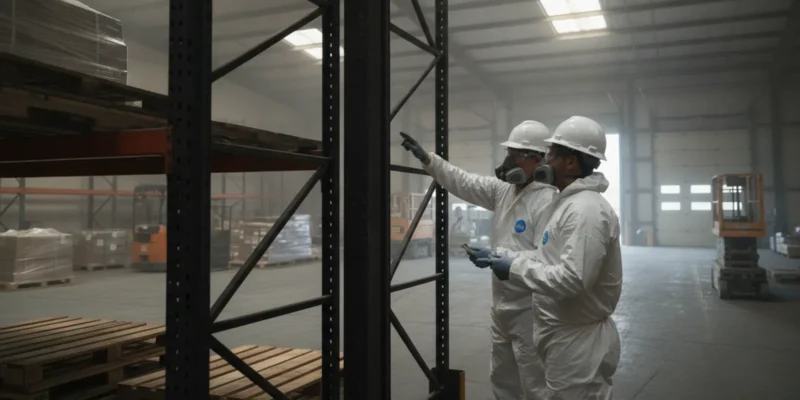
A fire can leave a warehouse with smoke residue far beyond the room where flames were visible. If you are weighing next steps, warehouse smoke damage restoration should start with life safety, controlled access, and a careful assessment,not an immediate push to move stock or restart operations. The right sequence helps you understand what is affected and make decisions with your insurer and restoration provider.
Request help assessing warehouse fire and smoke damage
What should you do before entering the warehouse?
Keep employees, visitors, and delivery drivers out of areas that have not been cleared for entry by the fire department or other responsible authorities. A building can have hazards that are not obvious from the doorway, including unstable materials, damaged electrical systems, hot spots, or contaminated residue. Do not assume an area is safe because visible flames are out or because smoke has cleared.
Once officials allow access, follow their conditions and your site safety procedures. Restrict entry to people with a clear role, keep an access log, and use appropriate protective equipment based on the conditions and professional guidance. Do not let staff sweep, vacuum, or wipe soot as a quick cleanup. Dry soot can spread when disturbed, and ordinary cleaning methods may drive residue deeper into surfaces or damage stock.
In a warehouse, keep exit routes and access paths in view as you plan the response. A government fire-safety document for factories and warehouses discusses arranging access and exits so smoke does not obstruct an escape route. That guidance concerns building safety rather than post-fire cleanup, but it is a useful reminder not to block exits with pallets, equipment, or debris during an assessment.
For an active fire or immediate safety concern, call emergency services. For restoration planning after authorities have cleared the building, you can contact a commercial restoration provider to discuss the affected areas and next steps.
How should you document the damage?
Before moving or discarding materials, record what you can safely observe. Documentation helps you and your insurer understand the event, track decisions, and compare the affected areas over time. Do not delay urgent safety or mitigation work just to create a complete inventory, and do not enter a restricted area for photographs.
- Photograph and video the exterior, each accessible affected zone, visible residue, water from firefighting, and damaged contents. Include wide views and closer details.
- Note the date, time, location, and person who recorded each observation. Identify where the fire began only if that information has been confirmed by the appropriate investigator.
- Make an initial list of affected stock, shelving, machinery, packaging, computers, and building materials. Mark uncertain items for assessment rather than declaring them usable or ruined.
- Record odors, visible residue, soot patterns, water intrusion, and areas where ventilation or building systems may have carried smoke.
- Keep receipts and records for emergency measures, temporary storage, and other response costs, and save copies of communications with your insurer and restoration team.
Use a consistent area map, such as receiving, storage aisles, packing, office, and loading dock. Give each area a simple identifier and use it in notes and photographs. This makes it easier to connect an item or observation to its location, especially when multiple teams are working in a large building.
Ask your insurer what documentation and approvals are needed before discarding property or authorizing work. A restoration provider can help organize observations and explain the cleanup scope, but your insurer determines coverage under your policy. See the company’s information about insurance claim assistance for help understanding how restoration coordination may fit into the process.
How do you determine what smoke affected?
Visible soot is only one clue. Smoke may move through open doors, gaps, ceiling spaces, ventilation pathways, and connected work areas. Residue can settle on racks and inventory, while odor may linger in porous contents or enclosed spaces. Fire suppression can also introduce water and wet debris, creating a separate cleanup need.
A qualified assessment should map the affected and potentially affected areas, identify the kinds of materials involved, and distinguish smoke residue from water or direct fire damage. The review may include structural surfaces, ceilings, lighting, electrical equipment, HVAC components, shelving, packaging, inventory, and offices attached to the warehouse. The assessor should explain which areas need closer inspection and where access should remain limited.
Do not use a single visual test to decide that stock is safe to ship. Packaging may look intact while contents or nearby surfaces have residue or odor. Product handling and release decisions depend on the goods, their packaging, applicable requirements, and the responsible business or regulatory authorities. Keep questionable items segregated until the appropriate people assess them.
Warehouses with food, medical supplies, chemicals, or other regulated products may have additional handling and reporting requirements. Follow your product-specific procedures and consult the relevant authorities, insurer, and qualified specialists before moving, cleaning, or releasing those goods. A general building cleanup plan cannot replace requirements that apply to the product itself.
What does warehouse smoke damage restoration involve?
The exact work depends on the fire, materials, residue, water, building layout, and operations. A provider should explain the scope before work begins and adjust it if new conditions are found. The general sequence often includes:
- Site coordination and work-zone planning. The team confirms access conditions, identifies affected and restricted areas, and coordinates with the property representative, insurer, and any other specialists. Work paths, staging locations, and waste handling should be planned to avoid spreading residue or obstructing exits.
- Protection and containment. Where needed, crews isolate work areas and protect unaffected spaces and contents. The approach should account for open warehouse layouts, high racks, connected offices, and air movement. Ask how the team will limit cross-contamination during cleanup.
- Removal of unsalvageable material. Items that cannot be restored may need controlled removal and disposal. The provider should document what is removed and why, and coordinate decisions with the owner and insurer rather than discarding stock without approval.
- Cleaning of affected surfaces and contents. Methods differ by material and residue. A plan may address structural surfaces, shelving, fixtures, equipment, and salvageable contents. One method is not suitable for every surface; ask how the team will test or select a method and protect sensitive equipment.
- Odor treatment and ventilation measures. Odor work should follow source removal and cleaning, not replace them. The provider should explain the method and any access or re-entry precautions. Air handling systems may need separate assessment if smoke traveled through them.
- Verification and closeout. Before the space is returned to use, review the completed scope, remaining limitations, and any areas requiring additional work or outside clearance. Keep records of the work and the decisions made about contents and operations.
For information about the local team’s fire and smoke damage restoration and broader disaster restoration services, review the service pages and discuss how the scope would apply to your facility.
How should you sort warehouse inventory and equipment?
Use a documented hold-and-review process. Separate affected or uncertain goods from items that have been assessed, and clearly mark the status of each group. Avoid sending potentially affected stock to another facility without packaging it appropriately and agreeing on handling with your response team. Moving goods can spread residue or odor to clean areas.
For each inventory group, record the product or stock identifier, quantity if known, location, packaging condition, visible residue or odor, and current disposition. Categories might include awaiting assessment, potentially salvageable, approved for cleaning, or designated for disposal. These are working labels, not a substitute for a technical assessment or product-specific release decision.
Protect electronic equipment and machinery from unnecessary handling. Do not power up equipment that may have been exposed to residue or water until it has been assessed by qualified personnel. For racks and stored materials, preserve safe clearances and follow facility procedures; avoid climbing or reaching into areas that responders have not cleared.
The table below is a planning aid. It does not determine whether a product, machine, or building area is safe to use.
| Area or property | What to record | Next decision |
|---|---|---|
| Packaged inventory | Product ID, quantity, packaging condition, residue or odor, storage location | Hold for assessment; consult product rules and insurer before release or disposal |
| Machinery and electronics | Model or asset ID, visible residue, water exposure, affected room or aisle | Keep powered off if exposure is possible; arrange qualified evaluation |
| Racks and structural surfaces | Location, visible soot, heat or water effects, access limitations | Have the affected area assessed and include needed cleaning or repairs in the scope |
| Office and HVAC areas | Smoke pathway, odor, residue, water, system status | Ask whether connected spaces or air-handling components need separate evaluation |
How can you compare restoration plans?
Ask each provider to explain the findings, work sequence, limits, and assumptions in plain language. A useful plan identifies affected areas and contents, explains how the team will control dust and residue, and describes how work will be documented. It should also identify questions that need input from your insurer, product specialist, electrician, engineer, or other qualified party.
- Which areas and contents did you inspect, and which locations still need access or testing?
- How will you separate work areas from unaffected warehouse space and keep exits accessible?
- What cleaning methods are proposed for each surface or equipment type, and how will you protect sensitive items?
- How will you document items that are moved, cleaned, stored, or discarded?
- What work is included, what is excluded, and how will changes to the scope be approved?
- What conditions must be met before employees, vendors, or inventory can return to the affected area?
- What coordination is needed with the insurer and any product-specific or safety authorities?
Credentials can help you understand a provider’s training, but ask which qualifications apply to the proposed work and who will supervise it. You can review the company’s technician certifications and company background, then ask how the experience relates to a warehouse setting.
How should you plan a careful return to operations?
Reopening is a business decision that should follow the appropriate safety clearances and completion of necessary restoration work. Do not treat a clean-looking floor or reduced odor as proof that every product, system, or area is ready. Confirm the status of affected zones, machinery, inventory, and building systems with the responsible qualified people.
If only part of the facility can be used, plan a controlled separation between operational and restoration areas. Tell employees and vendors which doors and routes are permitted, where stock can be staged, and whom to contact with a concern. Keep signs and barriers in place until the responsible team approves their removal. Coordinate deliveries so they do not pass through a work zone or obstruct emergency exits.
Before resuming normal activity, review the documentation and open items with your insurer, operations lead, and restoration provider. Keep a record of remaining limitations, follow-up work, and the person responsible for each action. If the warehouse is in Bakersfield or a nearby community, ask about the service area and response options directly rather than assuming coverage for a particular facility.
Talk with the Bakersfield team about a warehouse assessment
What should you do next?
Secure the site, follow official access instructions, document what you can safely observe, and keep questionable contents on hold until they are assessed. Then compare written restoration scopes and coordinate cleanup, insurance, and business decisions with the right people. A measured plan can help you address smoke damage while protecting employees, inventory, and the path back to operations.
Frequently asked questions
Can employees clean warehouse soot themselves?
Do not ask staff to clean soot before the affected areas and appropriate methods have been assessed. Disturbing residue can spread it, and workers may encounter hazards that are not obvious. Follow official access restrictions and consult qualified restoration personnel about safe work procedures.
Should you discard all inventory exposed to smoke?
Not automatically. Keep affected or uncertain items separated and document them. Whether goods can be cleaned, used, or released depends on the product, packaging, exposure, applicable requirements, and assessment by the responsible qualified people. Coordinate decisions with your insurer and any relevant product authority.
Does smoke damage only affect the area where the fire started?
No. Smoke and residue may travel into connected rooms or through openings and ventilation pathways. A professional assessment should consider the building layout and the location of inventory, equipment, and air-handling components rather than only the visibly burned area.
Can warehouse operations continue during restoration?
Sometimes a business may be able to use unaffected areas, but that depends on access conditions, the work plan, and the specific hazards. Do not resume activity in an affected area without the appropriate clearance. If partial operations are considered, define separated routes and restricted zones with the responsible safety and restoration professionals.
