Restoration Services Pine Mountain Club, CA: Emergency Guide
Property owners searching for restoration services Pine Mountain Club CA often need more than a standard cleanup checklist. Mountain weather, wildfire exposure, winding roads, seasonal homes, and distance from larger service hubs can change what you should do first after a pipe break, storm, fire, sewage backup, or other property emergency. This guide explains safe first steps, the risks that are especially important in the Tehachapi Mountains, and how 911 Restoration of Bakersfield supports Pine Mountain Club homes and businesses from emergency mitigation through reconstruction. For the broader company story, see the 911 Restoration of Bakersfield local coverage and Spanish-language support guide.
Emergency Restoration Services in Pine Mountain Club and the Tehachapi Mountains
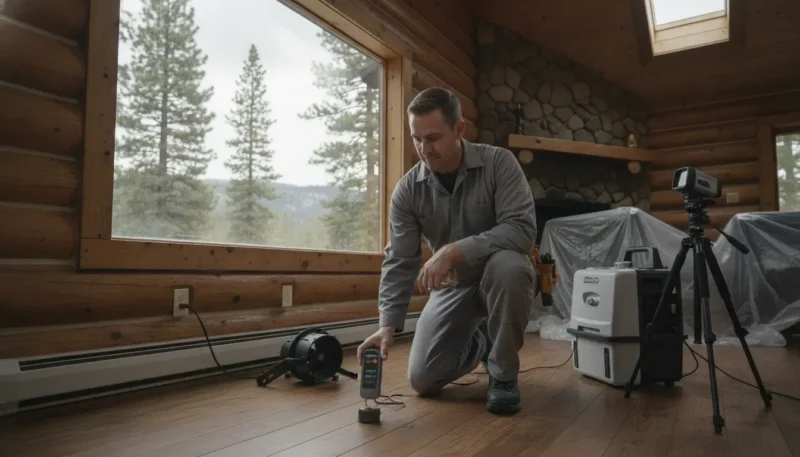
In Pine Mountain Club, emergency restoration means making the property safe, stopping the active source, removing damaged materials, and documenting conditions before secondary damage spreads. 911 Restoration of Bakersfield provides 24/7/365 water, fire, smoke, mold, sewage, and disaster restoration support, with a stated 45-minute emergency response and bilingual English and Spanish service.
Pine Mountain Club property owners can start with the Pine Mountain Club damage restoration page for local service information. This article focuses on the decisions that are easy to overlook in a mountain setting.
What types of property emergencies need a fast response?
- Water damage: Burst pipes, failed water heaters, roof leaks, storm runoff, snowmelt, and frozen plumbing can affect floors, walls, ceilings, crawl spaces, and contents.
- Fire and smoke damage: A fire can leave soot, odor, heat damage, and water damage from firefighting even when part of the structure appears intact.
- Mold and moisture: A slow leak or damp cabin can create conditions for mold growth, especially when a property is vacant between visits.
- Sewage backups: Contaminated water requires isolation, extraction, sanitization, and careful handling of porous materials.
- Storm and disaster damage: Wind, heavy rain, wildfire, power loss, and fallen trees can create several damage types at once.
For broader emergency coverage, see the company’s disaster restoration services. The goal is to match the response to the hazard instead of treating every loss as ordinary water cleanup.
What Water and Wildfire Risks Are Unique to Mountain Communities?
Mountain properties face a combination of freeze-thaw conditions, heavy rain, snowmelt, wildfire smoke, ash, power interruptions, and difficult access. The first response should protect people, avoid unsafe entry, and limit the spread of water or contamination. Once the scene is safe, professional moisture mapping, extraction, drying, cleaning, and documentation help identify damage that is not visible from the doorway.
Winter water damage and snowmelt
When temperatures fall, exposed or poorly insulated plumbing can freeze and split. The leak may not become obvious until the pipe thaws, releasing water into a wall, crawl space, or lower level. Snowmelt and heavy rain can also expose roof, gutter, drainage, and foundation problems. If water is active and it is safe to do so, shut off the affected fixture or the main supply. Do not enter standing water near electrical equipment.
911 Restoration of Bakersfield’s water damage restoration team uses extraction, moisture detection, air movers, dehumidification, cleaning, and restoration planning to address both visible and hidden moisture.
Wildfire, ash, and smoke exposure
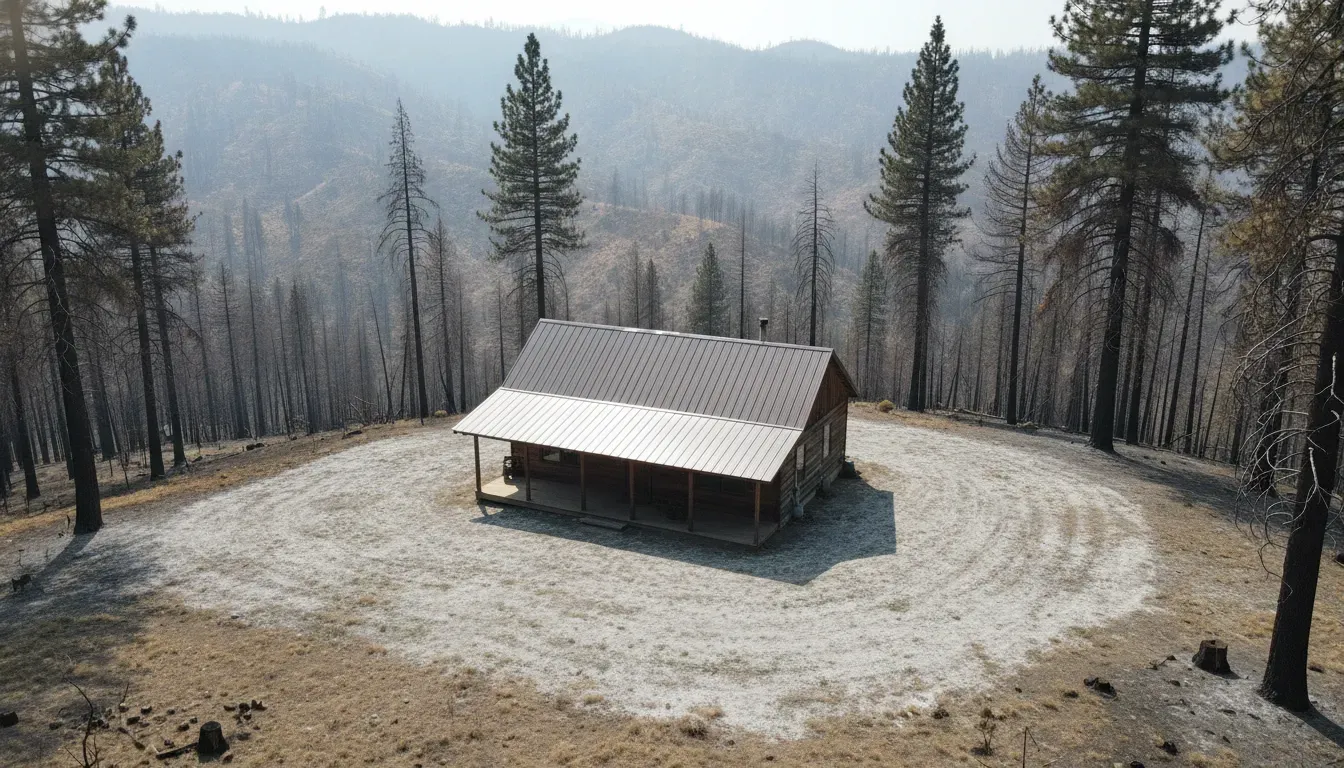
The Pine Mountain Club Property Owners Association identifies wildfire, earthquakes, and power outages as important community preparedness concerns, including the value of defensible space and CAL FIRE guidance. Homeowners can review current community preparedness resources before an emergency. After a fire or nearby burn event, do not disturb ash, enter a structure that has not been cleared as safe, or attempt to clean suspected structural damage without appropriate protection.
Smoke can travel through insulation, wall cavities, HVAC systems, and contents. Water used during firefighting can create a second mitigation problem. Professional fire and smoke damage restoration can address board-up needs, soot, odor, contents, and repairs after officials release the property for entry.
Quick mountain property risk check
| Risk | Early warning signs | Safe first priority |
|---|---|---|
| Frozen or burst plumbing | No water, bulging drywall, dripping sounds, or sudden pooling | Shut off water if safe, avoid electrical hazards, and call for extraction |
| Storm or snowmelt intrusion | Ceiling stains, damp flooring, overflowing drainage, or wet crawl space | Move contents away from water and document the source and affected areas |
| Wildfire or smoke exposure | Ash, soot, odor, heat damage, or an official evacuation notice | Follow fire officials, avoid re-entry until cleared, and request an inspection |
| Power outage with property damage | Failed sump pump, loss of heat, frozen lines, or standing water | Use only safe emergency lighting and keep people away from electrical water |
| Sewage backup | Foul odor, black or cloudy water, or backup from a drain | Isolate the area and keep children and pets away from contamination |
How Do Restoration Crews Reach Remote Mountain Locations?
Effective mountain response starts before the crew arrives. During the initial call, give the restoration team the property address, a reliable gate or access instruction, the best callback number, the damage type, whether utilities are on, and any known road or weather concern. The crew can then bring equipment appropriate for extraction, drying, containment, smoke cleaning, or sewage mitigation instead of losing time to a second mobilization.
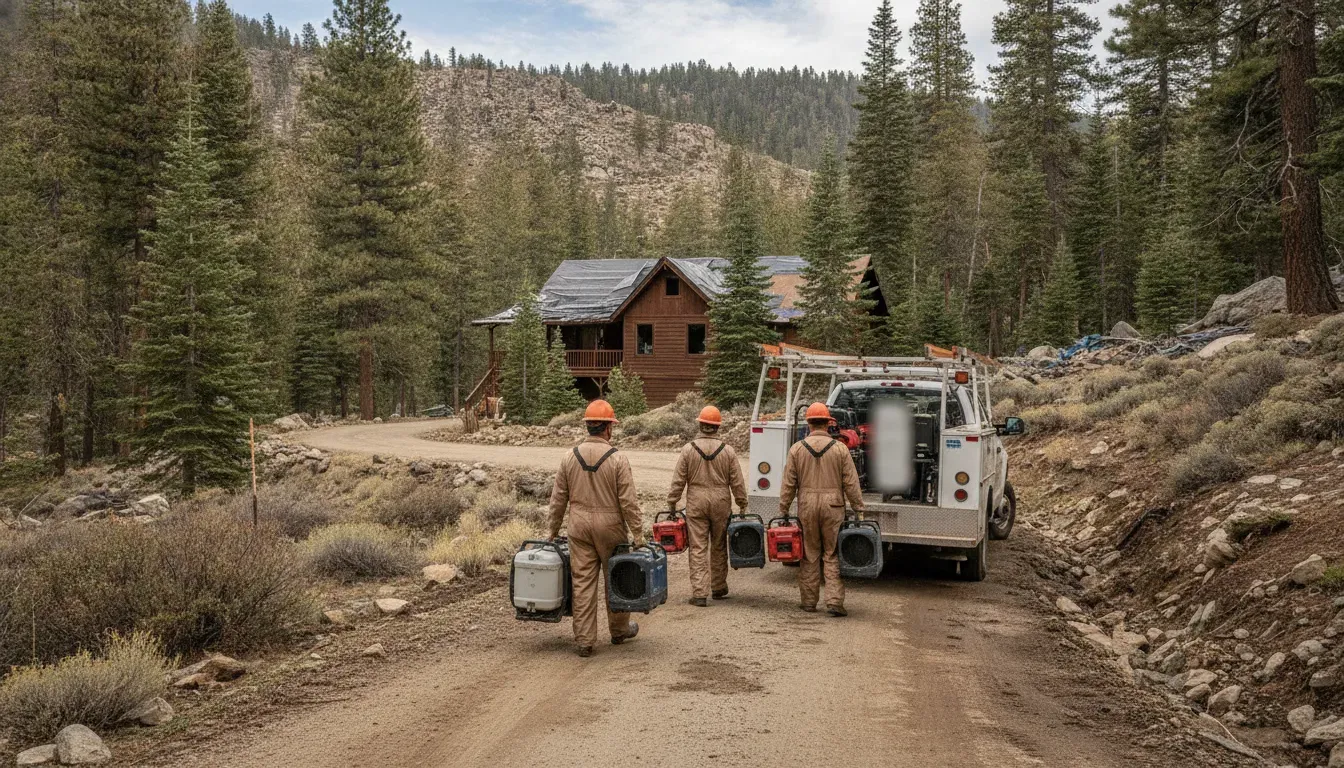
For Pine Mountain Club homeowners and property managers, the response generally follows this sequence:
- Phone triage: The team identifies immediate safety issues, the source of damage, affected rooms, and access conditions.
- Dispatch planning: Technicians prepare extraction, drying, containment, cleaning, or board-up equipment for the reported loss.
- On-site assessment: The crew checks visible conditions and uses moisture detection tools where hidden water may be present.
- Source control and mitigation: Active water is controlled, standing water is removed, and damaged areas are stabilized when safe.
- Documentation: Photos, moisture readings, affected materials, and the initial scope are recorded for restoration planning and insurance communication.
- Monitoring and repair: Drying progress is checked, cleaning is completed, and repair or reconstruction needs are discussed with the property owner.
Mountain access can also affect a second home or a property whose owner is temporarily away. If you manage a cabin remotely, identify a local contact who can meet the crew, provide access, and approve urgent safety steps within the limits of your insurance and property-management arrangements.
What Should You Do After a Property Emergency Far From Town?
When a property emergency occurs away from a major city, the safest response is to protect people first, stop only what you can safely control, and call for professional help early. Do not trade a manageable loss for an injury by entering unstable structures, touching electrical equipment in water, or cleaning sewage, ash, or heavy soot without proper protection.
- Leave unsafe areas: Follow evacuation orders and stay out of structures with fire, structural movement, gas odor, downed lines, or unknown electrical conditions.
- Call emergency services when needed: A life safety, active fire, gas, or medical emergency comes before property mitigation.
- Stop the source only if safe: Close a water valve or move a small item away from a leak only when you can do so without entering a hazard.
- Protect unaffected contents: Move portable items to a dry, safe area, but do not walk through contaminated water or disturb soot and ash.
- Record the condition: Take photos and video from a safe location, note when the damage was discovered, and keep receipts for reasonable emergency expenses.
- Call a restoration professional: Early extraction, drying, containment, and board-up can reduce secondary damage and clarify the scope.
- Notify your insurer: Ask about reporting requirements, temporary protection, documentation, and whether the insurer wants to inspect before repairs.
For mold concerns after a leak or extended humidity, review the company’s mold removal and remediation service. If a backup involves contaminated water, use the sewage backup cleanup service rather than attempting household cleaning.
How Can You Prepare for a Mountain Property Damage Claim?
Insurance claims are easier to organize when the property owner preserves evidence and communicates early. Coverage depends on the policy and the cause of loss, so 911 Restoration of Bakersfield does not replace the insurer’s coverage decision. A restoration project manager can help organize the damage scope and documentation while you work with your insurance company.
What should you document?
- The date and approximate time the damage was discovered
- The suspected source, such as a burst line, roof leak, wildfire, or backup
- Photos and video of each affected room, material, and item from a safe location
- Visible water lines, soot, ash, odor, staining, or structural concerns
- Emergency actions taken, including shutoff calls, fire department involvement, or board-up
- Receipts for reasonable temporary protection, lodging, cleanup supplies, or access costs
- Names and reference numbers for the insurer, adjuster, community officials, and restoration company
The verified insurance support information on the 911 Restoration of Bakersfield site explains how the company can help property owners navigate the claim process. Keep original documents and send copies when possible. Do not discard damaged materials or contents before asking the insurer and restoration team whether they need to be inspected, photographed, inventoried, or retained.
For a mountain home, also tell the insurer and restoration company whether the property is seasonal, whether utilities were shut off, and whether anyone has been checking it. These details can help explain when a loss was discovered without guessing at facts that are not documented.
FAQ About Pine Mountain Club Restoration Services
Does 911 Restoration of Bakersfield serve Pine Mountain Club?
Yes. 911 Restoration of Bakersfield lists Pine Mountain Club among its service areas and provides emergency water, fire, smoke, mold, sewage, and disaster restoration support for local properties. Call (661) 220-7584 or use the contact form to request help.
What should I do if a pipe bursts while I am away from my mountain home?
If safe, have a trusted local contact shut off the water and electricity to affected areas, then call a restoration professional. Share access instructions, photos, the property’s utility status, and any freezing or road conditions. Fast extraction and drying can limit damage behind walls and under flooring.
Can restoration professionals help after wildfire smoke or ash exposure?
Yes. After fire officials clear the property for entry, a restoration team can assess smoke, soot, odor, water, and contents damage. Do not enter an unsafe structure or clean heavy ash and soot before the scene is cleared and the appropriate restoration plan is established.
How fast should I call after water damage in Pine Mountain Club?
Call as soon as people are safe and the active source is controlled. Standing water can spread into flooring, walls, insulation, and contents, while hidden moisture can lead to secondary damage. Early professional assessment helps determine what needs extraction, drying, cleaning, or repair.
Can the restoration company help with insurance documentation?
911 Restoration of Bakersfield can help document the visible scope, moisture conditions, mitigation steps, and restoration plan while you communicate with your insurer. Your policy and insurance company determine coverage. Keep photos, receipts, claim details, and copies of all project documents.
Does the company offer Spanish-language support?
Yes. 911 Restoration of Bakersfield offers bilingual English and Spanish support. Clear communication can help homeowners, family members, property managers, and insurers understand the next steps during a stressful property emergency.
For mountain homeowners, the best restoration plan combines safe first steps, early documentation, and a response team prepared for the property’s access and hazard conditions. 911 Restoration of Bakersfield is available 24/7/365 for Pine Mountain Club property emergencies, from initial mitigation through restoration and reconstruction.
Request emergency restoration help from 911 Restoration of Bakersfield at (661) 220-7584.
