

Leak Detection Bakersfield CA: Find Hidden Water Damage
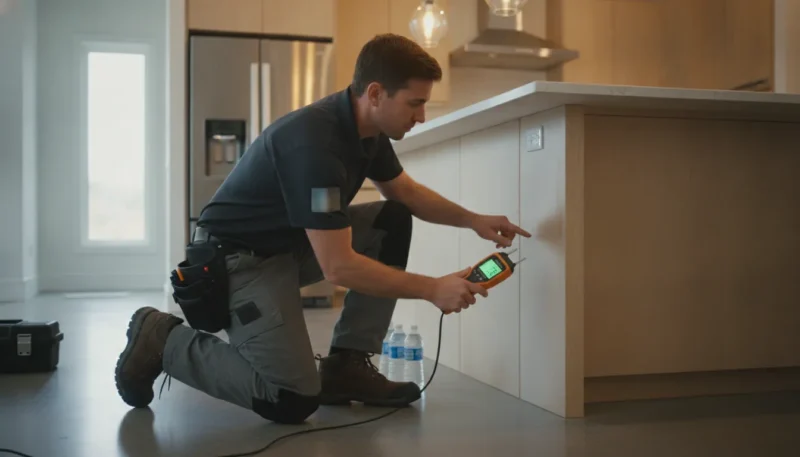
A hidden water leak rarely announces itself with a flooded room. It may begin as a higher water bill, a faint sound of running water after every faucet is closed. Or a musty odor that seems easy to explain away. In Bakersfield homes, catching those clues early can protect flooring, drywall, and indoor air quality before a small plumbing problem becomes a restoration emergency.
Leak detection Bakersfield CA services can locate moisture behind walls, beneath flooring, or near the foundation before visible damage spreads. Start by checking for warped floors, discolored walls, soggy landscape patches, and unexplained water-use changes. Then bring in a professional when the source is hidden or the damage is substantial.
Professional leak detection is especially valuable when a meter test or visual inspection points to trouble but does not reveal its location. A timely assessment can support the next repair decision and help document the condition for an insurance claim. The first step is recognizing the warning signs your Bakersfield home may already be showing.
This guide is part of our broader Fire, Smoke, and Commercial Damage Restoration in Bakersfield series, which helps property owners act quickly and confidently after damage occurs.
Contact 911 Restoration of Bakersfield for a water damage assessment.
Signs You Have a Hidden Water Leak in Your Bakersfield Home
A hidden leak rarely announces itself with a burst pipe. More often, it develops behind a wall, beneath flooring, or under the yard until a small clue becomes impossible to ignore. Spotting those clues early can help you limit water damage, avoid unnecessary waste, and protect your home from a larger restoration problem.
The financial impact can also be easy to miss. The U.S. Environmental Protection Agency reports that the average household leaks nearly 10,000 gallons of water each year, potentially adding about 10 percent to the water bill. Across U.S. homes, easy-to-fix leaks waste nearly 1 trillion gallons annually. These figures make a gradual increase in water use worth investigating, especially in a Bakersfield home where the cause is not visible.
Changes inside the home
- Warped flooring: Buckling, cupping, soft spots, or a new gap between flooring materials can indicate moisture below the surface.
- Discolored walls or ceilings: Yellow, brown, or expanding stains may point to water traveling behind drywall or through the ceiling.
- A persistent musty odor: A damp smell that returns after cleaning can signal trapped moisture in an enclosed area.
- Unexplained running-water sounds: If you hear water moving while every faucet, appliance, and fixture is off, treat the sound as a warning rather than normal house noise.
- Unexpectedly higher water use: Compare recent bills with the same season in prior years. A sustained increase without a change in household habits deserves a closer look.
Clues outside the house
Walk the property periodically, including areas near hose bibs, irrigation lines, and the foundation. An unusually lush patch of grass, soggy soil. Or standing water in one area can indicate an underground outdoor leak, even when the rest of the landscape is dry. In a hot, dry climate, a single persistently wet or overgrown section is particularly noticeable.
Start with simple observations, but do not open walls or remove flooring just to search for a source. If several warning signs appear together, professional testing can locate hidden moisture before damage spreads. For urgent help, you can request emergency leak detection and repair in Bakersfield. A qualified assessment can distinguish a plumbing leak from an appliance, roof, irrigation, or other water intrusion issue and help you take the next safe step.
How Professional Leak Detection Works: Technology and Methods
Professional leak detection combines simple water-use checks with specialized tools that reveal moisture a visual inspection can miss. The goal is to locate the source and define the full affected area before unnecessary walls, floors, or cabinets are opened. This approach helps property owners make informed repair decisions while limiting disruption.
Starting with water flow and meter readings
A technician may begin by reviewing recent symptoms, checking accessible plumbing, and observing the home’s water-use pattern. Flow monitoring devices can identify unexpected dampness or irregular consumption patterns that may indicate a leak. The EPA explains how moisture detection and flow monitoring devices help identify unusual water use.
A water meter test can provide another useful confirmation. When no faucets, appliances, or irrigation systems are using water, the meter is read and checked again after a period of about two hours. If the reading changes during that no-use period, a leak is likely present. This test can confirm that water is moving somewhere in the system even when the source is not obvious.
Finding moisture behind finished surfaces
Once unusual water use is established, moisture meters help determine where water has traveled. These instruments can detect hidden moisture behind drywall or beneath carpet, including areas that may look dry on the surface. Readings taken across walls, floors, ceilings, and nearby materials help technicians compare normal areas with potentially affected ones.
Thermal imaging adds another non-invasive view. Differences in surface temperature can help reveal damp areas behind walls and guide the search toward a likely leak location. According to the customer information used for this service, advanced thermal imaging can help pinpoint a leak without unnecessary destruction. It does not replace moisture readings, but it can help narrow the inspection area before any controlled access is considered.
Mapping the complete affected area
Finding the source is only part of the inspection. Water can move through framing, insulation, flooring, and other building materials before visible staining appears. Restoration crews use moisture mapping to document affected and unaffected areas, including spots that show no obvious damage. This map guides drying and helps verify that moisture levels are returning to an acceptable condition throughout the space.
For homeowners searching for leak detection Bakersfield CA, a careful inspection matters because a small visible stain may not represent the full path of the water. Professional methods can identify hidden moisture, reduce guesswork, and create useful documentation for the next repair or restoration step.
What Causes Hidden Leaks in Kern County Homes?
Hidden leaks rarely begin with one obvious failure. More often, a small weakness develops in a pipe, connection, fixture, or appliance and remains unnoticed until moisture reaches flooring, drywall, cabinets, or the foundation. In Kern County, the age and construction of a home can influence where that weakness appears. Which is why identifying the likely cause matters when planning leak detection in Bakersfield, CA.
Older plumbing and gradual corrosion
Older homes may have aging supply lines, drain connections, or fittings that have weakened over time. Corrosion can narrow or weaken metal piping, while worn washers, seals, valves, and other fixtures may allow water to escape slowly. These leaks can stay hidden beneath sinks, behind walls, under floors, or inside cabinets. The first clues may be a damp smell, staining, a soft surface, or a water bill that is higher than expected.
Cold temperatures can also affect vulnerable plumbing. Even when freezing conditions are brief, temperature changes can place stress on pipes and joints. Incorrect installation, equipment malfunctions, and ordinary wear add to the risk. The U.S. Environmental Protection Agency identifies old piping, worn fixtures, corrosion, cold temperatures, and irregular water pressure among common leak causes. EPA leak guidance can help homeowners understand why small plumbing problems should not be ignored.
Why slab leaks deserve special attention in Bakersfield
Slab leaks are a frequent concern in Bakersfield because of local soil composition and aging infrastructure. When a water line beneath a concrete slab develops a leak, the water may travel before it becomes visible. A homeowner might notice warm or damp flooring, unexplained cracks, a sound of running water. Or moisture near the edge of a room instead of a puddle at the actual break.
Because the plumbing is below the slab, investigating the source can require more than checking exposed fixtures. A professional assessment can help distinguish a slab leak from a drainage issue, appliance failure, or another hidden source. If moisture has reached building materials, water damage restoration services in Bakersfield can address the affected areas after the plumbing problem is identified.
Water heaters and excessive pressure
Water heaters are another important risk point. Units older than 10 years should receive regular inspection because they can suddenly fail or leak. Releasing a substantial amount of water into a garage, utility room, or nearby living space. Rust, a weakened tank, failing connections, or a damaged pressure relief component may signal trouble before a major failure.
High water pressure creates a different kind of risk. Constant pressure stresses joints and pipes, gradually increasing the chance of a concealed leak. A qualified plumbing professional can evaluate the pressure and determine whether a pressure reducing valve may help protect the system. Addressing the underlying cause, rather than only drying the visible moisture, helps reduce the chance that the same area will suffer repeated damage.
How Much Does Leak Detection Cost in Bakersfield, CA?
The cost of finding a leak depends less on the word “detection” and more on where the water is hiding. How accessible the plumbing is, and whether the leak has already damaged building materials. A dripping faucet or running toilet may cost nothing to identify if you can safely inspect it yourself. A suspected slab leak, concealed wall leak, or recurring loss of water can require specialized equipment and a professional assessment.
The ranges below are broad planning guidance, not a quote from any specific company. Local plumbing conditions, after-hours response, the size of the affected area, and the need for repair or drying can all change the final cost. Ask what the inspection includes and whether repair, water extraction, moisture mapping, or restoration is billed separately.
| Leak situation. | General planning range. | What can affect the cost. |
|---|---|---|
| Visible faucet, toilet, or showerhead leak. | Free DIY check to low hundreds. | Access to the fixture, replacement parts, and whether a plumber is needed. |
| Behind-wall or cabinet leak. | Low hundreds to several hundred dollars. | Moisture testing, thermal imaging, limited access, and opening or repairing finishes. |
| Slab leak or underground supply-line concern. | Several hundred dollars to $1,000 or more. | Specialized locating methods, concrete access, line routing, repair scope, and cleanup. |
| High water pressure or pressure-reducing valve evaluation. | Low hundreds for assessment, plus parts and installation. | Pressure testing, pipe condition, PRV selection, and related plumbing repairs. |
Why hidden leaks cost more to locate
Visible leaks are usually straightforward because the source can be seen and reached. Hidden leaks take more care. A professional may compare moisture levels, track unusual water use, inspect affected materials, or use thermal imaging to narrow the location before unnecessary demolition. Professional leak detection is recommended when hidden water damage could create long-term structural issues. In Bakersfield, slab leaks also deserve prompt attention because soil conditions and aging infrastructure can make them a recurring concern.
High water pressure is another cost factor worth discussing. Pressure can stress plumbing joints and pipes over time, and a pressure-reducing valve may help in an appropriate situation. That evaluation is different from simply locating a wet spot, so ask whether pressure testing and PRV work are included.
Include documentation in your decision
The least expensive inspection is not always the least expensive outcome. If moisture remains behind a wall or under flooring, the eventual repair can become much larger. Insurance companies often require documented proof of leak detection and repair efforts when processing water damage claims. Keep photos, readings, invoices, and repair notes, and ask for a written explanation of the affected areas.
If the leak has damaged drywall, flooring, insulation, or other materials, the next step may be an assessment from a restoration professional. Our water damage restoration services in Bakersfield can help determine whether concealed moisture needs extraction, drying, or additional cleanup. The right goal is not merely to find the lowest detection price. It is to locate the source accurately, stop the water, and prevent a small leak from becoming a larger repair.
What Happens After a Leak Is Found: Repair and Water Damage Assessment
Finding the source of a leak is an important first step, but it does not always reveal how far water has traveled. Moisture can move beneath flooring, behind drywall, or into insulation before visible staining appears. A careful response protects your home, limits secondary damage, and creates a clear record for repairs and insurance.
- Stop the water and protect the area. Shut off the leaking fixture or appliance if it is safe to do so. For a larger leak, use the main water shut-off valve. Bakersfield homeowners should know where that valve is before an emergency, because stopping the flow quickly can prevent additional damage. Move furniture, electronics, and other belongings away from wet areas, but do not enter standing water near electrical equipment. The first priority is to stop the flow, prevent further damage, and contact a professional when the damage is substantial.
- Document what happened and arrange the repair. Take photographs or video of the leak, affected materials, and any damaged belongings before cleanup changes the scene. Keep receipts and records for plumbing work, emergency services, and replacement materials. Insurance companies may require documented proof of leak detection and repair efforts when evaluating a water damage claim. A plumber may repair the failed pipe, fixture, appliance, or supply line, while a restoration team assesses the damage caused by the water.
- Assess visible and hidden moisture. A professional assessment looks beyond the original drip or wet spot. Technicians inspect flooring, walls, ceilings, cabinets, baseboards, and nearby rooms for signs of migration. Moisture mapping helps identify all affected areas, including materials that look dry but still hold moisture. This information guides the drying plan and helps prevent a partial cleanup from leaving hidden damage behind.
- Dry the structure thoroughly. Restoration is more than removing standing water. Air movement, extraction, and commercial dehumidification help remove moisture from building materials. The goal is controlled drying based on the materials and the mapped affected areas, not simply waiting until a surface feels dry. If moisture remains inside a wall or beneath flooring, the problem can continue even after the original leak is repaired.
- Address sanitation and indoor air quality. Delayed remediation can allow mold to colonize in as little as 24 to 48 hours. Excess moisture can also contribute to indoor air quality problems, including allergens and airborne mold spores. Professional restoration therefore combines drying with appropriate sanitation to help prevent mold growth. If you need coordinated help, our disaster restoration services in Bakersfield can address the cleanup and recovery needs that follow a water event.
- Confirm the home is ready for repairs. Once moisture levels are controlled, the team can identify materials that need repair or replacement and provide documentation of the work. For broader support with moisture-related cleanup, see our guide to water damage and mold remediation in Kern County. Do not close up walls or reinstall finished flooring until the affected areas have been properly evaluated and dried.
Fast action does not mean rushing past the assessment. Stopping the leak, mapping the moisture, drying thoroughly, and documenting the work gives your home the best chance of a complete recovery.
Contact 911 Restoration of Bakersfield to assess hidden water damage before it spreads.
Frequently Asked Questions
What are the common signs of a hidden water leak?
Watch for a sudden increase in your water bill. The sound of running water when every faucet is closed, warped flooring, discolored walls, persistent dampness, or a musty odor. The EPA notes that undetected household leaks can waste thousands of gallons of water each year.
How much does professional leak detection cost in Bakersfield?
The cost depends on the leak’s location, accessibility, the size of the property, and whether specialized tools are needed. Ask for a clear scope before work begins, and keep the inspection findings, photos, and repair documentation because insurers may require proof of leak detection and repair efforts.
Is leak detection necessary for older Bakersfield homes?
It can be especially valuable when a home has aging pipes, recurring plumbing problems, unexplained moisture, or a water heater more than 10 years old. Bakersfield properties may also face slab-leak concerns tied to local soil conditions and aging infrastructure, so unexplained flooring changes or warm, damp areas deserve prompt evaluation.
Can I check for a leak myself before calling a professional?
Yes. Turn off all water fixtures and compare your water meter reading after two hours. A change suggests a leak, according to this EPA checklist. You can also check toilets, faucets, exposed pipes, and your pool area, but hidden leaks require professional testing to locate without unnecessary damage.
What should I do after finding a leak?
Shut off the nearest water supply or main valve if it is safe, then contact a qualified professional. Do not ignore wet materials: mold can begin colonizing in as little as 24 to 48 hours after water damage. And restoration may require extraction, drying, moisture mapping, and sanitation.
Ready to Address a Hidden Leak?
A professional assessment can help identify moisture you cannot see and clarify the next steps for repair and restoration. If you have noticed signs of a leak in your Bakersfield property, contact us to discuss the situation and arrange an assessment. Contact 911 Restoration of Bakersfield for a professional leak assessment and water damage restoration.
