
Mold in HVAC System Bakersfield: Why Your AC Spreads Mold
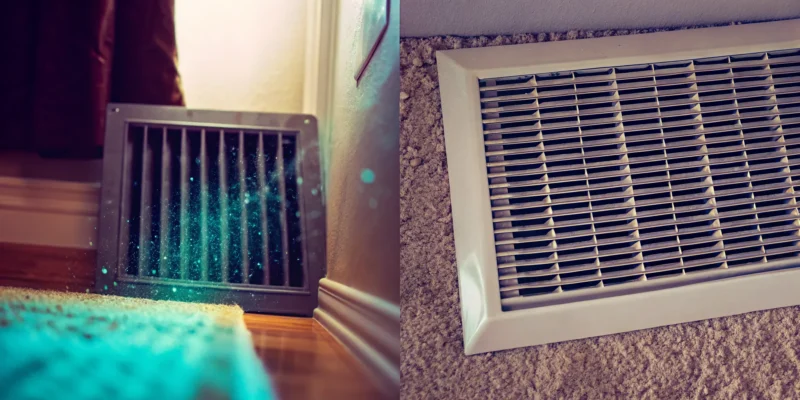
Running your air conditioner during a hot Bakersfield summer can spread hidden mold throughout your entire home. When condensation forms inside your HVAC vents, tiny spores quickly multiply and blow into every room.
A buildup of mold in hvac system bakersfield properties is a common threat caused by constant condensation inside your cooling unit. When the air unit runs, moisture pools in the drip pans and metal ducts, creating a perfect, dark space for spores to grow. According to the Centers for Disease Control and Prevention, excess moisture is the main cause of indoor mold growth inside your house. Once these tiny spores take root inside your damp AC vents, they blow directly into your living areas every time the cooling fan turns on. This constant spread can quickly ruin your indoor air quality, requiring certified professional cleaning to remove the mold safely and restore your healthy home.
How does this fungus find its way into your cooling system in the first place? To protect your home, read our Mold Remediation Bakersfield: Definitive Guide. This resource shows why you must understand How Mold Gets Into HVAC Systems in Hot Climates Like Bakersfield, and the path begins with.
Mold In Hvac System Bakersfield: How Mold Gets Into HVAC Systems in Hot Climates Like Bakersfield
Summer days in Bakersfield often stay above 100 degrees, forcing air conditioners to work extra hard. This extreme heat forces your air conditioner to run without a break to keep your home cool. That constant cooling makes a lot of wet condensation inside your unit. If this water cannot drain away properly, it creates a perfect damp home for mold to grow. Learning how mold in HVAC system Bakersfield homes starts is the first step to clean air. Homeowners must understand how these systems attract moisture so they can prevent serious issues.
Bakersfield heat and condensation
When your system runs to cool your home, the cooling coils get very cold. Hot, humid air hits these cold coils and sheds its moisture. This cooling process creates water droplets that drip into a metal pan below the coils. According to health experts, molds produce tiny spores that drift through the air. When these spores land on wet surfaces inside your AC, they can form new mold colonies. Once mold gets a foothold inside the unit, it can quickly spread through your air vents. Every time your system turns on, it blows these spores into your living space.
During July and August, outdoor temperatures can stay hot even at night. This means your cooling system never gets a chance to rest or dry out. When the AC runs for hours, water fills the drain pan constantly. This constant wetness makes a perfect place for spores to grow. If you do not stop the moisture, mold will start to grow on the fan blades and inside the ducts.
Clogged drains and restricted airflow
Dust and dirt can easily build up inside your cooling unit if you do not clean it. When this debris mixes with condensation, it can clog your drain line. A clogged drain line traps water inside the drain pan instead of letting it flow outside. This standing water creates a big moisture problem that is hard to ignore. Any mold growing in a building indicates a water problem that needs fast action. This wet buildup can lead to water damage from AC units in your home. At the same time, dirty air filters block normal airflow and make the system run poorly. This trapped humidity keeps the system damp and speeds up mold growth. Clean air filters and clear drain lines are key to stopping mold before it starts.
Attic temperature swings
Many Bakersfield homes have ductwork running through hot attics. In the summer, attic heat can rise past 130 degrees. When cold air blows through these hot metal ducts, condensation forms quickly. This hidden moisture allows mold to grow inside your vents and spread without being seen. Solving this hidden moisture problem requires more than just a quick surface cleaning. We use proven methods from our Mold Remediation Bakersfield: Definitive Guide to clean your system. Our expert cleanup uses strong containment and HEPA filtration to keep spores from spreading. This professional cleanup ensures your home stays safe, healthy, and mold free.
Signs Your Air Conditioner May Be Spreading Mold
Bakersfield summers are very hot and dry. To stay cool, most people run their air units day and night. But constant cooling can create water drops inside your vents. If this moisture does not dry, you may end up with mold in hvac system bakersfield.
Musty smells and stale air
A common sign of mold is a musty or stale smell in your home. This scent often gets much worse when the fan starts to run. The damp odor is a strong clue that mold is growing. The Centers for Disease Control and Prevention notes that musty smells and visual checks are the best ways to find mold. These ways work much better than short-term air tests.
If you smell something bad when the air turns on, do not ignore it. That sour smell can spread through every room in your house. The air flow from your unit pushes the tiny spores into your living space. If you do not stop the source, the smell will only grow worse.
Visible spots on vents
You should also look closely at your vent covers. Sometimes, you will see small black, green, or gray spots. These spots may look like dirt at first, but they can be active mold. Finding these spots means there is likely mold in hvac system bakersfield.
Check the outer parts of your vents and the coils inside. If you see dark buildup, do not try to scrub it off. Wiping the spots can launch millions of spores into the air. Instead, you should contact a team that offers mold removal services in Bakersfield. Safe cleanup needs the right tools to stop the spores from spreading to other rooms.
Physical symptoms and weak airflow
Mold can also affect how you feel. Some people start to sneeze, cough, or have itchy eyes when they are at home. These symptoms often get better when you go outside or leave for work. If your allergies flare up only when you are indoors, your cooling system might be the cause.
Other signs are weak airflow and too much dampness in the air. If your vents feel weak, dust and mold may be blocking your ducts. You might also see water drops on your windows or walls. This excess moisture helps new mold grow. If you notice any of these warnings, it is time to get an expert check.
Health Risks of HVAC Mold in Central Valley Homes
The hot weather in the Central Valley makes air conditioning a daily need. When moisture builds up in your cooling unit, it can lead to black mold in Bakersfield homes. If you suspect you have mold in hvac system bakersfield units, every blast of cold air can spread tiny spores through your rooms.
How Spores Spread Through Indoor Air
Mold needs water to grow. Your cooling system makes moisture as it lowers indoor temperatures. When this water cannot drain, mold starts to grow in your vents and coils. The fan then blows these tiny spores into your rooms, where you breathe them in.
Breathing in these spores can cause quick health issues. Many people think they just have a summer cold. In truth, your air conditioner may be spreading these spores every day.
Respiratory Symptoms and Allergy Triggers
According to the Environmental Protection Agency (EPA), indoor mold can trigger respiratory issues, worsen allergies, or make asthma worse. For many families, this is more than a simple problem. You may find that your throat feels dry, or you have a cough that will not go away.
Some people get itchy eyes or a runny nose when the AC runs. These symptoms can persist all year when mold grows inside your vent system. The constant airflow keeps the spores moving through your home, making it hard for your body to recover.
Who Is Most Vulnerable to HVAC Mold?
While anyone can react to mold, some groups face higher risks. Sensitive people, including young children, the elderly, and those with weak immune systems, are more at risk from mold.
The Centers for Disease Control and Prevention (CDC) notes that there are no health-based standards for mold in indoor air. Because of this, they do not recommend routine air tests for buildings. Instead, they suggest focusing on finding and fixing water problems right away.
If you suspect mold in your cooling system, there is no need to panic. The best step is to get an expert inspection rather than using DIY air test kits. Getting help from an expert who follows a Mold Remediation Bakersfield: Definitive Guide can help you find the source. Certified teams will set up proper containment and use HEPA filters to clean your vents safely.
Can You Clean HVAC Mold Yourself? What Professionals Do Instead
Visible spots on your vents might tempt you to scrub them clean. But trying to clear mold yourself can make the problem worse. Simple cleaning only wipes the surface while spreading invisible spores into your air.
The limits of simple surface cleaning
Many homeowners try to wash their vent covers with soap and water. But this simple task will not fix a mold in hvac system bakersfield. The Centers for Disease Control and Prevention warns that any mold growing in buildings shows a water problem that you must fix right away. Scrubbing alone does not stop the moisture source that lets mold grow.
If you scrub vents without the right tools, you can shake loose millions of tiny spores. These spores will fly through your ducts and spread to every room. In our dry climate, this dust and mold can quickly ruin your indoor air quality. That is why simple cleaning only treats the symptoms instead of solving the true issue.
Why specialized containment matters
Professional teams do not just walk in with a brush and spray. First, they set up thick plastic sheets and air machines to block off the work area. This containment prevents mold spores from drifting into your living spaces while they clean. Without these barriers, any cleaning work will contaminate other parts of your home.
Experts also use strong vacuums with HEPA filters to capture tiny particles safely. These filters trap mold spores so they cannot get back into your air. If you use a normal home vacuum, the tiny spores will pass right through the bag and blow out of the exhaust. You can read our Bakersfield mold cleanup guide to see how we build these secure containment zones.
| Aspect | DIY Cleaning | Professional Remediation |
|---|---|---|
| Surface treatment | Wipes visible spots on vent covers | Cleans coils, ducts, drain pan, and all internal components |
| Spore containment | No containment — scrubbing releases spores into the air | Plastic barriers and negative air pressure prevent cross-contamination |
| Moisture source | Does not address the underlying water problem | Identifies and repairs the root cause (clogged drain, leak, humidity) |
| Equipment | Household cleaners and a standard vacuum | HEPA vacuums, antimicrobial foggers, UV sanitizing lights |
| Long-term result | Mold returns when moisture persists | Remediation plus prevention stops regrowth |
How professionals treat the root cause
To truly fix mold, you must find and stop the source of the water. Dust and dampness on AC coils often start the growth. Technicians will clean the dirty coils and blow out clogged drain lines to keep water flowing away. They may also install special ultraviolet lights that stop mold from growing back on your cooling coils.
Once the water is gone, experts use safe sanitizing sprays to treat all system parts. These treatments kill any remaining mold at the colony level. If you suspect mold in your cooling vents, do not try to scrub it alone. It is best to call in experts for mold removal services in Bakersfield to keep your home safe and clean.
How Often Should You Inspect Your HVAC for Mold in Kern County?
Finding mold in hvac system bakersfield homes can be tough without a clear plan. Extreme summer heat forces cooling units to run for long periods. This constant use can build up water inside the system. The CDC states that mold growing in a building points to a water or moisture issue that needs quick care.
Best times for seasonal checks
You should check your cooling units at least twice a year. The first check should happen in the spring before you turn on the system for the summer. This is usually in April or May. The second check is best in the late fall when the weather cools down. Shifts in wet air can cause water to pool inside your ducts and drain pan.
A simple schedule helps you stay ahead of mold. You should follow these three yearly checkpoints:
- Spring: Perform a pre-cooling check in April or May before the summer heat hits.
- Mid-summer: Inspect the drain lines and coils during peak AC use.
- Post-monsoon: Check for damp spots after late summer wet air spikes.
If you notice any damp spots, getting mold removal services in Bakersfield can stop the problem from spreading. Regular checks keep your indoor air clean and save you from big repair bills.
When to call an expert
You must also inspect your HVAC after any water leak or plumbing spill. If your condensate pan overflows, mold can grow in just two days. An expert check is the safest way to verify your system is clean. Trained experts can find hidden mold deep inside the air ducts before it ruins your indoor air quality. If you want a full guide on how to keep your property dry and safe, read our Mold Remediation Bakersfield: Definitive Guide for clear steps. Our team is here to help you get a fresh start.
Frequently Asked Questions
Is it common to have mold in a HVAC system?
Yes, if you have mold in hvac system Bakersfield units, you are not alone. When you run your air conditioner all day in the Bakersfield heat, water builds up on coils and in drain pans. According to the CDC, excess moisture is the major cause of indoor mold growth. This moisture allows mold spores to grow inside your air ducts.
What are the signs of mold in HVAC vents?
The most common sign is a musty odor that gets stronger when your air conditioner runs. You might also spot dark stains or black clusters on your vent grates or inside the ducts. If family members have unexplained allergy symptoms when indoors, you may have a hidden mold issue. A professional inspection can help find the source.
Will homeowners insurance cover mold in HVAC?
Coverage for mold in your air conditioner depends on your specific policy and the cause of the moisture. Most insurance plans cover mold cleanup if it stems from a sudden water emergency, like a burst pipe. However, they usually do not pay for damage caused by a lack of maintenance or high indoor humidity. You should check with your agent to review your coverage details.
Can you clean mold out of an HVAC system?
Yes, but you should not try to clean it yourself. Standard duct cleaning or surface wiping is not enough to solve the problem. Professional remediation is needed to set up containment, run HEPA air filters, and safely treat the system without spreading spores. According to the CDC, any mold growing in a building indicates a water problem that needs immediate attention.
Ready to Stop HVAC Mold From Spreading in Your Bakersfield Home?
Leaving mold inside your home’s air ducts allows the hot and dry Bakersfield climate to make the moisture problem get worse very fast. Every time your cooling system turns on, the unit blows tiny unseen spores through your air vents and into the rooms where you breathe. Tackling this mold issue today stops the spores from spreading, protects your property from serious damage, and prevents a costly structural remediation process.
Ready to breathe cleaner air? Call (661) 220-7584 to schedule a professional mold inspection and HVAC remediation with our local certified team today. We are here to help you restore your home, protect your family, and get a Fresh Start.
