Mold Inspection Bakersfield: What to Expect and When You Need One
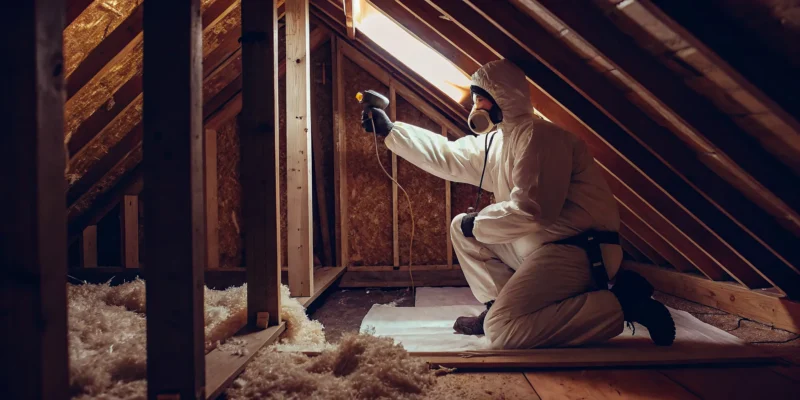
Dark spots on your wall after a leak are a sign you need a mold inspection in Bakersfield. This fast response stops spores from spreading and protects your building. Our local team arrives in 45 minutes to begin an expert check.
A mold inspection in Bakersfield is an expert check that finds hidden fungal growth and locates the water source fueling its spread. This process includes a look at your whole home, moisture mapping, and air or surface tests. Based on IICRC rules, mold can grow within 24 to 48 hours after water damage happens, making a fast check needed. Our certified team at 911 Restoration of Bakersfield follows these rules to give you a clear report on your building. For more details on the full repair process, see our Mold Remediation and Testing in Bakersfield: The Definitive Guide. This guide explains how we handle every step from start to finish.
Knowing when to call for help is the first step in protecting your building. You might wonder if a few small spots really need an expert look. Finding the Signs You Need a Professional Mold Inspection helps you catch problems before they grow. Here is how the process starts.
Mold Inspection Bakersfield: Signs You Need a Professional Mold Inspection
You may not always see mold, but your home often provides clues when it is present. Catching these signs early helps you protect your property and your health. If you notice any of these issues, you should book a mold inspection in Bakersfield to find the source of the problem.
Unusual odors and visible spots
A musty or earthy smell is one of the most common signs of a hidden mold issue. This scent often stays even after you clean the room or open the windows. You should also look for spots on walls, ceilings, or grout. Mold can appear in many colors, like black, green, white, or gray. Even small spots can show that there is much more growth behind your walls or under your floors.
Recent water damage and moisture
Water is the main fuel for mold. Based on the IICRC S500 standard, mold can start to grow in 24 to 48 hours after water enters a home. If your house had a recent leak or flood, you must act fast. Look for peeling paint or warped baseboards. These signs show that water is trapped where you cannot see it. Wet spots on your windows or pipes also point to high moisture that helps mold grow.
Health symptoms and changes
Sometimes your body reacts to mold before you see any damage. You may notice new allergy signs like sneezing, itchy eyes, or a cough. These issues often get better when you spend time away from your home. Lung issues or sinus pain can also be linked to mold spores in the air. If you have these signs and suspect a leak, call for professional mold removal services in Bakersfield to check your air.
- Musty or earthy smells that do not go away.
- Visible spots that look like dirt but do not wipe clean.
- Water stains on the ceiling or walls after a storm.
- Warped wood floors or soft spots in the drywall.
- Allergy signs that get worse when you are indoors.
What Happens During a Certified Mold Inspection?
A mold inspection in Bakersfield often takes one to three hours for a normal home. Our team checks every part of the house to find where mold might hide. This process follows IICRC S520 standards to keep your home safe. These rules ensure that we find the source of the problem before we start any work on your property.
Initial Visual Check and Moisture Search
The inspector starts with a room-by-room search. We look at common spots like crawl spaces, attics, and the space behind your walls. We take great care with high-risk areas like the kitchen and bathroom. Bakersfield’s heat can also lead to hidden growth in cooling systems. We also use moisture mapping tools to find hidden leaks. This often includes infrared cameras that see wet spots inside your walls. Finding these sources is a key part of our water damage and mold repair guide.
Testing and Lab Review
Testing helps find the type of mold present and how much of it is in the air. We collect samples to send to a lab for a full review. In California, law needs us to use a third-party lab for these tests. This keeps the results fair and honest for every client. You will get a full report in a few days that shows the spore counts. The lab review finds the species and the count of spores per cubic meter. This data helps us know if the air quality in your home is safe for your family.
- Visual Check: The inspector looks for signs of growth and water damage in all areas of the home. This includes a full search of closets, cupboards, and wet areas.
- Moisture Mapping: Tools like infrared cameras find damp spots that are not visible to the eye. We check walls and floors to find leaks that feed mold.
- Air Sampling: We take air samples inside and outside to compare spore levels in your home. This helps us find mold that you cannot see or smell.
- Surface Sampling: Swabs or tape lifts collect mold directly from walls or floors. This tells us exactly what kind of mold is growing in your space.
- Lab Analysis: A certified lab looks at the samples under a microscope to find the mold species, including dangerous types like Stachybotrys chartarum (black mold). Learn about the health risks of black mold and how professional removal works. We use third-party labs to ensure the results are exact.
- Detailed Report: You receive a written plan that explains the findings and next steps. This report is vital for insurance claims and repair plans.
Professional Standards and Local Laws
Following strict rules ensures your home is safe again. Our team works within the rules set by the Environmental Protection Agency (EPA) for mold control. We stay current with local rules to provide top service. This ensures that every step we take meets the highest industry standards for mold work. These steps are part of a full Mold Remediation and Testing in Bakersfield: The Definitive Guide. Using these methods helps us protect your property and health from new growth.
Types of Mold Tests: Air Sampling, Surface Swabs, and Bulk Testing
A mold inspection in Bakersfield often uses many tools to find hidden growth. Since over 3,000 types of mold exist, a visual check is rarely enough. Experts use lab tests to find out which spores are in your air and how many there are. This data helps them create a plan for professional mold removal services in Bakersfield based on the risk level.
Air and surface sampling methods
Air sampling is the most common way to check for spores. A pump draws air into a spore trap to catch floating bits. The lab then compares indoor air to outdoor air to see if your home has a spike. This helps find mold hiding in walls or ducts where you cannot see it. Most labs use tools like those listed by the Environmental Protection Agency (EPA) to ensure the results are clear.
Surface sampling uses swabs or tape lifts to test visible spots. This tells the team the exact type of mold on a wall or ceiling. It is very helpful for proving that a stain is active mold and not just old dust. These tests are key for the Mold Remediation and Testing in Bakersfield: The Definitive Guide process.
Advanced testing and moisture mapping
Some homes need deeper checks like bulk testing or DNA study. Bulk testing means the team sends a piece of drywall or carpet to the lab. DNA tests look at dust to find a long history of mold growth. While these cost more, they give a full view of the health of your home. They are often part of a full check to find out how deep a mold problem goes.
Experts also use moisture mapping to find the cause of the mold. They use thermal cameras and meters to find wet spots behind walls. Since mold grows within 24 to 48 hours after a leak, finding these spots fast is vital. These tools allow teams to find leaks before they lead to a large mold outbreak. Finding a leak early is the best way to stop mold from spreading to other rooms.
| Test Type | Method | Best Use | Price Range |
|---|---|---|---|
| Air Sampling | Spore trap pumps | Find hidden spores | $150 – $350 |
| Surface Swab | Sterile swabs | Check visible spots | $75 – $150 |
| ERMI DNA Test | Dust samples | Long-term history | $250 – $500 |
| Bulk Testing | Material removal | Test carpet or wood | $100 – $200 |
| Moisture Map | Thermal cameras | Find hidden leaks | $150 – $300 |
Using the right test ensures you do not waste money on work you do not need. Lab results provide the proof needed for insurance claims and help keep your home safe. These tests find issues that the naked eye misses so you can fix them for good.
Mold Inspection vs. Mold Testing: Are They the Same?
Many people use the terms mold inspection and mold testing as if they are the same. But they are two unique steps in the mold removal process. Think of it like a visit to your doctor. An inspection is the physical exam where a pro looks for the cause of your symptoms. Testing is the lab work that finds the exact type of spore in your home.
What happens during an inspection
A mold inspection is a visual check of your property. An IICRC Master-certified restoration team uses tools to find hidden water. These tools include moisture meters and thermal cameras. The goal is to find the source of the dampness that lets mold grow. Since mold can start within 24 to 48 hours after water leaks per CDC guidelines, finding the source is the first priority.
When lab testing is needed
Mold testing means taking samples of air or surfaces to send to a lab. These samples show which types of mold are in your home. Testing is helpful for insurance claims or health records. California law says that mold testing must be separate from the work done by removal firms. To follow these rules, 911 Restoration works with certified third-party labs for all testing papers.
The best path for your home
Most pros suggest you start with a Mold Remediation and Testing in Bakersfield: The Definitive Guide approach. This means you get a full visual check first. If the team finds mold or high moisture, they may suggest tests. This ensures you only pay for the tests you truly need. Our team helps you through this process to keep your family safe while following all state laws.
How to Choose a Qualified Mold Inspector in Bakersfield
Choosing the right expert for a mold inspection in Bakersfield is a key step for your home. You need a team that knows local climate risks and follows strict safety rules. A high-quality check gives you the data you need to start the repair process with peace of mind.
Check for IICRC certifications
The main factor to check is professional training. You should look for a team that holds valid training from the IICRC. This group sets the global rules for the trade. Our IICRC Master-certified restoration team has over 20 years of work in the field. This high level of skill ensures that your home is in safe hands.
A trained pro knows how to find hidden damp spots that others might miss. Based on the IICRC S500 standard, mold can start to grow in as little as 24 to 48 hours after a leak. You can read more on these health and safety rules at iicrc.org. Fast work from a certified pro helps stop small leaks from turning into big, costly mold issues.
Verify local skills and bilingual service
Bakersfield has a dry climate that changes how mold grows in Kern County homes. An inspector who knows the Central Valley can find common hot spots. Since 53.4% of the city is Hispanic, clear talk is also a must. We are a bilingual team that speaks both English and Spanish. This helps every owner know the test results and the next steps for a fresh start.
A good inspector does more than a visual check. They should use moisture tools and heat cameras to find damp walls. We give damage restoration services across Kern County all day and night. Our crew can be at your door in 45 minutes to start a check. This fast response is a key part of our promise to the local area.
Ask for clear reports and lab facts
You should always get a written report after the check is done. This file must show spore counts and the types of mold found. Clear facts are needed if you want to file an insurance claim. A pro will work with labs to give you fair results. They will also make a full plan for removal if the tests show a real problem.
Some firms only do tests, while others do the full job. We handle the check and the cleanup to make things easy for you. This path saves time and keeps the same high quality from start to finish. You can read more about the full path in our Mold Remediation and Testing in Bakersfield: The Definitive Guide.
Frequently Asked Questions
How much does a mold inspection cost in California?
Mold check costs in California vary based on home size and the type of work needed. A standard visual check often costs $200 to $600 for a single house. However, full lab tests for air and surface samples add extra fees for each sample. According to 911 Restoration of Bakersfield, large office buildings or sites with deep water damage may cost more for full moisture mapping and expert reports.
Can I get my house tested for mold for free?
Many local shops offer a free visual check to find mold growth and moisture leaks. This first walk-through helps you decide if you need full lab tests for your home. While the visual check is often free, a lab report with air or surface samples usually needs a service fee to cover tool costs. You can get a free check by calling a local IICRC-certified team to look at the size of the mold problem.
Does homeowners insurance cover mold inspection?
Insurance coverage for mold checks depends on how the damp air or leaks started. Most plans cover the check if the mold came from a sudden leak, like a burst pipe or broken water heater. However, many groups deny claims for mold caused by old leaks or poor upkeep. It is best to read your plan or talk to a pro who can help file your insurance claim in Kern County.
How long does a mold inspection take?
A standard home mold check usually takes one to three hours to finish. The exact time depends on the size of the house and the number of rooms that need moisture tests or air samples. During this time, a certified pro uses thermal cameras and moisture tools to find hidden leaks in walls or crawl spaces. Once the physical check ends, lab results for any samples often arrive in two to five business days to give you a full report.
Ready to schedule your Bakersfield mold inspection?
Mold can grow in as little as 24 hours after water leaks or spills. If you leave it alone, it will likely spread through your walls and into your air ducts. This can lead to costly repairs and health risks that get worse each day you wait. By acting now, you can find the source of the problem before it turns into a big mess. Our local team is ready 24/7 to help you get your home back to a safe and clean state. We use expert tools to spot moisture that feeds mold growth and helps you move forward with a fresh start. You can also learn more in our guide to mold testing in Bakersfield. A quick check today can save you from high bills and long repairs later this month.
Ready to schedule your inspection? Call (661) 220-7584 to schedule a free mold inspection consultation.
