
Mold vs Mildew Difference: How to Tell Them Apart
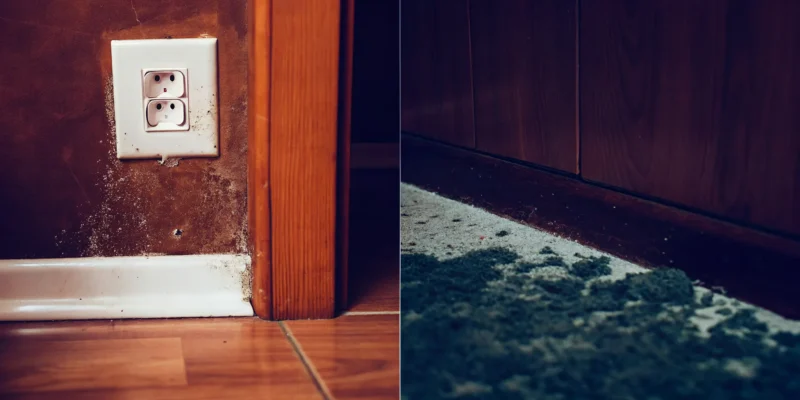
The mold vs mildew difference comes down to growth pattern and risk. Mildew is a flat, powdery surface fungus that appears white or gray on damp tile and windowsills. Mold is raised, fuzzy, and can be green, black, or blue. It burrows deep into drywall and wood, causing structural damage and serious health risks.
Call (661) 220-7584 for a free mold inspection in Bakersfield. Knowing the mold vs mildew difference helps you decide whether to clean it yourself or call a professional.
Finding the right fix starts with knowing what you are looking at in your home. In the next section, we break down what mold and mildew are and how they differ so you can spot the problem and take the right steps.
Mold Vs Mildew Difference: What Is Mold? What Is Mildew? A Simple Breakdown
Finding fuzzy or dusty growth in your home is always a cause for concern. Many people in Kern County use the terms mold and mildew to mean the same thing. But while they are linked, they are not the same. Knowing the difference between them is the first step in getting the right help for your home.
What are Mold and Mildew?
Both mold and mildew are types of fungi that need moisture to grow. The Environmental Protection Agency says mildew is just a specific kind of mold. It usually grows in a flat pattern and stays on the surface of things.
Molds are microscopic fungi that grow as thin threads called hyphae. These threads can spread quickly through a damp home. Mildew often shows up in wet spots like shower walls or windowsills. It thrives where moisture levels stay high for a long time.
Mold grows in many spots and can thrive on almost any organic matter. This includes walls, floors, clothing, and paper. You can read more about how to handle these issues in our guide to mold remediation.
How They Look
One of the easiest ways to tell these two apart is by looking at them. Mildew usually appears flat and powdery. It often looks white, gray, or sometimes pale yellow. Because it stays on the surface, you can often wipe it away easily. But this does not mean the moisture problem is gone.
Mold looks quite different. It is often raised and can feel fuzzy or slimy to the touch. It also comes in many colors. You might see mold that is deep green, bright blue, or even solid black.
Unlike mildew, mold burrows deep into porous things like wood or drywall. This makes it much harder to remove without professional help. The smell of the growth can also give you a clue.
Smells and Growth Patterns
Mildew usually has a milder, musty scent that some people compare to damp socks. Mold produces a much stronger and more pungent odor. These smells come from microbial volatile organic compounds, or MVOCs. If you smell something strong and earthy in your basement, it is likely mold.
Mold is more invasive and causes more damage over time. It can grow inside walls or under flooring where you cannot see it. This growth can lead to structural damage if you do not fix the water source quickly.
Mildew is less of a threat to your home’s structure but still needs attention to keep your air clean. Keeping your home dry is the best way to prevent both types of growth.
How to Tell Mold from Mildew in Your Home
Finding a dark spot in your home can be stressful. You might wonder if you are looking at a simple cleaning task or a major repair. Telling the mold vs mildew difference is the first step to fixing the problem. While both are types of fungi, they often grow after a home needs water damage restoration.
Growth Patterns and Colors
Mildew often grows in a flat pattern. It usually looks white, gray, or light yellow. Bakersfield homeowners often see it in damp places like shower stalls or on windowsills. As it grows, it stays on the surface of the wall. This makes it easier to wipe away than most other fungi.
Mold is often more colorful. It can be green, blue, or even solid black. Unlike mildew, mold has a thick growth habit. It can look fuzzy or even slimy. The EPA says that mold can grow on any organic matter where moisture is a problem. It burrows deep into things like wood or drywall.
Textures and Scents
You can also tell them apart by how they feel and smell. Mildew is dry and powdery to the touch. It has a mild musty smell that some people compare to damp socks. This smell is often faint and stays near the growth.
Mold has a much stronger scent. It produces gases that smell like rotting wood or wet earth. These smells are often heavy and can fill a whole room. Mold texture varies from fuzzy like a peach to slimy or sticky. If a spot looks thick or raised, check our complete guide to mold remediation to see how to fix it.
| Feature | Mildew | Mold |
|---|---|---|
| Growth shape. | Flat and thin. | Raised and fuzzy. |
| Common colors. | White, gray, or yellow. | Black, green, or blue. |
| Texture. | Powdery or dry. | Fuzzy, slimy, or sticky. |
| Smell. | Mild musty scent. | Strong pungent odor. |
| Depth. | Surface level only. | Burrows into things. |
| Common spots. | Shower tile or grout. | Behind walls or in HVAC. |
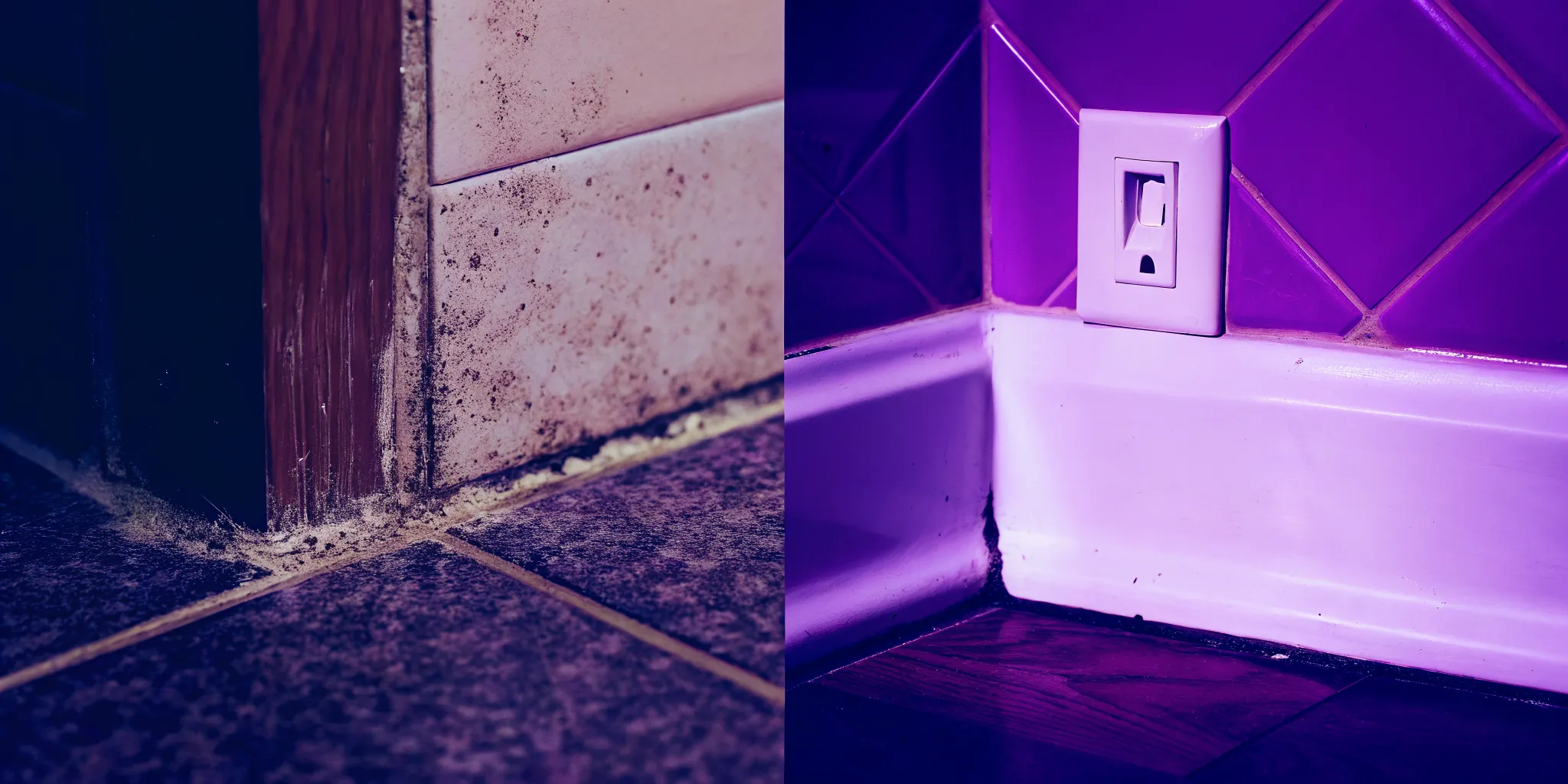
If you find a strange growth, you can use these quick tips to check it yourself. Being sure about what you see helps you take the right next steps.
- Check the color. If the spot is white or gray, it is likely mildew.
- Look at the shape. Flat spots are usually mildew, while fuzzy or raised spots are mold.
- Try a wipe test. If you can wipe the spot away with one swipe, it is likely surface mildew.
- Sniff the air. A strong, pungent smell usually means mold is growing deep in your walls.
Which Is More Dangerous: Mold or Mildew?
When you find fuzzy growth in your home, you may wonder if it is a health risk. While both are types of fungi, the health effects vary. Mildew usually causes only light issues like a stuffy nose or itchy eyes. In contrast, some molds lead to serious lung and sinus problems if they grow in your living space.
Health Risks of Mildew
Mildew stays on the surface of items and does not burrow deep into walls or floors. Because it is less invasive, it is usually less of a threat than mold. People near mildew often report mild lung irritation or allergy signs. According to facts from CertainTeed, these signs include sneezing, coughing, and sore throats. While annoying, these signs often go away once you clean the spot.
Dangerous Effects of Mold
Mold is more invasive and can grow inside your walls, under floors, or in your air ducts. Some types, like black mold, are known to produce harmful toxins. These toxins can cause severe breathing issues, asthma attacks, and chronic sinus infections. In rare and extreme cases, toxic mold has been linked to bleeding in the lungs according to CDC data.
If you think a growth is more than just surface mildew, it is vital to act fast. Our professional mold remediation services can help you find and remove hidden spores before they hurt your health. Exposure to mold can also lead to fatigue and skin rashes. Since mold can grow on organic matter within 24 hours of water damage, quick action helps keep your family safe.
Is Mildew as Bad as Mold?
The short answer is no. Mildew is a surface growth that is easy to find and clean. It does not produce the same level of toxins that many mold types do. But you should not ignore it. Both fungi thrive in wet spots and show a water problem in your home. If you see growth that keeps coming back, you may need a pro to check your indoor air quality to ensure it is safe.
When to Call a Professional vs. Handle It Yourself
Deciding if you can clean up growth on your own depends on the size and type of the problem. Small patches are often easy to fix, but large ones need expert care. Follow these steps to choose the best path for your home.
Check the Type and Size
First, you must see if you have mold or mildew. Mildew stays on the surface and looks flat or powdery. You can often clean small spots of mildew on tile or grout with a simple bleach or vinegar mix. If the growth is fuzzy, slimy, or covers more than 10 square feet, it is likely mold that needs help.
Look for Hidden Damage
Check for soft spots in your drywall or damp smells that will not go away. Mold often grows behind walls or under floors where you cannot see it. According to the Centers for Disease Control and Prevention, mold can grow on any natural item where water stays for too long. If you think there is growth in your air vents or behind walls, do not try to fix it yourself.
Follow the Right Steps
If the job is too big for you to do, our IICRC-certified restoration team can help. We use a clear path to ensure your home is safe and clean.
- Identify the growth. We find the source and find the mold vs mildew difference to plan the right fix.
- Assess the size. We check the area to see if it meets the 10 square foot limit for pro care.
- Check for hidden moisture. We use tools to find water trapped behind walls or under floors that feeds the growth.
- Set up containment. Our team uses HEPA filters and plastic walls to stop spores from moving to other rooms.
- Clean and treat. We use safe tools to kill the fungi and stop it from coming back.
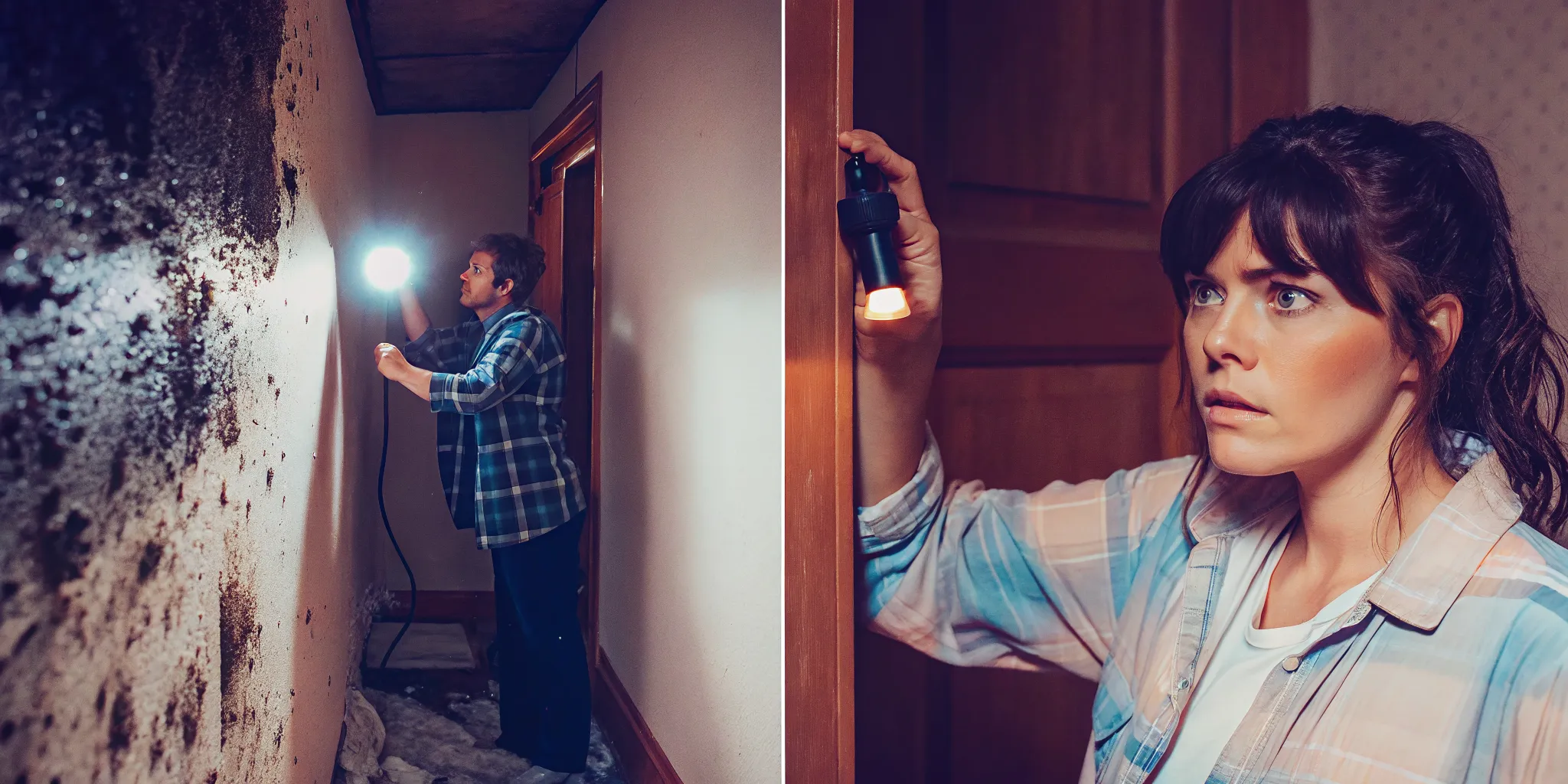
Our team at 911 Restoration of Bakersfield offers a 45-minute response time to help you fast. We provide a Mold-Free Guarantee, so you can trust that your home will pass a final check. We handle the hard work so you can feel safe in your house again.
Preventing Both Mold and Mildew in Bakersfield’s Climate
Bakersfield homes face a mix of high heat and low humidity for most of the year. But cool winters and rain create a chance for fungi to grow if you are not careful. Preventing a mold vs mildew difference in your home starts with moisture control. By following a few easy steps, you can keep your property dry and safe from growth all year.
Control Indoor Humidity Levels
The best way to stop mold is to keep your indoor air dry. You should aim to keep indoor humidity between 40% and 50% to stop spores from growing. High moisture levels often lead to mildew on windowsills and shower stalls where water sits. The Environmental Protection Agency (EPA) states that keeping indoor humidity below 60% is vital. You can use a small tool called a hygrometer to check these levels in your home every day.
Use Fans and Vents
Proper airflow is your best defense against damp spots in the kitchen and bathroom. Always run exhaust fans when you cook or shower to pull moist air out of the room. This stops steam from turning into liquid water on your walls. In areas like attics or crawl spaces, make sure vents are clear of dust. Good ventilation helps air move, which makes it much harder for mold to find a place to live. If you find a leak, our team provides fast water damage restoration to stop problems early.
Fix Leaks Within 24 Hours
Time is the most important factor when you deal with water in your home. We follow the 24-hour rule, which says you must dry any standing water within one day to stop growth. Mold can start to burrow into wood and drywall in as little as 24 to 48 hours after a leak. Check your plumbing under sinks and look at your roof after a storm. Catching a small drip now can save you from a big repair bill later. If you spot fuzzy or slimy growth, it is best to call a pro for a full check.
Frequently Asked Questions About Mold vs. Mildew
Is mildew as bad for you as mold?
No, mildew is generally less harmful than mold. Mildew is a surface-level fungus that may cause mild respiratory irritation or allergy symptoms like sneezing and a stuffy nose. Mold, especially toxic black mold (Stachybotrys chartarum), produces mycotoxins that can cause severe allergic reactions, asthma attacks, chronic sinus infections, and in rare cases, serious lung conditions. If you see fuzzy, dark-colored growth, treat it more seriously than flat white or gray patches.
What actually kills mold and mildew?
For mildew on hard, non-porous surfaces like tile or glass. A mixture of one cup of bleach per gallon of water or undiluted white vinegar can kill surface growth. For mold on porous materials like drywall or wood, professional remediation is usually required. Bleach cannot reach mold roots in porous surfaces. Professionals use HEPA filtration, antimicrobial treatments, and physical removal of contaminated materials to fully eliminate the problem.
Will mildew turn into mold?
Mildew does not literally transform into mold, but the damp conditions that let mildew grow also let mold thrive. If you do not clean mildew and fix the moisture source, mold will eventually start growing in the same area. The best way to stop this cycle is to dry the area completely, clean the surface. And address the root cause of the moisture, whether it is a leak, poor ventilation, or high humidity.
Can I clean mold myself or should I call a professional?
Small patches of mildew on non-porous surfaces like tile and glass can be cleaned with vinegar or a bleach solution. However, you should call a professional if the growth covers more than 10 square feet, if you suspect black mold. If mold is growing inside walls or in your HVAC system, or if you have health conditions like asthma. 911 Restoration of Bakersfield offers a free visual inspection to help you decide the right course of action.
Ready to Get a Professional Mold Inspection?
Leaving mold or mildew to grow in your home can lead to very high repair costs and long-term house damage. When you wait too long to act, these fuzzy growths can get deep into your walls and floors where you cannot see them. This delay makes the cleanup process much harder and more costly for you than it ever needs to be. Choosing to start now prevents a small issue from turning into a big crisis that puts your family and house at risk. You can save both time and money by dealing with the root source of the dampness in your living space today. Our local team is ready to provide mold removal to stop the spread and get your house back to its best state fast.
Ready to get a professional mold inspection? Call (661) 220-7584 to talk to a mold expert and request your visit.
