

How to Document Water Damage for Insurance Claim
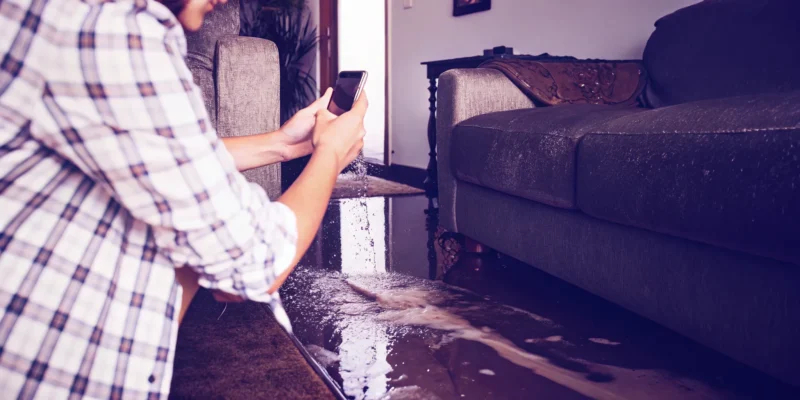
A burst pipe can dump hundreds of gallons of water into your living room in minutes. This sudden mess often leaves homeowners feeling lost and unsure of what to do first. Since nearly one in four insurance claims is for water damage, following our water damage restoration Bakersfield guide is key.
Knowing how to document water damage for insurance claim starts with taking clear photos and videos of all wet areas before you touch anything. You should take wide shots of the entire room and close-up images of damage to floors, walls, and personal items. The Centers for Disease Control and Prevention says you must take photos and contact your insurer before starting any cleanup. In addition to visual evidence, you should create a list that includes serial numbers for electronics and receipts for emergency repairs. This record-keeping helps your adjuster find the full scope of the loss. It ensures you receive a fair payout for the work and helps prevent claim denials.
Filing a claim can be a stressful process, but having the right evidence makes it much easier to get your home back to normal. Many homeowners wonder why they need to be so careful with their records during a sudden disaster. The path to recovery begins with learning Why Proper Documentation Can Make or Break Your Water Damage Claim.
How To Document Water Damage For Insurance Claim: Why Proper Documentation Can Make or Break Your Water Damage Claim
Filing a claim for water damage is common for homeowners in Kern County. In fact, nearly one in four home insurance claims in 2018 came from water damage. This issue happens more often than many people think. From 2014 to 2016, the number of water damage claims in the U.S. even outpaced losses from both fires and hurricanes. Because these claims are so frequent, insurance firms look at every detail. If you do not have clear proof, you may face a claim denial.
Protect your payout with proof
Insurers need to see the state of your home before any work begins. You must show how the water entered and what it touched. Without photos or videos, it is hard to prove that the damage was sudden. This is why you should take pictures of the home and your items before you start cleanup. Clear proof makes it much harder for a firm to say the damage was old. Following a water damage restoration Bakersfield guide can help you track these tasks.
Speed meets accuracy in reporting
You have a duty to stop the water from causing more harm. But you also have to show the adjuster what happened. If you throw away ruined items too soon, you lose your evidence. You should secure your property against more damage and keep every receipt for quick repairs. This includes things like buying a tarp or plywood. Good records show the firm that you acted fast and followed policy rules. Working with a team for professional water damage restoration ensures your reports meet high standards.
Avoid common denial traps
Insurance adjusters look for reasons to lower your payout. They check for signs of slow leaks or long-term neglect. Proper notes help you avoid these traps. When you report the loss, give your name, policy number, and a damage description, but do not guess on the cost. If you say you are not sure when the leak started, the firm may claim it is an old issue. Strong records set a clear timeline that supports your Fresh Start.
Step-by-Step: What to Photograph and Video Before Cleanup Starts
You must act fast when water hits your home. Taking clear photos and videos is the most vital step to take before you touch anything. The CDC suggests you record all damage before you start any cleanup work. This proof helps your insurance adjuster see the full scope of the loss. It also protects your claim if the damage gets worse later.
Capture the entire room
Start with wide shots of every room that has water. Stand in the doorway and take photos from several angles. These shots show the path of the water and help pros with steps after water damage to secure your home. Be sure to show the floor, walls, and ceiling in one frame. This gives the adjuster a clear view of how much of the space the flood hit.
Focus on close-up damage
Move in close to show the details of the harm. Point your camera at cracks in the drywall or wet spots on the floor. Take photos of baseboards, door frames, and any warped wood. If you see standing water, use a ruler or a yardstick as a marker. This shows the depth of the water in your photos. These small details are key when you learn how to document water damage for insurance claim payouts.
Follow these documentation steps
- Record a walk-through video. Walk through each floor and talk as you record. Describe what you see and where the water came from.
- Snap shots of structural parts. Look for signs of water behind walls or under floors. Note any sagging spots in the ceiling.
- List all personal property. Take photos of wet rugs, ruined furniture, and broken gear. Do not throw these away until the adjuster sees them.
- Find the water source. If a pipe burst or a roof leaked, take a photo of the exact spot. This helps prove the cause of the loss.
- Note depth markers. Place a solid object in the water to show its height. This helps pros who use moisture tools and thermal scans to find hidden damp spots.
- Start within 24 hours. You must finish your photos and start drying the home within 24 hours. This is the best way to stop mold growth from starting.
How to Create a Water Damage Inventory List
Creating a full list of your lost items is a key step for any water damage restoration Bakersfield claim. A good list helps you get the right payout for your personal property. While an up-to-date inventory made before a disaster is best, you can still build a strong record after the damage has happened. You should start this task as soon as it is safe to enter your home after taking immediate steps after water damage.
Go room by room
Work through your home one room at a time to ensure you do not miss small items. For each object, write down a short description and when you bought it. You should also note the estimated value of the item today. If you have lost physical receipts, you can search your email for digital purchase records or old order notes. This helps prove what the items cost when they were new.
Record serial numbers
It is vital to find and record serial numbers for all large electronics and appliances. These numbers provide proof of the specific model and age of your gear. If the item is too wet to touch, use a camera to zoom in on the label. You should also label your photos and match them to your inventory list. This makes it easy for the insurance adjuster to verify each claim you make.
Sample inventory template
| Item Description | Serial Number | Estimated Value | Year Bought |
|---|---|---|---|
| Smart LED TV | SN-98234511 | $600 | 2022 |
| Laptop Computer | LP-773210XX | $1,200 | 2023 |
| Electric Dryer | DRY-4455667 | $450 | 2021 |
| Gaming Console | GC-11223344 | $500 | 2024 |
Save your evidence
Keep your inventory list in a safe place, like a cloud drive or a waterproof bag. Do not throw away any damaged items until your adjuster has seen them in person. Detailed records of your damage assessments and repair costs will help speed up the process. Providing a clear and full list shows the insurance company that you are serious about your claim.
What Your Insurance Adjuster Needs From Your Restoration Company
When you file a claim, your insurance adjuster looks for proof of damage. An expert restoration team gives them the clear data they need. This makes your claim stronger and helps you get a fair payout. Giving the right data is a big part of how to document water damage for insurance claim success.
Pro Moisture and Damage Tracking
Restoration experts use tools that a home owner does not have. They use thermal imaging and moisture mapping to find water hidden behind walls or floors. These tools show just where the water moved. The team also takes moisture readings to track how well the drying process works. These readings prove that the home is dry enough to prevent mold.
A pro team keeps clear notes on every area. They list all items that got wet and the level of damage. These notes help an adjuster see the full scope of your loss. Taking clear photos is a main first step before any cleanup starts. Your restoration partner should help you gather these photos for your records.
Water Damage Categories
Adjusters need to know what kind of water caused the mess. Experts group water into three categories based on how clean or dirty it is. Category 1 is clean water from a broken pipe or a sink leak. Category 2 is gray water, like waste from a dish washer or a sump pump. Category 3 is black water, which is highly dirty water from a sewer backup or flood.
The group tells the adjuster what steps are needed for a safe cleanup. Each type needs a different set of tools and gear. A team with IICRC cert follows strict rules for each group. This makes sure the work meets the rules for professional water damage restoration in Bakersfield. Following these rules helps keep your family safe after a leak.
Full Repair Notes and Records
Your adjuster needs a clear record of all work done on the property. This includes how the damage occurred and what repairs were made. It should also list the exact cost of each step. Clear logs show the adjuster that you took the right steps to save the property.
At 911 Restoration of Bakersfield, we focus on a Fresh Start for every client. Our project leads help you handle the insurance process from start to finish. We give you the reports and logs an adjuster needs to check your claim. This helps speed up the process so you can get back to your normal life faster.
Common Documentation Mistakes That Delay or Deny Claims
Mistakes in your paperwork can stall your recovery for weeks. Even small errors as you gather proof can lead to a denied claim. To get the best result, you must know what traps to avoid as you work with your insurance company.
Cleaning up before taking photos
One of the biggest errors is starting the cleanup too fast. You may want to dry things right away to stop mold. But the CDC suggests that you take pictures of the home and your things before you start any work. If you clear out the water first, the adjuster cannot see the full level of the damage. This can make it hard to file an insurance claim that covers all your costs.
Question: How do you document water damage for an insurance claim?
Answer: You should take clear photos and videos of all damaged areas and things before you start cleanup. Record serial numbers for electronics and keep all receipts for any quick repairs you make to keep your home safe.
Tossing damaged items too soon
It is natural to want to throw away soaked rugs or broken chairs. But you should never toss out damaged items before the adjuster sees them. Your insurance policy often needs you to show real proof of loss. If you toss an item, the company may not pay for it because they cannot check its state. If you must move items for safety, keep them in a pile in the garage or yard until the visit is over.
Saying the wrong thing to adjusters
When you talk to your adjuster, be careful with your words. Stick to the facts you know. Do not guess the cause of the leak or how much the repairs will cost. Rules from North Carolina’s HPO say you should give your policy number and a description of the damage. You should not guess at final costs during the first call.
Question: What should you not say to an insurance adjuster about water damage?
Answer: Avoid downplaying the damage or saying you are not sure about the cause. Guessing on costs or causes can lead to a lower payout or a denied claim.
Failing to track temporary repairs
You have a duty to protect your home from more harm. This might mean boarding up a window or putting a tarp on the roof. While you should act fast, many people forget to track these costs. Use these tips to stay organized:
- Keep every receipt for tools, tarps, or wood you buy.
- Take photos of the quick fix once it is done.
- Save any bills from pros who help with drying.
These small costs add up. If you lose the receipts, you may have to pay for those repairs with your own money.
Frequently Asked Questions
How do you document water damage for an insurance claim?
You must take clear photos and videos of all wet areas before you start any repairs or cleanup. Record serial numbers for damaged machines and gear. Keep a list of all lost items and save receipts for any emergency work you do to protect your Bakersfield home. According to the CDC, these records should happen before you touch anything.
Can you throw away water-damaged items before an insurance adjuster sees them?
No, you should not throw away any damaged items until your insurance adjuster has seen them in person. If you must remove items for safety or health, take many photos first and store them in a dry place. Getting rid of proof early may cause the insurance company to deny your claim for those items. Keeping everything on site helps show the full scale of your loss.
What can you do if you do not have receipts for damaged items?
If you lack paper receipts, you can use digital records to prove the value of your property. Search through your emails for order records or check your bank files for purchase dates. You can also look for old photos that show the items in your home before the disaster happened. Clear proof of owning them helps the insurance adjuster value your claim fairly and well.
How long do you have to document water damage before cleanup?
You should record and begin drying your home within 24 to 48 hours to stop mold growth. The CDC warns that mold can start to grow quickly on wet surfaces. If you cannot dry the area in this time, professional help is often needed. Clear photos and moisture levels taken during this window provide strong proof for your insurance claim while keeping your family safe.
What should you not say to an insurance adjuster about water damage?
Avoid making the damage seem smaller or guessing the cause when talking to an adjuster. Do not say you are unsure or guess how much repairs will cost during your first call. Stick to the facts you have in your photos and logs. According to the North Carolina State Historic Preservation Office, give a clear list of the damage without guessing at the final price.
Ready to start your water damage claim?
Waiting to record water damage can lead to a denied claim or a low payout, which puts your Bakersfield home at risk. Every hour you wait allows moisture to spread and mold to grow, making the cleanup process much harder and more costly. Our crew can be there in 45 minutes to help you find every hidden wet spot and track the leak with expert tools. We find water behind walls so you have the best proof to get the full insurance help you need for a fast start. This data is the key to getting a fast payout so you can get back to a clean home today. Starting an expert check now ensures you have the clear proof you need for your insurance claim.
Ready to request your check? Call (661) 220-7584 to schedule a free consultation.
